
























😬 7 Soy Sauce Brands That Are Chemically Brewed and 2 That Are Safe | GEORGIANBAYNEWS.COM

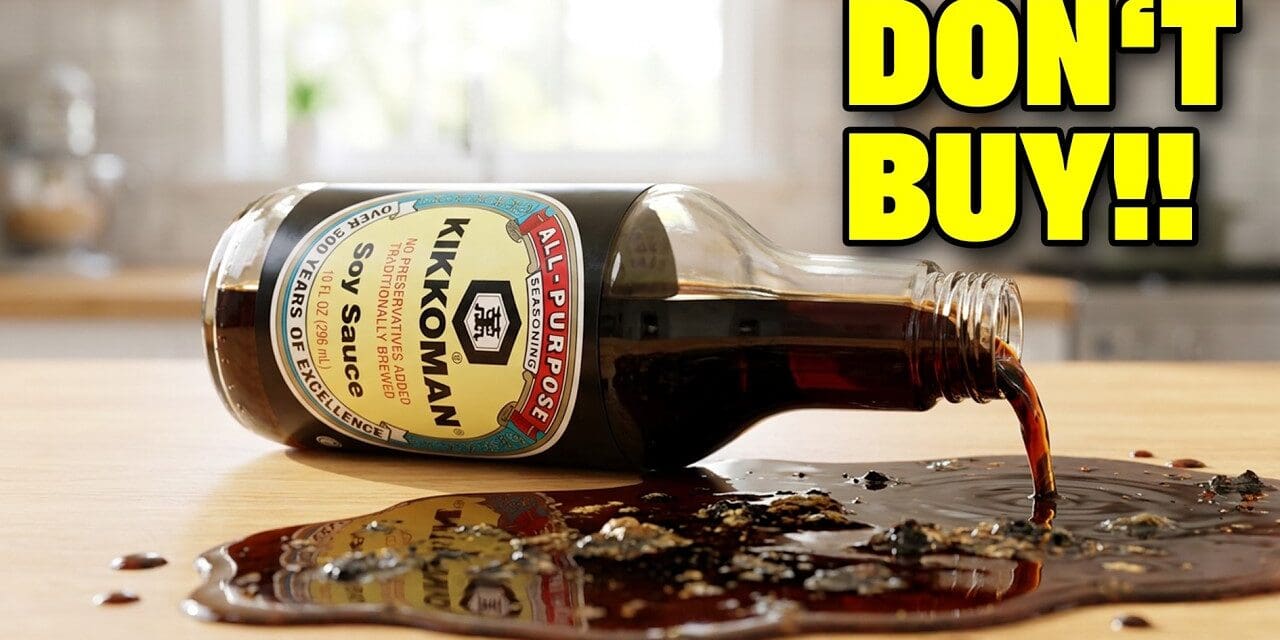
Real soy sauce is made through a slow fermentation process that relies on a few simple ingredients — soybeans, wheat, salt, water, and a specific mold culture — combined with time and patience rather than shortcuts.
Making the koji. The process starts by cooking soybeans (steamed or boiled until soft) and roasting and cracking wheat. These are mixed together and inoculated with spores of Aspergillus oryzae or Aspergillus sojae, a mold culture. This mixture is spread out and incubated for a few days in a warm, humid room, during which the mold grows over the beans and wheat, producing enzymes that will later break down proteins and starches. This mold-covered mixture is called koji.
Fermenting the moromi. The koji is then mixed with brine (salt water) to form a thick mash called moromi. This is transferred into large tanks or traditional wooden vats, where fermentation happens in two overlapping stages. First, the koji’s enzymes break down the soybean proteins into amino acids (including glutamic acid, which gives soy sauce its savory umami character) and the wheat starches into simple sugars. Second, naturally occurring or added lactic acid bacteria and yeasts ferment those sugars, producing lactic acid and alcohol, along with the hundreds of aromatic compounds that give soy sauce its complex smell and flavor. This fermentation is slow — traditional soy sauce is aged anywhere from several months to a few years, with the mash regularly stirred and exposed to air.

Pressing and pasteurizing. Once fermentation is complete, the moromi is wrapped in cloth and pressed to separate the raw liquid soy sauce from the solid leftover mash (which is often used as animal feed or fertilizer). The raw liquid is then pasteurized, both to kill off remaining microbes and to stabilize the flavor and color through heat-driven chemical reactions. After pasteurization, it’s filtered, bottled, and sometimes blended to balance flavor before sale.
This traditional method contrasts sharply with cheap “chemical” or “HVP” soy sauce, which is made in days rather than months by hydrolyzing soy protein with hydrochloric acid, then neutralizing and flavoring it artificially — a process that skips fermentation entirely and produces a much flatter, one-dimensional flavor.
Content, illustrations, and third-party video appearing on GEORGIANBAYNEWS.COM may be generated or curated with AI assistance or reproduced pursuant to the fair dealing provisions of the Copyright Act, R.S.C. 1985, c. C-42. Attribution and hyperlinks to original sources are provided in acknowledgment of applicable intellectual property rights. Such referencing is intended to direct traffic to and support the original rights holders’ platforms.
Much Appreciate You Sharing This Post - It Helps MUCH!!!