




















Lindsey Vonn Crashes in Final Downhill Before Olympics: Airlift Following Injury Shakes Skiing World
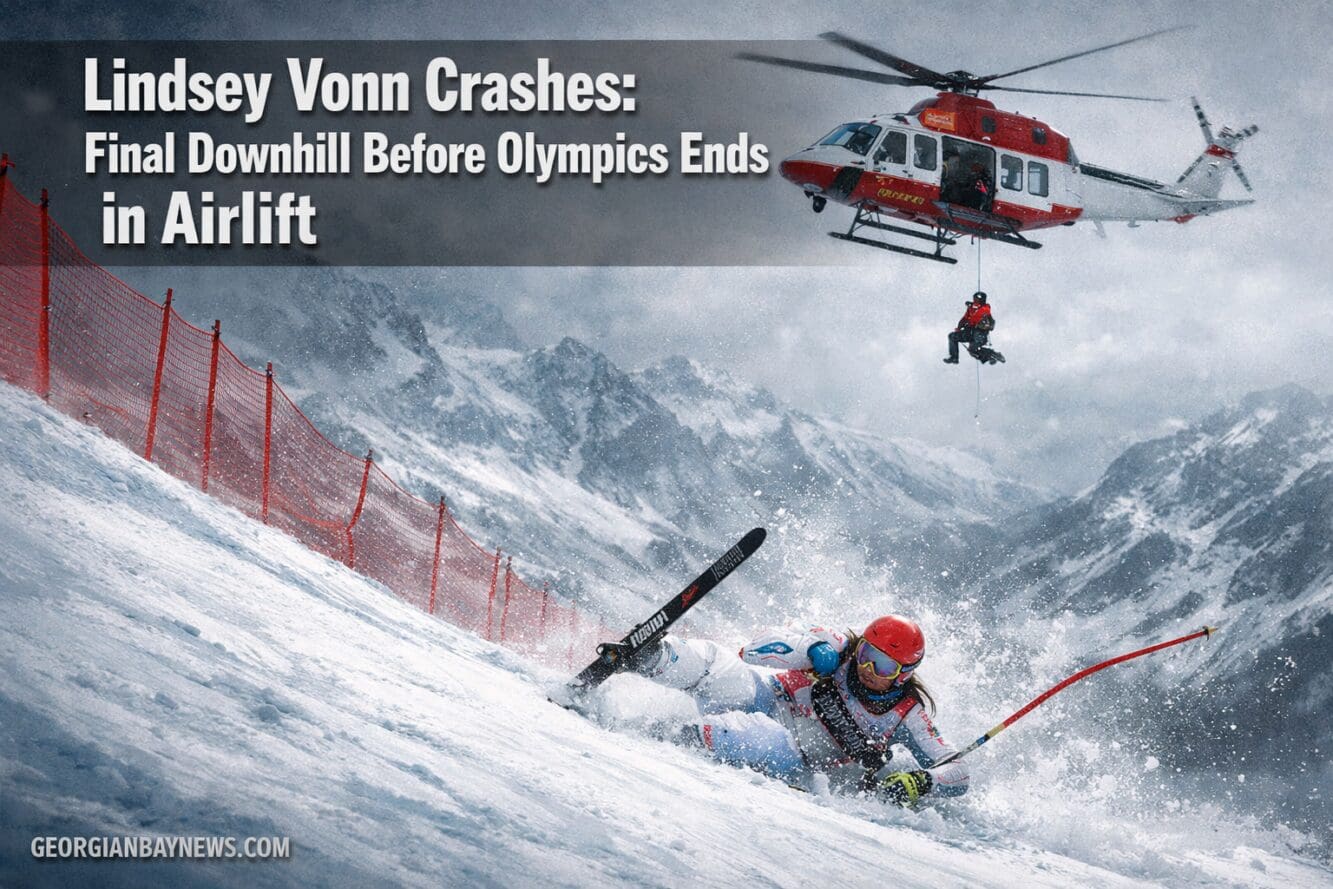
When American skiing legend Lindsey Vonn took to the slopes for what was supposed to be her final training run before the Winter Olympics, nobody expected the day would end with a helicopter ride and questions about her Olympic future. The dramatic scene that unfolded—Lindsey Vonn crashes at high speed into safety netting—sent shockwaves through the international skiing community and left fans around the world holding their breath. 🎿
Just one week before the Opening Ceremonies, Vonn’s Olympic comeback story took a devastating turn when she lost her balance during a jump, crashed at speeds approaching 70 mph, and had to be airlifted from the course with a knee injury. The incident wasn’t just a personal setback—it highlighted the extreme dangers elite skiers face every time they push the limits of human capability on ice and snow.
Key Takeaways
- Lindsey Vonn crashes during her final downhill training run just one week before the Winter Olympics, sustaining a left knee injury
- The crash occurred at approximately 60-70 mph after Vonn lost balance on a jump landing and spun into safety netting[1]
- Vonn was airlifted from the finish area for medical evaluation, visibly struggling to bear weight on her injured knee[1]
- Despite the injury, Vonn declared via Instagram: “My Olympic dream is not over,” signaling her determination to compete[2]
- The race was cancelled after Vonn became the third of six starters to crash at the same venue that day[1]
The Crash: What Happened When Lindsey Vonn Crashes at 70 MPH
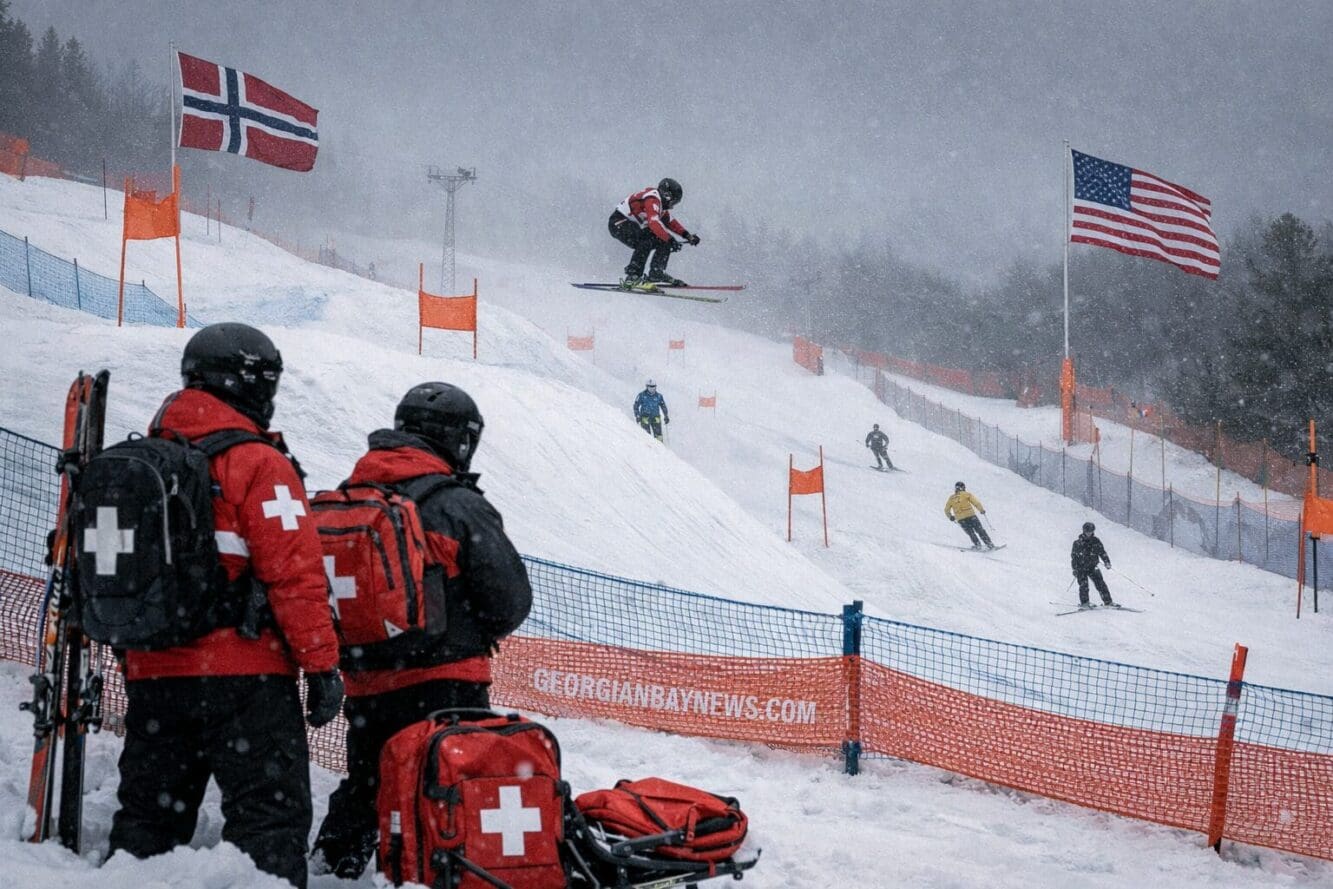
The conditions that morning were far from ideal. As the third skier out of the gate, Vonn launched into her run with the skies already “starting to gray and darken,” according to race commentary.[1] Visibility—always a critical factor in downhill skiing—was deteriorating rapidly.
Everything seemed under control until Vonn hit a crucial jump section on the course. The mechanics of the crash unfolded in terrifying slow motion for spectators:
- The Jump: Vonn became off-balance mid-air
- Attempted Recovery: She fought to regain control
- Compression on Landing: The landing compressed her body awkwardly
- The Spin: Unable to recover, she began spinning
- Impact: She slammed into protective safety netting at approximately 60-70 mph[1]
The impact was severe enough that medical personnel immediately rushed to her aid. Observers noted she was limping and in visible pain, particularly struggling to put weight on her left knee—ironically, the knee without a titanium implant from previous injuries.[1]
A Day of Multiple Crashes
Vonn wasn’t alone in her misfortune. Norwegian skier Marte Monsen had crashed at the exact same location earlier that day, with similar jump-related mechanics causing her to lose control.[1][2] The pattern was clear: something about that particular section of the course, combined with the deteriorating weather conditions, was creating a dangerous situation.
After Vonn’s crash—the third of the morning—race officials made the decision to cancel the event entirely. Only three of the planned six starters had attempted the course.[1] The decision underscored just how treacherous the conditions had become, similar to dangerous road conditions that lead to tragic collisions.
The Injury: Left Knee Takes the Hit
The medical assessment revealed that Vonn had injured her left knee—a particularly concerning development given her extensive injury history.[1][2] Her right knee already contains a titanium implant from a previous devastating injury, making her left knee the “good” knee that she relies on for stability and power.
Immediately following the crash, Vonn was observed:
- Limping significantly
- Unable to bear full weight on the left leg
- In visible pain as medical staff evaluated her
- Requiring airlift transport from the finish area[1]
The decision to airlift rather than transport by ground ambulance suggested the medical team wanted to minimize movement and get her to advanced imaging facilities as quickly as possible. For athletes at this level, every minute counts when assessing potential ligament damage, fractures, or other serious injuries.
Understanding the Severity
While initial reports didn’t specify the exact nature of the injury beyond “left knee,” the context provides clues about the potential severity. At 60-70 mph, the forces involved in a crash are enormous. The twisting motion Vonn experienced before impact—combined with the compression on landing—creates the perfect storm for:
- ACL tears (anterior cruciate ligament)
- MCL sprains (medial collateral ligament)
- Meniscus damage
- Bone bruising or fractures
- Multiple ligament involvement
For comparison, Norwegian skier Marte Monsen underwent hospital examinations following her crash at the same location. Doctors detected no serious injuries to her head or face and no fractures, though she reported knee pain and was scheduled for additional evaluations back in Norway.[2] This suggests that even “minor” crashes at this venue were causing significant knee trauma.
The Olympic Dream: Vonn’s Defiant Response
Despite the severity of the crash and the proximity to the Olympics, Vonn’s response was characteristically defiant. Taking to Instagram, she posted a message that resonated with athletes and fans worldwide:
“My Olympic dream is not over”[2]
She acknowledged the difficulty of the situation, calling the outcome “very difficult” with just one week remaining before the Games.[2] But her determination to compete—despite the injury, despite the setback, despite the odds—exemplified the mindset that had made her one of the greatest alpine skiers in history.
This resilience mirrors the philosophy of learning to act as if nothing bothers you, a mental toughness strategy employed by elite athletes worldwide.
The Comeback Context
To understand the weight of Vonn’s statement, it’s important to recognize that this Olympic appearance was already a comeback story. After years of injuries, surgeries, and rehabilitation, Vonn had fought her way back to competitive form. The crash threatened to derail not just weeks or months of preparation, but years of dedication.
The psychological toll of such a setback cannot be overstated. Athletes at this level invest everything—physically, mentally, emotionally, and financially—into Olympic preparation. To have it potentially taken away in a split second is devastating.
Safety Concerns: When Conditions Turn Deadly
The cancellation of the race after multiple crashes raises important questions about safety protocols in elite skiing. While the sport has made tremendous strides in protective equipment and course design, the fundamental reality remains: skiing at 60-70 mph down an icy mountain is inherently dangerous.
Weather as a Factor
The deteriorating visibility cited by race officials played a crucial role in the day’s events.[1] In downhill skiing, athletes need to see:
- Course markers and gates
- Terrain changes and jumps
- Landing zones
- Safety netting and boundaries
When skies “gray and darken,” these visual cues become harder to read, reaction times decrease, and the margin for error shrinks dramatically. Race officials face the difficult decision of balancing competitive fairness with athlete safety—a challenge similar to what law enforcement faces in concerning incidents.
The Jump Section Problem
The fact that multiple skiers crashed at the same location on the same day suggests a specific problem with that section of the course. Possible factors include:
- Jump angle or trajectory not matching the landing zone
- Ice buildup creating unpredictable conditions
- Visibility issues specific to that section’s orientation
- Speed calculation errors in course design
- Wind patterns affecting mid-air stability
Modern ski course designers use sophisticated computer modeling and extensive testing, but Mother Nature doesn’t always cooperate with the best-laid plans.
The Broader Impact: What This Means for Alpine Skiing
When a athlete of Vonn’s stature crashes so dramatically, it sends ripples through the entire sport. For fans, it’s a reminder of the courage these athletes display every time they push out of the starting gate. For fellow competitors, it’s a sobering reality check about their own vulnerability.
The Mental Game
Other skiers scheduled to compete in the Olympics now had to process what they’d witnessed. Sports psychology research shows that witnessing a teammate or competitor’s serious injury can affect performance through:
- Increased anxiety about similar outcomes
- Hesitation at critical moments
- Overthinking technique rather than trusting training
- Fear overriding competitive instinct
The mental challenge of putting the crash out of mind and skiing with full commitment becomes its own obstacle to overcome.
Medical Response Excellence
One positive aspect of the incident was the immediate and professional medical response. The presence of:
- ✅ Medical personnel at the crash site
- ✅ Airlift capability for rapid transport
- ✅ Advanced imaging facilities nearby
- ✅ Experienced sports medicine specialists
…demonstrates how seriously Olympic organizers take athlete safety. The quick response potentially made the difference between a career-ending injury and a recoverable setback.
Lessons for Athletes at Every Level
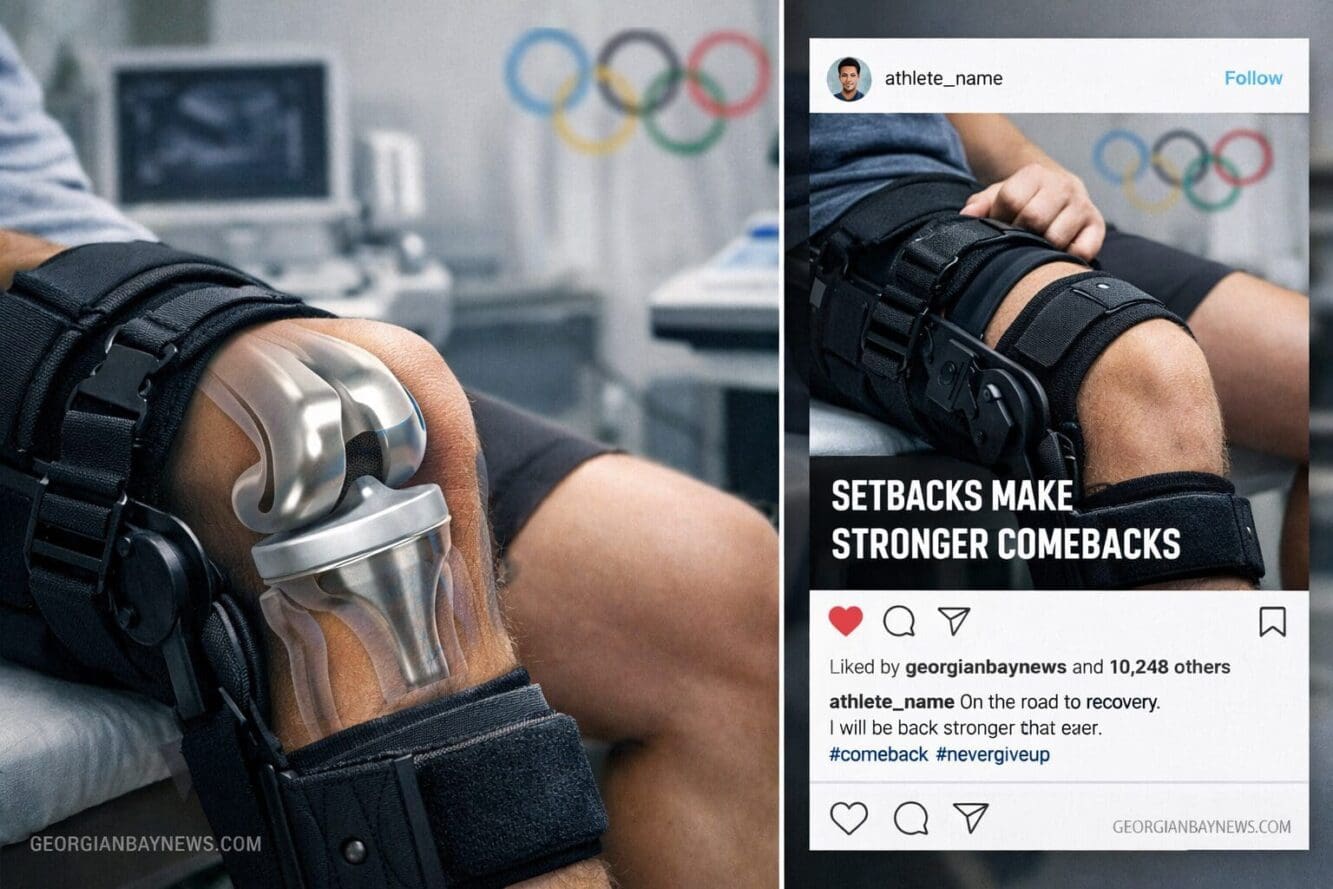
While most people will never ski at 70 mph, the lessons from when Lindsey Vonn crashes apply to athletes and active individuals at all levels:
1. Respect the Conditions 🌨️
Don’t push beyond what conditions safely allow. If visibility is poor or terrain is questionable, it’s okay to sit one out.
2. Know Your Limits
Vonn was attempting a feat at the absolute edge of human capability. Understanding your personal limits—and respecting them—prevents unnecessary injuries.
3. Invest in Safety Equipment
Proper equipment, from helmets to protective padding, can mean the difference between a close call and a catastrophe.
4. Have a Recovery Plan
Vonn’s immediate access to world-class medical care was crucial. Even recreational athletes should know where to go and what to do if injury strikes.
5. Mental Resilience Matters
Vonn’s determination to continue pursuing her Olympic dream despite the setback exemplifies the mental toughness required to overcome adversity—in sports and in life, much like embracing exercise as a ritual of renewal.
The Global Reaction: Support Pours In
News of the crash spread rapidly across social media and traditional news outlets worldwide. Fans, fellow athletes, and even competitors from other nations expressed support and concern. The skiing community—despite its competitive nature—rallied around one of its most iconic figures.
The incident also sparked conversations about:
- Athlete safety regulations in extreme sports
- The pressure to compete despite injury risks
- Weather-related race cancellations and decision-making protocols
- The physical toll of elite athletic careers
For many observers, particularly those unfamiliar with the extreme nature of downhill skiing, the crash served as an eye-opening introduction to just how dangerous the sport can be.
What Happens Next: The Road to Recovery
In the days following the crash, the focus shifted to assessment and treatment. Key questions included:
Immediate Concerns:
- What is the exact nature and extent of the injury?
- Is surgery required?
- What is the realistic recovery timeline?
- Can she compete in the Olympics?
Long-term Considerations:
- Will this affect her career longevity?
- What modifications to training or technique might be necessary?
- How will this impact her other knee (the one with the titanium implant)?
For athletes like Vonn, the decision to compete injured involves weighing:
- ⚖️ Career aspirations vs. long-term health
- ⚖️ Olympic opportunity vs. recovery needs
- ⚖️ Personal goals vs. medical advice
- ⚖️ Competitive drive vs. realistic assessment
These decisions are never easy, and they’re deeply personal. The pressure from fans, sponsors, national teams, and personal expectations can be overwhelming.
Conclusion: Courage, Resilience, and the Olympic Spirit
The story of how Lindsey Vonn crashes in her final downhill before the Olympics is about more than just a skiing accident. It’s a testament to the extraordinary courage required to compete at the highest levels of sport, the resilience needed to overcome devastating setbacks, and the unwavering determination that defines Olympic athletes.
Vonn’s declaration that “My Olympic dream is not over” encapsulates everything that makes the Olympics compelling: the triumph of human will over adversity, the refusal to surrender in the face of overwhelming obstacles, and the belief that anything is possible.
Actionable Next Steps
For Aspiring Athletes:
- Study proper technique and safety protocols in your sport
- Build mental resilience through visualization and mindfulness practices
- Create a support network of coaches, medical professionals, and mentors
- Learn from setbacks rather than being defeated by them
For Fans and Supporters:
- Recognize the real risks athletes take in pursuit of excellence
- Support athlete safety initiatives and equipment improvements
- Celebrate comebacks and resilience, not just victories
- Understand that sometimes the bravest decision is to prioritize long-term health
For Sports Organizations:
- Continuously evaluate and improve safety protocols
- Empower officials to make difficult calls about race conditions
- Invest in medical response capabilities
- Support athletes’ mental health and recovery journeys
The image of Vonn being airlifted from that mountain course will remain etched in skiing history. But if her past is any indication, it won’t be the final chapter of her story. Whether she made it to those Olympics or not, her legacy as one of the greatest and most determined athletes in skiing history was already secure.
The crash reminds us all that in sports—as in life—it’s not about avoiding falls. It’s about how we rise after we’ve fallen. 🏔️
References
[1] Watch – https://www.youtube.com/watch?v=KDYGRWTeqKQ
[2] Lindsey Vonn Injures Knee In Downhill Crash Says Olympic Dream Is Not Over – https://skiracing.com/lindsey-vonn-injures-knee-in-downhill-crash-says-olympic-dream-is-not-over/
GEORGIANBAYNEWS.COM shares video content from YouTube creators under fair use principles. We respect creators’ intellectual property and include direct links to their original videos, channels, and social media platforms whenever we feature their content. This practice supports creators by driving traffic to their platforms.
Some content and illustrations on GEORGIANBAYNEWS.COM are created with the assistance of AI tools.