





















Ask Gracelyn: What does feeling loved and appreciated look like in a healthy relationship

I’ll never forget the morning my neighbor Sarah told me she was filing for divorce. “We just stopped seeing each other,” she said, tears streaming down her face. “Not physically—we lived in the same house. But we stopped noticing each other.” Her words haunted me for weeks because I realized how easy it is to let the daily grind erode the very foundation of our most important connections. In 2026, as we navigate an increasingly digital world, understanding how partners in healthy relationships express love and appreciation has become more crucial than ever.
The good news? Science has finally caught up with what our hearts have always known: expressing appreciation isn’t just nice—it’s essential for relationship survival and thriving. Research shows that healthy relationships are built on consistent, meaningful expressions of love that go far beyond the occasional “I love you” text message.
Key Takeaways
- Gratitude activates biological bonding: Expressing appreciation triggers oxytocin release, literally creating the chemical “glue” that holds couples together[1]
- Small gestures create big impacts: Regular expressions of thanks increase relationship satisfaction more than grand romantic gestures[1]
- Physical affection matters scientifically: Touch isn’t superficial—it’s an essential element of emotional connection[2]
- Shared laughter creates “mind melds”: Couples who laugh together feel more connected and aligned in their worldview[2]
- Quality time beats quantity: Being fully present during conversations strengthens bonds more than simply spending hours together[3]
The Science Behind Gratitude in Healthy Relationships

When my friend Marcus started thanking his wife for small things—making coffee, folding his shirts, listening to his work complaints—he didn’t expect much to change. But within weeks, their entire dynamic shifted. “She seemed happier, more affectionate,” he told me. “And honestly, I felt more in love too.”
Marcus stumbled onto something researchers have been studying for years. Expressing gratitude activates the oxytocin system, a biological mechanism that literally “solidifies the glue that binds adults into meaningful and important relationships.”[1] This isn’t just poetic language—it’s biochemistry at work.
What the Research Reveals
A groundbreaking study of 77 heterosexual, monogamous couples demonstrated something remarkable: expressing gratitude to a partner increased reported feelings of love, peace, amusement, and pride.[1] Even more fascinating? Partners who received expressions of gratitude perceived their counterparts as “more understanding, validating, caring, and generally more responsive.”[1]
Think about that for a moment. Simply saying “thank you for doing the dishes” or “I appreciate how you always remember my coffee order” doesn’t just make your partner feel good—it actually changes how they perceive you as a person.
Sara Algoe, who has conducted decade-long research at UNC-Chapel Hill, puts it beautifully: gratitude functions as “the glue that holds responsive, interactive couples together over time.”[2] Her lab has established that “it does not take much to have a big effect on the person who hears it” when expressing appreciation.[2]
The Ripple Effect of Appreciation
Here’s where it gets really interesting: spontaneous expressions of thanks increased after gratitude interactions. Participants became more likely to thank their partner for appreciated actions on any given day, and reported greater overall relationship satisfaction.[1] It creates a positive feedback loop—appreciation begets more appreciation.
For those wondering how to maintain independence in a relationship while still expressing appreciation, the key is recognizing that gratitude acknowledges interdependence without creating dependence. It says “my happiness is enhanced by your role in my life,” not “I can’t function without you.”
Beyond Words: How Actions Express Love in Healthy Relationships
Words matter, but in healthy relationships, actions often speak louder. I learned this watching my grandparents, who were married for 58 years. My grandfather would warm up my grandmother’s car every winter morning. She would record his favorite TV shows when he worked late. They rarely said “I love you,” but their love was unmistakable in a thousand small actions.
The Power of Physical Affection
Affectionate touch is identified as an essential element of healthy relationships, not a superficial gesture as previously thought by researchers.[2] This discovery came when Algoe’s team noticed couples spontaneously expressing physical affection while waiting in the lab, which prompted formal research into its relational benefits.[2]
Physical expressions of love include:
- Spontaneous hugs and kisses throughout the day
- Hand-holding during walks or while watching TV
- Gentle touches on the shoulder, back, or arm during conversations
- Cuddling without sexual expectations
- Massage or back rubs after stressful days
In 2026, with many couples spending more time on devices than with each other, eye contact and in-depth conversations are emphasized as replacements for decreased physical contact resulting from digitalization.[5] But ideally, we should have both—meaningful conversation and physical connection.
Shared Laughter: The “Mind Meld” of Connection
Shared laughter signals partners see the world in the same way, creating what Algoe calls a “mind meld.”[2] Research found that couples who shared laughter felt more connected than those who did not, making it a key expression of emotional intimacy.[2]
This doesn’t mean you need to be comedians. It means:
- Finding humor in everyday situations together
- Sharing inside jokes that only you two understand
- Watching comedy shows or funny videos together
- Being playful and silly without judgment
- Laughing at yourselves when things go wrong
I remember when my partner and I accidentally locked ourselves out of our apartment in our pajamas. Instead of fighting about whose fault it was, we laughed until we cried, sitting on the hallway floor waiting for the locksmith. That moment of shared absurdity brought us closer than a dozen romantic dinners ever could.
Quality Time and Intentional Presence
Quality time and intentional presence are recommended approaches for 2026, including planning activities together, engaging in shared hobbies, and being fully attentive during conversations.[3] These practices directly strengthen emotional bonds between partners.[3]
Quality time doesn’t mean elaborate date nights (though those are nice too). It means:
✅ Putting phones away during meals
✅ Active listening without planning your response
✅ Asking meaningful questions about your partner’s day
✅ Sharing new experiences together, even small ones
✅ Creating rituals like Sunday morning coffee or evening walks
For couples navigating financial tensions, quality time becomes even more important. Free activities like hiking, cooking together, or having deep conversations cost nothing but create priceless memories.
Creating Your Unique Relationship Language

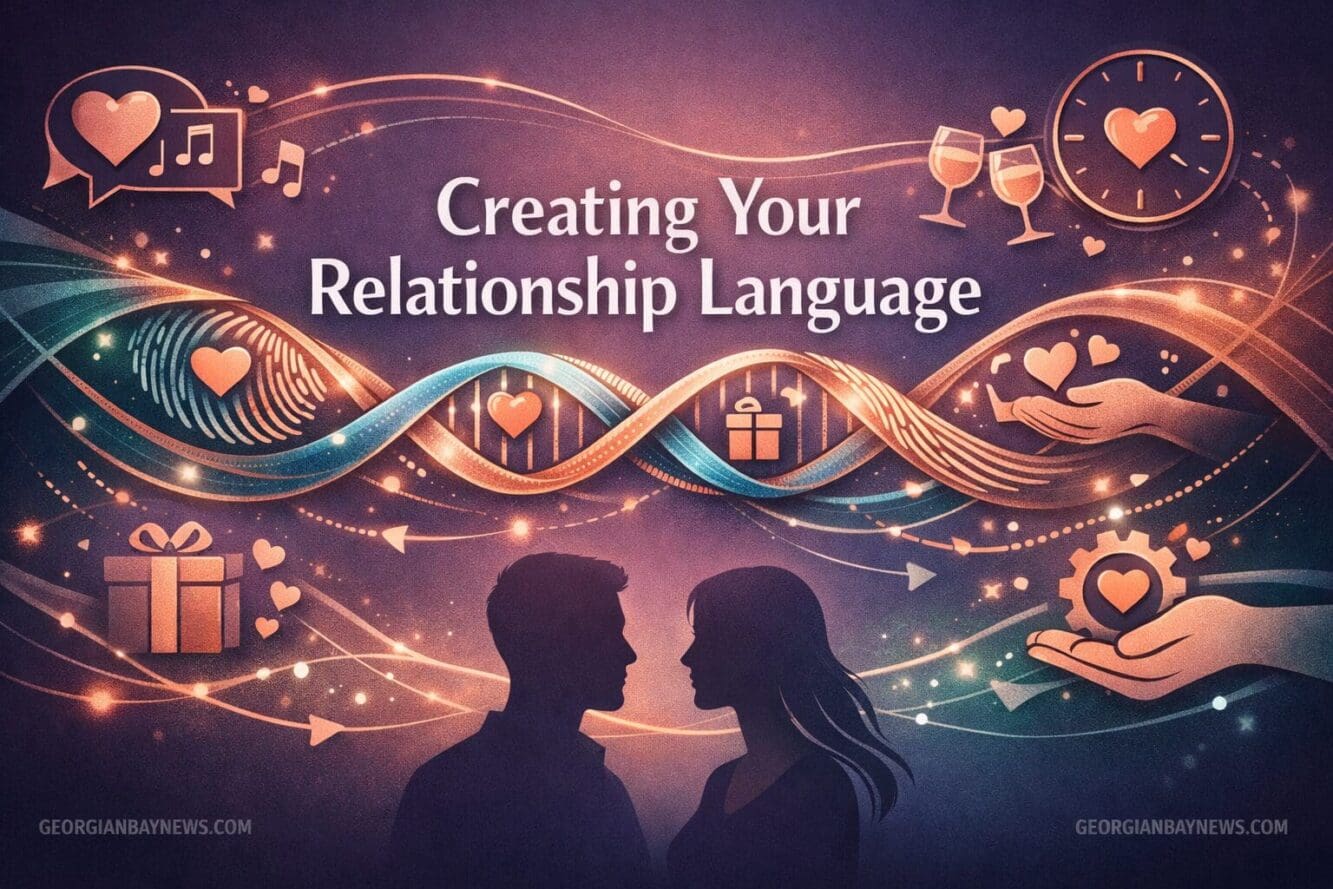
Here’s something crucial that many relationship experts miss: the “language of relationships” is unique to each couple, functioning as a personalized fingerprint that determines how partners authentically hear and understand each other’s expressions of love and appreciation.[5]
What makes your partner feel loved might be completely different from what works for someone else. My colleague feels most appreciated when her husband handles household tasks without being asked. My sister feels loved when her partner plans surprise adventures. There’s no one-size-fits-all approach.
The Five Love Languages Framework
While every relationship is unique, Dr. Gary Chapman’s framework of five love languages provides a helpful starting point:
| Love Language | How It’s Expressed | Example in Action |
|---|---|---|
| Words of Affirmation | Verbal compliments, encouragement, appreciation | “You’re amazing at solving problems” |
| Acts of Service | Doing helpful tasks, easing burdens | Filling the gas tank, cooking dinner |
| Receiving Gifts | Thoughtful presents, tokens of affection | Bringing home favorite snacks |
| Quality Time | Undivided attention, shared experiences | Device-free conversations, date nights |
| Physical Touch | Hugs, kisses, hand-holding, intimacy | Morning cuddles, spontaneous kisses |
Romance and Intimacy: The Vitality Zone
Romance and sexuality prioritization is highlighted as essential to relationship vitality, with sexuality described as creating an “intimacy zone” where emotional and intellectual worlds merge and commitment strengthens.[5]
This doesn’t mean constant grand gestures. It means:
- Maintaining physical intimacy appropriate to your relationship
- Flirting with your long-term partner
- Creating anticipation and excitement
- Being vulnerable and emotionally open
- Prioritizing your romantic connection amid life’s demands
For those recovering from a broken heart or wondering if they’re ready for a serious relationship, understanding these expressions of love helps you recognize healthy patterns when you see them—and create them yourself.
Practical Ways to Discover Your Partner’s Language
🔍 Observe what they request most often – If they frequently ask “Can we talk?” they likely value quality time
🔍 Notice what they complain about – “You never help around the house” suggests acts of service matter
🔍 Watch how they express love to you – People often give love the way they want to receive it
🔍 Have explicit conversations – Simply ask: “What makes you feel most loved?”
🔍 Experiment and get feedback – Try different approaches and check in about what resonates
The Health Benefits of Expressing Love and Appreciation
Here’s something that might surprise you: close relationships protect long-term physical and mental health to a degree comparable to smoking’s impact on mortality, according to decades-long Harvard research.[4] This underscores that expressions of love and appreciation serve both emotional and physiological functions.
In other words, showing appreciation to your partner isn’t just good for your relationship—it’s literally good for your health. The Harvard Study of Adult Development, one of the longest studies of human life ever conducted, found that people in satisfying relationships were happier, healthier, and lived longer than their less-connected peers.[4]
Real-World Impact
When partners consistently express love and appreciation:
- Stress levels decrease for both individuals
- Immune function improves through reduced cortisol
- Mental health stabilizes with lower rates of depression and anxiety
- Conflict resolution improves as positive interactions outweigh negative ones
- Life satisfaction increases across all domains, not just romantic
I’ve seen this firsthand with my parents. After my dad’s heart attack at 62, they made a conscious effort to express appreciation daily. Not only did their relationship improve, but my dad’s recovery exceeded his doctor’s expectations. The cardiologist even noted that strong social support—especially from a spouse—is one of the best predictors of cardiac recovery.
Building Appreciation Habits That Last
Knowing what to do is one thing. Actually doing it consistently is another. In healthy relationships, expressing love and appreciation becomes a habit, not an occasional event.
Daily Practices for 2026 and Beyond
Morning rituals: Start each day with a genuine compliment or expression of gratitude. “I’m grateful you’re in my life” takes five seconds but sets a positive tone.
Gratitude journals: Some couples keep shared journals where they write what they appreciate about each other. Reading these during tough times reminds you why you’re together.
Weekly check-ins: Schedule 20 minutes each week to discuss what made you feel loved and what you need more of. This prevents resentment from building.
Surprise gestures: Randomly do something kind without being asked. The element of surprise amplifies the impact.
Appreciation texts: Send a quick message during the day: “Just thinking about you” or “Thanks for being you.”
Celebrate small wins: Did your partner finally organize the garage? Make a big deal about it. Recognition reinforces positive behaviors.
Overcoming Common Obstacles
“We’re too busy”: Expressing appreciation takes seconds, not hours. A quick hug, a thank-you text, or eye contact during conversation requires minimal time.
“It feels awkward”: Start small. If verbal affirmations feel uncomfortable, try actions first. The more you practice, the more natural it becomes.
“My partner doesn’t reciprocate”: Lead by example. Research shows gratitude creates a positive feedback loop—your expressions often inspire theirs.[1]
“We’re past that honeymoon phase”: Long-term relationships need appreciation more, not less. Familiarity can breed taking each other for granted if you’re not intentional.
“I don’t know what they want”: Ask directly. “How can I show you I appreciate you?” is a perfectly valid question.
For couples facing challenges, understanding when to introduce a partner to family or navigating other relationship milestones, these appreciation practices provide a strong foundation for growth.
Conclusion: The Daily Choice to Love Well
As I write this in 2026, I’m reminded that healthy relationships aren’t built on grand gestures or perfect compatibility. They’re built on thousands of small moments—moments when we choose to notice, appreciate, and express love for the person we’ve committed to.
My neighbor Sarah, who I mentioned at the beginning? She’s in a new relationship now. The difference is striking. She and her new partner have what she calls “appreciation Fridays,” where they each share three specific things they’re grateful for about the other. It sounds simple, almost cheesy. But she’s glowing in a way I never saw in her previous marriage.
The science is clear: expressing gratitude activates biological bonding mechanisms,[1] physical affection strengthens emotional connections,[2] shared laughter creates alignment,[2] and quality time builds intimacy.[3] But beyond the research, there’s a simple truth—everyone wants to feel seen, valued, and appreciated by the person they love.
Your Action Steps Today
- Express one specific appreciation to your partner today (not generic, but specific: “I appreciate how you always ask about my mom’s health”)
- Initiate physical affection without expecting it to lead anywhere sexual
- Put your phone away for at least 30 minutes of quality conversation
- Find something to laugh about together, even if it’s just a silly meme
- Ask your partner: “What’s one way I could show you I appreciate you more?”
The relationships that last aren’t the ones without problems—they’re the ones where partners consistently choose to express love and appreciation despite the problems. In a world that often feels chaotic and disconnected, creating a relationship where both people feel genuinely valued might be the most important work we do.
Start today. Start small. But start. Your relationship—and your health—will thank you for it.
References
[1] Need Love Gratitude Oxytocin Relationship Study – https://grateful.org/resource/need-love-gratitude-oxytocin-relationship-study/
[2] She Studies What Makes Relationships Last – https://www.unc.edu/posts/2023/11/13/she-studies-what-makes-relationships-last/
[3] How To Cultivate Healthy Relationships – https://www.thecenterforconnection.com/how-to-cultivate-healthy-relationships/
[4] Finiding Happiness 1701029076 – https://www.pbssocal.org/shows/newshour/clip/finiding-happiness-1701029076
[5] Advice For Couples In 2026: A Guide To Healthy Relationships. – https://indigodergisi.com/en/2025/12/Advice-for-couples-in-2026:-A-guide-to-healthy-relationships./
Some content and illustrations on GEORGIANBAYNEWS.COM are created with the assistance of AI tools.
GEORGIANBAYNEWS.COM shares video content from YouTube creators under fair use principles. We respect creators’ intellectual property and include direct links to their original videos, channels, and social media platforms whenever we feature their content. This practice supports creators by driving traffic to their platforms.