





















Teens Under Pressure: Mental Health & Social Media Addiction 📱💔
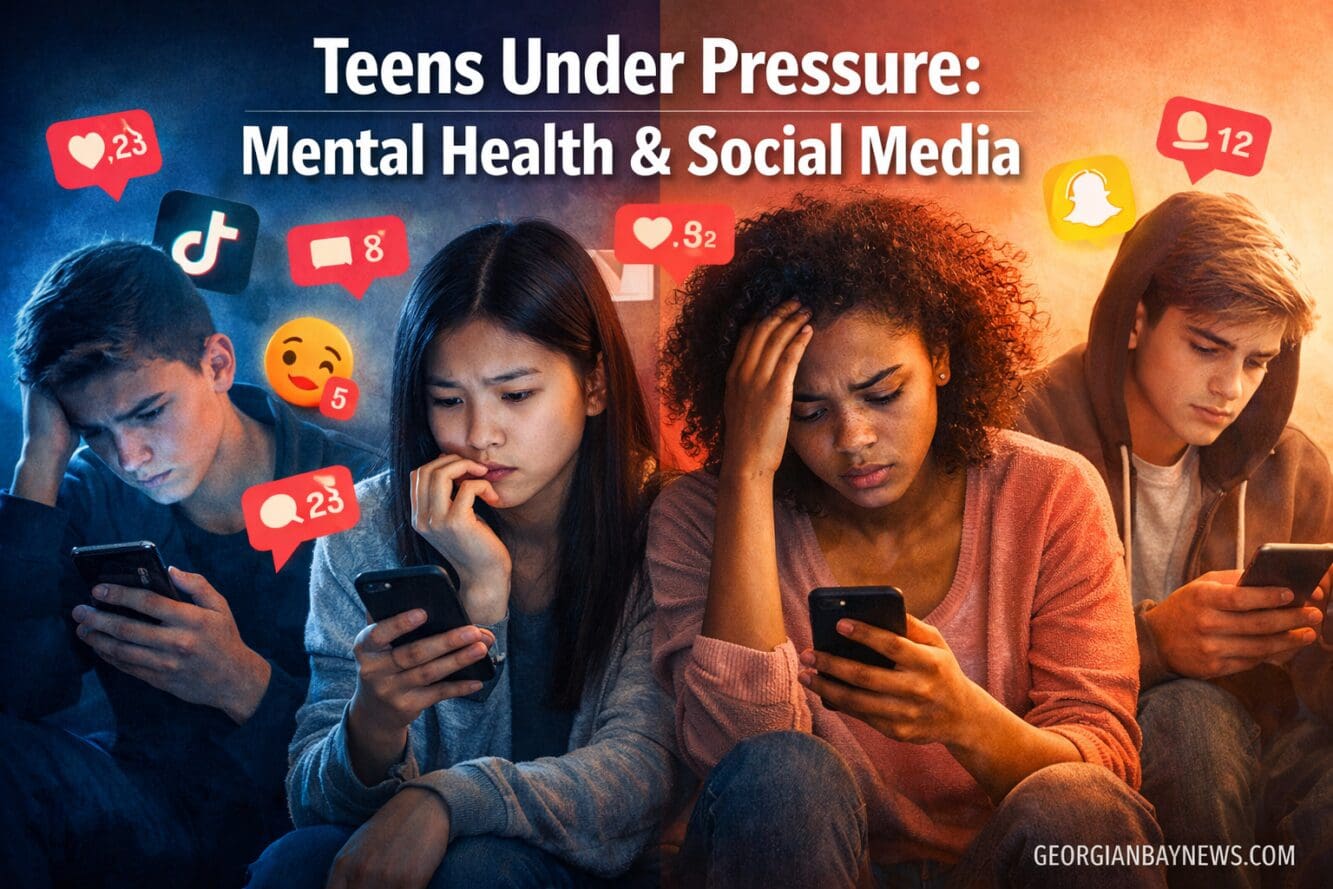
Sixteen-year-old Sarah checks her phone 127 times a day. She scrolls through Instagram before breakfast, during lunch, and long after midnight. Her grades are slipping, she barely sleeps, and she can’t remember the last time she felt truly happy. Sarah isn’t alone—she’s part of a generation facing an unprecedented mental health crisis, with Teens Under Pressure from constant digital connectivity experiencing anxiety and depression at alarming rates.
In 2026, the relationship between social media and teen mental health has reached a critical tipping point. The U.S. Surgeon General has issued formal warnings, research continues to reveal disturbing trends, and parents, educators, and communities worldwide are scrambling for solutions. This isn’t just about screen time—it’s about the fundamental wellbeing of an entire generation.
Key Takeaways 🔑
- Teens spend an average of 4.8 hours daily on social media—exceeding the Surgeon General’s 3-hour high-risk threshold that doubles mental health problems[1]
- 77% of teens report negative body image impacts from curated social media content, while 58% lose sleep due to digital distractions[1]
- Gender disparities are significant: 25% of teen girls say social media hurts their mental health versus only 14% of boys[3]
- Mental health crisis is escalating: 22% of teens seriously considered suicide in 2023, with rates nearly doubling over the past decade[2]
- Actionable solutions exist: Setting boundaries, fostering real-world connections, and seeking professional support can make meaningful differences
The Alarming Statistics: Teens Under Pressure in 2026
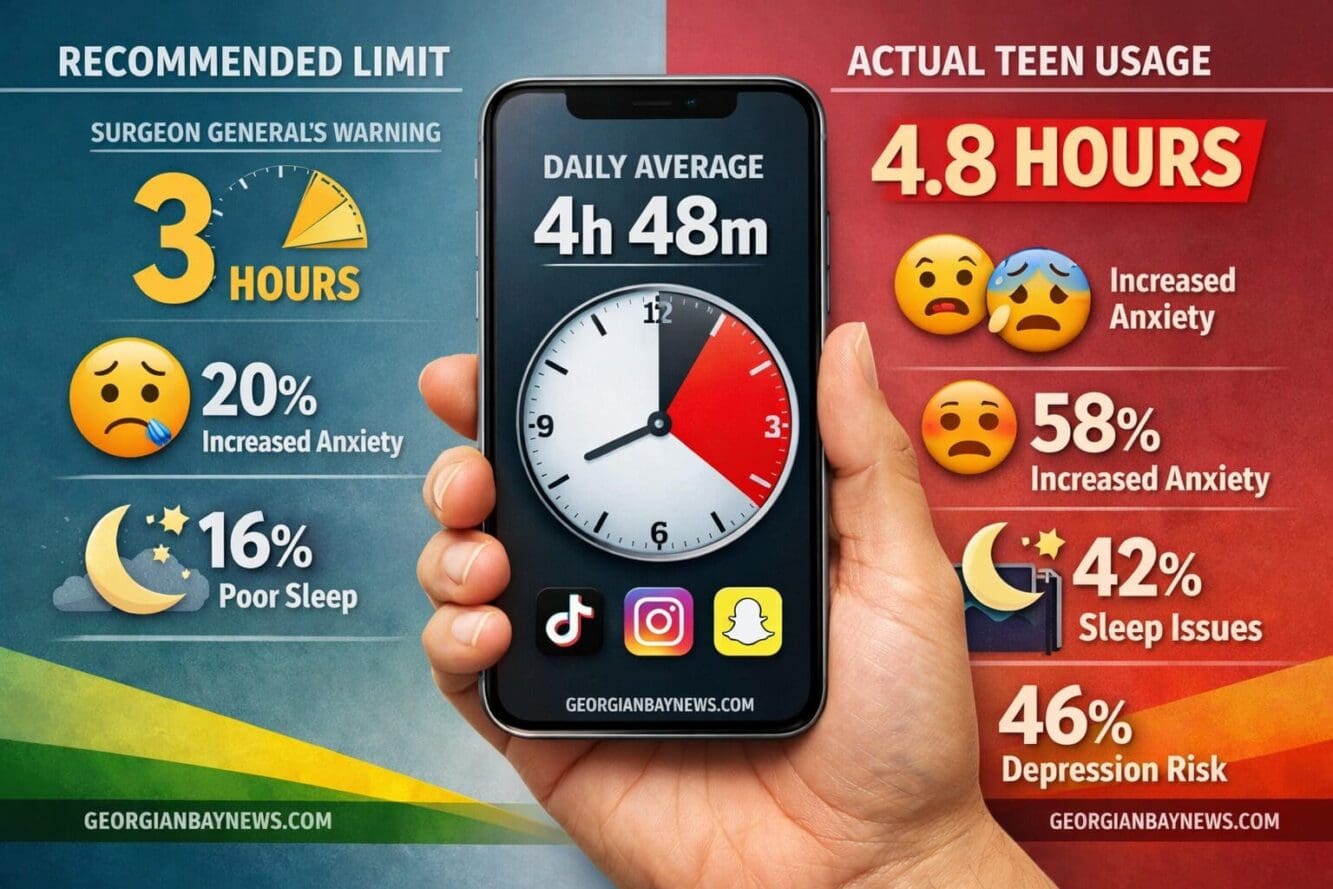
The numbers paint a sobering picture. According to recent data, the average American teenager now spends 4.8 hours per day on social media platforms like TikTok, Instagram, and Snapchat[1]. This exceeds the U.S. Surgeon General’s identified high-risk threshold of 3 hours, at which point teens face double the risk of experiencing poor mental health outcomes including anxiety and depression[1].
But time spent isn’t the only concern. Consider these eye-opening statistics:
| Mental Health Indicator | Percentage | Impact |
|---|---|---|
| Sleep disruption | 58% | Often or sometimes lose sleep due to social media[1] |
| Negative body image | 77% | Report self-esteem damage from curated content[1] |
| Online abuse experienced | 59% | Have personally faced abusive online behaviors[4] |
| Persistent sadness | 40% | High school students report ongoing hopelessness[2] |
| Suicidal ideation | 22% | Seriously considered suicide in 2023[2] |
These aren’t just numbers—they represent real teenagers struggling with mental health challenges that previous generations never faced at this scale.
The Gender Gap in Digital Distress
The impact of social media isn’t distributed equally. Teen girls face significantly higher risks than their male counterparts. Research shows that 25% of teen girls report that social media has hurt their mental health, compared to just 14% of boys[3]. Similarly, sleep disruption affects 50% of girls versus 40% of boys[3].
This disparity likely stems from different usage patterns and the types of content consumed. Girls tend to engage more heavily with appearance-focused platforms and face intense pressure around body image, beauty standards, and social comparison.
How Social Media Creates Mental Health Pressure 🌪️
Understanding how social media impacts teen mental health helps us address the root causes. The mechanisms are complex and interconnected:
The Comparison Trap
Social media creates an endless highlight reel of other people’s “perfect” lives. 77% of teens report that the curated perfection they see negatively impacts their body image and self-esteem[1]. When every post is filtered, edited, and carefully staged, reality can never measure up.
“I know the photos aren’t real, but I still feel terrible about myself when I scroll through Instagram. Everyone looks so happy, so pretty, so successful. I just feel… less than.” — Emma, 15
Sleep Deprivation Spiral
58% of teens report losing sleep due to social media[1]. The blue light from screens disrupts melatonin production, while the emotional stimulation of social interactions keeps the brain alert when it should be winding down. This sleep disruption directly impacts mood regulation, cognitive function, and emotional resilience—creating a vicious cycle where exhausted teens turn to social media for comfort, further disrupting their sleep.
For those interested in holistic wellness approaches, exploring breathing techniques to lower anxiety can complement better sleep hygiene practices.
The Constant Connectivity Crisis
35% of teens report being online “almost constantly” as of 2023[2]. This perpetual connectivity means there’s no true downtime for the brain to process emotions, consolidate memories, or simply rest. The pressure to respond immediately, maintain streaks, and stay relevant creates chronic stress that accumulates over time.
Cyberbullying and Online Abuse
59% of U.S. teens have personally experienced abusive online behaviors, with 42% specifically reporting name-calling[4]. Unlike traditional bullying that ended when you left school, cyberbullying follows teens home, into their bedrooms, and even into their dreams. The anonymity of online platforms often emboldens aggressors while leaving victims feeling isolated and helpless.
The Broader Mental Health Crisis Context 🚨
Social media doesn’t exist in a vacuum. Teens Under Pressure face multiple stressors that compound the digital challenges:
Rising Anxiety and Depression Diagnoses
According to a 2023 National Institute of Health (NIH) report, 16.1% of teens are diagnosed with an anxiety disorder, and 8.4% are diagnosed with depression[2]. These clinical diagnoses represent only the tip of the iceberg—many more teens struggle without formal diagnosis or treatment.
The statistics become even more alarming when examining suicidal ideation: in 2023, 9% of teens attempted suicide and 22% seriously considered it[2]. These rates have nearly doubled compared to a decade ago, coinciding with the rise of smartphone adoption and social media saturation.
The Trauma Factor
Adverse Childhood Experiences (ACEs)—including abuse, neglect, household dysfunction, and trauma—significantly amplify mental health risks. Teens reporting four or more ACEs are 4.6 times more likely to experience depression and 12.2 times more likely to attempt suicide than peers without such experiences[2].
Social media can both exacerbate existing trauma and create new traumatic experiences through cyberbullying, exposure to disturbing content, and social rejection. For teens already struggling with trauma, the digital world becomes another minefield to navigate.
The Perception Gap Problem
Here’s a fascinating contradiction: 48% of teens believe social media has a mostly negative effect on people their age, but only 14% see a mostly negative impact on themselves personally[3]. This perception gap suggests that many teens underestimate their own vulnerability while recognizing the broader problem.
This disconnect makes intervention challenging. How do you convince someone to change behavior when they don’t believe they’re at risk?
What Parents, Educators, and Communities Can Do 🤝
While the challenges are significant, Teens Under Pressure aren’t without hope. Evidence-based strategies can make meaningful differences:
Set Clear Boundaries and Expectations
Establishing household rules around screen time isn’t about control—it’s about protection. Consider:
- No phones in bedrooms overnight (charge devices in a central location)
- Tech-free family meals to encourage genuine connection
- Designated “offline hours” each day for homework, hobbies, and relaxation
- App usage limits built into device settings (3 hours or less daily for social media)
Foster Real-World Connections
Digital relationships can’t fully replace face-to-face human connection. Encourage teens to:
- Join clubs, sports teams, or community organizations
- Volunteer for causes they care about
- Maintain regular in-person time with friends
- Develop hobbies that don’t involve screens
Communities can support this by creating accessible, teen-friendly spaces and programs. The healthcare professionals who work with teens can play crucial roles in identifying at-risk youth and connecting them with resources.
Model Healthy Digital Habits
Parents and educators must examine their own relationships with technology. Teens notice when adults are constantly checking phones, scrolling during conversations, or choosing screens over presence. Modeling balanced technology use teaches more effectively than any lecture.
Recognize Warning Signs
Learn to identify signs of mental health struggles:
- Withdrawal from previously enjoyed activities
- Sleep changes (too much or too little)
- Mood swings or persistent sadness
- Academic decline or loss of focus
- Physical symptoms (headaches, stomach issues)
- Increased secrecy about online activities
Early intervention can prevent crisis situations. Don’t hesitate to seek professional mental health support when concerns arise.
Advocate for Systemic Change
Individual actions matter, but systemic solutions are essential. Support:
- Age-appropriate design standards for social media platforms
- Digital literacy education in schools
- Mental health resources accessible to all teens
- Research funding to better understand long-term impacts
- Policy changes that prioritize teen wellbeing over corporate profits
The Growing Awareness Among Teens 🌱
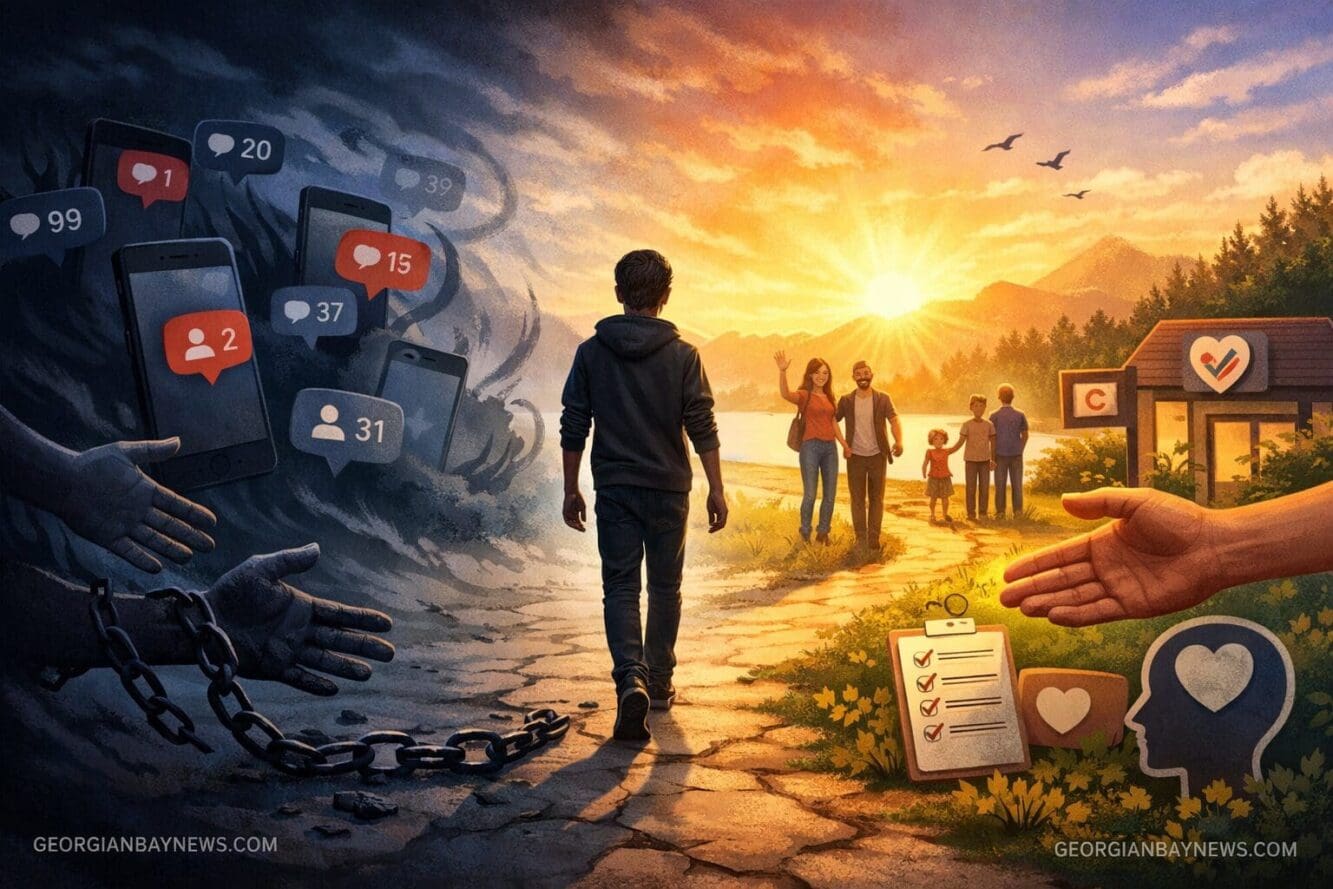
There’s a silver lining in the data: 45% of teens now say they spend too much time on social media, up from 36% in 2022[3]. This growing self-awareness represents an important shift. Teens aren’t passive victims—many recognize the problem and want solutions.
This awareness creates opportunities for meaningful conversations. When teens themselves acknowledge excessive usage, they’re more receptive to strategies for change. Parents and educators can build on this foundation, working with teens rather than imposing restrictions on them.
Teen-Led Solutions
Some of the most innovative approaches come from teens themselves:
- Digital detox challenges organized among friend groups
- “Dumb phone” movements where teens switch to basic devices
- App-free days designated weekly or monthly
- Accountability partnerships where friends support each other’s goals
- Creative alternatives like journaling, art, music, or sports
When teens take ownership of solutions, they’re more likely to sustain positive changes long-term.
Looking Forward: Hope for Teens Under Pressure 💪
The mental health crisis facing today’s teenagers is real, urgent, and deeply concerning. But it’s not insurmountable. With awareness, intention, and collective action, we can create healthier digital environments and support systems for young people.
The conversation has shifted from whether social media impacts teen mental health to how we address those impacts. Researchers, policymakers, tech companies, educators, parents, and teens themselves all have roles to play.
Progress requires:
✅ Evidence-based policies that protect teens without stifling beneficial technology use
✅ Comprehensive mental health support accessible to all young people
✅ Digital literacy education that empowers informed choices
✅ Platform accountability for design features that exploit vulnerabilities
✅ Community support that prioritizes genuine connection over digital metrics
Conclusion: Taking Action Today 🎯
Teens Under Pressure from social media and mental health challenges need support, not judgment. They need boundaries, not bans. They need understanding, not lectures. Most importantly, they need adults who recognize the unprecedented nature of their struggles and commit to being part of the solution.
Your Next Steps:
If you’re a parent or guardian:
- Have an honest conversation with your teen about their social media use
- Establish clear, reasonable boundaries together
- Model healthy digital habits in your own life
- Stay informed about platforms and trends
- Seek professional help if you notice warning signs
If you’re an educator:
- Integrate digital literacy and mental health awareness into curriculum
- Create phone-free zones and times in your classroom
- Watch for signs of distress in students
- Connect struggling students with school counselors
- Advocate for comprehensive mental health resources
If you’re a teen:
- Track your actual screen time honestly
- Identify triggers that worsen your mood
- Set personal boundaries (even if friends don’t)
- Cultivate offline interests and relationships
- Talk to trusted adults when you’re struggling
If you’re a community leader:
- Support mental health funding and programs
- Create teen-friendly spaces for offline connection
- Advocate for evidence-based policies
- Partner with schools and families
- Amplify teen voices in decision-making
The path forward requires collective effort. Every conversation started, every boundary set, every teen supported makes a difference. The statistics are alarming, but they’re not destiny. With awareness, compassion, and action, we can help this generation thrive—both online and off.
Remember: Teens Under Pressure need our support now more than ever. The time for action is today.
References
[1] Teen Mental Health Statistics – https://huntingtonpsych.com/blog/teen-mental-health-statistics
[2] Trauma Social Media Teen Mental Health – https://www.rtor.org/2025/11/13/trauma-social-media-teen-mental-health/
[3] Teens Social Media And Mental Health – https://www.pewresearch.org/internet/2025/04/22/teens-social-media-and-mental-health/
[4] Social Media And Youth Mental Health – https://mhanational.org/resources/social-media-and-youth-mental-health/
Some content and illustrations on GEORGIANBAYNEWS.COM are created with the assistance of AI tools.
GEORGIANBAYNEWS.COM shares video content from YouTube creators under fair use principles. We respect creators’ intellectual property and include direct links to their original videos, channels, and social media platforms whenever we feature their content. This practice supports creators by driving traffic to their platforms.