



















AI-Designed Molecules for Cancer: Pancreatic and Chemotherapy Enhancements in 2026
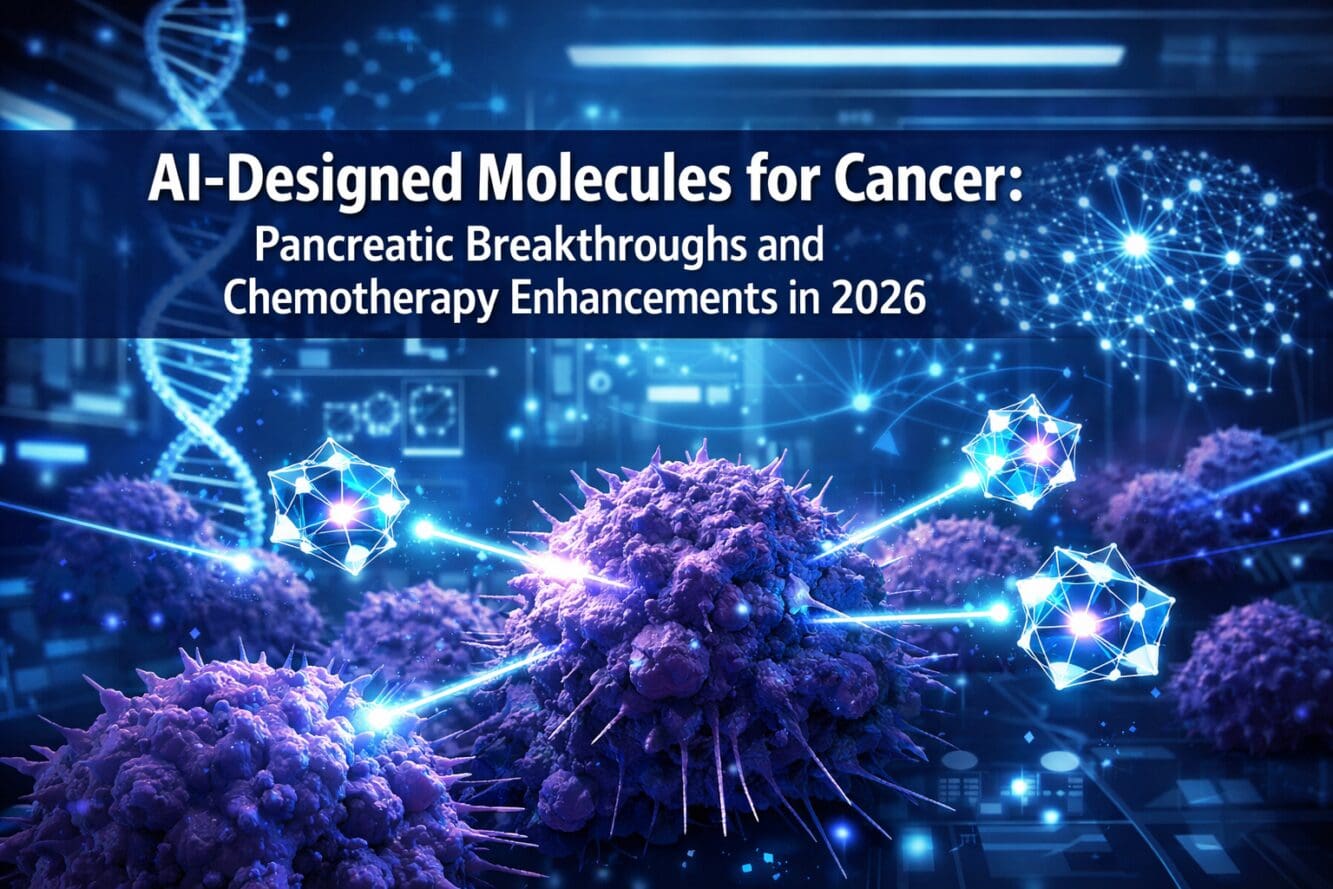
In the fight against one of medicine’s most formidable opponents, artificial intelligence is emerging as an unexpected ally. Pancreatic cancer, long considered one of the deadliest malignancies with a five-year survival rate hovering around 12%, is finally facing a new generation of weapons designed not by human intuition alone, but by sophisticated AI algorithms capable of analyzing millions of molecular combinations in mere hours. As we navigate through 2026, the landscape of cancer treatment is transforming dramatically, with AI-designed molecules for cancer: pancreatic breakthroughs and chemotherapy enhancements in 2026 leading a revolution that promises to change outcomes for thousands of patients worldwide.
The convergence of artificial intelligence and molecular biology has accelerated the discovery of targeted therapies that address the fundamental challenge of pancreatic cancer: tumor resistance. Unlike traditional chemotherapy that often fails as cancer cells develop survival mechanisms, these AI-generated compounds are engineered to anticipate and overcome resistance patterns before they emerge. This represents not just an incremental improvement, but a paradigm shift in how oncologists approach treatment planning and patient care.
Key Takeaways
- 🧬 AI-designed triple-drug combinations (RMC-6236, Afatinib, and SD36) have demonstrated tumor regression in pancreatic cancer by simultaneously targeting KRAS mutations, EGFR pathways, and STAT3 proteins
- 🎯 Machine learning algorithms are accelerating drug discovery timelines from years to months, identifying molecular compounds that overcome chemotherapy resistance
- 📊 Clinical trials in 2026 are showing promising results with AI-enhanced precision medicine approaches that personalize treatment based on individual tumor genetics
- 💊 Combination therapies designed through AI modeling are proving more effective than single-agent treatments by blocking multiple resistance pathways simultaneously
- 🔬 Data-driven research consortiums like PRECEDE are leveraging patient information and AI technology to transform pancreatic cancer outcomes
Understanding the Pancreatic Cancer Challenge
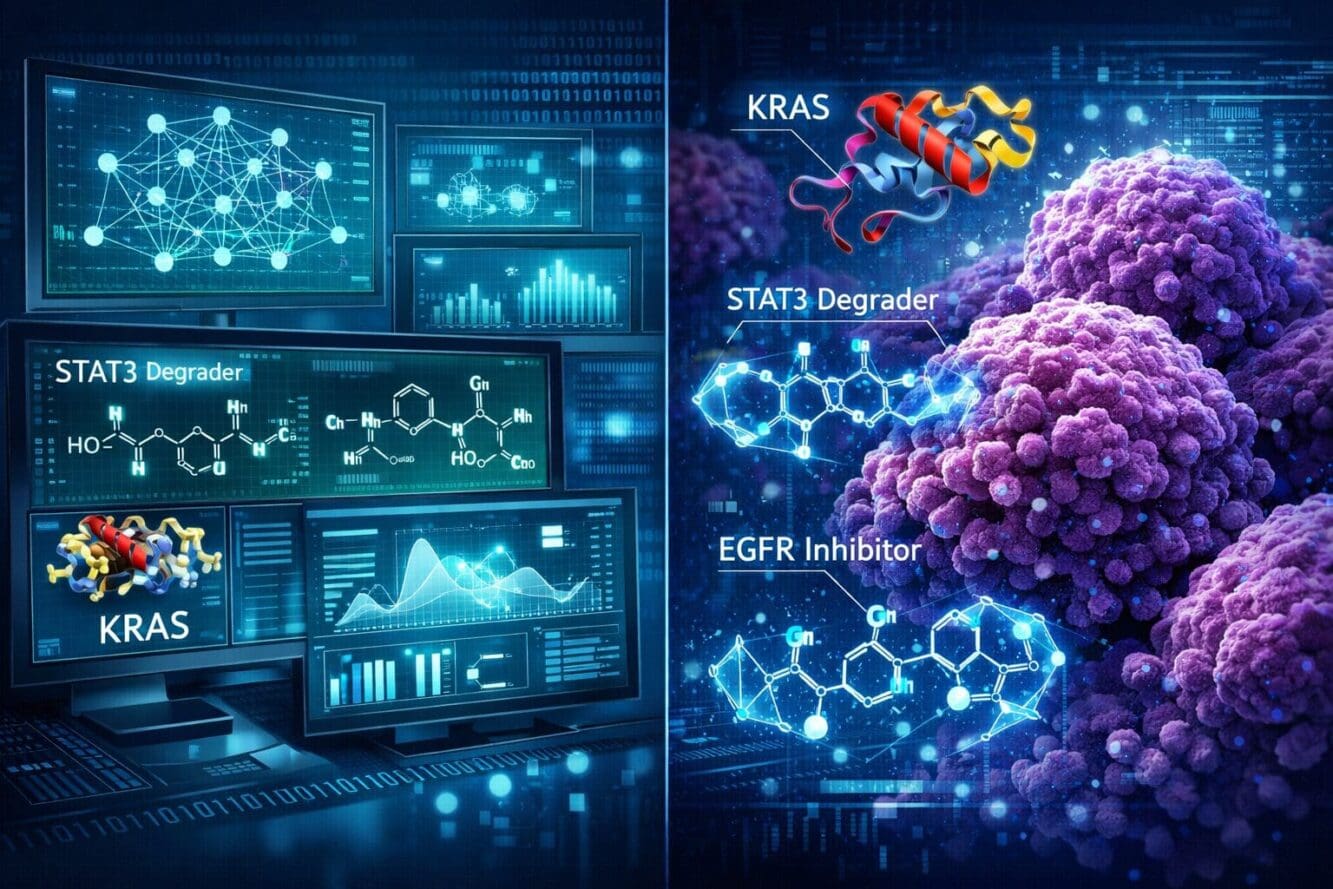
Pancreatic cancer presents unique obstacles that have frustrated researchers for decades. Located deep within the abdomen, the pancreas is difficult to image effectively, leading to late-stage diagnoses when treatment options are severely limited. The disease is characterized by aggressive growth patterns, early metastasis, and a remarkable ability to resist conventional chemotherapy.
Why Traditional Treatments Fall Short
The primary challenge lies in tumor heterogeneity and adaptive resistance. Pancreatic tumors contain diverse cell populations, each potentially responding differently to treatment. When chemotherapy eliminates susceptible cells, resistant variants survive and proliferate, leading to treatment failure. This evolutionary process happens rapidly, often within weeks of starting therapy.
Traditional drug development relied on testing compounds one at a time, a process that could take 10-15 years and cost billions of dollars. By the time a promising drug reached patients, cancer cells had often already developed resistance mechanisms. The pharmaceutical industry needed a faster, smarter approach—and artificial intelligence provided the answer.
The Role of Genetic Mutations
Approximately 90% of pancreatic cancers harbor mutations in the KRAS gene, which drives uncontrolled cell growth [1]. Additional mutations in genes controlling cell signaling pathways like EGFR (epidermal growth factor receptor) and STAT3 (signal transducer and activator of transcription 3) create a complex web of survival mechanisms. Targeting just one pathway allows cancer cells to activate alternative routes, circumventing treatment.
This biological complexity demanded a multi-pronged approach—something human researchers struggled to design but AI excels at optimizing.
AI-Designed Molecules for Cancer: Pancreatic Breakthroughs and Chemotherapy Enhancements in 2026 Through Triple-Drug Combinations
The most significant advancement in AI-designed molecules for cancer: pancreatic breakthroughs and chemotherapy enhancements in 2026 comes from research demonstrating that triple-drug combinations can effectively block tumor resistance. Scientists have identified a powerful trio of compounds that work synergistically to attack pancreatic cancer from multiple angles simultaneously [2][3].
The Breakthrough Triple Therapy
The combination consists of three distinct molecules, each targeting a critical pathway:
| Drug Component | Target | Mechanism of Action |
|---|---|---|
| RMC-6236 (daraxonrasib) | KRAS G12C mutation | Directly inhibits mutant KRAS protein, blocking primary cancer driver |
| Afatinib | EGFR family receptors | Prevents compensatory signaling through alternative growth pathways |
| SD36 | STAT3 protein | Degrades STAT3, eliminating survival signals and inflammation responses |
This strategic combination addresses the fundamental problem of adaptive resistance. When RMC-6236 blocks KRAS signaling, cancer cells attempt to survive by upregulating EGFR pathways—but Afatinib is already there, blocking that escape route. Similarly, SD36 prevents the inflammatory responses that help tumors survive under stress [3].
Evidence from Preclinical Studies
Research published in early 2026 demonstrated remarkable results in mouse models. The triple-drug combination achieved tumor regression in pancreatic cancer xenografts, with some animals showing complete responses [2][6]. Importantly, the treatment prevented the emergence of resistant cell populations that typically doom single-agent therapies.
The study found that while each drug showed modest activity alone, the combination produced synergistic effects—the whole was greater than the sum of its parts. Tumor growth halted within days of treatment initiation, and sustained regression occurred over weeks [6][8].
“This represents a fundamental shift in how we approach pancreatic cancer treatment. By using AI to predict resistance mechanisms before they occur, we can design combinations that stay ahead of the tumor’s evolutionary strategies.” – Research team statement [2]
How AI Accelerates the Therapeutic Pipeline
The development of these breakthrough combinations wouldn’t have been possible without artificial intelligence transforming every stage of drug discovery. The integration of AI and machine learning into pharmaceutical research has compressed timelines and expanded possibilities exponentially.
Machine Learning in Molecular Design
AI algorithms can analyze vast databases of chemical compounds, protein structures, and biological pathways to identify promising drug candidates. Deep learning models trained on millions of molecular interactions can predict how new compounds will behave in biological systems before a single experiment is conducted [1].
The process works through several stages:
- Target Identification: AI analyzes genomic data from thousands of pancreatic cancer patients to identify the most critical molecular targets
- Compound Screening: Machine learning algorithms evaluate millions of potential drug molecules, predicting their binding affinity and selectivity
- Optimization: AI refines molecular structures to improve efficacy, reduce toxicity, and enhance drug-like properties
- Combination Prediction: Advanced algorithms model how different drugs will interact, identifying synergistic combinations
This approach reduces the time from target identification to clinical candidate from years to months [1]. What once required extensive laboratory screening can now be accomplished through computational modeling, with only the most promising candidates advancing to experimental validation.
Predicting Resistance Mechanisms
Perhaps the most valuable contribution of AI is its ability to anticipate resistance before it emerges clinically. By analyzing how cancer cells respond to treatment pressure in silico, algorithms can identify potential escape mechanisms and suggest complementary drugs to block them [5].
This predictive capability enabled researchers to design the triple-drug combination proactively rather than reactively. Instead of waiting for patients to develop resistance and then searching for solutions, the AI-designed approach built resistance prevention into the initial treatment strategy.
Data Integration and Pattern Recognition
Modern AI systems can integrate diverse data types that human researchers struggle to synthesize:
- 📊 Genomic sequencing data from tumor biopsies
- 🔬 Proteomic profiles showing protein expression patterns
- 📈 Clinical outcomes from thousands of previous patients
- 🧪 Laboratory results from cell culture and animal studies
- 📚 Published research spanning decades of cancer biology
By identifying patterns across these datasets, AI reveals connections that might otherwise remain hidden. The AI job market has expanded significantly to support these computational biology initiatives, with bioinformaticians and machine learning specialists becoming essential members of research teams.
Clinical Translation: From Laboratory to Patient Care
The transition from promising preclinical results to effective patient treatments represents the critical next phase for AI-designed molecules for cancer: pancreatic breakthroughs and chemotherapy enhancements in 2026. Several initiatives are working to accelerate this translation.
The PRECEDE Consortium
One of the most ambitious efforts is the PRECEDE (Precision Medicine for Pancreatic Cancer) Consortium, which brings together leading cancer centers, pharmaceutical companies, and technology firms [10]. This collaboration aims to:
- Establish standardized protocols for genomic profiling of pancreatic tumors
- Create comprehensive databases linking molecular characteristics to treatment outcomes
- Accelerate clinical trials of AI-identified drug combinations
- Develop decision-support tools for oncologists
The consortium leverages patient data to continuously refine AI models, creating a feedback loop that improves predictions with each new case [5][10]. This approach exemplifies how precision medicine is evolving from a concept to clinical reality.
Personalized Treatment Selection
AI algorithms are now helping oncologists select optimal treatment regimens for individual patients based on their tumor’s molecular profile. By analyzing genetic mutations, protein expression patterns, and other biomarkers, these systems can predict which drug combinations will be most effective [7].
A patient whose tumor shows high KRAS G12C mutation burden, elevated EGFR signaling, and active STAT3 pathways would be an ideal candidate for the triple-drug combination. Conversely, patients with different molecular signatures might benefit from alternative AI-designed regimens targeting their specific vulnerabilities.
This personalized approach represents a dramatic departure from the one-size-fits-all chemotherapy protocols that dominated oncology for decades. Early results suggest that matched therapy based on molecular profiling significantly improves response rates and progression-free survival [4][7].
Current Clinical Trials
As of 2026, several clinical trials are evaluating AI-designed drug combinations for pancreatic cancer:
- Phase I/II trials of RMC-6236 in combination with EGFR inhibitors are assessing safety and preliminary efficacy in patients with KRAS-mutant tumors
- Basket trials are testing STAT3 degraders across multiple cancer types, including pancreatic adenocarcinoma
- Adaptive trial designs use real-time data analysis to optimize dosing and identify biomarkers predicting response
These studies incorporate AI-powered monitoring systems that analyze patient responses continuously, allowing for rapid protocol adjustments [9]. This adaptive approach accelerates learning and improves outcomes compared to traditional rigid trial designs.
AI-Designed Molecules for Cancer: Pancreatic Breakthroughs and Chemotherapy Enhancements in 2026 Beyond Pancreatic Cancer
While pancreatic cancer has been a primary focus, the principles underlying AI-designed molecules for cancer: pancreatic breakthroughs and chemotherapy enhancements in 2026 are applicable across oncology. The same computational approaches are yielding promising results in other difficult-to-treat malignancies.
Broader Oncology Applications
Lung cancer: AI has identified novel combinations targeting EGFR mutations and resistance mechanisms, with afatinib (one component of the pancreatic cancer triple therapy) already FDA-approved for certain lung cancer subtypes [3].
Colorectal cancer: Machine learning algorithms are designing molecules that overcome resistance to anti-EGFR antibodies, a common problem in metastatic disease.
Glioblastoma: AI-designed compounds that cross the blood-brain barrier are entering trials for this aggressive brain tumor.
Ovarian cancer: Computational models are identifying synthetic lethal combinations that exploit DNA repair deficiencies.
The success in pancreatic cancer provides a roadmap for these other applications. The methodology—comprehensive molecular profiling, AI-powered drug design, multi-targeted combinations, and adaptive clinical trials—is becoming the new standard across cancer research [9].
Immunotherapy Enhancement
AI is also optimizing immunotherapy approaches by predicting which patients will respond to checkpoint inhibitors and designing combination regimens that overcome immunosuppressive tumor microenvironments. For pancreatic cancer, which typically responds poorly to immunotherapy alone, AI-designed combinations pairing targeted therapy with immune activation show particular promise [4].
Reducing Treatment Toxicity
An often-overlooked benefit of AI-designed precision medicine is the potential to reduce side effects. By targeting cancer-specific vulnerabilities rather than broadly attacking all rapidly dividing cells, these therapies can spare healthy tissues. AI models optimize dosing schedules to maximize tumor kill while minimizing toxicity, improving patients’ quality of life during treatment [7].
Challenges and Limitations
Despite remarkable progress, AI-designed molecules for cancer: pancreatic breakthroughs and chemotherapy enhancements in 2026 face several challenges that must be addressed for widespread implementation.
Data Quality and Availability
AI algorithms are only as good as the data they’re trained on. Incomplete or biased datasets can lead to suboptimal predictions. Pancreatic cancer research has historically been underfunded compared to more common malignancies, resulting in smaller patient cohorts and less comprehensive molecular data [4].
Efforts to establish large-scale biobanks and standardized data collection protocols are addressing this limitation, but significant work remains. Ensuring diverse patient representation in training datasets is crucial for developing treatments that work across different populations.
Validation Requirements
Computational predictions must be rigorously validated through laboratory experiments and clinical trials. While AI dramatically accelerates the discovery phase, the regulatory pathway for new drugs remains lengthy and expensive. Demonstrating safety and efficacy in human patients cannot be rushed, even when preclinical data are compelling [9].
Access and Equity
Advanced AI-designed therapies may be expensive, at least initially, raising concerns about healthcare equity. Ensuring that breakthrough treatments reach all patients who could benefit, regardless of socioeconomic status or geographic location, represents a significant challenge for healthcare systems worldwide.
Tumor Complexity
Even the most sophisticated AI models are simplifications of biological reality. Pancreatic tumors exist within complex microenvironments involving immune cells, blood vessels, and supportive tissues. Emergent properties of these systems may not be fully captured by current computational approaches, potentially limiting treatment effectiveness [5].
The Future Landscape: What’s Next for AI in Cancer Treatment
Looking beyond 2026, the trajectory of AI-designed molecules for cancer suggests even more transformative developments on the horizon.
Real-Time Adaptive Therapy
Future systems may enable dynamic treatment adjustment based on continuous monitoring of circulating tumor DNA and other biomarkers. As cancer cells evolve during treatment, AI algorithms could recommend real-time modifications to drug combinations, staying perpetually ahead of resistance [5].
Multi-Omics Integration
Next-generation AI will integrate genomics, proteomics, metabolomics, and other “omics” data to create comprehensive models of tumor biology. This systems-level understanding will reveal therapeutic vulnerabilities invisible to single-data-type analysis.
Automated Drug Design
Emerging generative AI models can design entirely novel molecular structures optimized for specific therapeutic goals. Rather than screening existing compound libraries, these systems create de novo molecules with desired properties, potentially discovering drug classes that human chemists never imagined [1].
Prevention and Early Detection
AI is also being applied to cancer prevention and early detection. Algorithms analyzing routine medical imaging, blood tests, and electronic health records can identify high-risk individuals and detect pancreatic cancer at earlier, more treatable stages [5].
Global Collaboration
International research networks are sharing data and computational resources to accelerate progress. These collaborations leverage diverse patient populations and expertise, ensuring that AI-designed therapies are optimized for global effectiveness rather than specific subgroups.
Patient Perspectives and Quality of Life
While scientific advances are exciting, the ultimate measure of success is improved outcomes and quality of life for patients facing pancreatic cancer diagnoses.
Hope and Realistic Expectations
The breakthroughs in AI-designed molecules for cancer: pancreatic breakthroughs and chemotherapy enhancements in 2026 offer genuine hope, but patients and families should maintain realistic expectations. These treatments are still in early stages, and not all patients will respond equally well.
However, the trajectory is undeniably positive. Survival rates are beginning to improve, and new treatment options are emerging at an unprecedented pace [4]. Patients diagnosed today have access to therapies that didn’t exist even two years ago.
Improved Treatment Tolerability
AI-optimized regimens often produce fewer side effects than traditional chemotherapy, allowing patients to maintain better quality of life during treatment. Precision dosing and targeted mechanisms reduce damage to healthy tissues, minimizing nausea, fatigue, and other debilitating symptoms [7].
Participation in Clinical Trials
Patients interested in accessing cutting-edge AI-designed therapies should discuss clinical trial participation with their oncology teams. Many trials are actively recruiting, and participation contributes to the research that will help future patients [10].
Conclusion: A New Era in Cancer Treatment
The emergence of AI-designed molecules for cancer: pancreatic breakthroughs and chemotherapy enhancements in 2026 represents more than incremental progress—it signals a fundamental transformation in how humanity confronts one of its most formidable health challenges. By harnessing the computational power of artificial intelligence to design multi-targeted therapies that anticipate and overcome resistance, researchers are finally gaining ground against pancreatic cancer’s notorious lethality.
The triple-drug combination of RMC-6236, Afatinib, and SD36 exemplifies this new paradigm: precision-designed, resistance-aware, and synergistic. Early results showing tumor regression in preclinical models provide tangible evidence that these approaches work, while ongoing clinical trials will determine their effectiveness in human patients.
Beyond pancreatic cancer specifically, the methodologies and technologies being refined in this fight are applicable across oncology. The integration of machine learning into drug discovery, the establishment of comprehensive data-sharing consortiums, and the shift toward personalized combination therapies will benefit patients with many cancer types.
Actionable Next Steps
For patients and families:
- 🏥 Discuss molecular profiling of tumors with your oncology team to identify potential targeted therapy options
- 📋 Ask about clinical trials evaluating AI-designed drug combinations
- 🔍 Seek care at centers participating in precision medicine initiatives like PRECEDE
- 💬 Connect with patient advocacy organizations for information about emerging treatments
For healthcare providers:
- 📊 Implement comprehensive genomic testing for pancreatic cancer patients
- 🤝 Participate in data-sharing consortiums to improve AI algorithms
- 📚 Stay informed about emerging AI-designed therapies entering clinical trials
- 🎯 Consider referring appropriate patients to specialized centers offering precision oncology
For researchers and policymakers:
- 💰 Increase funding for pancreatic cancer research and AI-driven drug discovery
- 🌐 Support data standardization and sharing initiatives
- ⚖️ Develop regulatory frameworks that accelerate safe deployment of AI-designed therapies
- 🤲 Address equity concerns to ensure breakthrough treatments reach all patients
The convergence of artificial intelligence and cancer biology is ushering in an era of unprecedented opportunity. While challenges remain, the progress achieved in just the past few years suggests that pancreatic cancer’s reign as one of medicine’s deadliest diagnoses may finally be coming to an end. As we move through 2026 and beyond, continued investment in AI-powered research, clinical translation, and equitable access will determine how quickly these breakthroughs transform from laboratory discoveries into lives saved.
References
[1] Pancreatic Cancer Ai Accelerates Therapeutic Pipeline – https://www.aicerts.ai/news/pancreatic-cancer-ai-accelerates-therapeutic-pipeline/
[2] Scientists Achieve Pancreatic Tumour Regression In Breakthrough Study – https://www.euronews.com/health/2026/01/28/scientists-achieve-pancreatic-tumour-regression-in-breakthrough-study
[3] Drug Trio Found To Block Tumour Resistance In Pancreatic Cancer – https://www.drugtargetreview.com/news/192714/drug-trio-found-to-block-tumour-resistance-in-pancreatic-cancer/
[4] Research Spotlight A Look Ahead At Pancreatic Cancer In 2026 – https://pancan.org/news/research-spotlight/research-spotlight-a-look-ahead-at-pancreatic-cancer-in-2026/
[5] Harnessing Ai And Patient Data To Transform Pancreatic Cancer Research – https://www.curetoday.com/view/harnessing-ai-and-patient-data-to-transform-pancreatic-cancer-research
[6] New Triple Drug Treatment Stops Pancreatic Cancer In Its Tracks A Mouse Study Finds – https://www.livescience.com/health/cancer/new-triple-drug-treatment-stops-pancreatic-cancer-in-its-tracks-a-mouse-study-finds
[7] Marseille Researchers Personalized Medicine Pancreatic Cancer – https://civis.eu/ro/the-civis-newsroom/marseille-researchers-personalized-medicine-pancreatic-cancer
[8] sciencedaily – https://www.sciencedaily.com/releases/2026/01/260129080432.htm
[9] Experts Forecast Cancer Research And Treatment Advances In 2026 – https://www.aacr.org/blog/2026/01/08/experts-forecast-cancer-research-and-treatment-advances-in-2026/
[10] Collaboration Will Advance Pancreatic Cancer Care The Precede Consortium – https://www.cancernetwork.com/view/collaboration-will-advance-pancreatic-cancer-care-the-precede-consortium
Some content and illustrations on GEORGIANBAYNEWS.COM are created with the assistance of AI tools.
GEORGIANBAYNEWS.COM shares video content from YouTube creators under fair use principles. We respect creators’ intellectual property and include direct links to their original videos, channels, and social media platforms whenever we feature their content. This practice supports creators by driving traffic to their platforms.