




















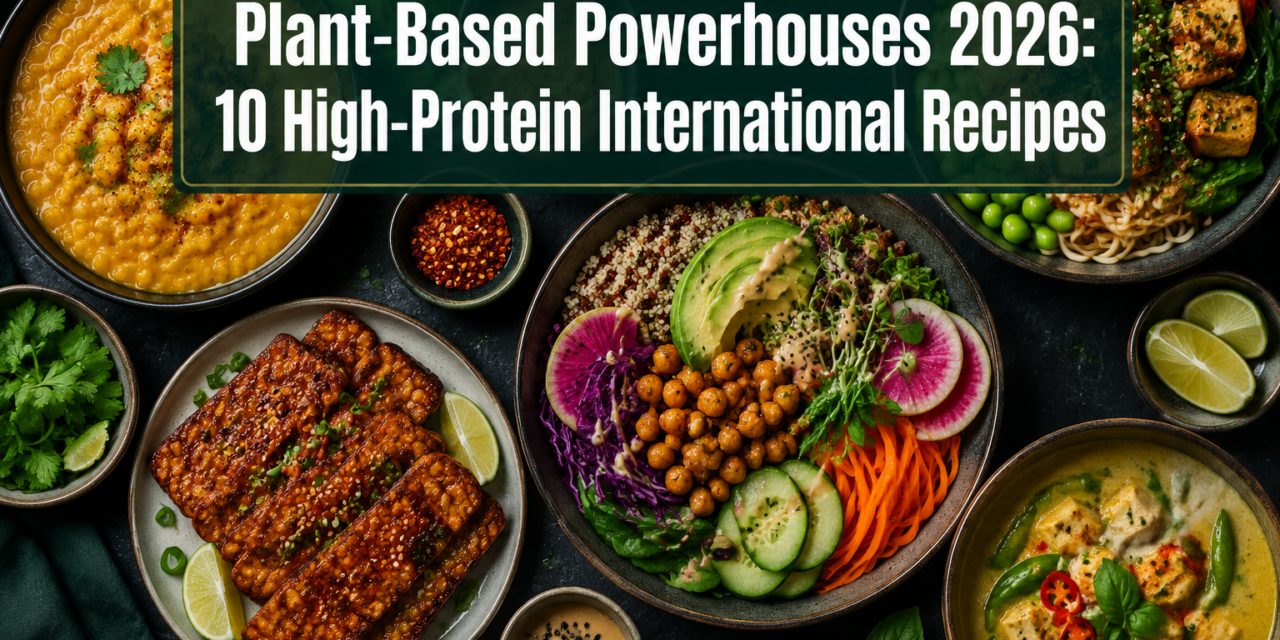
🥰 Plant-Based Powerhouses for 2026: 10 High-Protein International Recipes from Lentils to Tempeh
Globally, the plant-based food market is projected to surpass $95 billion by 2029 — and the real driver isn’t impossible burgers or lab-grown novelties. It’s humble, ancient ingredients like lentils, tempeh, and legumes, now reimagined through international cuisines and served with 20–30 grams of protein per plate. [1] This guide to Plant-Based Powerhouses for 2026: 10 High-Protein International Recipes from Lentils to Tempeh delivers exactly that: globally inspired, nutritionally optimized meals that rival meat in satisfaction and macros.
Key Takeaways 🌿
- Plant-based meals can hit 20–40g of protein per serving using lentils, tempeh, tofu, and legumes [2]
- At least 8 international cuisines are represented in 2026’s top plant-based recipe collections [1]
- YouTube texture-building demos are transforming how home cooks master tempeh, tofu, and seitan techniques [7]
- Complete proteins are achievable without meat by pairing or selecting the right plant ingredients [3]
- Mainstream media, including Good Morning America, now regularly features plant-based high-protein recipes [5]
Why 2026 Is the Year of the Protein-Rich Plant-Based Plate
The old myth that plant-based eating means protein sacrifice is officially dead. In 2026, recipe developers and nutrition scientists are publishing collections specifically targeting 20 to 40 grams of protein per meal, using whole grains, legumes, tofu, tempeh, and seitan as the backbone. [2]
💬 “Complete proteins are no longer exclusive to meat — the right plant combinations deliver every essential amino acid your body needs.” [3]
What’s changed is the global lens. Ethiopian lentil stews, Swedish pea soups, Greek gigantes beans, and Indian-spiced lentil Wellingtons are all appearing in 2026’s top-rated plant-based collections. [1] These aren’t fusion experiments — they’re traditional cuisines that have always been protein-dense and plant-forward.
For readers interested in local food culture and seasonal eating, sourcing lentils, beans, and tempeh from nearby markets makes these recipes even more impactful.
Plant-Based Powerhouses for 2026: The 10 High-Protein International Recipes
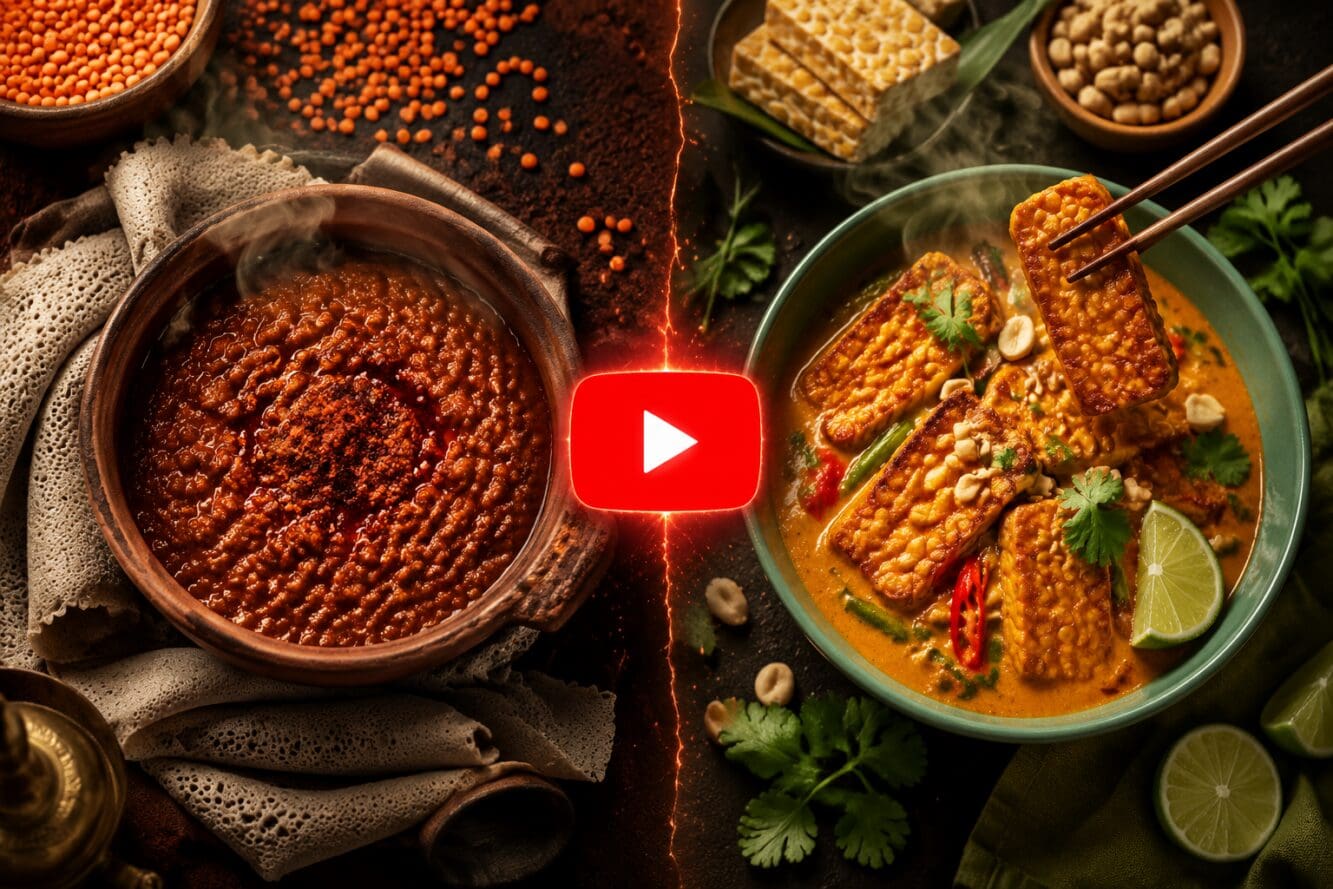
Here are 10 globally inspired, protein-packed recipes dominating 2026 plant-based cooking:
| # | Recipe | Cuisine | Key Protein Source | Est. Protein/Serving |
|---|---|---|---|---|
| 1 | Ethiopian Misir Wat (Red Lentil Stew) | Ethiopian | Red lentils | 22g |
| 2 | Hoisin Cashew Tempeh Stir-Fry | Asian Fusion | Tempeh | 28g |
| 3 | Mini Curried Lentil Wellingtons | Indian-British | Green lentils | 24g |
| 4 | Greek Gigantes Bean Bake | Greek | Giant white beans | 20g |
| 5 | Thai Yellow Curry Tempeh Casserole | Thai | Tempeh + chickpeas | 30g |
| 6 | Balsamic Dijon Tempeh Buddha Bowl | Mediterranean | Tempeh + quinoa | 32g |
| 7 | Puglia Fava Bean Mash (Fave e Cicoria) | Italian | Fava beans | 18g |
| 8 | Swedish Classic Pea Soup (Ärtsoppa) | Swedish | Yellow split peas | 21g |
| 9 | Gochujang Tofu Rice Bowl | Korean | Firm tofu | 26g |
| 10 | Baked Lentil Zucchini Tacos | Mexican | Brown lentils | 23g |
Each recipe targets the 20–30g protein benchmark now considered standard in optimized plant-based meal planning. [2]
Texture Is Everything: How YouTube Demos Are Changing Plant-Based Cooking
One of the biggest barriers to plant-based cooking has always been texture. Tempeh can taste bitter if not prepared correctly. Tofu turns rubbery without proper pressing and marinating. Lentils go mushy without timing precision.
This is where YouTube texture-building demos are proving invaluable in 2026. Channels like Steamy Vegan have published structured video collections featuring their most popular high-protein recipes — including a 20-minute tofu noodle bowl, vegan ginger “beef,” and yellow Thai curry casserole — with individual technique breakdowns linked to each recipe page. [7]
Key texture techniques demonstrated in 2026 video content:
- 🔥 Dry-frying tempeh before marinating to remove bitterness and build crust
- 🧊 Freezing then thawing tofu for a chewier, meatier bite
- 🫙 Soaking and slow-cooking dried beans vs. canned for superior texture
- 🌿 Lentil layering — adding lentils at different cook stages for varied texture
For those exploring Chinese street food traditions, many of these techniques mirror centuries-old methods for preparing tofu and fermented soy products.
Nutrition Deep Dive: Building Complete Proteins Plant-Based
Not all plant proteins are equal. Complete proteins contain all nine essential amino acids — and in 2026, nutritionists are publishing specific guidance on achieving this without meat. [3]
Top complete or near-complete plant protein sources:
- ✅ Tempeh — fermented soy, ~31g protein per cup, complete amino profile
- ✅ Edamame — young soybeans, complete protein, 17g per cup
- ✅ Quinoa — the only grain with a complete amino acid profile
- ⚠️ Lentils + rice — individually incomplete, but combined they form a complete protein
- ⚠️ Chickpeas + whole wheat — another powerful pairing
Good Morning America has highlighted plant-based high-protein recipes for mainstream audiences, including air fryer artichoke wings with lemony hummus dip — signaling that these meals have moved well beyond niche health circles. [5]
Readers interested in big harvest seasonal produce will find that many of these legumes and grains are available fresh or dried through local agricultural suppliers, supporting both nutrition and community farming.
Practical Tips for Mastering These 10 Recipes in 2026
Getting results from Plant-Based Powerhouses for 2026: 10 High-Protein International Recipes from Lentils to Tempeh with YouTube Texture Building Demos requires a few strategic habits:
- Batch-cook lentils and beans on weekends — they refrigerate for 5 days and freeze for 3 months
- Press tofu for at least 30 minutes before any cooking method
- Marinate tempeh overnight in acidic bases (citrus, vinegar) to neutralize bitterness
- Watch at least one YouTube demo before attempting a new texture technique
- Pair grains with legumes in the same meal to guarantee complete amino acid coverage [3]
Those building community food programs or exploring cohousing communities will find that batch-cooking these international recipes is both cost-effective and nutritionally superior for group meal planning.
Conclusion: Start Your Plant-Based Protein Journey Today
The evidence is clear: plant-based eating in 2026 is not about sacrifice — it’s about strategy. From Ethiopian lentil stews to Korean gochujang tofu bowls, the world’s cuisines have always known how to build satisfying, protein-rich meals without meat. The addition of YouTube texture-building demos removes the last technical barrier for home cooks.
Actionable next steps:
- 🎯 Choose two recipes from the table above and cook them this week
- 📺 Watch one YouTube texture demo before cooking tempeh or tofu for the first time
- 🛒 Stock your pantry with lentils, tempeh, canned beans, and quinoa as weekly staples
- 📊 Track protein intake for one week to confirm you’re hitting 20–30g per meal [2]
The ingredients are ancient. The techniques are now on video. The only thing left is to cook.
References
[1] Top 25 Plant Based Recipes For 2026 – https://sharonpalmer.com/top-25-plant-based-recipes-for-2026/
[2] 30 Plant Based High Protein Dinners – https://www.makingthymeforhealth.com/30-plant-based-high-protein-dinners/
[3] Vegan Recipes Complete Proteins – https://plantbasednews.org/veganrecipes/vegan-recipes-complete-proteins/
[5] Plant Based High Protein Recipes Nacho Fries Vegan 130906771 – https://www.goodmorningamerica.com/food/story/plant-based-high-protein-recipes-nacho-fries-vegan-130906771
[7] Watch – https://www.youtube.com/watch?v=wPlJl4l5Kzs
[8] High Protein Dinner Recipes – https://plantbaes.com/high-protein-dinner-recipes/
Content, illustrations, and third-party video appearing on GEORGIANBAYNEWS.COM may be generated or curated with AI assistance or reproduced pursuant to the fair dealing provisions of the Copyright Act, R.S.C. 1985, c. C-42. Attribution and hyperlinks to original sources are provided in acknowledgment of applicable intellectual property rights. Such referencing is intended to direct traffic to and support the original rights holders’ platforms.