

















Cognitive Health Strategies for Seniors in 2026: Apps, Puzzles, and Lifestyle Hacks to Boost Memory and Focus
Last updated: May 14, 2026
Quick Answer
The most effective cognitive health strategies for seniors in 2026 combine proactive brain training, physical activity, social engagement, and targeted nutrition rather than waiting for symptoms to appear. Apps like Lumosity and BrainHQ, daily puzzle routines, the MIND diet, and consistent sleep habits all contribute measurably to memory and focus. Starting these habits before noticeable decline gives seniors the best chance of protecting long-term brain function.
Key Takeaways
- The Alzheimer’s Association launched its “(re)think your brain™” initiative in May 2026, shifting the focus from reactive care to proactive brain health starting decades before symptoms [5]
- The U.S. POINTER study confirmed that combining multiple lifestyle changes (not just one) protects cognitive function more effectively than any single approach [5]
- Women with high physical fitness were 88% less likely to develop dementia in a long-term Swedish study [6]
- Loneliness raises dementia risk by 40%, making social connection a medical-grade brain health priority [6]
- Annual cognitive check-ups are now recommended starting at age 65, with every 6–12 months for high-risk individuals [1]
- The MIND diet, focused on leafy greens, beans, berries, and healthy fats, is linked to slower cognitive decline [6]
- “Awe walks” (mindful outdoor walks noticing details) reduce daily stress and boost joy in older adults, per UCSF research [6]
- Free and low-cost brain training apps are widely available in 2026, making daily cognitive exercise accessible to most seniors
Why 2026 Marks a Turning Point for Senior Brain Health
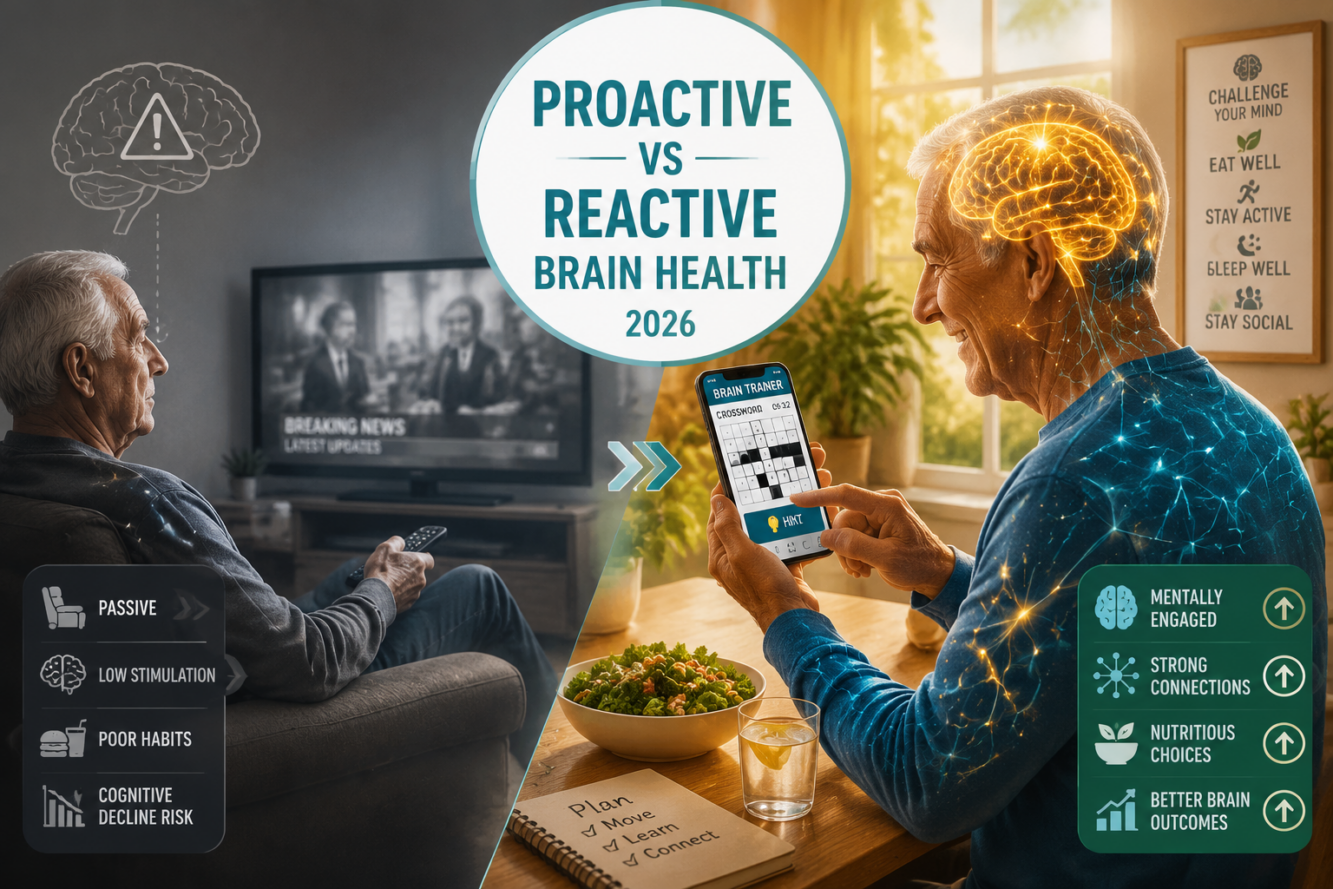
The old model of cognitive care was largely reactive: wait for memory problems, then seek help. In 2026, that model is being replaced. The Alzheimer’s Association launched its “(re)think your brain™” campaign on May 11, 2026, introducing a 6-Step Challenge built on science-backed actions seniors can start today, not after a diagnosis [5].
This shift matters because the brain responds to lifestyle inputs for years before any clinical symptoms emerge. The U.S. POINTER study, one of the largest of its kind, confirmed that layering multiple healthy habits together, rather than relying on a single fix, significantly protects cognitive function over time [5].
The core message: cognitive health strategies for seniors in 2026 are about building habits now, not managing decline later.
What Are the Best Brain-Training Apps for Seniors in 2026?
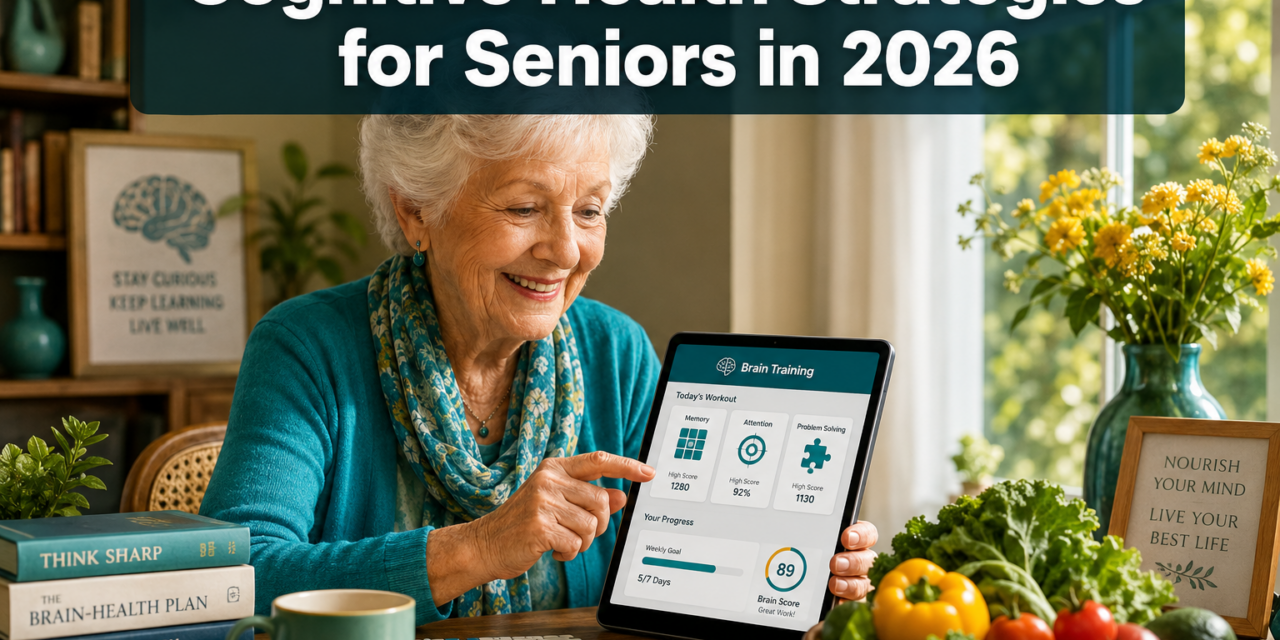
Brain-training apps work best when used consistently for at least 10–15 minutes daily and when they target multiple cognitive domains (memory, attention, processing speed, and problem-solving).
Top-rated options in 2026:
| App | Best For | Cost |
|---|---|---|
| BrainHQ | Clinically validated exercises | Free trial; paid plan |
| Lumosity | Variety and daily challenges | Free basic; premium plan |
| Elevate | Language and math focus | Free basic; premium plan |
| Peak | Short daily sessions | Free basic; premium plan |
| Duolingo | Language learning as brain training | Free |
Choose BrainHQ if you want exercises backed by published research. Choose Duolingo if you prefer learning something practical (a new language) while training your brain. Avoid apps that only offer one type of task — variety drives better results.
“Regular internet video calls with trained conversational partners helped reduce cognitive decline risk in adults 75 and older.” — I-CONECT trial, cited by the National Institute on Aging [7]
How Do Puzzles and Mental Challenges Support Memory?
Puzzles and structured mental challenges strengthen neural pathways by requiring the brain to retrieve, organize, and apply information repeatedly. This process, called cognitive reserve building, helps the brain compensate for age-related changes.
Effective puzzle types for seniors:
- Crossword puzzles — strengthen vocabulary recall and verbal memory
- Sudoku — builds working memory and logical reasoning
- Jigsaw puzzles — engages visuospatial skills and attention
- Card games (bridge, cribbage) — combines strategy with social interaction
- Word search and trivia games — low barrier to entry, good for daily habits
A common mistake is sticking to the same puzzle type for months. Once a task feels easy, the brain has adapted and the training benefit decreases. Rotating challenge types keeps the brain working harder.
Which Lifestyle Habits Have the Strongest Evidence for Brain Health?
Five lifestyle elements with strong research support for seniors in 2026 work together rather than independently [2]:
Physical activity — Even brisk walking improves blood flow to the brain, lowers stress hormones, and reduces inflammation. The Swedish fitness study showing an 88% lower dementia risk in highly fit women is one of the most cited findings in this area [6]. Seniors who enjoy outdoor activities might also consider better pickleball as a social and physical option.
Quality sleep — Deep sleep is when the brain clears metabolic waste products linked to Alzheimer’s. Seven to eight hours per night is the target for most adults over 65.
Social connection — Florida State University research found loneliness raises dementia risk by 40% [6]. Regular visits with neighbors, volunteer work, and group activities all count. The Health and Retirement Study of over 7,000 adults confirmed that high social engagement correlates with better cognitive health [7].
Stress management — Chronic stress elevates cortisol, which damages hippocampal cells involved in memory. Meditation, deep breathing, and even celebrating volunteers in community settings all help buffer stress.
Lifelong learning — Taking a class, learning an instrument, or picking up a new hobby creates new neural connections at any age [2].
What Should Seniors Eat to Protect Their Brain?
The MIND diet, developed at Rush University as a hybrid of the Mediterranean and DASH diets, is the most evidence-backed eating pattern for cognitive health in 2026 [6].
Eat more of:
- Leafy green vegetables (aim for 6+ servings per week)
- Beans and legumes (4+ servings per week)
- Berries, especially blueberries (2+ servings per week)
- Whole grains, fish, poultry, and olive oil
- Nuts as a daily snack
Eat less of:
- Red meat, butter, cheese, sweets, and fried foods
Monitoring cholesterol levels is also relevant here, since cardiovascular health and brain health are tightly linked. High blood pressure and poor cholesterol management are among the top modifiable dementia risk factors.
How Often Should Seniors Get Cognitive Screenings?
Annual cognitive check-ups are now the standard recommendation starting at age 65, according to guidelines from the Alzheimer’s Association, American Geriatrics Society, and international neurology bodies [1]. Seniors with risk factors (family history of dementia, cardiovascular disease, or noticeable memory changes) should be evaluated every 6–12 months [4].
In 2026, AI-assisted scoring tools have made neuropsychological testing faster and more accessible, reducing wait times and improving accuracy across diverse senior populations [1]. These multimodal assessments cover memory, executive function, attention, language, and visuospatial skills [4].
Edge case: If a senior notices sudden changes in word-finding, navigation, or short-term recall, don’t wait for the annual appointment. Schedule an evaluation promptly.
What Is an “Awe Walk” and Why Does It Matter for Brain Health?
An “awe walk” is a short outdoor walk taken with deliberate attention to details in the surrounding environment: colors, textures, sounds, and movement. Researchers at the UCSF Memory and Aging Center found that older adults who took weekly awe walks reported more joy and significantly less daily stress compared to those who walked without this intentional focus [6].
Reduced stress translates directly to lower cortisol levels, which protects memory-related brain structures. Awe walks cost nothing and require no equipment, making them one of the most accessible cognitive health strategies for seniors in 2026.
How to start: Pick a 20-minute route. Leave the phone in your pocket. Notice five things you haven’t paid attention to before. Repeat weekly.
Conclusion: Build the Habit Before You Need It
The most important shift in cognitive health strategies for seniors in 2026 is the move from reactive to proactive. Waiting for memory problems to appear before taking action means missing years of preventive benefit.
Actionable next steps:
- Download one brain-training app this week and commit to 10 minutes daily for 30 days
- Add one MIND diet food to each meal, starting with leafy greens and beans
- Schedule an annual cognitive check-up with your primary care provider if you’re 65 or older
- Plan one social activity per week — a card game, a volunteer shift, or a video call with family
- Take one awe walk in the next seven days and notice the difference in your mood
- Review the Alzheimer’s Association’s “(re)think your brain” 6-Step Challenge at alz.org for a structured starting point [5]
Small, consistent actions compound over time. The brain is more adaptable than most people realize, and 2026 offers better tools, better research, and better support than any previous generation of seniors has had access to.
FAQ
Q: At what age should seniors start brain-training habits? The earlier, the better — but it’s never too late. Research supports cognitive benefits from brain training and lifestyle changes even in adults over 80. Starting in your 60s gives the longest runway for building cognitive reserve.
Q: Are free brain-training apps as effective as paid ones? Some free apps (BrainHQ’s free tier, Duolingo) are backed by solid research. Paid plans often add variety and personalization, but consistency matters more than cost. A free app used daily beats an expensive one used occasionally.
Q: How long before lifestyle changes show cognitive benefits? Most studies show measurable improvements in memory and attention within 8–12 weeks of consistent exercise, improved sleep, and dietary changes. Some benefits, like reduced stress and better mood, appear within days.
Q: Can social media use count as social engagement for brain health? Passive scrolling does not provide the same benefit as active conversation. Video calls, group chats with back-and-forth exchange, and in-person visits are the forms of social engagement linked to lower dementia risk [7].
Q: Is the MIND diet safe for seniors with other health conditions? The MIND diet is generally considered safe and aligns with heart-healthy eating guidelines. Seniors managing diabetes, kidney disease, or blood thinners should review specific food choices with their doctor before making major dietary changes.
Q: What’s the difference between normal aging and early cognitive decline? Normal aging includes occasional word-finding difficulty or forgetting where you placed something. Early cognitive decline involves repeated forgetting of recent events, getting lost in familiar places, or noticeable difficulty with tasks that were previously easy. If in doubt, request a cognitive screening [1].
Q: Do puzzles alone prevent dementia? No single activity prevents dementia. Puzzles contribute to cognitive reserve but work best as part of a broader strategy that includes physical activity, social connection, sleep, and nutrition [5].
Q: What is the “(re)think your brain” initiative? It’s a public health campaign launched by the Alzheimer’s Association on May 11, 2026, offering a 6-Step Challenge with practical, science-based actions to support brain health proactively, before symptoms develop [5].
References
[1] Essential Cognitive Assessments For Seniors 2026 Guidelines For Caregivers – https://allseniors.org/articles/essential-cognitive-assessments-for-seniors-2026-guidelines-for-caregivers/
[2] Senior Well Trends 2026 – https://thrivesl.com/blog/senior-well-trends-2026/
[4] Innovations In Cognitive Assessments For Seniors In 2025 2026 – https://allseniors.org/articles/innovations-in-cognitive-assessments-for-seniors-in-2025-2026/
[5] Alzheimers Association Launches Rethink Your Brain Drive Early Action Brain Health – https://www.alz.org/news/2026/alzheimers-association-launches-rethink-your-brain-drive-early-action-brain-health
[6] 7 New Years Resolutions For Better Brain Health – https://accessjca.org/7-new-years-resolutions-for-better-brain-health/
[7] Cognitive Health And Older Adults – https://www.nia.nih.gov/health/brain-health/cognitive-health-and-older-adults
Content, illustrations, and third-party video appearing on GEORGIANBAYNEWS.COM may be generated or curated with AI assistance or reproduced pursuant to the fair dealing provisions of the Copyright Act, R.S.C. 1985, c. C-42. Attribution and hyperlinks to original sources are provided in acknowledgment of applicable intellectual property rights. Such referencing is intended to direct traffic to and support the original rights holders’ platforms.
Content, illustrations, and third-party video appearing on GEORGIANBAYNEWS.COM may be generated or curated with AI assistance or reproduced pursuant to the fair dealing provisions of the Copyright Act, R.S.C. 1985, c. C-42. Attribution and hyperlinks to original sources are provided in acknowledgment of applicable intellectual property rights. Such referencing is intended to direct traffic to and support the original rights holders’ platforms.