






















Support overwintering pollinators in your garden
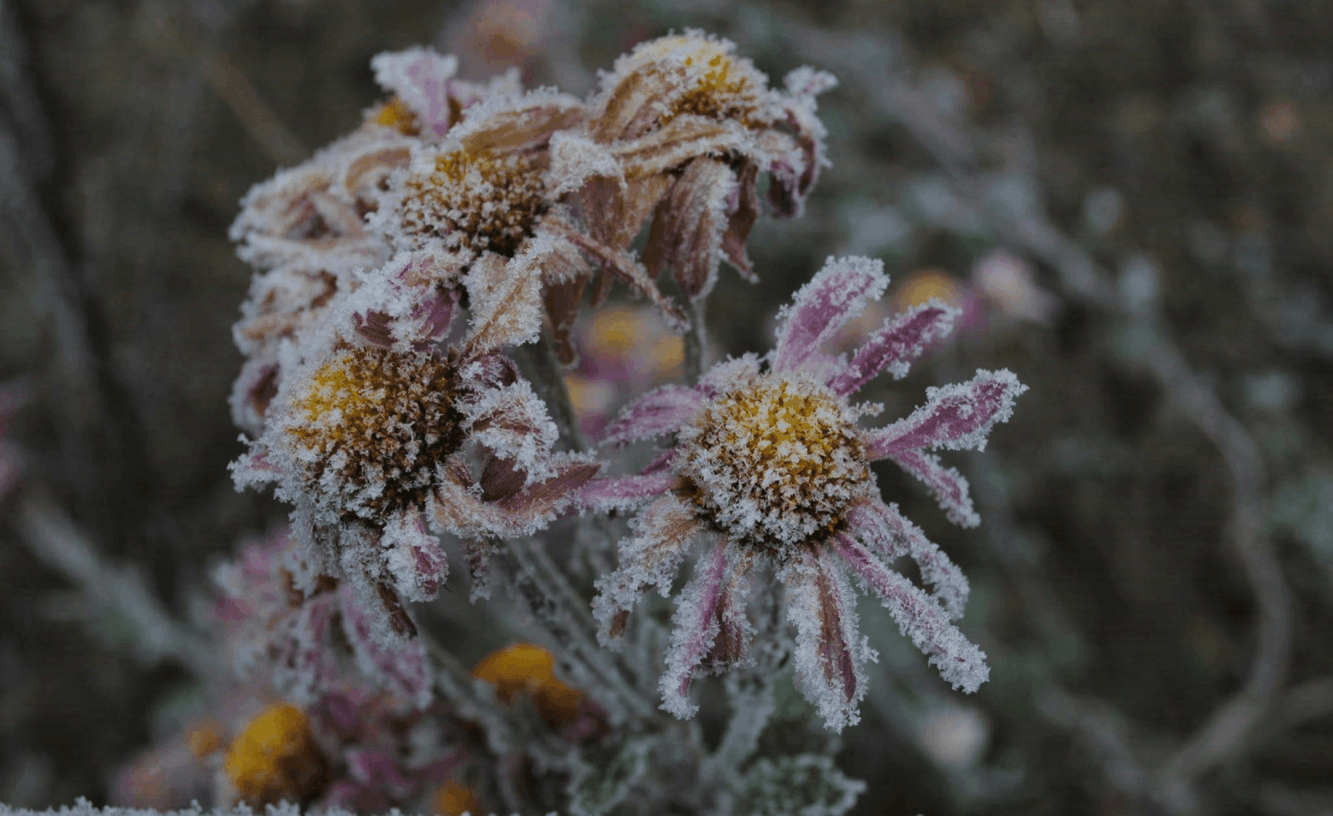
As days shorten and temperatures begin to drop, prepare your garden to support pollinators that stay all winter.
Winterize your garden with year-round pollinators in mind. Leave key plants and natural materials in place and/or winter sow native seeds. You’ll create a vibrant, ecologically beneficial winter pollinator haven and help your garden thrive in spring.
What’s winter sowing and overwintering?
Winter sowing is a gardening technique in which seeds are planted in containers or directly into the soil during winter to mimic natural germination cycles and undergo cold stratification. Seeds stay dormant until conditions are right for sprouting in spring. This technique works especially well for native wildflowers, grasses and perennials which have evolved to thrive under such conditions.
Overwintering (a.k.a. winterizing) is the process of preparing plants for cooler months and adverse weather conditions. It helps plants that may otherwise succumb to the challenges of cooler months to survive from one year to the next.
Some pollinator species also use overwintering strategies to survive the cold.
POLLINATOR WINTER HABITATS
01
Ground nesters
Seventy per cent of native bees (e.g., sweat bees, mining bees, cellophane bees, etc.) create burrows in soil for their winter nests and to lay eggs.
02
Cavity nesters
Thirty per cent of native bees (e.g., leafcutter bees, mason bees, etc.) seek winter shelter in cavities of dead wood, hollow stems or brush piles.
03
Leaf litter nesters
Many species of butterflies, moths and some native bees prefer to overwinter in undisturbed leaf litter.
Source: Xerces Society for Invertebrate Conservation
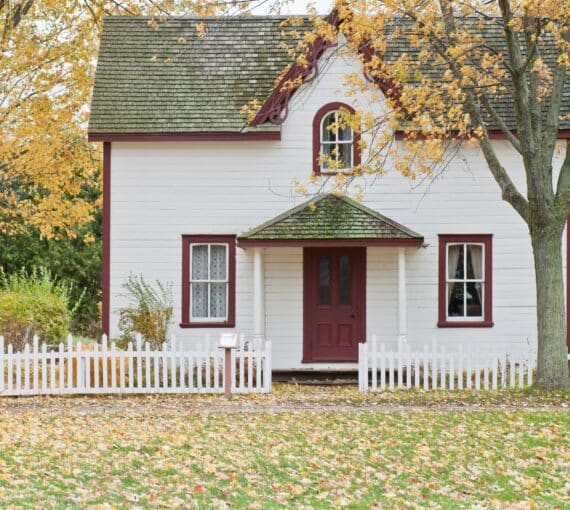
Messy yards help pollinators
Creating a pollinator sanctuary isn’t limited to spring and summer. Brown, dead leaves are Earth’s insect nurseries. Start “messy” yard practices in fall and continue into winter to support overwintering pollinators.
LEARN THE IMPORTANCE OF LEAVING THE LEAVES
The importance of winter sowing native plant seeds
A native plant is one that has existed in an area for millennia and has evolved with other native species of plants, animals, fungi and bacteria in the presence of native soil and climatic conditions. Winter sowing native seeds in regions they would naturally exist gives them a much better chance at germinating and flourishing in spring.
Native plants play an important and foundational role in ecosystems, preserving biodiversity and supporting insects, birds, mammals, amphibians and reptiles with food, shelter and nesting material. To support their growth, some native plants need to undergo cold stratification to break the seed’s dormancy and increase its ability to germinate in spring.
Examples of native plants that benefit from cold stratification:
- Black-eyed Susan (Rudbeckia hirta)
- Goldenrod (Solidago canadensis)
- Ironweed (Veronia)
- Joe Pye weed (Eutrochium purpureum)
- Marsh marigolds (Caltha palustris)
- Milkweed (Asclepias)
- Purple coneflower a.k.a. echinacea (Echinacea purpurea)
- Prairie coneflower (Ratibida columnifera)
- Sedum (sedum stenopetalum)
How to prepare your garden and support pollinators over winter
Depending on where you live, begin to prepare your winter garden from late fall until the end of January.
Native plants are naturally resilient and adapted to survive the cold months of your ecoregion. But some will still benefit from preparation for overwintering. Proper overwintering supports plant roots during freezing conditions, prevents soil erosion, enriches soil and sets the stage for early growth in the next growing season. A bonus? They also provide refuge and food for overwintering pollinators!
Eight ways to prepare native plants for overwintering
- Choose winter-friendly native plants and seeds. Opt for native species for your ecoregion that will do well in winter. Seek out local seed swaps, libraries and nurseries to source native seeds.
- Leave the leaves. If your garden (and yard) has natural debris built up from fall in areas where you’re not winter sowing, leave it! Plant litter provides shelter to overwintering pollinators and insulation for newly planted perennials and overwintering native plants, and boosts pollinator communities that will support your garden in spring.
- Rethink mulch. Many gardening guides suggest using wood mulch during cooler seasons as an insulator for overwintering plants. Instead, use compost, leaf litter and plant debris from your garden so ground-nesting bees can gain easier access to their nests. Avoid using plastic mulch, landscape fabric and heavy wood chips.
- Preserve seed heads. Seeds heads of native wildflowers like coneflowers, black-eyed Susans and asters provide winter food for birds and habitat for insects. Prune them in early spring if needed.
- Leave plant stalks standing. Hollow and pithy stems of native plants like goldenrod and coneflowers serve as refuge and nesting sites for cavity-nesting native bees. Only cut back diseased or invasive species.
- Minimize soil disturbance. Leave parts of your garden with bare soil or light mulch untouched. If you must weed or mulch, avoid turning over the soil deeply. Many native bees and insects burrow deep into soil to overwinter. Disturbing the soil can destroy their nests.
- Cover vulnerable plants. Some native perennials, like young shrubs or newly planted wildflowers, may need extra protection in harsh climates. Use burlap wraps or frost covers to protect plants from harsh winds and frost. Ensure these allow airflow to prevent rot.
- Water before first freeze. A well-hydrated plant is better equipped to withstand winter stress. Plan to give your garden a good drink in late fall before the first freeze (especially if your region has had a dry fall). This ensures plants roots are hydrated before the ground freezes.
How to winter sow native seeds
Join the Seed Sitters Club — an inexpensive and simple way to grow native plants for personal use and/or to share in your community.
Watch Butterflyway Ranger and native plant enthusiast Dorte Windmuller share the first four steps of seed sitting to help you set your garden up for success in the spring.
You’ll need:
- Small pots with holes in the bottom
- Potting soil
- Native seeds
- Labels
- Dry leaves
- Chicken wire (or something similar)
- A spray bottle
WINTER SOW NATIVE SEEDS IN NINE STEPS
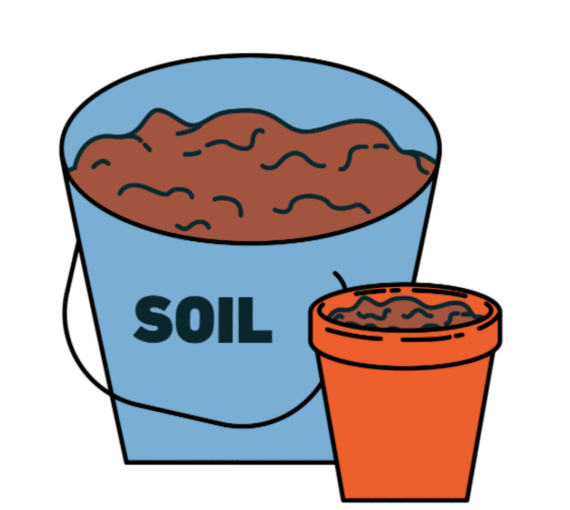
Step 1
Any time between November and the end of January, fill a pot that has holes in the bottom with moist potting soil.
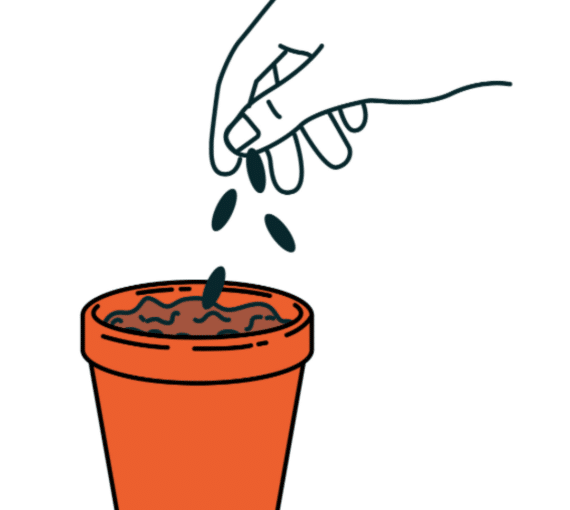
Step 2
Sprinkle seeds on top of the soil. Press them down gently. Sprinkle a little soil on top.
Step 3
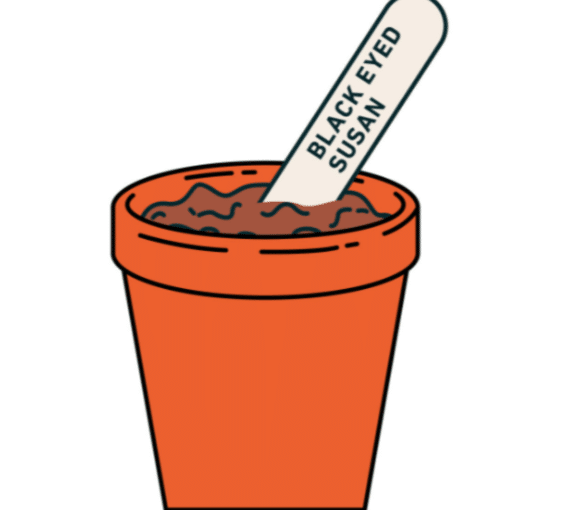
Label your pot with the seed species’ name.
Step 4
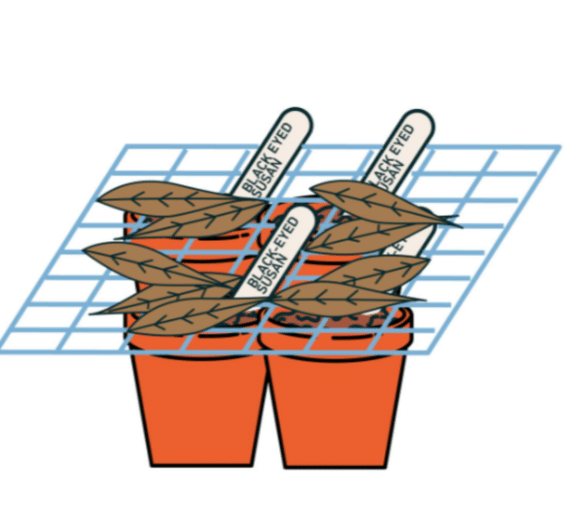
Cover the pot with leaves and chicken wire to protect the seeds from birds and squirrels.
Step 5
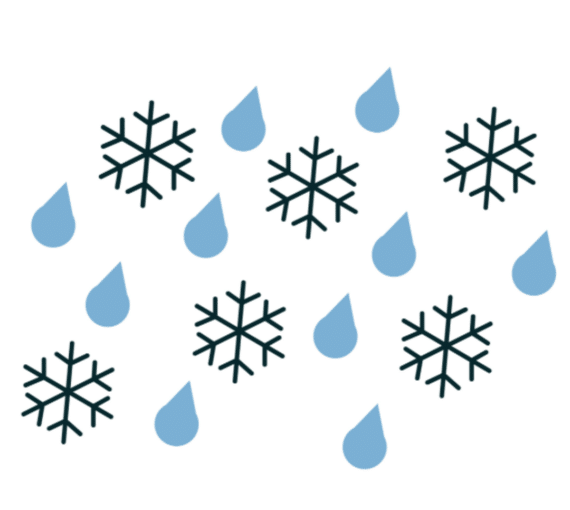
All winter long, keep the container outside in a place where it will receive snow and rain.
Step 6
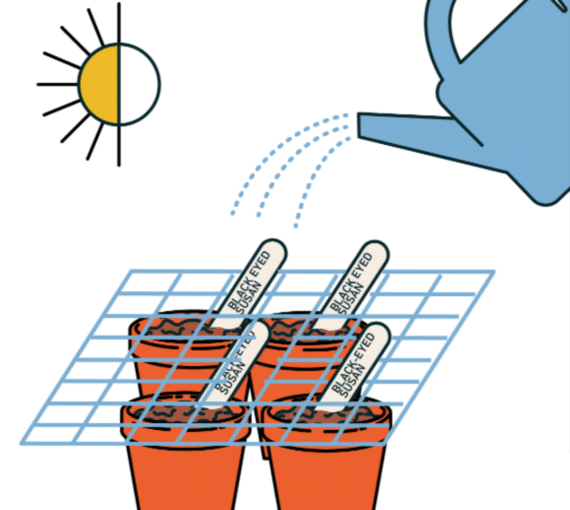
When the temperature rises in spring, place the pot in a partially sunny location, remove the leaves and wait for the seeds to sprout. Keep the soil moist.
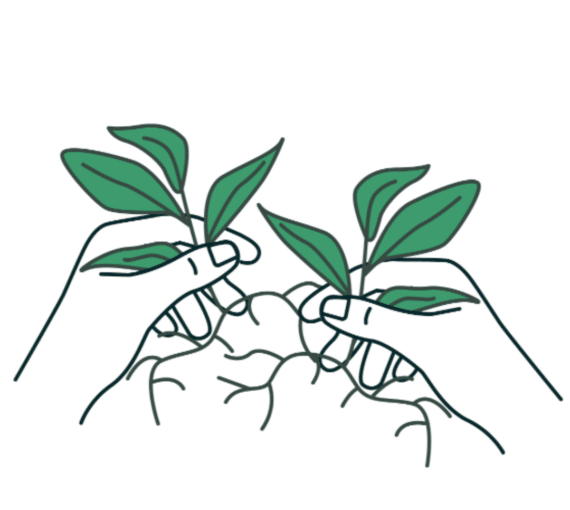
Step 7
If seedlings become too crowded as they grow, carefully separate their roots and place some plants in separate pots.
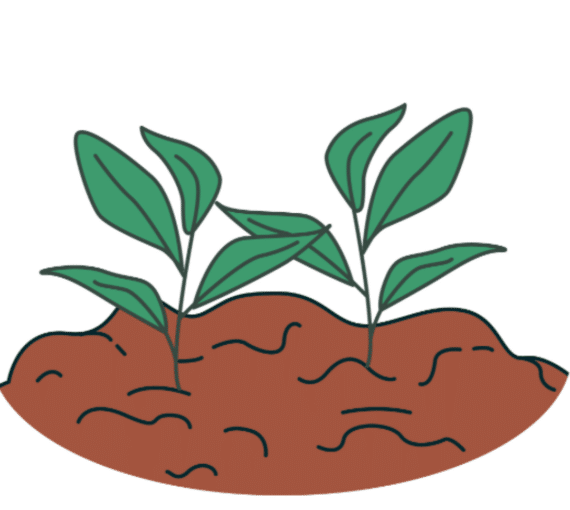
Step 8
Seedlings can be planted in the garden in summer and fall. Keep them well watered for their first year.
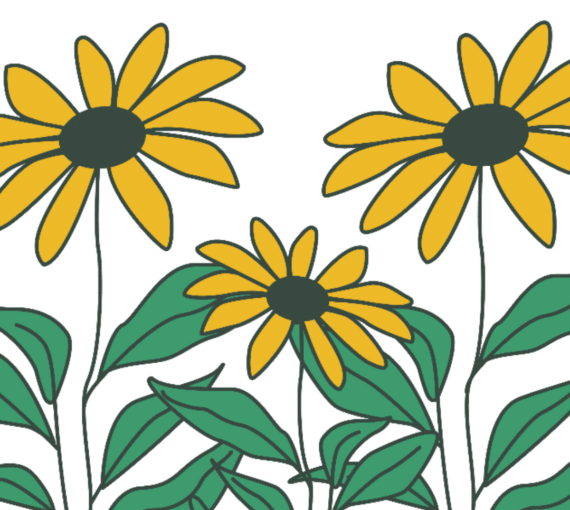
Step 9
Most plants will come back stronger and larger in Year 2 and will persist for many years.
BECOME A SEED SITTER
Native plants can be expensive and hard to come by. Become your own native plant source with winter seed sitting!