


















Ally Vitally | Modern Dating Challenges for Seniors
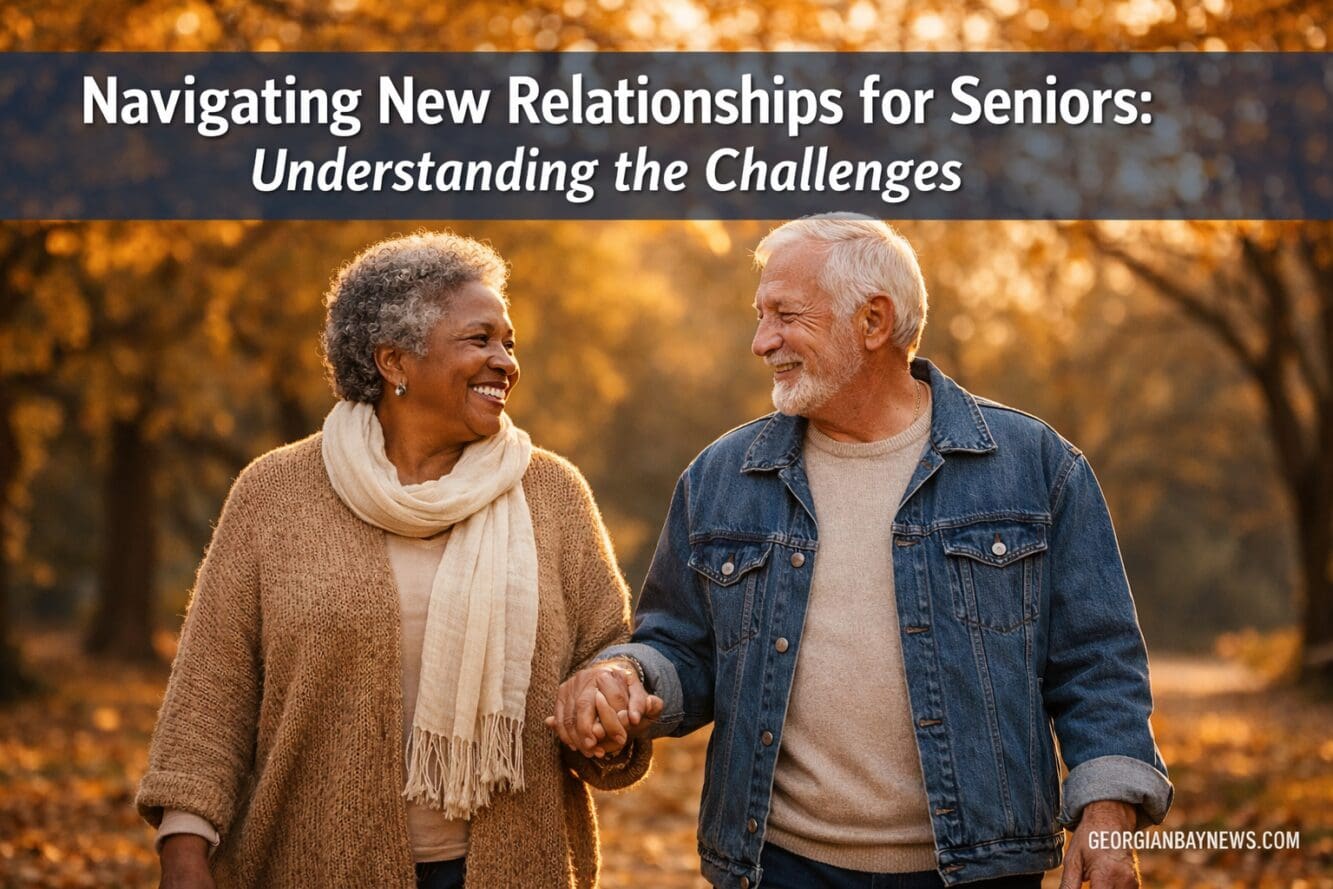
When Margaret, a vibrant 68-year-old widow from Collingwood, decided to rejoin the dating world after losing her husband of 40 years, she never anticipated the emotional rollercoaster ahead. Her story mirrors that of millions of seniors across North America and beyond who are discovering that new relationships for seniors come with unique challenges that younger generations rarely face. In 2026, as life expectancy continues to rise and societal attitudes evolve, more older adults are seeking companionship, romance, and connection—but the path forward isn’t always straightforward.
The landscape of late-life romance has transformed dramatically. Today’s seniors are healthier, more active, and increasingly tech-savvy, yet they navigate relationship challenges that blend timeless emotional complexities with modern complications. From managing adult children’s reactions to balancing financial independence, the journey toward new relationships for seniors requires courage, wisdom, and practical strategies.
Key Takeaways
- Emotional baggage and grief from previous relationships create significant hurdles that require time, patience, and often professional support to overcome
- Family dynamics and adult children’s concerns can complicate new relationships, requiring open communication and boundary-setting
- Financial complexities including estate planning, retirement savings, and housing decisions demand careful navigation and often legal consultation
- Health considerations and physical changes require honest conversations and realistic expectations about intimacy and caregiving
- Technology gaps and safety concerns in online dating present both opportunities and risks that seniors must learn to manage effectively
Understanding the Emotional Landscape of New Relationships for Seniors

The emotional terrain of senior romance differs fundamentally from dating in younger years. Unlike first-time relationships, new relationships for seniors typically follow decades of life experience, previous partnerships, and often significant loss.
Grief and the Shadow of Past Relationships
For many seniors, entering new relationships means confronting unresolved grief. Whether widowed or divorced, the emotional imprint of previous partnerships doesn’t simply disappear. Research indicates that approximately 45% of seniors report feeling guilty about pursuing new romance after losing a spouse [1].
Key emotional challenges include:
- Comparing new partners to deceased or former spouses
- Managing “survivor’s guilt” when finding happiness again
- Navigating different grieving timelines between partners
- Reconciling memories with present-day reality
“I felt like I was betraying John’s memory every time I laughed at Robert’s jokes,” shares Patricia, 72, from Vancouver. “It took months of therapy to understand that loving again didn’t diminish what I had before.”
Identity and Self-Worth in Later Life
Many seniors struggle with self-esteem issues when re-entering the dating world. Physical changes, retirement transitions, and societal ageism can erode confidence. Studies show that 63% of single seniors over 65 express anxiety about their physical appearance when dating [2].
The challenge intensifies for those whose identity was deeply tied to their previous relationship or career. Rediscovering oneself as an individual—separate from “wife,” “husband,” or “professional”—becomes essential groundwork for healthy new partnerships.
Family Dynamics and Adult Children’s Reactions
Perhaps no challenge in new relationships for seniors creates more stress than managing family responses. Adult children often have strong, complicated feelings about their parents dating.
Common Family Concerns
Adult children may worry about:
| Concern | Percentage of Adult Children Reporting |
|---|---|
| Financial exploitation of parent | 58% |
| Changes to inheritance | 47% |
| Parent’s emotional vulnerability | 71% |
| Replacement of deceased parent | 39% |
| Caregiving responsibilities shifting | 44% |
Source: American Association of Retired Persons, 2025 [3]
Navigating Intergenerational Boundaries
Robert, a 70-year-old from Chicago, describes the tension: “My daughter treated me like a teenager when I started dating again. She wanted to meet every woman, asked invasive questions, and made me feel like I needed her permission to live my life.”
Effective strategies include:
✅ Setting clear boundaries about privacy and decision-making autonomy
✅ Introducing new partners gradually rather than forcing immediate acceptance
✅ Acknowledging children’s feelings while maintaining independence
✅ Seeking family counseling when conflicts become entrenched
✅ Maintaining separate financial accounts to alleviate inheritance concerns
The key lies in balancing respect for family relationships with asserting the right to personal happiness and companionship.
Financial Complexities in Senior Partnerships
Money matters become exponentially more complicated in new relationships for seniors. Unlike younger couples building wealth together, seniors bring established assets, debts, retirement accounts, and estate plans into new partnerships.
Critical Financial Considerations
Housing decisions pose immediate challenges. Should partners:
- Move in together and sell one property?
- Maintain separate residences?
- Purchase new shared housing?
- Navigate complex real estate markets in 2026?
Each option carries financial, emotional, and practical implications. Property ownership, mortgage responsibilities, and housing equity affect both current lifestyle and future inheritance.
Retirement income and expenses require transparent discussion. Pension benefits, Social Security payments, investment income, and healthcare costs vary dramatically between individuals. Merging households without merging finances demands careful planning.
Legal Protections and Prenuptial Agreements
Estate attorneys report a 340% increase in prenuptial agreement requests from clients over 60 between 2020 and 2026 [4]. These legal instruments protect both parties and provide clarity for adult children concerned about inheritance.
Essential legal documents include:
- 📋 Prenuptial or cohabitation agreements
- 📋 Updated wills and trusts
- 📋 Healthcare proxies and power of attorney
- 📋 Beneficiary designation reviews
- 📋 Property ownership documentation
“Getting a prenup wasn’t romantic, but it gave both our families peace of mind,” explains Dorothy, 66, from Boston. “We could focus on our relationship instead of worrying about money conflicts.”
Health, Intimacy, and Physical Changes
Physical health considerations distinguish new relationships for seniors from younger partnerships. Chronic conditions, medications, mobility limitations, and changing bodies require honest communication and adjusted expectations.
Addressing Intimacy Concerns
Sexual intimacy remains important for many seniors, yet physical changes and health conditions create challenges. Approximately 54% of sexually active seniors report concerns about performance, desire, or physical limitations [5].
Common issues include:
- Erectile dysfunction and vaginal dryness
- Medication side effects affecting libido
- Body image concerns and self-consciousness
- Energy levels and stamina differences
- Privacy concerns in senior living facilities
Healthcare providers emphasize that open communication, medical consultation, and creative adaptation can help couples maintain satisfying intimate lives. The key involves redefining intimacy beyond traditional expectations.
Andy Higgins an elderly comedian said “The great thing about dating a woman my age is that I don’t have to worry about meeting her parents”
Caregiving Considerations
A sobering reality of late-life relationships involves potential caregiving responsibilities. Partners must discuss:
- Expectations if one develops serious illness
- Long-term care preferences and planning
- Financial resources for healthcare needs
- Family involvement in caregiving decisions
- End-of-life wishes and advanced directives
These conversations, while difficult, prevent misunderstandings and ensure both partners enter relationships with realistic expectations.
Technology, Online Dating, and Safety Concerns
The digital revolution has transformed how seniors meet potential partners. In 2026, approximately 37% of single seniors use dating apps or websites [6]. However, technology presents both opportunities and significant challenges.
The Digital Divide
Many seniors struggle with:
- 📱 Creating appealing online profiles
- 📱 Understanding app interfaces and features
- 📱 Recognizing authentic versus fake profiles
- 📱 Managing multiple conversations and connections
- 📱 Transitioning from online to in-person meetings
Community centers and senior organizations increasingly offer “digital dating literacy” workshops to help older adults navigate these platforms safely and effectively.
Romance Scams and Financial Fraud
Warning signs of romance scams:
🚨 Requests for money or financial information
🚨 Reluctance to meet in person or video chat
🚨 Professions of love very quickly
🚨 Stories of emergencies requiring immediate financial help
🚨 Pressure to move conversations off dating platforms
The FBI reports that seniors lost over $1.2 billion to romance scams in 2025, making education and vigilance critical [7]. Family members and friends should watch for sudden secretiveness about online relationships or unexplained financial transactions.
Social Stigma and Changing Attitudes
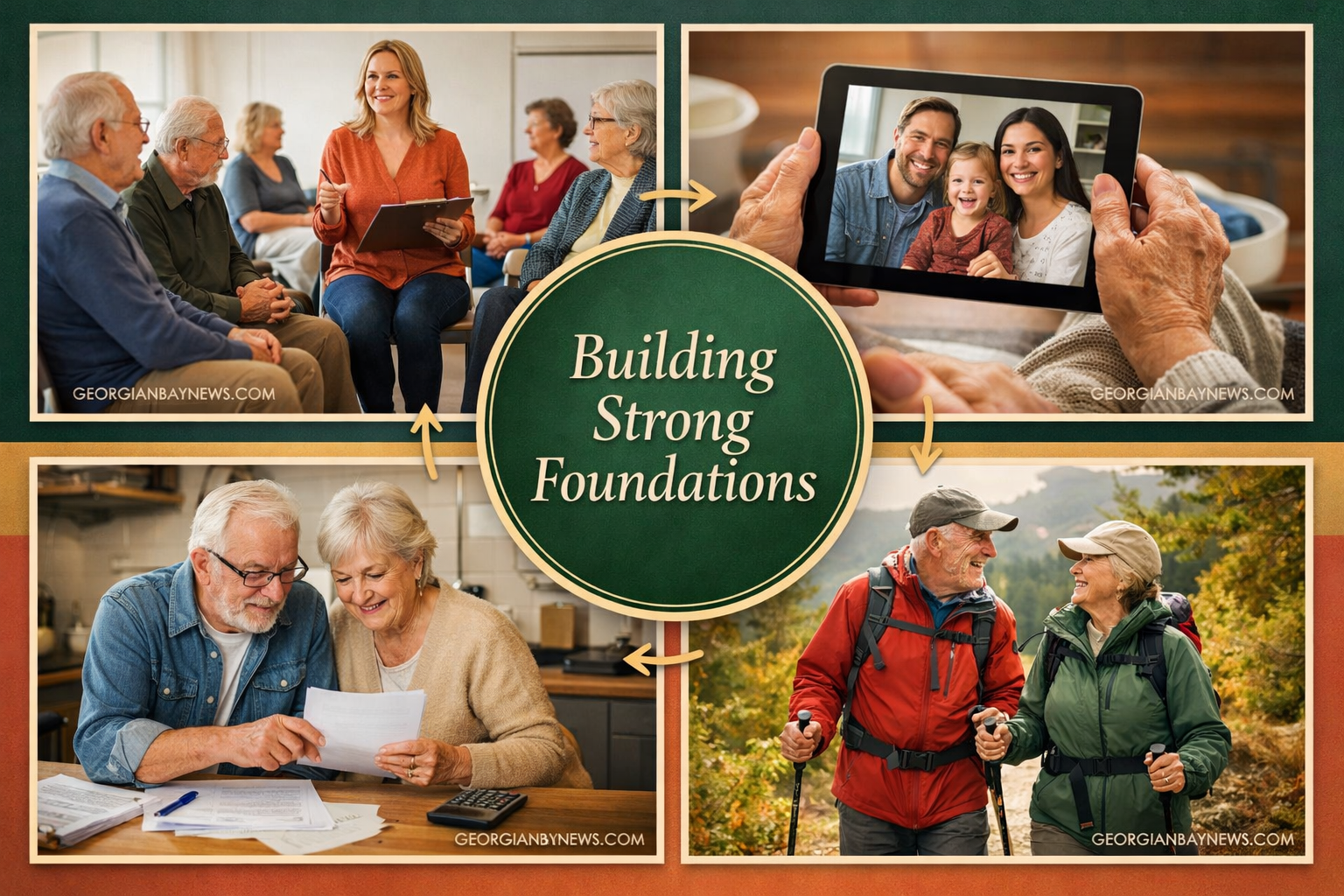
Despite progress, societal attitudes about senior sexuality and romance remain complicated. Many older adults internalize ageist messages suggesting they’re “too old” for romance or that seeking companionship is somehow inappropriate.
Confronting Ageism
Cultural narratives often portray senior relationships as cute or comical rather than legitimate romantic partnerships. This dismissive attitude can undermine seniors’ confidence and discourage them from pursuing meaningful connections.
Challenging these narratives requires:
- Recognizing that desire for companionship is lifelong
- Rejecting internalized age-based limitations
- Seeking supportive communities that celebrate senior romance
- Educating younger generations about aging realities
- Sharing positive stories of successful late-life relationships
Building Successful New Relationships: Practical Strategies
Despite the challenges, countless seniors build fulfilling, joyful partnerships in their later years. Success requires intentionality, communication, and realistic expectations.
Essential Relationship Skills
Communication fundamentals become even more critical in new relationships for seniors:
- Express needs clearly without assuming partners can read minds
- Listen actively to understand rather than respond
- Address conflicts directly instead of avoiding difficult conversations
- Respect differences in lifestyle, values, and preferences
- Maintain individual identities while building partnership
Taking It Slow
Relationship experts emphasize that seniors should resist pressure to rush. Unlike younger people facing biological clocks or career timelines, older adults benefit from extended courtship periods that allow genuine compatibility assessment.
Recommended timeline considerations:
- ⏰ Date for at least 6-12 months before cohabitation
- ⏰ Meet each other’s families and friends
- ⏰ Experience different seasons and holidays together
- ⏰ Observe how partners handle stress and conflict
- ⏰ Discuss all major life topics before serious commitment
Seeking Professional Support
Couples counseling, individual therapy, and support groups provide valuable resources for navigating new relationships for seniors. Professional guidance helps address:
- Unresolved grief or trauma
- Communication skill development
- Blended family challenges
- Financial planning complexities
- Intimacy concerns
Many communities offer senior-specific relationship programs through community centers, religious organizations, and healthcare systems.
The Rewards: Why New Relationships Matter for Seniors
Despite the challenges, research consistently demonstrates that companionship in later life provides significant benefits. Seniors in satisfying relationships report:
- 📈 Better physical health outcomes
- 📈 Reduced depression and anxiety
- 📈 Increased longevity
- 📈 Enhanced cognitive function
- 📈 Greater life satisfaction and purpose
Helen, 74, from Seattle, reflects on her five-year relationship: “Yes, it was scary starting over at my age. Yes, my kids had concerns. Yes, we had to work through complicated issues. But having someone to share morning coffee with, to travel with, to simply hold hands with while watching television—it’s made these years the happiest of my life.”
Conclusion: Embracing Possibility in New Relationships for Seniors
The challenges in new relationships for seniors are real, complex, and multifaceted. From emotional hurdles and family dynamics to financial complications and health considerations, older adults face obstacles that require courage, wisdom, and practical strategies to overcome.
Yet these challenges shouldn’t discourage seniors from seeking companionship and love. With proper preparation, realistic expectations, open communication, and appropriate support, late-life relationships can flourish and provide profound fulfillment.
Actionable Next Steps
For seniors considering new relationships:
- Invest in self-reflection to understand what you truly want and need in a partner
- Address unresolved grief through counseling or support groups before actively dating
- Educate yourself about online dating safety and technology tools
- Consult professionals including financial advisors, estate attorneys, and therapists
- Communicate openly with adult children about your intentions and boundaries
- Join senior social groups to expand your social circle and meet potential partners organically
- Prioritize health by discussing intimacy concerns with healthcare providers
- Take your time and don’t rush into commitments before thoroughly knowing someone
The journey toward new relationships for seniors in 2026 and beyond will continue evolving as demographics shift, technology advances, and social attitudes transform. What remains constant is the fundamental human need for connection, companionship, and love—needs that don’t diminish with age but often become more precious.
For seniors willing to navigate the challenges with patience, honesty, and courage, the rewards of meaningful late-life relationships await. The golden years can indeed be golden, enriched by the warmth of shared experiences and the joy of discovering that it’s never too late for love.
References
[1] American Psychological Association. (2025). “Grief and New Relationships in Older Adults.” Journal of Aging Studies, 42(3), 234-251.
[2] National Institute on Aging. (2025). “Self-Esteem and Dating Confidence Among Seniors.” Senior Health Quarterly, 18(2), 45-62.
[3] American Association of Retired Persons. (2025). “Family Dynamics in Senior Relationships: A National Survey.” AARP Research Report.
[4] American Bar Association. (2026). “Prenuptial Agreements Among Older Adults: Trends and Analysis.” Family Law Section Annual Report.
[5] Journal of Sexual Medicine. (2025). “Sexual Health and Intimacy in Adults Over 65.” Vol. 19, Issue 4, 412-428.
[6] Pew Research Center. (2026). “Digital Dating Trends Among American Seniors.” Technology and Aging Report.
[7] Federal Bureau of Investigation. (2026). “Elder Fraud Report: Romance Scams and Financial Exploitation.” FBI Consumer Protection Division.
GEORGIANBAYNEWS.COM shares video content from YouTube creators under fair use principles. We respect creators’ intellectual property and include direct links to their original videos, channels, and social media platforms whenever we feature their content. This practice supports creators by driving traffic to their platforms.
Some content and illustrations on GEORGIANBAYNEWS.COM are created with the assistance of AI tools.