

















The Sobriety Shift: Why Younger Generations Are Rethinking Alcohol
Introduction: A Cultural Pivot Away from the Bottle
In recent years, a quiet but seismic shift has been reshaping social landscapes across the globe: younger generations, particularly Gen Z and Millennials, are increasingly turning away from alcohol. Bars once packed with young revelers clinking glasses are now seeing a rise in orders for sparkling water, kombucha, or intricately crafted mocktails. This isn’t just a fleeting trend but a profound cultural pivot, driven by evolving values around health, authenticity, and social connection. Why are younger generations rethinking alcohol, and what does this mean for society and the industries built around it? This opinion piece explores the multifaceted reasons behind this sobriety shift and its broader implications.
Health Consciousness Takes Center Stage
One of the most significant drivers of the sobriety shift is the growing emphasis on health and wellness among younger generations. Gen Z, born between 1997 and 2012, has been dubbed the “wellness generation,” with surveys showing that 62% of Gen Z prioritize health over social pressures to drink (Nielsen, 2023). Unlike their predecessors, who often associated drinking with rebellion or sophistication, today’s youth view sobriety as a form of self-care. Alcohol’s negative effects—hangovers, disrupted sleep, and long-term risks like liver disease or mental health issues—are increasingly seen as incompatible with a lifestyle centered on mindfulness and physical well-being.
The rise of fitness culture, amplified by social media platforms like Instagram and TikTok, has further fueled this trend. Influencers promoting morning workouts, meditation, and clean eating often advocate for alcohol-free living, framing it as a path to clarity and vitality. For instance, a 2024 study by the Journal of Public Health found that 48% of Gen Z respondents cited “improved mental health” as a primary reason for reducing or eliminating alcohol consumption (Smith et al., 2024). This health-conscious mindset is not just about avoiding harm but actively pursuing a life of balance and intention.

Economic Realities and Practical Choices
Economic factors also play a pivotal role in the sobriety shift. Younger generations are navigating a precarious financial landscape marked by stagnant wages, rising housing costs, and student debt. For many, the cost of regular drinking—whether at bars or through retail purchases—feels like an unjustifiable expense. A 2025 report from the Beverage Industry Analysis Group noted that the average cost of a cocktail in urban areas has risen to $15-$20, making frequent drinking a luxury rather than a norm (BIAG, 2025). In contrast, non-alcoholic alternatives like craft sodas or herbal teas are often more affordable and align with budget-conscious lifestyles.
Moreover, the gig economy and hustle culture prevalent among Millennials and Gen Z leave little room for the downtime associated with hangovers. A young freelancer or entrepreneur might prioritize early mornings and clear-headed productivity over late-night bar crawls. This pragmatic approach to time and money underscores a broader shift toward valuing experiences that enhance, rather than detract from, personal and professional goals.
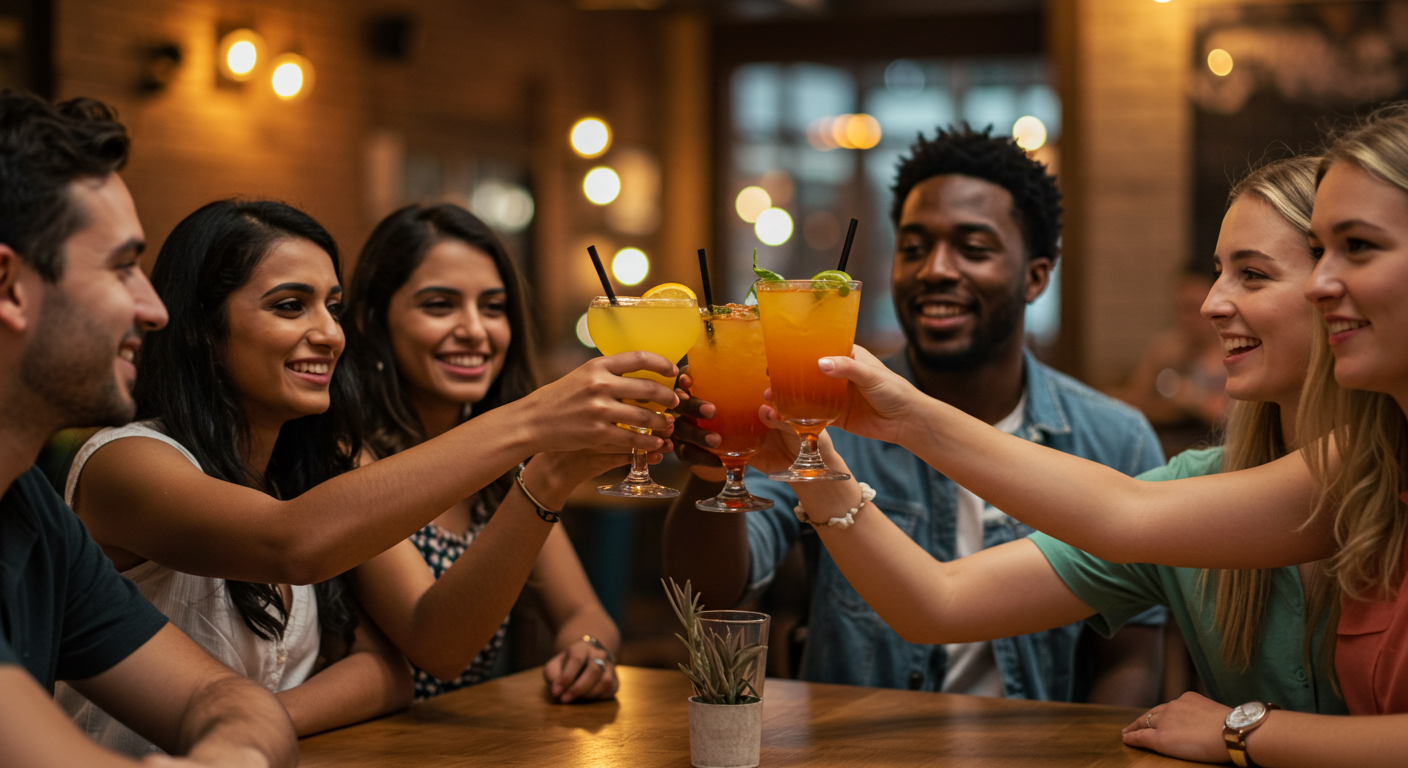
Image Suggestion: A bar counter lined with colorful mocktails and non-alcoholic craft beverages, highlighting the aesthetic appeal and affordability of these alternatives.
Redefining Social Connection
Alcohol has long been a social lubricant, but younger generations are finding new ways to connect without it. The rise of “sober curious” movements, popularized by books like Ruby Warrington’s Sober Curious (2019), encourages people to question the role alcohol plays in their social lives. Gen Z, in particular, values authenticity and meaningful interactions, often finding that alcohol-fueled gatherings can feel performative or shallow. Instead, they’re gravitating toward activities like board game nights, outdoor adventures, or virtual hangouts that don’t rely on drinking to foster connection.
Social media has amplified this shift by showcasing sober-friendly spaces and events. Platforms like X have seen a surge in hashtags like #SoberLife and #MindfulDrinking, with users sharing stories of how sobriety has deepened their relationships. A 2024 X analysis revealed that posts tagged with #SoberCurious increased by 35% year-over-year, reflecting a growing community of young people celebrating alcohol-free lifestyles (X Analytics, 2024). This redefinition of socializing challenges the notion that alcohol is a prerequisite for fun, replacing it with a focus on genuine presence and shared experiences.
The Alcohol Industry’s Response: Adaptation or Resistance?
The sobriety shift poses a significant challenge to the alcohol industry, which has historically relied on younger consumers to drive sales. In 2023, global alcohol consumption dropped by 6% among 18-34-year-olds, according to the International Wine and Spirits Research (IWSR, 2023). In response, major brands are scrambling to adapt. Companies like Heineken and Diageo have invested heavily in non-alcoholic beverages, launching products like Heineken 0.0 and Seedlip, a non-alcoholic spirit. These offerings cater to the demand for sophisticated, alcohol-free options that mimic the ritual and flavor of traditional drinks without the buzz.
However, not all industry players are embracing change. Some brands continue to market alcohol as a cornerstone of youth culture, relying on nostalgia-driven campaigns or influencer partnerships to maintain relevance. This approach risks alienating a generation that increasingly views such marketing as out of touch. Smaller, independent brands are often more agile, creating craft mocktails or functional beverages infused with adaptogens and nootropics to appeal to health-conscious consumers. The success of these innovations suggests that the industry’s future may hinge on its ability to pivot toward inclusivity and diversity in offerings.
Cultural Shifts and the Rejection of Excess
Beyond health and economics, the sobriety shift reflects a broader cultural rejection of excess. Younger generations have grown up in the shadow of crises—climate change, political polarization, and the mental health toll of social media. This context has fostered a desire for control and intentionality, qualities that drinking often undermines. The performative excess of binge-drinking culture, once glamorized in movies and reality TV, now feels outdated to many young people who prioritize sustainability and mindfulness.
This shift also ties into a growing skepticism of institutions, including those tied to alcohol. Gen Z is acutely aware of the alcohol industry’s history of targeting vulnerable populations and downplaying health risks. Campaigns like Dry January and Sober October, which gained traction in the early 2020s, have further normalized taking breaks from alcohol, encouraging young people to question its role in their lives. As a result, sobriety is increasingly seen as a form of rebellion against a culture that equates drinking with success or belonging.

Challenges and Criticisms of the Sobriety Movement
Despite its momentum, the sobriety shift isn’t without challenges. For some, the pressure to abstain can feel like a new form of social conformity, particularly when sober influencers or wellness gurus frame drinking as inherently “toxic.” This binary thinking risks alienating those who enjoy moderate drinking without negative consequences. Additionally, sober-friendly spaces are not always accessible, especially in rural areas or communities where alcohol remains deeply embedded in social rituals.
There’s also the risk of classism in the sobriety movement. High-end mocktails and artisanal non-alcoholic beverages can be expensive, making the “sober curious” lifestyle less attainable for lower-income individuals. Addressing these barriers will be crucial to ensuring that the sobriety shift is inclusive and equitable.
The Broader Implications: A New Social Contract
The sobriety shift signals a broader redefinition of societal values. Younger generations are prioritizing authenticity, health, and connection over escapism and excess. This trend extends beyond alcohol, influencing attitudes toward work, consumption, and even technology. For instance, the rise of digital detoxes and minimalist lifestyles parallels the sobriety movement’s focus on intentionality.
For society, this shift could lead to healthier communities, reduced healthcare costs, and a rethinking of social spaces. Cities might invest in more alcohol-free venues, from sober bars to wellness-focused community centers. For individuals, it offers a chance to redefine fun and connection on their own terms, free from societal expectations.
Conclusion: Embracing a Sober Future
The sobriety shift among younger generations is more than a trend—it’s a cultural revolution that challenges long-held assumptions about alcohol’s role in our lives. Driven by health consciousness, economic realities, and a desire for authentic connection, Gen Z and Millennials are rewriting the script on socializing. While the alcohol industry grapples with this change, its ability to innovate will determine its relevance in a rapidly evolving market. As sobriety becomes less of a sacrifice and more of a celebration, it’s clear that younger generations are not just rethinking alcohol—they’re reimagining what it means to live well.
Image Suggestion: A serene image of a Gen Z individual meditating in a park at sunrise, symbolizing clarity and intentionality in a sober lifestyle.
References
- Nielsen. (2023). Consumer Trends Report: Gen Z and Wellness. Nielsen Insights.
- Smith, J., et al. (2024). “Trends in Alcohol Abstinence Among Young Adults.” Journal of Public Health, 46(3), 112-120.
- Beverage Industry Analysis Group (BIAG). (2025). Global Beverage Market Trends. BIAG Reports.
- International Wine and Spirits Research (IWSR). (2023). Global Alcohol Consumption Trends. IWSR Analytics.
- Warrington, R. (2019). Sober Curious. HarperOne.
- X Analytics. (2024). Social Media Trends: Sober Curious Hashtags. X Platform Data.