





















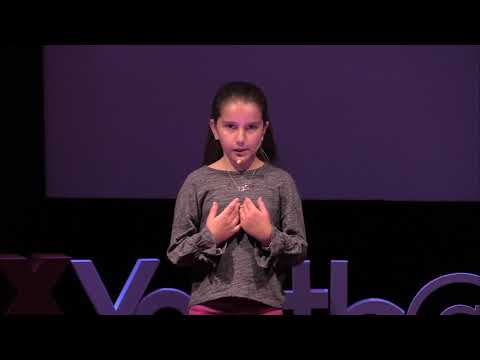
In a small community center in Toronto, a seven-year-old girl named Maya watched as her teacher helped an elderly man struggling with his walker. Without prompting, Maya rushed over and held the door open, offering a bright smile. The man’s eyes lit up, and he thanked her warmly. This simple moment—captured by a parent’s phone camera and shared across social media—sparked a conversation that reached millions.
As we navigate 2026, our world faces unprecedented challenges: technological disruption, political polarization, climate concerns, and social fragmentation. Yet amid these complexities, the timeless values of respect and compassion remain our most powerful tools for creating positive change. Whether you’re a tech professional collaborating across continents, a community leader building bridges between generations, or a parent teaching children how to treat others, understanding why respect matters has never been more critical.
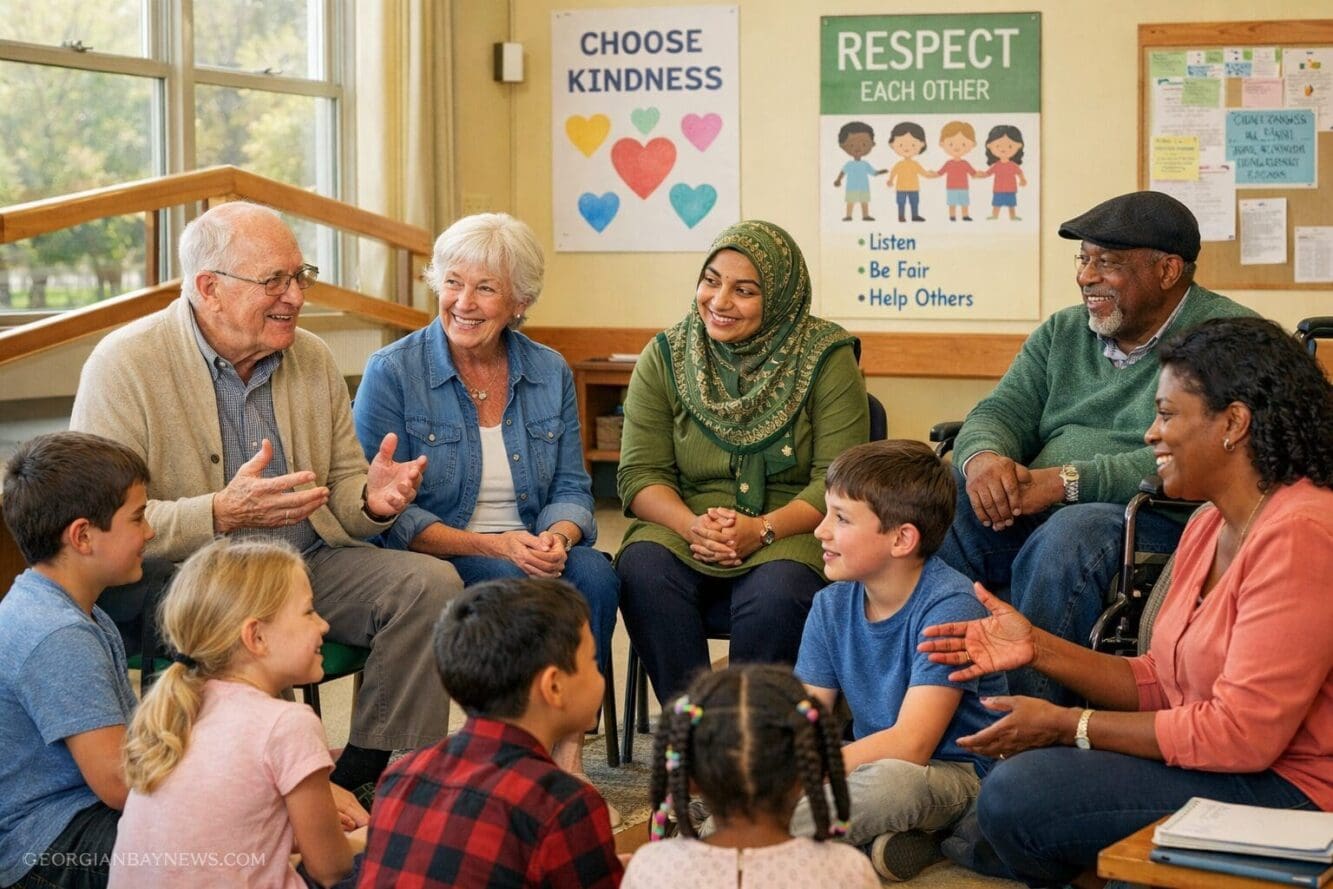
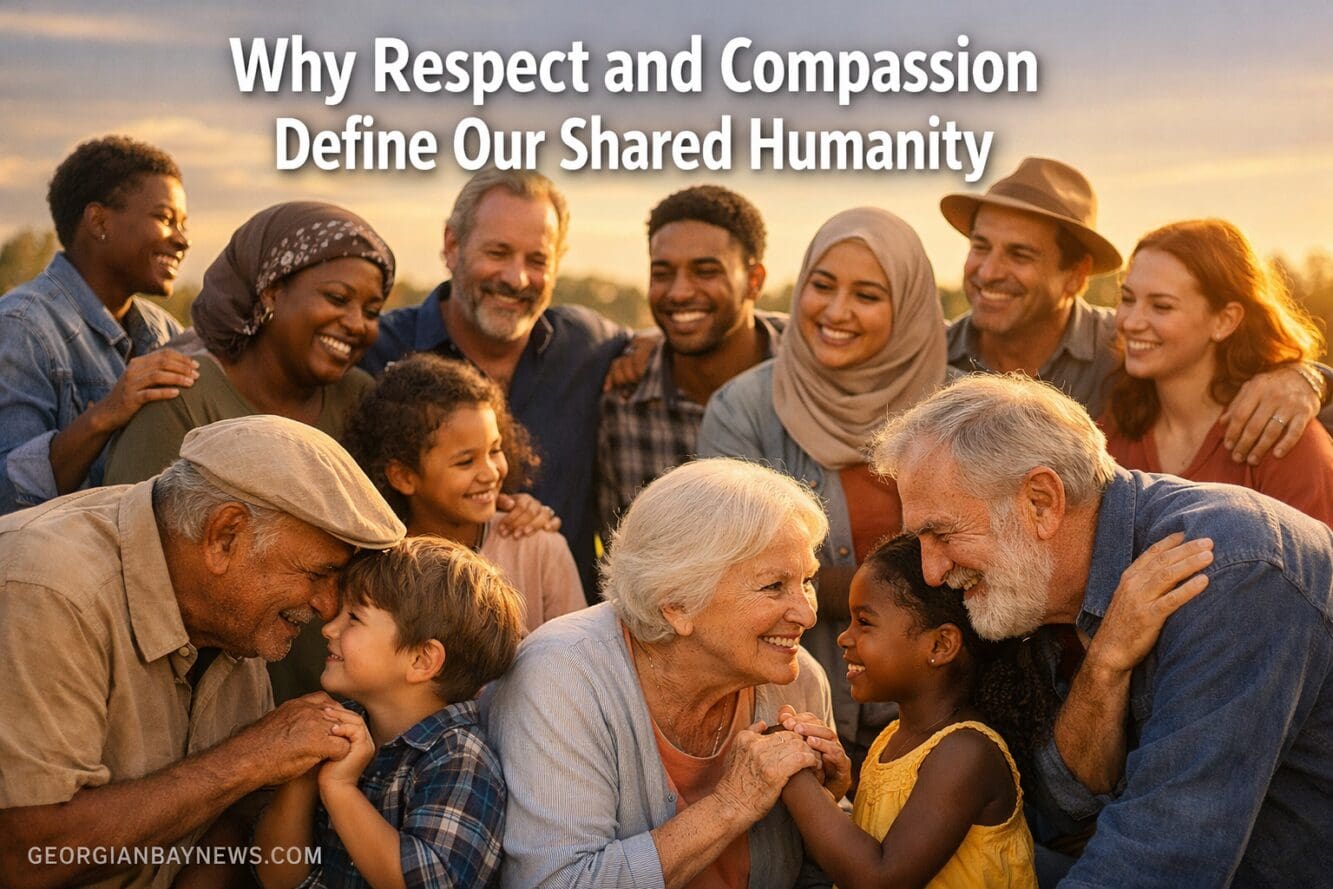
Respect goes far deeper than simple courtesy or following social rules. At its core, respect means recognizing the inherent worth and dignity of every human being, regardless of their background, beliefs, or circumstances. It’s about seeing others as fully human—with their own hopes, fears, struggles, and dreams.
Research in psychology reveals that respect fulfills fundamental human needs. According to recent studies on human connection and emotional wellbeing, people who feel respected experience:
When we show respect to others, we’re essentially saying: “You matter. Your experiences are valid. Your voice deserves to be heard.” This acknowledgment creates psychological safety—a state where people feel secure enough to be authentic, take risks, and engage meaningfully with others.
One crucial distinction often gets overlooked: respect doesn’t require agreement. You can profoundly disagree with someone’s opinions while still treating them with dignity and consideration. This distinction becomes especially important in our polarized world, where political, religious, and cultural differences often divide communities.
“Respect is not about thinking the same way; it’s about honoring the humanity in someone even when you see the world differently.”
When respect becomes embedded in a community’s culture, the positive effects multiply exponentially. Consider these real-world impacts:
Communities built on mutual respect experience:
A 2025 study examining community wellbeing found that neighborhoods with higher levels of interpersonal respect reported 40% fewer incidents of violence and significantly higher resident satisfaction scores.
Respect isn’t just morally right—it’s economically smart. Respectful communities attract:
For seniors and younger generations alike, respect creates opportunities for meaningful exchange. When young people show respect to elders, they gain access to wisdom and experience. When seniors respect youth perspectives, they stay connected to innovation and change. This intergenerational respect strengthens families and enriches entire communities.
Perhaps nowhere is respect more important than in teaching children how to interact with the world. The values children learn early shape their entire lives and, by extension, the future of our society.
Children’s brains are remarkably plastic during early development. Between ages 3-12, they’re forming core beliefs about:
Key strategies for teaching respect to children:
Practical ways children can practice respect include:
| Age Group | Respectful Actions | Learning Outcomes |
|---|---|---|
| 3-5 years | Saying please/thank you, taking turns, gentle touch | Basic social courtesy, impulse control |
| 6-9 years | Listening without interrupting, including others, helping those in need | Empathy development, perspective-taking |
| 10-12 years | Respecting privacy, accepting different opinions, standing up against bullying | Critical thinking, moral courage |
| 13-17 years | Engaging in civil discourse, volunteering, mentoring younger children | Civic responsibility, leadership |
The story of Maya from our opening example illustrates this perfectly. Her simple act of holding a door wasn’t accidental—it reflected values her parents and teachers had consistently modeled and reinforced. These small moments accumulate into character.
As we progress through 2026, technology continues reshaping how humans interact. Tech professionals, developers, and digital citizens face unique challenges in maintaining respect online.
Online platforms often reduce accountability, leading to:
According to research on digital relationships and emotional connection [4], the quality of human interaction has declined in purely digital spaces, with users reporting feeling less respected and understood compared to face-to-face communication.
People and communities can combat digital disrespect through:
✅ Clear community guidelines that define respectful behavior
✅ Consistent moderation that enforces standards fairly
✅ Highlighting positive interactions to set cultural norms
✅ Education about digital citizenship starting in elementary school
✅ Design choices that promote thoughtful engagement over reactive responses
Tech companies and platform developers bear special responsibility for creating systems that encourage respect rather than reward outrage and division.
While respect acknowledges human dignity, compassion moves us to action. Compassion means recognizing suffering in others and feeling motivated to help alleviate it.
Neuroscience research reveals fascinating insights about compassion:
A 2026 resolution focused on kindness to self and others [3] emphasized that compassion isn’t just altruistic—it’s essential for personal mental health and resilience.
For healthcare professionals, social workers, and others in caring professions, maintaining compassion requires intentional self-care. Compassion fatigue occurs when constant exposure to others’ suffering depletes emotional resources.
Strategies to sustain compassion include:
For Canadians, Americans, and world readers, understanding how different cultures express respect enriches global cooperation.
Canada’s multicultural identity emphasizes:
Exploring Indigenous perspectives and interpretive guides can deepen understanding of respect traditions that predate colonial contact.
The United States grapples with tensions between:
American communities that prioritize respect demonstrate that unity doesn’t require uniformity—people can maintain distinct identities while treating others with dignity.
World leaders and international organizations increasingly recognize that global challenges—climate change, pandemics, economic inequality—require unprecedented cooperation built on mutual respect between nations.
Different cultures express respect through:
Understanding these variations prevents misunderstandings and builds bridges across cultural divides.
For tech professionals and workers across industries, respectful workplace cultures directly impact success.
Organizations with strong respect cultures experience:
📈 Higher employee retention (reducing costly turnover)
📈 Increased productivity (workers feel valued and motivated)
📈 Better innovation (psychological safety enables risk-taking)
📈 Stronger customer relationships (respect extends to external interactions)
📈 Enhanced reputation (attracting top talent and clients)
Respectful workplaces demonstrate these behaviors:
The shift toward remote and hybrid work in recent years has made intentional respect practices even more critical, as casual relationship-building opportunities decrease.
Certain groups face particular challenges in receiving the respect they deserve. Addressing these disparities strengthens entire societies.
Seniors often experience ageism—discrimination based on age—manifesting as:
Communities can counter ageism by:
People with disabilities deserve respect that includes:
Economic inequality can erode respect, with people experiencing poverty often facing:
Respectful approaches recognize that economic status doesn’t determine human worth and that systemic factors heavily influence individual outcomes.
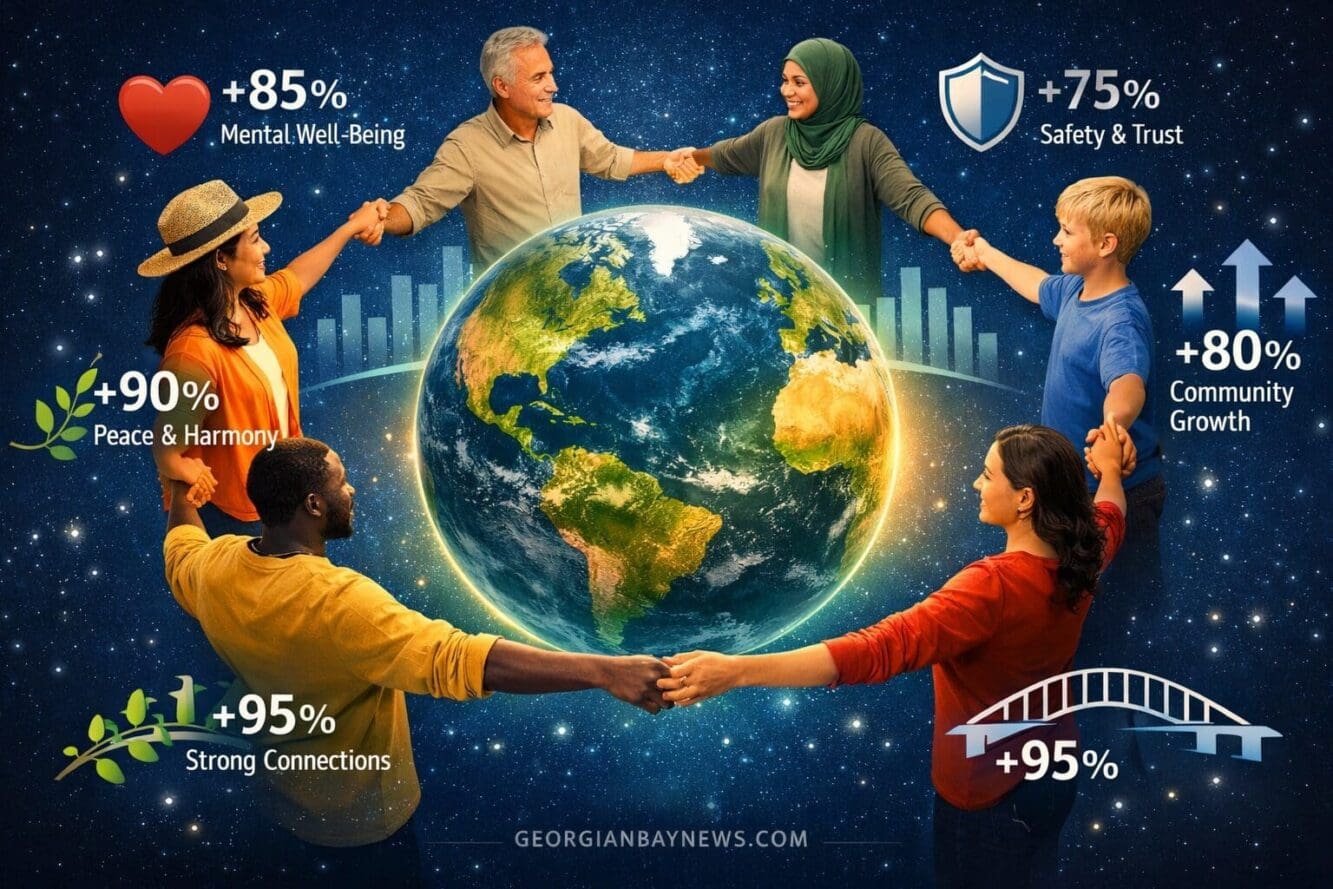
The connection between respect and mental health operates bidirectionally—both giving and receiving respect improve psychological wellbeing.
People who feel consistently respected experience:
Insights from relationship research [1] demonstrate that emotional validation—a core component of respect—significantly impacts mental health outcomes.
The benefits aren’t one-sided. People who practice respect toward others gain:
This reciprocal benefit explains why kindness and respect create virtuous cycles—each act encourages more, building momentum toward healthier communities.
Despite its obvious benefits, respect faces real obstacles in practice.
🚧 Stress and overwhelm – When people feel depleted, respectful behavior becomes harder
🚧 Past hurt – Previous disrespect can create defensive patterns
🚧 Cultural differences – Misunderstanding what constitutes respect
🚧 Power imbalances – Hierarchies that discourage mutual respect
🚧 Tribalism – In-group favoritism and out-group derogation
🚧 Dehumanization – Systems that reduce people to numbers or categories
The path to consistent respect requires ongoing effort, not one-time achievement.
Perhaps the greatest test of respect comes during conflict. Can we maintain dignity toward those we disagree with or who have hurt us?
Effective approaches include:
Forgiveness doesn’t mean condoning harmful behavior, but it can free both parties from cycles of resentment. Respectful forgiveness involves:
Drawing on wisdom from psychological frameworks about healing and personal growth can support this process.
Creating lasting change requires intentional effort at multiple levels.
✨ Practice daily gratitude for people in your life
✨ Challenge your assumptions about others
✨ Speak up against disrespect when you witness it
✨ Apologize genuinely when you fall short
✨ Seek diverse perspectives actively
✨ Model respect for children and others watching
Communities and regions can implement:
Workplaces, schools, and institutions should:
As world leaders and citizens confront existential challenges, respect extends beyond human-to-human interaction to include our relationship with the planet and future generations.
Treating Earth with respect means:
Understanding planetary boundaries and environmental limits helps frame respect in ecological terms.
Respect for future generations requires:
Standing at this moment in 2026, humanity faces a fundamental choice. We can continue down paths of division, disrespect, and dehumanization—or we can recommit to the timeless values of respect and compassion that enable human flourishing.
The evidence is overwhelming: respect isn’t optional for healthy societies. It’s the essential ingredient that makes everything else possible—from raising confident children to building innovative companies, from creating safe neighborhoods to solving global challenges.
Every interaction offers an opportunity. The way you speak to a customer service representative, how you respond to a political opponent online, whether you pause to help someone struggling—these moments accumulate into the culture we create together.
Starting today, commit to:
The transformation won’t happen overnight. Building cultures of respect requires patience, persistence, and willingness to keep trying even when we fall short. But every respectful choice matters. Every act of compassion creates ripples that extend far beyond what we can see.
Maya, the seven-year-old who held the door, didn’t know her simple act would inspire thousands. She just knew that people deserve kindness. That’s where it starts—with individuals choosing, moment by moment, to honor the humanity in everyone they encounter.
The world our children inherit depends on the choices we make today. Let’s choose respect. Let’s choose compassion. Let’s choose our shared humanity over everything that divides us.
Because in the end, we’re all in this together—and respect is how we survive and thrive as one human family.
[1] Relationship Buzzwords Of 2025 Evidence Based Insights For 2026 – https://www.arkhamrise.com/blog/relationship-buzzwords-of-2025-evidence-based-insights-for-2026
[2] The Human Connection Study How Gen Zs Pursuit Of Personal Growth Is Redefining Romance – https://keyt.com/lifestyle/stacker-lifestyle/2026/01/24/the-human-connection-study-how-gen-zs-pursuit-of-personal-growth-is-redefining-romance/
[3] 2026 New Years Resolution Kindness To Self And Others – https://www.psychologytoday.com/us/blog/college-mental-health/202601/2026-new-years-resolution-kindness-to-self-and-others
[4] Trends Digital Ai Relationships Emotional Connection – https://www.apa.org/monitor/2026/01-02/trends-digital-ai-relationships-emotional-connection
Some content and illustrations on GEORGIANBAYNEWS.COM are created with the assistance of AI tools.
GEORGIANBAYNEWS.COM shares video content from YouTube creators under fair use principles. We respect creators’ intellectual property and include direct links to their original videos, channels, and social media platforms whenever we feature their content. This practice supports creators by driving traffic to their platforms.