


















❗️The Simple Investor: What It Is, Who’s Behind It, and What’s Happening Now

Last updated: October 25, 2026
A real estate program built on the promise of “hands-off generational wealth” is now facing creditor lists worth millions of dollars and suspended investor payments. That’s the blunt reality behind The Simple Investor, a brand that spent more than a decade on Canadian radio and podcasts before landing at the center of a liquidity crisis in late 2026.
Quick Answer
The Simple Investor is a real estate investment brand founded by Todd C. Slater, built around buying rental apartment buildings, converting them into condominiums, and selling individual units to investors while continuing to manage them. As of September 2026, the associated management company, SIREG Management Inc., disclosed liquidity problems that delayed rent payments to investors, and creditor documents point to roughly 5 million dollars in unpaid bills tied to the properties.
Key Takeaways
- The Simple Investor is a Canadian real estate investment brand, not a traditional book or stock-picking course.
- Founder Todd C. Slater built the model over roughly 17 years, based on converting rental buildings into condos.
- SIREG Management Inc. is the operating company behind the properties investors bought into.
- In September 2026, SIREG told investors their rent payments could be delayed because of liquidity issues.
- Creditor documents reviewed in online analysis show about 5 million dollars owed to utilities, insurers, and maintenance firms.
- Slater’s social media presence and promotional materials were pulled back around the same time the problems became public.
- The Simple Investor is built for passive, long-term real estate investing, not active trading.
- People researching the brand should treat current marketing claims with caution given the ongoing financial turmoil.
What Is The Simple Investor
The Simple Investor is a real estate investment brand that markets condo units in converted rental buildings as hands-off investments for “everyday Canadians.” The official site describes a model focused on simple, reliable, long-term investing rather than speculation or day trading.
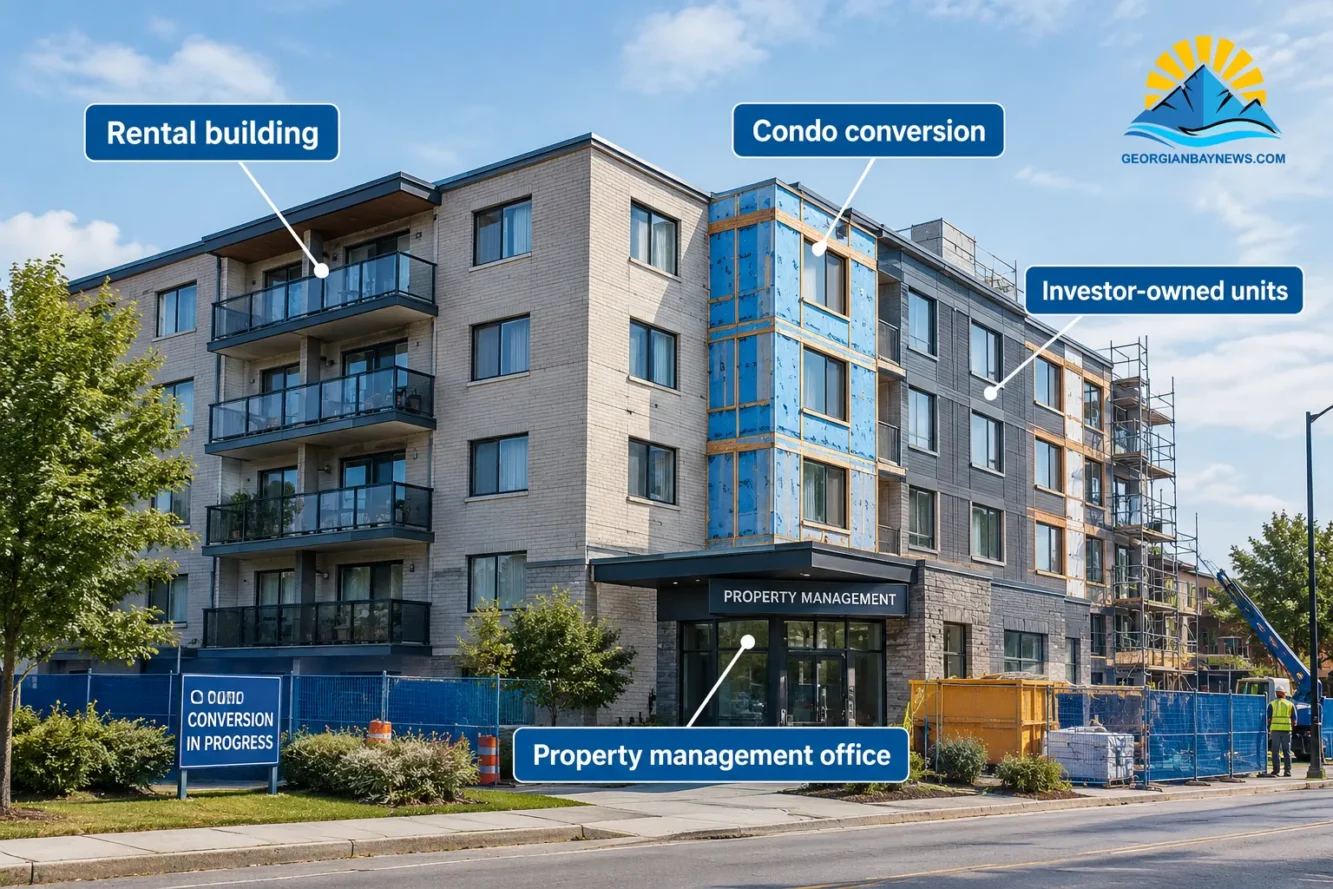
The pitch works like this:
- A rental apartment building is purchased.
- The building is “condominiumized,” meaning it is legally converted into individual condo units.
- Units are sold to investors.
- SIREG, the management arm, continues to run the building and collect rent on the investor’s behalf.
This structure is described on the official Simple Investor site as a way to build generational wealth without investors having to manage tenants, repairs, or paperwork themselves.
Who Created The Simple Investor
Todd C. Slater founded The Simple Investor after closing a successful real estate sales team roughly 14 years ago to focus on this new model, according to a profile on The Property Show. The profile describes him as a leading figure in Canadian real estate investing with more than three decades of industry experience.
Slater built his public reputation through a former Newstalk 1010 radio show, extensive advertising, and podcast appearances, which is how CP24’s reporting on the suspended payments describes his public recognition. A 2023 interview quotes him as president of The Simple Investor Real Estate Group, citing a portfolio of over 3,000 units across Ontario at that time.
Is The Simple Investor a Book or a Website
The Simple Investor is a website and investment platform, not a published book. There is no standalone bestselling book tied to the brand; the core offering lives on thesimpleinvestor.com and a related REIT site.
A newer page, The Simple Investor REIT, presents an expanded version of the same condo-conversion blueprint, run with an independent advisory board intended to add oversight. That REIT material was published before the 2026 liquidity issues surfaced and does not appear to address them directly.
Choose this brand if you’re specifically researching the Slater/SIREG real estate program. Look elsewhere if you’re after general beginner investing education, since this is a single company’s product, not a broad financial curriculum.
The Simple Investor vs Other Beginner Investment Guides
The Simple Investor differs from typical beginner investing guides because it sells a specific real estate product rather than teaching general investment principles. Most beginner guides focus on index funds, budgeting, or diversified portfolios; The Simple Investor focuses on one asset class, one company’s management, and one conversion strategy.
| Feature | The Simple Investor | Typical Beginner Guide |
|---|---|---|
| Format | Real estate investment product | Educational content or book |
| Asset class | Single-property condo units | Diversified (stocks, bonds, ETFs) |
| Management | Managed by SIREG on investor’s behalf | Investor manages own account |
| Current status (2026) | Liquidity concerns, delayed payments | Not applicable |
How Much Does The Simple Investor Cost
Costs aren’t published as a flat rate because The Simple Investor sells individual condo units, meaning the price depends on the specific property, unit size, and location. Investors buy a physical unit, which involves a down payment, closing costs, and ongoing management fees, rather than paying a subscription or course fee.
This differs sharply from “beginner investing” products that charge a one-time course fee or monthly subscription. Anyone considering this route should treat it as a real estate purchase with real estate-level capital requirements, not a low-cost learning tool.
Simple Investor Reviews: Is It Worth It
Reviews of The Simple Investor are mixed and have turned sharply negative since the September 2026 liquidity disclosure. Before that point, marketing and media appearances painted the brand as a leader in Canadian real estate investing; afterward, independent commentary and investor accounts describe confusion and financial stress.
Specific concerns raised in 2026 include:
- Delayed rent payments to investors, confirmed by SIREG itself.
- Suspended payments reported across multiple Simple Investor-linked properties.
- Removal of Slater’s social media accounts and promotional pages around the same time.
- Creditor lists showing unpaid utility, insurance, and maintenance bills.
Common mistake: assuming a long operating history (17 years) automatically means low risk. A long track record does not guarantee immunity from liquidity problems, especially in a model dependent on steady rental income and building-level approvals.
Can Beginners Actually Follow The Simple Investor
Beginners can technically buy into The Simple Investor model, but the capital requirements and current financial turmoil make it a poor fit for first-time investors in 2026. Buying a condo unit requires a down payment comparable to any real estate purchase, plus exposure to a management company now dealing with disclosed liquidity challenges.
A beginner better suited to simpler, lower-capital options should look at index funds or diversified REITs with transparent public reporting, rather than a single-operator condo-conversion program currently under financial stress.
Simple Investor Common Mistakes to Avoid
The biggest mistake is treating “hands-off” marketing language as a guarantee of safety rather than a description of convenience. Hands-off investing still carries full exposure to the manager’s financial health.
Other mistakes include:
- Skipping independent due diligence on the specific condo corporation and building.
- Not checking recent news before committing capital, especially given the 2026 payment suspensions reported by CP24.
- Assuming marketing reach (radio ads, podcasts, social media) equals financial stability.
- Overlooking condo corporation governance risks that come with “condominiumized” rental buildings.
Is The Simple Investor For Passive Investing or Active Trading
The Simple Investor is built entirely for passive, long-term real estate investing, not active trading. There are no day-to-day trading decisions; investors buy a unit and rely on SIREG’s management for operations, maintenance, and rent collection.
This passive design is also where the current risk lives: when the manager faces liquidity problems, as disclosed in September 2026, passive investors have little direct control over outcomes and must wait on company updates.
The Simple Investor Strategies That Worked in 2024 vs Current Reality
In earlier years, including through 2024, the strategy centered on acquiring rental buildings, converting them to condos, and selling units while promising steady appreciation and mortgage paydown benefits. Slater described this as a repeatable, proven approach in a 2023 interview citing a portfolio of more than 3,000 units.
That same structure is now under scrutiny. Creditor documentation reviewed in online financial commentary describes roughly 5 million dollars in outstanding obligations to utilities, insurers, elevator companies, and maintenance providers tied to SIREG-managed properties, a sharp contrast to the growth narrative promoted in prior years.
Alternatives to The Simple Investor for Beginners
Lower-risk, more transparent alternatives for beginners include diversified real estate investment trusts (REITs) traded on public exchanges, low-cost index funds, and broadly diversified ETF portfolios. These options typically offer daily liquidity, public financial reporting, and no single-manager concentration risk.
Decision rule: choose a publicly traded, diversified option if you want transparency and the ability to exit quickly. Choose a private, single-operator real estate program only after extensive due diligence and only with capital you can afford to have tied up or at risk.
Simple Investor Reddit: What Do People Say
Online discussion and independent video commentary in 2026 have grown increasingly critical, with multiple creators specifically asking anyone involved with Todd C. Slater and The Simple Investor to come forward with information. One video from late September 2026 described the investments as high-rise and low-rise condominium units sold strictly as investment properties, while another from early October referenced years of radio and podcast marketing alongside questions about potential bankruptcy proceedings.
This kind of grassroots scrutiny tends to intensify after companies disclose payment problems, and it reflects investor anxiety rather than confirmed legal outcomes.
How Long To See Results With The Simple Investor
Under the original marketing model, The Simple Investor framed results around long-term mortgage paydown and property appreciation, typically discussed in multi-year timeframes rather than months. Promotional materials and workshop videos from 2012 through 2013 emphasized that real estate wealth-building is gradual by design.
Given the 2026 liquidity disclosures, anyone currently holding units should expect near-term uncertainty rather than steady returns, since rent payments have already been delayed and the broader financial picture remains unresolved.
The Simple Investor vs Bogleheads Investing Philosophy
The Simple Investor and the Bogleheads philosophy sit at opposite ends of the investing spectrum. Bogleheads investing, built around low-cost diversified index funds and minimal fees, prioritizes broad market exposure and transparency. The Simple Investor concentrates capital in individual real estate units tied to one company’s management and one conversion strategy.
| Factor | The Simple Investor | Bogleheads Philosophy |
|---|---|---|
| Diversification | Concentrated in specific properties | Broad market diversification |
| Transparency | Private company disclosures | Public fund reporting |
| Liquidity | Low (real estate, single manager) | High (publicly traded funds) |
| 2026 risk profile | Elevated, liquidity issues disclosed | Standard market risk only |
SIREG Entities File Amid Investor Turmoil
SIREG Management Inc., the company operating properties under The Simple Investor brand, disclosed liquidity challenges in September 2026 that left Ontario condo investors scrambling. Reporting from that period describes rent payment delays communicated directly by SIREG to investors, alongside growing concern over transparency.
Independent video analysis of creditor documents describes an initial SIREG creditor list totaling close to 5 million dollars, covering utilities, insurance providers, elevator maintenance companies, and snow-removal services. These unpaid obligations affect both tenants living in the buildings and investor-owners who hold units in the affected condo corporations, raising the possibility of formal insolvency or restructuring proceedings, though no outcome has been confirmed.
Conclusion: Where This Leaves Investors and Researchers
The Simple Investor built a well-known brand through years of radio ads, podcasts, and a straightforward condo-conversion pitch. In 2026, that brand is now tied to disclosed liquidity problems, delayed rent payments, and a creditor list worth millions of dollars, all while founder Todd C. Slater’s public marketing presence has quietly scaled back.
Anyone currently holding units should request direct, written updates from SIREG, review condo corporation financial statements, and consult an independent financial or legal advisor before making further decisions. Anyone considering a new investment should pause entirely until the current liquidity situation is resolved and verified through official channels rather than marketing materials.
For broader Canadian business and economic context, see related coverage on job losses across Canada and ongoing just transition economic policy discussions.
Content, illustrations, and third-party video appearing on GEORGIANBAYNEWS.COM may be generated or curated with AI assistance or reproduced pursuant to the fair dealing provisions of the Copyright Act, R.S.C. 1985, c. C-42. Attribution and hyperlinks to original sources are provided in acknowledgment of applicable intellectual property rights. Such referencing is intended to direct traffic to and support the original rights holders’ platforms.