















$250M Pickleball Inc. Merger: How PPA and MLP Union is Reshaping Pro Leagues and Player Futures

Last updated: May 6, 2026
Quick Answer
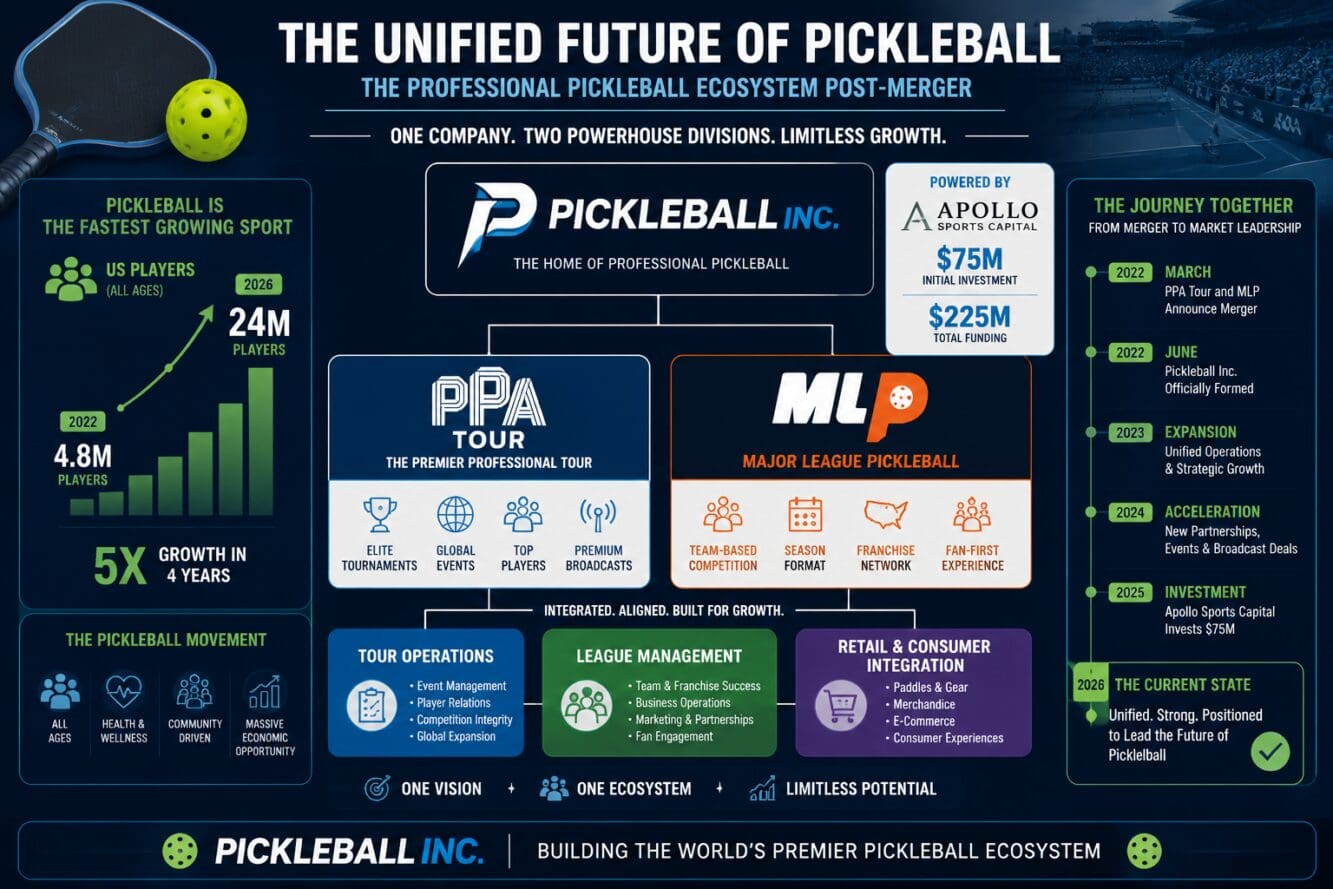
The $250M Pickleball Inc. merger consolidated the PPA Tour and Major League Pickleball under one holding company, creating a unified professional structure backed by substantial investment capital. This union, which began with a $75 million initial investment in 2022 and expanded to $225 million in total funding [3], has fundamentally changed how professional pickleball operates—from tour scheduling and player contracts to fan engagement and broadcast rights. The merger positions pickleball as a legitimate professional sport with centralized governance, standardized competition formats, and enhanced financial stability for athletes.
Key Takeaways
- Unified structure: PPA Tour and MLP merged under Pickleball Inc., creating one holding company for professional pickleball operations
- Major investment: Initial $75 million backing grew to $225 million total funding, with Apollo Sports Capital involvement [3]
- Market growth: The sport reached 24 million US players, justifying the massive investment in professional infrastructure
- Centralized governance: One entity now controls tour schedules, player contracts, and league operations instead of competing organizations
- Enhanced player stability: Professional athletes benefit from standardized contracts, clearer career paths, and better financial security
- Improved fan experience: Consolidated broadcasting, unified branding, and coordinated event scheduling create more accessible viewing
- Retail integration: Strategic acquisitions like Pickleball Central (acquired December 2021) connect professional play with consumer markets [2]
- Investor confidence: Thomas Dundon and other major investors signal long-term viability of professional pickleball [2]
What Exactly Is the $250M Pickleball Inc. Merger?
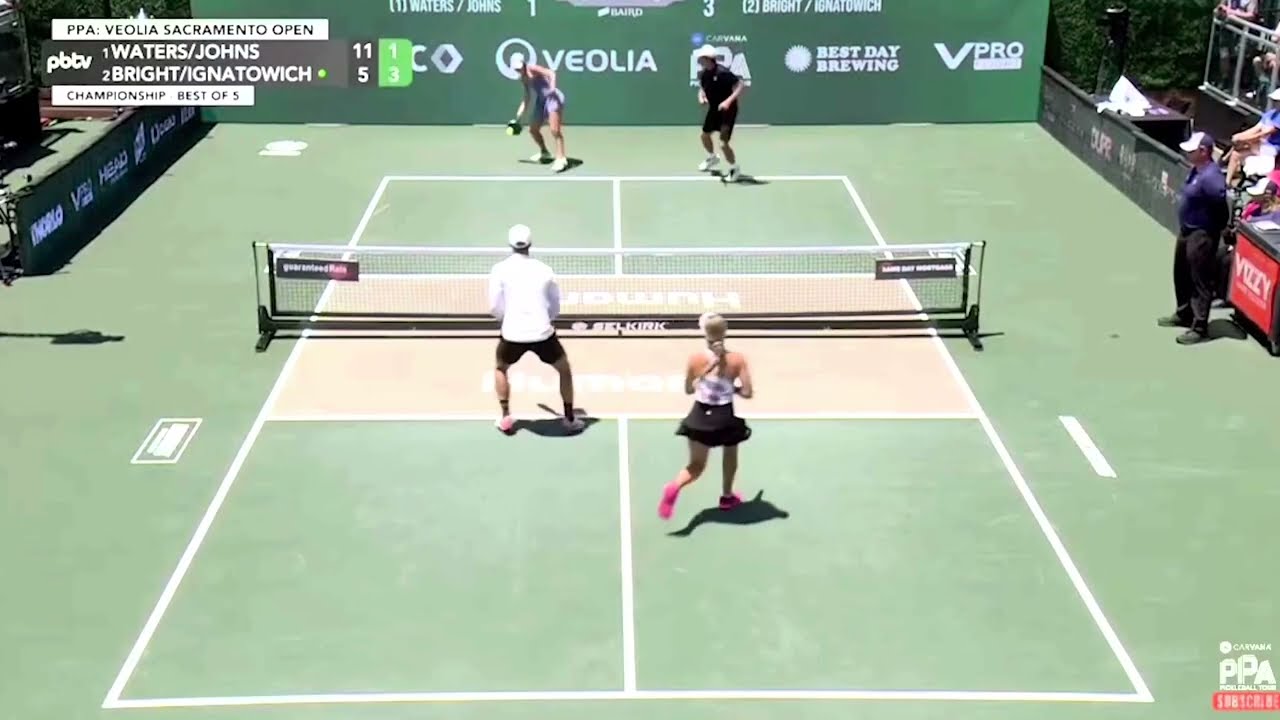
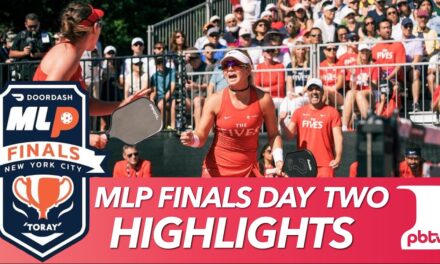
The $250M Pickleball Inc. merger represents the consolidation of two major professional pickleball entities—the PPA Tour (Professional Pickleball Association) and Major League Pickleball (MLP)—under a single holding company. The merger officially began on November 9, 2022, when Major League Pickleball announced a strategic union with the PPA Tour’s VIBE Pickleball League [2].
The unified company, formed by merging the Dallas-based Carvana PPA Tour and Austin-based MLP by Margaritaville, initially secured $75 million in investment [3]. This funding later expanded to approximately $225 million as the sport demonstrated explosive growth, reaching 24 million US players.
Key merger components include:
- Operational consolidation: Tour scheduling, event management, and league operations under one leadership team
- Financial backing: Apollo Sports Capital and other institutional investors providing capital for expansion
- Retail integration: Connections to consumer-facing businesses like Pickleball Central, the largest online pickleball retailer
- Unified branding: Consistent marketing and media presentation across all professional competitions
- Player pool management: Centralized athlete contracts and compensation structures
This merger matters because it eliminated the fragmentation that plagued early professional pickleball, where competing tours created scheduling conflicts and divided fan attention.
How Does the Merger Impact Professional Tour Schedules in 2026?
The merger created a coordinated calendar that prevents event overlap and maximizes player participation. Before consolidation, PPA and MLP events sometimes competed for the same weekends, forcing players to choose between tournaments and diluting fan viewership.
Current 2026 tour structure includes:
- PPA Tour events: Individual competition format with singles and doubles brackets, typically 3-4 day tournaments
- MLP team events: Franchise-based team competitions featuring draft systems and season-long standings
- Coordinated scheduling: PPA and MLP events strategically spaced to allow top players to compete in both formats
- Regional distribution: Events spread across major US markets to build local fan bases and reduce player travel costs
Benefits for players:
- Clear annual calendar published months in advance
- Reduced travel conflicts and scheduling uncertainty
- Opportunity to earn income from both individual and team competitions
- Better work-life balance with predictable competition windows
Common mistake to avoid: Assuming the merger eliminated competition variety. Both tour formats continue independently but now complement rather than compete with each other.
What Changes Has the Merger Brought to Player Contracts?
Player contracts have become more standardized and financially secure under the unified Pickleball Inc. structure. Before the merger, athletes navigated different contract terms, payment schedules, and participation requirements across competing tours.
2026 contract improvements include:
- Standardized base compensation: Minimum payment guarantees for top-ranked players participating in tour events
- Team franchise agreements: MLP players sign with specific franchises, creating stability similar to traditional professional sports
- Appearance fees: Guaranteed payments for marquee players attending designated events, regardless of performance
- Prize money standardization: Consistent payout structures across similar tournament tiers
- Sponsorship coordination: Centralized management of league-level sponsors while allowing individual player endorsements
Choose team contracts if: You prefer guaranteed income and team-based competition. Team franchise spots offer base salaries plus performance bonuses.
Choose tour-only participation if: You excel in individual competition and want maximum flexibility. PPA Tour events allow entry-by-ranking or qualification without franchise commitments.
Edge case: Some elite players negotiate hybrid contracts that guarantee participation in both PPA Tour stops and MLP team competitions, maximizing earning potential across both formats.
How Has the $250M Investment Changed the Fan Experience?
The substantial capital injection has dramatically improved how fans consume professional pickleball. Investment dollars funded broadcast infrastructure, venue upgrades, and digital platforms that make the sport more accessible in 2026.
Fan experience enhancements:
- Streaming accessibility: Dedicated streaming platforms with live coverage, replays, and highlight packages
- Broadcast quality: Professional production with multiple camera angles, instant replay, and expert commentary
- Venue improvements: Permanent and semi-permanent facilities with better seating, sightlines, and amenities
- Digital engagement: Mobile apps with live scoring, player stats, and interactive features
- Unified branding: Consistent visual identity makes it easier for casual fans to follow the sport
- Social media integration: Coordinated content across platforms featuring player personalities and behind-the-scenes access
Comparison to pre-merger experience:
| Aspect | Before Merger | After Merger (2026) |
|---|---|---|
| Streaming | Inconsistent, multiple platforms | Unified platform with subscription model |
| Production quality | Variable, often amateur-level | Professional broadcast standards |
| Event information | Scattered across competing websites | Centralized schedule and results |
| Player access | Limited, uncoordinated | Structured media availability |
| Ticket sales | Fragmented systems | Unified ticketing platform |
For casual fans: The merger makes it much easier to follow professional pickleball without tracking multiple organizations, websites, or social media accounts.
What Role Do Major Investors Play in Reshaping the Sport?
Major investors like Thomas Dundon and Apollo Sports Capital bring more than just capital—they provide strategic guidance, business expertise, and industry connections that professionalize pickleball operations.
Thomas Dundon, through Dundon Capital Partners, acquired Pickleball Central on December 27, 2021, and serves as chairman of pickleball.com [2]. His involvement demonstrates a vertical integration strategy connecting professional competition with consumer retail and media.
Investor contributions include:
- Capital for infrastructure: Funding for permanent venues, broadcast equipment, and technology platforms
- Business expertise: Professional management practices from other sports and entertainment industries
- Media relationships: Connections to broadcast networks and streaming services for distribution deals
- Marketing resources: Sophisticated brand development and audience growth strategies
- Financial discipline: Professional accounting, budgeting, and revenue optimization
Common concern: Some fans worry that corporate investment will commercialize the sport excessively. However, the capital has primarily funded improvements that benefit players and fans rather than extracting profits.
How Does the Merger Affect Amateur and Recreational Players?
While the $250M Pickleball Inc. merger focuses on professional competition, its effects ripple through the entire pickleball ecosystem, including recreational play.
Indirect benefits for amateur players:
- Increased visibility: Professional coverage inspires more people to try pickleball, growing local playing communities
- Better equipment: Retail integration and market growth drive innovation in paddles, balls, and court surfaces
- Facility development: Professional event success encourages municipalities to build public pickleball courts
- Instructional content: Professional players create teaching resources and clinics funded by league partnerships
- Pathway clarity: Amateur players understand what it takes to reach professional levels through transparent ranking systems
Choose recreational play if: You enjoy pickleball for fitness, social connection, and fun without competitive pressure. The recreational game remains accessible regardless of professional developments.
Choose competitive amateur play if: You want to test your skills in tournaments with potential pathways to professional qualification. The unified structure creates clearer advancement opportunities.
What Challenges Does the Merged Entity Face Going Forward?
Despite substantial investment and initial success, Pickleball Inc. faces several challenges maintaining growth and profitability in 2026 and beyond.
Key challenges include:
- Sustained audience growth: Converting casual interest into dedicated viewership that attracts premium broadcast deals
- Player compensation balance: Meeting athlete income expectations while maintaining financial sustainability
- Competition from other sports: Capturing attention in a crowded sports entertainment marketplace
- Geographic expansion: Building fan bases beyond core pickleball markets in the US
- Franchise valuation: Maintaining and growing MLP team values to justify owner investments
- Regulatory coordination: Working with governing bodies on rules standardization and anti-doping policies
Common mistake: Assuming rapid growth will continue indefinitely. The sport must demonstrate staying power beyond initial novelty to justify current valuations.
Edge case: Economic downturns could reduce discretionary spending on sports entertainment, testing the business model’s resilience during challenging conditions.
What Does This Mean for Aspiring Professional Players?
The merger creates a more defined pathway to professional pickleball but also raises the competitive bar for aspiring athletes.
Steps to professional status in 2026:
- Build ranking: Compete in sanctioned amateur tournaments to establish verifiable skill level
- Attend qualifiers: Enter PPA Tour qualifying events to earn spots in main draws
- Develop visibility: Create social media presence and personal brand to attract sponsors
- Train consistently: Work with coaches and training partners to reach elite competitive level
- Network strategically: Connect with current professionals, coaches, and team owners for opportunities
- Consider team tryouts: Attend MLP franchise tryouts or showcases for team contract opportunities
Realistic timeline: Most successful professional players spend 2-4 years building skills and rankings before earning sustainable income from competition.
Financial reality: Only top-tier players earn six-figure incomes from prize money and contracts. Most professionals supplement competition earnings with coaching, clinics, and sponsorships.
FAQ
How much money did the PPA and MLP merger involve?
The merger initially involved $75 million in investment, which later expanded to approximately $225 million in total funding for Pickleball Inc. [3]
When did the PPA and MLP officially merge?
The strategic merger was announced on November 9, 2022, creating a unified professional pickleball holding company [2].
Who are the major investors in Pickleball Inc.?
Apollo Sports Capital and Thomas Dundon (through Dundon Capital Partners) are among the major investors backing the merged entity [2][3].
Do PPA and MLP still operate separately?
Yes, both tour formats continue with distinct competition structures—PPA focuses on individual tournaments while MLP operates team-based franchise competitions—but under unified ownership and coordinated scheduling.
How many people play pickleball in the US?
The sport reached 24 million US players, demonstrating significant market growth that justified the substantial investment in professional infrastructure.
Can amateur players still compete in professional events?
Yes, amateur players can enter PPA Tour qualifying events to earn spots in professional tournaments based on performance rather than requiring franchise contracts.
What happened to Pickleball Central in the merger?
Pickleball Central, the largest online pickleball retailer, was acquired by Thomas Dundon on December 27, 2021, as part of the broader vertical integration strategy [2].
How does the merger affect pickleball equipment and retail?
The integration of professional operations with retail businesses like Pickleball Central creates direct connections between professional play and consumer products, driving equipment innovation.
Are there international expansion plans for the merged leagues?
While specific international plans vary, the consolidated structure provides better resources for potential global expansion compared to fragmented pre-merger operations.
What makes this merger different from other sports league consolidations?
The merger occurred relatively early in pickleball’s professional development, preventing prolonged fragmentation that has plagued other emerging sports.
How do players earn money under the new structure?
Players earn through tournament prize money, team franchise salaries (for MLP participants), appearance fees, sponsorships, and teaching/coaching opportunities.
Will ticket prices increase due to the merger?
Pricing varies by event and market, but improved production quality and venue amenities generally justify current ticket prices while remaining accessible compared to major traditional sports.
Conclusion
The $250M Pickleball Inc. merger represents a defining moment for professional pickleball, transforming fragmented competition into a unified, well-capitalized sports enterprise. By consolidating the PPA Tour and Major League Pickleball under one holding company, the merger has created coordinated scheduling, standardized player contracts, improved fan experiences, and clearer pathways for aspiring professionals.
The substantial investment—growing from $75 million initially to $225 million total—signals investor confidence in pickleball’s long-term viability as both a recreational activity and professional sport. With 24 million US players and growing institutional support, the merged entity has positioned professional pickleball for sustained growth through 2026 and beyond.
Next steps for stakeholders:
- Fans: Subscribe to official streaming platforms and attend live events to support the professional game
- Aspiring players: Focus on building verifiable rankings through sanctioned tournaments and developing personal brands
- Recreational players: Continue enjoying the sport while benefiting from improved facilities and equipment driven by professional growth
- Investors and sponsors: Monitor audience metrics and engagement data to assess partnership opportunities in this expanding market
The merger’s success ultimately depends on converting pickleball’s explosive recreational growth into sustainable professional viewership and revenue. Early indicators in 2026 suggest the unified structure provides the best framework for achieving that goal, but the sport must continue demonstrating staying power beyond initial novelty to justify current valuations and investor confidence.
References
[1] Cn49sjmbmq9 – https://www.instagram.com/p/CN49SJmBmQ9/
[2] Thomas Dundon – https://en.wikipedia.org/wiki/Thomas_Dundon
[3] Successes New – https://guide.dallasinnovates.com/successes-new/
Content, illustrations, and third-party video appearing on GEORGIANBAYNEWS.COM may be generated or curated with AI assistance or reproduced pursuant to the fair dealing provisions of the Copyright Act, R.S.C. 1985, c. C-42. Attribution and hyperlinks to original sources are provided in acknowledgment of applicable intellectual property rights. Such referencing is intended to direct traffic to and support the original rights holders’ platforms.