

















Tropical Plant Hacks for Canadian Zones: Creating Lush Indoor-Outdoor Oases in 2026
Last updated: March 3, 2026
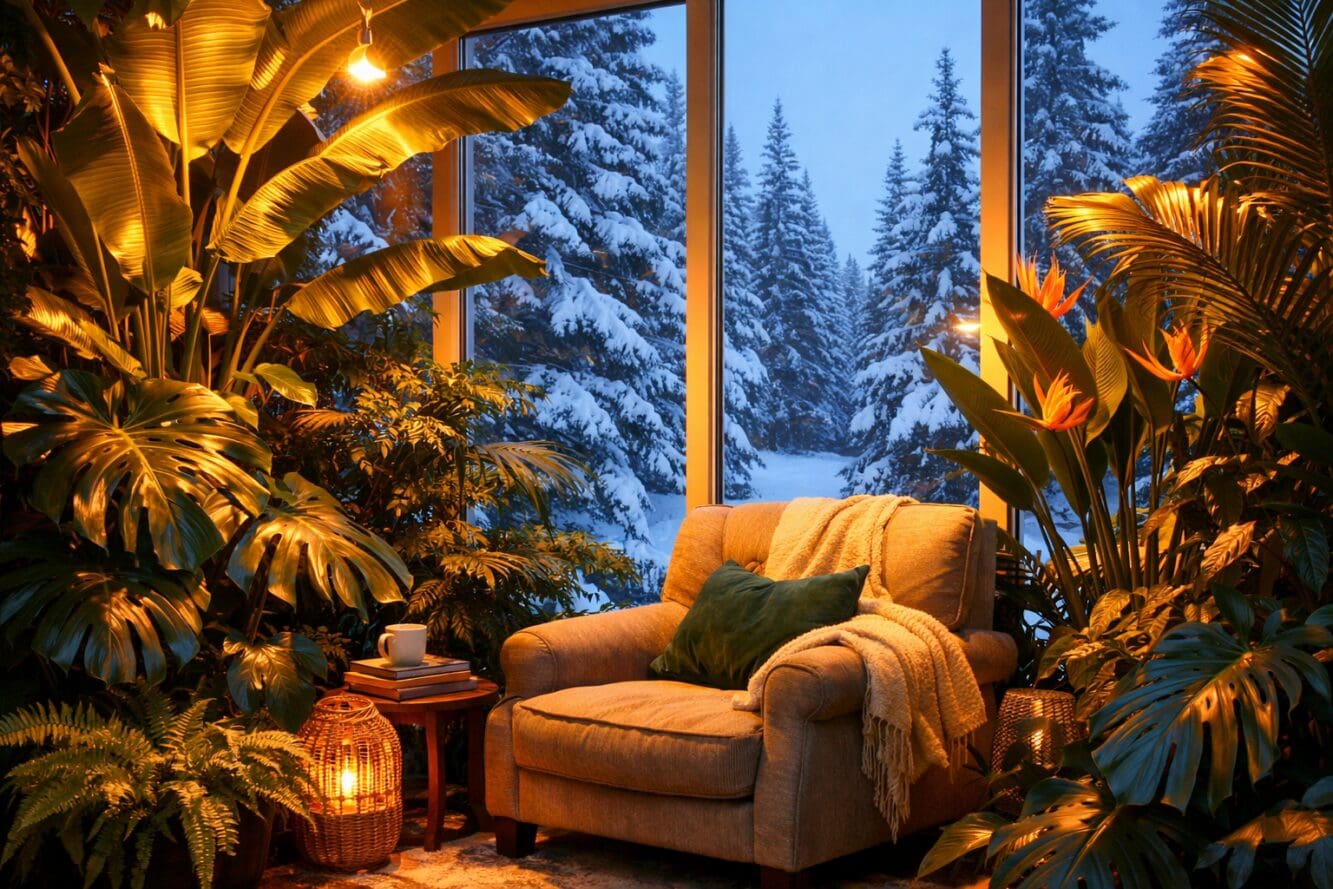
Canadian winters don’t have to mean giving up on tropical greenery. Across the country, gardeners are building lush indoor-outdoor oases using overwintering techniques, modern grow lights, and cold-hardy tropical hybrids. This guide covers everything needed to master tropical plant hacks for Canadian zones: creating lush indoor-outdoor oases in 2026, whether the goal is a sunroom jungle in Zone 3 Alberta or a patio paradise in Zone 7 coastal British Columbia.
Canada’s plant hardiness zones have shifted noticeably over the past several decades. Average temperatures have increased by roughly 1 to 3°C since the 1950s–1960s, with some regions in Western Canada jumping up to two full zones. That means plants that once seemed impossible are now within reach, and the techniques for pushing those boundaries have never been more accessible.
Key Takeaways
- Canada’s updated plant hardiness maps (covering 1991–2020 data) show expanded growing possibilities compared to previous decades.
- Tropical plants can thrive indoors in Canadian homes when temperature stays between 15–30°C with a 5°C evening drop.
- Overwintering strategies (dormant storage, indoor migration, cold frames) let gardeners keep tender tropicals year after year.
- Full-spectrum LED grow lights have become affordable enough to supplement Canada’s short winter days effectively.
- Hardy “tropical-look” plants like Musa basjoo (hardy banana) survive outdoors in Zones 5–6 with proper mulching.
- Humidity is manageable: most tropical houseplants adapt to standard Canadian household humidity levels over time.
- Container gardening is the single most important strategy, since it allows moving plants between indoor and outdoor spaces seasonally.
Quick Answer
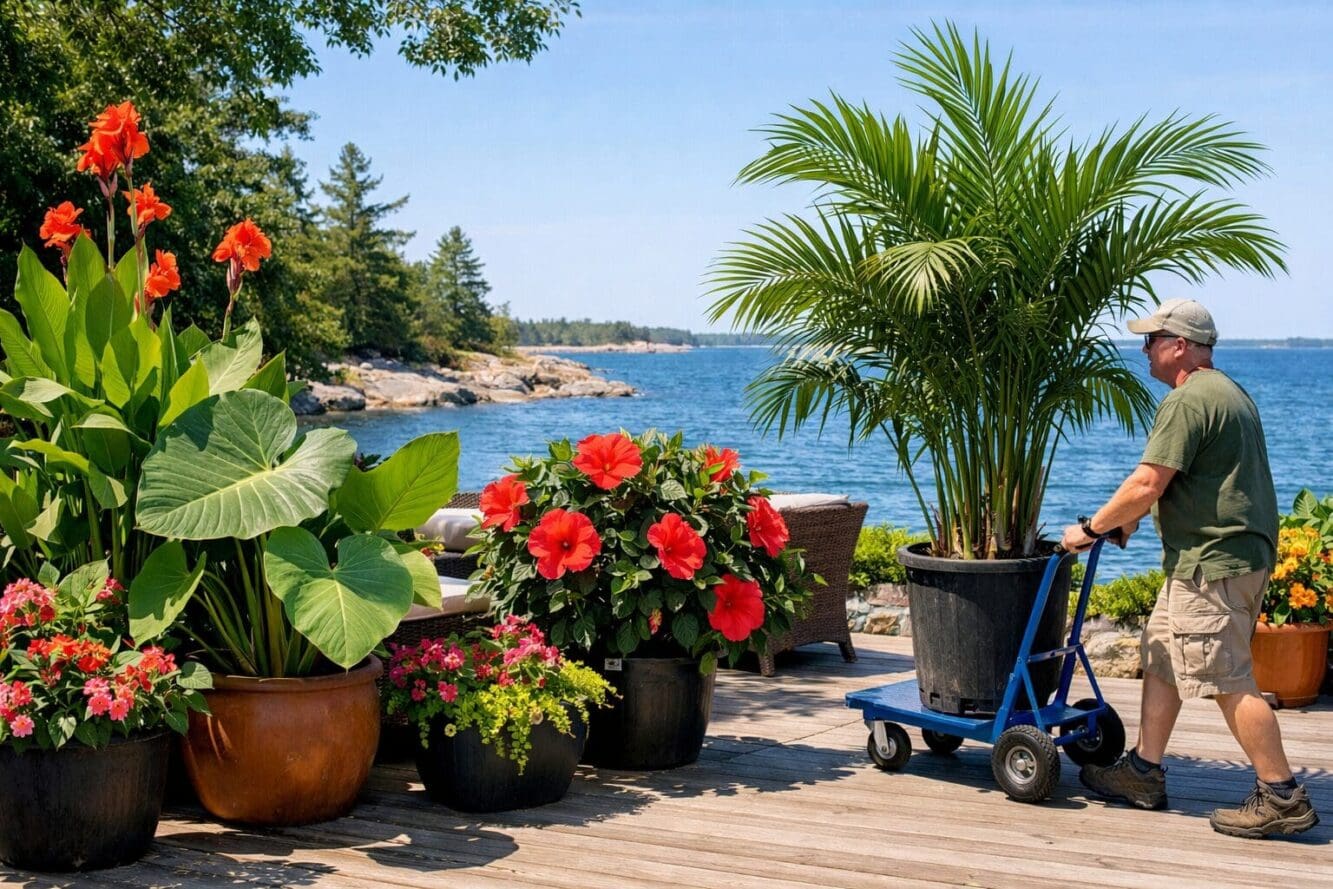
Canadian gardeners can create tropical oases by combining three approaches: growing cold-hardy tropical-look plants outdoors in containers, overwintering tender tropicals indoors or in dormancy, and maintaining year-round indoor tropical collections with supplemental lighting and humidity. The key is matching plant choices to the specific hardiness zone and investing in portable containers that make seasonal transitions easy.
Why Are Tropical Plant Hacks for Canadian Zones So Popular in 2026?
The surge in tropical gardening across Canada comes down to two factors: warmer zones and better tools. Natural Resources Canada’s latest hardiness maps (available at planthardiness.gc.ca, covering 1991–2020 data) confirm that many regions have shifted one to two zones warmer than historical baselines. Southern British Columbia, parts of southern Ontario, and coastal areas now support plants that would have been unthinkable a generation ago.
Beyond climate shifts, the tools have improved:
- LED grow lights now cost a fraction of what they did five years ago, and full-spectrum models closely mimic natural sunlight.
- Smart humidity monitors and small ultrasonic humidifiers make it easy to maintain tropical conditions in a single room.
- Online plant communities share overwintering techniques specific to Canadian zones, removing much of the guesswork.
The result is a growing movement of Canadian gardeners who refuse to accept that their climate limits them to conifers and perennials. Community events like the Collingwood Garden Club plant sale show just how much local interest has grown.
Common mistake: Assuming that a warmer hardiness zone means tropical plants can stay outdoors year-round. Even in Zone 7 Vancouver, most true tropicals still need winter protection or indoor shelter.
Which Tropical Plants Actually Work in Canadian Climates?
Not all tropical plants are equal when it comes to Canadian growing. The best choices fall into three categories: true tropicals for indoor growing, cold-hardy tropical-look plants for outdoors, and tender tropicals that can be overwintered.
True Tropicals for Indoor Growing (All Zones)
These stay indoors year-round or move to a shaded patio in summer:
| Plant | Light Needs | Humidity Tolerance | Difficulty |
|---|---|---|---|
| Monstera deliciosa | Bright indirect | Adapts to low | Easy |
| Pothos varieties | Low to bright | Very adaptable | Easy |
| Dracaena species | Low to high | Adapts well | Easy |
| Bird of paradise | Bright direct | Moderate | Medium |
| Fiddle leaf fig | Bright indirect | Prefers higher | Medium |
| Calathea/Maranta | Medium indirect | Needs higher | Harder |
Cold-Hardy Tropical-Look Plants (Outdoors, Zones 5–7)
These survive Canadian winters with mulching or minimal protection:
- Musa basjoo (hardy banana): Survives to Zone 5 with heavy mulching. The above-ground growth dies back, but rhizomes regenerate each spring.
- Yucca filamentosa: Hardy to Zone 4. Gives a desert-tropical look.
- Hardy hibiscus (Hibiscus moscheutos): Dies to the ground in winter, returns with dinner-plate-sized blooms. Zones 4–9.
- Ornamental grasses (Miscanthus, Pennisetum): Create a tropical feel with minimal effort.
Tender Tropicals Worth Overwintering
- Canna lilies: Dig up rhizomes in fall, store in cool dry place.
- Elephant ears (Colocasia): Same rhizome storage method as cannas.
- Hibiscus rosa-sinensis: Bring indoors as a houseplant for winter.
- Plumeria: Goes dormant, stores easily in a cool basement.
Choose hardy tropical-look plants if the goal is low-maintenance outdoor drama. Choose tender tropicals if willing to put in the seasonal work of digging, storing, and replanting.
How to Set Up Indoor Tropical Growing Spaces in Cold Zones
The foundation of any Canadian tropical oasis is a reliable indoor growing environment. Tropical plants need temperatures between 15–30°C, with a natural 5°C drop at night. Most Canadian homes already meet this requirement during heating season.
Step-by-step indoor setup:
- Choose a location with the most natural light available. South-facing windows are ideal. East or west-facing windows work for medium-light plants.
- Add supplemental lighting. Full-spectrum LED grow lights should run 12–14 hours daily during winter months (November through March). Position lights 30–60 cm above foliage, depending on the manufacturer’s recommendations.
- Address humidity. While many tropical plants adapt to standard household humidity (30–40% in winter), grouping plants together and placing pots on pebble trays with water raises the local humidity around the collection. A small room humidifier set to 50–60% makes a noticeable difference for humidity-loving species like calathea.
- Use appropriate soil. A well-draining mix of peat moss, perlite, and bark keeps tropical roots healthy. Avoid heavy garden soil, which retains too much moisture and invites root rot.
- Monitor temperature. Keep plants away from cold drafts near windows and exterior doors. A digital thermometer-hygrometer costs under $20 and provides essential data.
Gardeners interested in how climate action connects to everyday choices will find that growing tropical plants indoors also reduces the urge to fly south for a green fix during winter months.
Edge case: Basement apartments and north-facing units can still grow tropicals, but will need more aggressive supplemental lighting. Budget for at least two high-quality grow light fixtures per growing shelf.
What Are the Best Overwintering Techniques for Tropical Plants in Canada?
Overwintering is the practice of keeping tropical plants alive through Canadian winters so they can go back outdoors the following spring. The right method depends on the plant type.
Method 1: Active Indoor Growing
Best for: Hibiscus, citrus, bougainvillea, tropical herbs
Move the plant indoors before the first frost (typically late September to mid-October, depending on zone). Place near the brightest window available, supplement with grow lights, and reduce watering. Expect some leaf drop as the plant adjusts. Resume regular fertilizing in March.
Method 2: Dormant Storage
Best for: Cannas, elephant ears, dahlias, caladiums, plumeria
After the first light frost blackens the foliage:
- Cut stems back to 10–15 cm.
- Dig up rhizomes, tubers, or bulbs.
- Let them dry for 24–48 hours in a well-ventilated area.
- Wrap in newspaper or store in slightly damp peat moss.
- Place in a cool (5–10°C), dark location like an unheated garage or basement.
- Check monthly for rot or excessive drying.
Method 3: Cold Frame or Unheated Greenhouse
Best for: Semi-hardy plants in Zones 5–7 that need just a few degrees of frost protection
A simple cold frame built from old windows or polycarbonate panels can extend the season by weeks and protect borderline-hardy plants through mild winters. This won’t work for true tropicals in Zone 3–4 areas like Edmonton, where winter lows reach –34°C.
Common mistake: Bringing outdoor plants directly into a heated home without a transition period. The shock of going from cool outdoor air to dry heated air causes massive leaf drop. Instead, move plants to an unheated porch or garage for a week first, then bring them into the main living space.
Understanding how energy use connects to climate impact can also inform choices about heating overwintering spaces efficiently.
How Do Canadian Hardiness Zones Affect Tropical Plant Choices?
Canada’s hardiness zones range from 0 (extreme Arctic cold) to 9 (mildest coastal areas of BC). Each zone determines which plants survive outdoors year-round and how much indoor infrastructure is needed for tropical growing.
| Zone | Winter Low Range | Tropical Strategy | Example Cities |
|---|---|---|---|
| 3a–3b | –40°C to –34°C | Indoor only; dormant storage for summer tropicals | Edmonton, Saskatoon |
| 4a–4b | –34°C to –29°C | Indoor primary; hardy banana with heavy mulch possible | Winnipeg, Ottawa |
| 5a–5b | –29°C to –23°C | Hardy tropical-look plants outdoors; overwintering for tenders | Toronto, Montreal |
| 6a–6b | –23°C to –18°C | More outdoor options; cold frames extend season | Niagara, southern BC interior |
| 7a–8b | –18°C to –7°C | Many subtropical plants survive outdoors with protection | Vancouver, Victoria |
Decision rule: If the zone number is 4 or lower, plan for a primarily indoor tropical collection with summer patio displays. If Zone 5 or higher, invest in hardy tropical-look plants for permanent outdoor installations and supplement with overwintered tender tropicals.
Edmonton gardeners, officially Zone 4a, often treat their climate as Zone 3b due to wind exposure and chinook-related temperature swings. Native plants like wild bergamot, prairie crocus, and yarrow remain the backbone of outdoor gardens in these areas, with tropical elements reserved for containers and indoor spaces.
For those exploring community-driven approaches to living spaces, shared greenhouse facilities in cohousing developments are becoming a practical way to maintain tropical collections without individual infrastructure costs.
Creating Outdoor Tropical Oases with Container Gardening
Container gardening is the single most effective strategy for tropical plant hacks in Canadian zones. It solves the fundamental problem: tropical plants need to come indoors when temperatures drop, and containers make that possible.
Best practices for tropical container gardening:
- Use large pots (minimum 40 cm diameter for statement plants like bananas or elephant ears). Larger soil volume insulates roots and retains moisture better.
- Choose lightweight containers or invest in a plant dolly. A large ceramic pot filled with wet soil can weigh over 50 kg.
- Use a quality potting mix, not garden soil. Container plants need excellent drainage.
- Group containers to create a dense, jungle-like effect on patios and decks. Vary heights using plant stands, shelving, or stacked pavers.
- Water more frequently than in-ground plants. Containers dry out faster, especially in summer heat and wind.
- Fertilize regularly during the growing season (May through September). Container plants exhaust nutrients faster than ground-planted ones.
A well-designed container tropical garden on a Canadian patio can include cannas for height, coleus for colorful foliage, mandevilla on a trellis for flowers, and sweet potato vine spilling over pot edges. The entire display moves indoors or into dormant storage by Thanksgiving.
Local events and community gatherings are great places to find inspiration and source unusual tropical plants. Checking out community events in the Georgian Bay area can connect gardeners with others who share the tropical growing passion.
What Common Mistakes Should Canadian Tropical Gardeners Avoid?
Even experienced gardeners make predictable errors when growing tropicals in cold climates. Here are the most frequent ones:
- Moving plants out too early. Wait until nighttime temperatures consistently stay above 10°C before moving tropical containers outdoors. One late frost can kill months of growth.
- Skipping the hardening-off period. Indoor plants need 7–10 days of gradual outdoor exposure (starting with a few hours of shade, increasing daily) before being placed in full sun. Without this, leaves burn.
- Overwatering in winter. Indoor tropicals grow slowly in winter and need far less water. Soggy soil in a cool room is the fastest path to root rot.
- Ignoring pests during the indoor-to-outdoor transition. Inspect plants thoroughly before bringing them inside in fall. Spider mites, mealybugs, and fungus gnats hitchhike indoors and spread to the entire collection.
- Choosing the wrong plants for the space. A bird of paradise needs a ceiling height of at least 2.5 meters and a very bright window. Research mature sizes before buying.
- Neglecting soil refresh. Repot or top-dress container tropicals annually. Old soil becomes compacted and nutrient-depleted.
“The biggest mistake Canadian tropical gardeners make is treating indoor growing as a compromise rather than an opportunity. A well-designed indoor tropical space can be more immersive than any outdoor garden.”
Budget Considerations: What Does a Canadian Tropical Oasis Cost?
Costs vary widely depending on scale, but here’s a realistic breakdown for a moderate setup:
| Item | Estimated Cost (CAD) | Notes |
|---|---|---|
| 6–10 tropical plants | $150–$400 | Mix of sizes; buy small and grow |
| Containers and saucers | $100–$300 | Reusable year after year |
| Full-spectrum LED grow lights (2–3) | $80–$200 | Look for 40W+ models |
| Humidifier | $40–$80 | Ultrasonic cool-mist type |
| Potting mix and amendments | $40–$80 | Peat, perlite, bark |
| Thermometer/hygrometer | $15–$25 | Digital combo units |
| Plant dolly (2–3) | $30–$60 | Essential for heavy pots |
| Total startup | $455–$1,145 |
Ongoing annual costs (soil, fertilizer, replacement plants) typically run $50–$150. The initial investment pays for itself quickly compared to annual plant replacement, since overwintered tropicals grow larger and more impressive each year.
For gardeners exploring sustainable approaches to home and community projects, hemp-based growing media and biodegradable pots offer eco-friendly alternatives to traditional plastic and peat-based products.
Conclusion
Building a tropical oasis in a Canadian climate is entirely achievable with the right combination of plant selection, seasonal management, and indoor growing infrastructure. The approach boils down to three actions:
- Start with easy wins. Pothos, monstera, and dracaena thrive indoors in virtually any Canadian home. Add these first to build confidence and create immediate green impact.
- Invest in containers and mobility. Every tropical plant that goes outdoors for summer needs a container and a plan for getting it back inside. Buy the plant dolly before the plant.
- Match ambition to zone. Gardeners in Zones 3–4 should focus on indoor collections with summer patio displays. Those in Zones 5–7 can push boundaries with hardy tropical-look plants outdoors and overwintered tender tropicals.
The updated hardiness maps confirm that Canadian growing possibilities are expanding. Combined with affordable grow lights, better overwintering knowledge, and a thriving community of cold-climate tropical enthusiasts, 2026 is an excellent year to start. Pick three plants, set up one good growing station, and expand from there.
For more local gardening news and community events, explore what’s happening in the Georgian Bay area.
FAQ
Can tropical plants survive a Canadian winter outdoors?
True tropical plants cannot survive outdoors in most Canadian zones during winter. However, cold-hardy tropical-look plants like Musa basjoo (hardy banana) can survive in Zones 5–7 with heavy mulching. All other tropicals need indoor shelter or dormant storage.
What is the best grow light for tropical plants in Canada?
Full-spectrum LED panels rated at 40 watts or higher work well for most tropical houseplants. Position them 30–60 cm above foliage and run them 12–14 hours daily during winter months to compensate for short daylight hours.
How do I know my Canadian hardiness zone?
Visit planthardiness.gc.ca for the most current maps, which use 1991–2020 climate data. Enter a postal code to find the specific zone. Keep in mind that microclimates (south-facing walls, urban heat islands, wind exposure) can shift the effective zone by half a zone or more.
When should I move tropical plants outdoors in Canada?
Wait until nighttime temperatures consistently stay above 10°C, which typically means late May to mid-June depending on the region. Harden plants off gradually over 7–10 days before placing them in their final outdoor position.
Do tropical plants need a humidifier in Canadian homes?
Many common tropical houseplants (pothos, dracaena, monstera) adapt to standard household humidity of 30–40%. Humidity-sensitive species like calathea and ferns benefit from a humidifier set to 50–60%, or placement on pebble trays with water.
What’s the cheapest way to start a tropical indoor garden in Canada?
Begin with inexpensive, easy-to-grow plants like pothos, spider plants, and snake plants. Propagate from cuttings shared by friends or local plant swaps. A single clip-on grow light ($25–$40) can supplement a bright window. Total startup cost can be under $100.
Can I grow tropical fruit trees indoors in Canada?
Dwarf citrus trees (Meyer lemon, calamondin orange) grow well indoors near bright south-facing windows with supplemental lighting. They produce fruit, though yields are modest compared to outdoor growing. Expect 5–15 fruits per year from a mature indoor tree.
How do I store canna lily bulbs over winter in Canada?
After the first frost, cut stems to 10–15 cm, dig up rhizomes, dry for 48 hours, wrap in newspaper, and store in a cool (5–10°C) dark location. Check monthly for rot. Replant outdoors after the last frost in spring.
Are there tropical plants that handle low light well?
Yes. Pothos, ZZ plant, snake plant, and most dracaena species tolerate low-light conditions found in north-facing rooms or interior spaces. They won’t grow as quickly as in bright light, but they’ll survive and maintain their foliage.
What size container do I need for tropical plants?
For large statement plants (banana, elephant ear, bird of paradise), use containers at least 40 cm in diameter. For medium plants (hibiscus, mandevilla), 30 cm works well. Always ensure drainage holes in the bottom.
Content, illustrations, and third-party video appearing on GEORGIANBAYNEWS.COM may be generated or curated with AI assistance or reproduced pursuant to the fair dealing provisions of the Copyright Act, R.S.C. 1985, c. C-42. Attribution and hyperlinks to original sources are provided in acknowledgment of applicable intellectual property rights. Such referencing is intended to direct traffic to and support the original rights holders’ platforms.