



















Dense Bohemian Plantings for Canadian Climates: Lush, Biodiversity-Boosting Cottage-Style Yards in 2026
Last updated: March 6, 2026
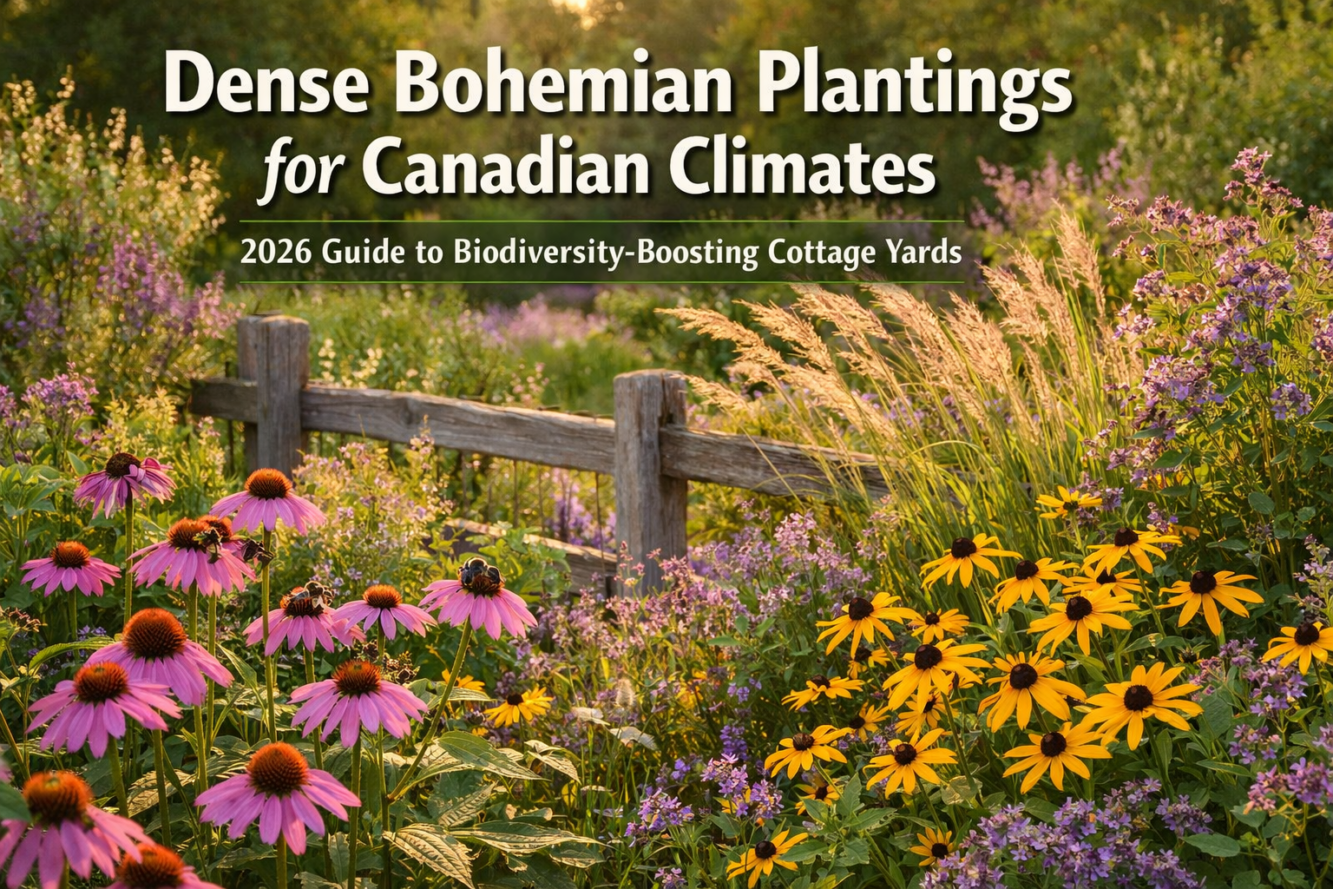
Dense bohemian plantings work in Canadian climates because they mimic natural ecosystems, layering hardy perennials, native shrubs, and ground covers so tightly that weeds struggle to establish and pollinators thrive. The approach is straightforward: pack the right plants close together, choose species suited to your hardiness zone, and let the garden fill in on its own terms. Dense Bohemian Plantings for Canadian Climates: Lush, Biodiversity-Boosting Cottage-Style Yards in 2026 represents a shift away from manicured lawns and toward productive, low-maintenance landscapes that actually support local wildlife.
According to a 2026 Dutrascape landscape trends report, 85% of Canadians now view their yards as essential to environmentally friendly living [3]. That number reflects a real change in how people think about outdoor space, and dense bohemian planting is one of the most practical ways to act on it.
Key Takeaways
- Dense bohemian planting means layering perennials, shrubs, ground covers, and edibles so closely that bare soil disappears within one to two growing seasons.
- Native plants are the backbone: species like ninebark, serviceberry, and wild bergamot handle Canadian winters without coddling.
- This approach cuts weeding and watering time significantly once established, usually by the second or third year.
- Mixed plantings replace monoculture hedges, creating privacy screens that also feed birds and pollinators [3].
- Edible plants (berry bushes, herbs, fruit trees) blend directly into ornamental beds for dual-purpose landscapes [2].
- Leaving some natural debris like leaf litter and seed heads provides winter habitat for beneficial insects [1].
- Region-specific plant palettes matter: what works in coastal BC won’t necessarily survive a Prairie winter.
- Container gardens can achieve the same dense, bohemian look on patios and balconies [4].
Quick Answer
Dense bohemian planting for Canadian yards means choosing cold-hardy, mostly native perennials and shrubs, then planting them closer together than traditional spacing guides suggest. The goal is a self-sustaining, layered garden that looks lush and unstructured while reducing maintenance, supporting pollinators, and building soil health. It works across Canadian hardiness zones 2 through 8 when you select the right species for your region.
What Exactly Are Dense Bohemian Plantings, and Why Do They Work in Canada?
Dense bohemian planting is a design philosophy, not a rigid formula. It combines cottage-garden informality with ecological principles: layered heights, overlapping bloom times, and species diversity that creates a self-regulating mini-ecosystem.
In Canada, this approach works particularly well because:
- Snow acts as insulation. Densely planted beds trap snow, which protects root systems through deep freezes.
- Companion planting reduces pest pressure. Diverse species confuse and deter pests naturally, reducing the need for chemical controls [2].
- Dense root networks hold moisture. Once established, tightly planted beds need less supplemental watering than sparse gardens with exposed soil.
- Native species are already adapted. Plants like Joe-Pye weed, wild columbine, and red osier dogwood evolved for Canadian conditions and require minimal intervention.
Common mistake: Choosing plants based only on appearance. A gorgeous Japanese maple won’t survive a Zone 3 Manitoba winter. Always confirm hardiness zone compatibility first.
How to Build a Layered Bohemian Garden: Step-by-Step
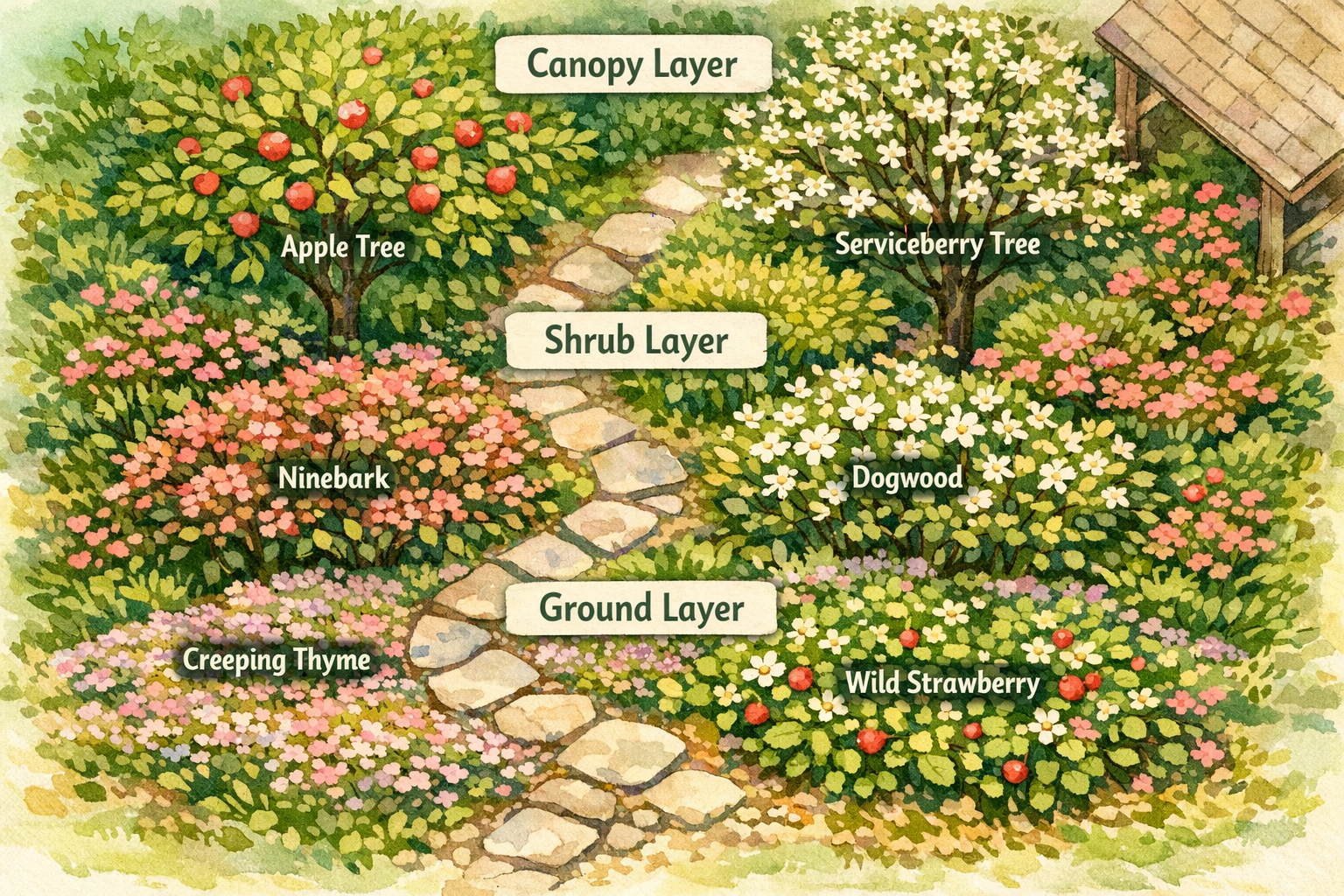
Start with structure, then fill in with abundance. Here’s the process:
Step 1: Map Your Conditions
Note sun exposure, drainage patterns, and soil type for each area of your yard. Most cottage-garden perennials need at least six hours of sun, but shade-tolerant species like hostas, ferns, and astilbe fill darker corners.
Step 2: Establish the Canopy Layer
Plant one or two small trees to anchor the space. Good Canadian choices include:
- Serviceberry (Amelanchier) — Hardy to Zone 2, spring blooms, edible berries, fall colour
- Apple or crabapple trees — Anchor a yard while producing food [2]
- Eastern redbud — Zone 5+, early spring flowers, compact form
Step 3: Add the Shrub Layer
This is where privacy and structure come from. In 2026, Canadian designers are moving away from monoculture cedar hedges toward mixed plantings of ninebark, dogwood, hackberry, and hemlock for denser, more biodiverse borders [3].
Step 4: Fill with Perennials
Plant perennials at roughly 75% of their recommended spacing. They’ll fill in faster and suppress weeds sooner. Aim for a mix of:
- Early bloomers: Creeping phlox, bleeding heart, Virginia bluebells
- Mid-season: Echinacea, black-eyed Susan, bee balm, catmint
- Late season: Asters, goldenrod, Joe-Pye weed, ornamental grasses
Step 5: Ground Cover and Mulch
Fill remaining gaps with creeping thyme, wild strawberry, or sweet woodruff. Mulch exposed soil with shredded leaves or wood chips to retain moisture and feed soil biology.
Step 6: Integrate Edibles
Tuck blueberry bushes, Saskatoon berries, herbs, and even vegetable plants directly into ornamental beds [2]. A rosemary plant beside lavender and salvia looks intentional, not utilitarian.
Decision rule: Choose edibles that double as ornamentals. Saskatoon berry bushes provide spring flowers, summer fruit, and fall colour. Swiss chard adds dramatic colour to a perennial border.
Region-Specific Plant Palettes: Ontario to BC
Plant selection varies significantly across Canada. Here’s a quick reference:
| Region | Hardiness Zone | Canopy Trees | Key Shrubs | Signature Perennials |
|---|---|---|---|---|
| Southern Ontario | 5–6 | Serviceberry, redbud | Ninebark, viburnum | Echinacea, bee balm, black-eyed Susan |
| Prairies (AB, SK, MB) | 2–3 | Amur maple, chokecherry | Potentilla, lilac | Blanket flower, prairie crocus, yarrow |
| Coastal BC | 7–8 | Pacific dogwood, vine maple | Salal, Oregon grape | Sword fern, bleeding heart, lupine |
| Atlantic Canada | 4–5 | Sugar maple, birch | Bayberry, elderberry | Wild rose, aster, goldenrod |
| Northern ON / QC | 3–4 | Paper birch, tamarack | Red osier dogwood, juniper | Wild bergamot, fireweed, bunchberry |
Edge case: If you’re in a microclimate (south-facing urban wall, lakeside property near Georgian Bay, sheltered courtyard), you may be able to push one zone warmer than your regional rating suggests.
How Dense Bohemian Plantings Boost Biodiversity in Canadian Yards
Dense, diverse plantings directly support pollinators, birds, and beneficial insects in ways that conventional landscaping does not.
Canadian gardeners following this approach are deliberately planting pollinator-friendly flowers, leaving natural debris to shelter wildlife, and adding features like bee hotels, birdbaths, and small ponds [1]. The key mechanisms:
- Continuous bloom sequences provide nectar from April through October.
- Seed heads left standing through winter feed birds and shelter overwintering insects.
- Layered structure offers nesting sites at multiple heights.
- No chemical pesticides. Organic pest management keeps beneficial insect populations intact [2].
This matters beyond the backyard. As communities across Canada work to protect natural heritage, private gardens collectively form a significant corridor for urban wildlife.
Dense Bohemian Plantings for Canadian Climates: Reducing Maintenance, Not Increasing It
A common concern is that dense planting means more work. The opposite is true once the garden matures.
Year 1: Moderate effort. Watering new transplants, weeding gaps, and mulching.
Year 2: Effort drops noticeably. Perennials fill in, ground covers spread, and weed pressure decreases.
Year 3+: Maintenance is mainly seasonal cleanup, dividing overgrown clumps, and occasional editing.
Compare this to a traditional lawn, which demands weekly mowing, fertilizing, aerating, and often herbicide application. Dense bohemian beds need a fraction of that ongoing input.
Practical tips to reduce work further:
- Use no-dig methods: layer compost on top of existing soil rather than tilling [1].
- Choose self-sowing perennials (columbine, foxglove, sweet William) that fill gaps on their own.
- Mulch with shredded leaves in fall; they break down and feed the soil over winter.
- Skip deadheading most plants. The seed heads add winter interest and feed birds.
For those interested in how community-oriented approaches to outdoor spaces are evolving, shared bohemian gardens in cohousing developments are becoming increasingly popular across Ontario.
Container Gardens and Small Spaces: Achieving the Bohemian Look on a Patio
Not everyone has a full yard. Container gardening in 2026 has shifted toward “maxing up” planting density, creating whole gardens in tightly arranged pots rather than sparse, minimal displays [4].
Effective container combinations for a dense bohemian feel:
- Thriller-filler-spiller formula: Tall ornamental grass (thriller) + petunias or begonias (filler) + trailing sweet potato vine (spiller)
- Edible containers: Dwarf tomato + basil + trailing nasturtium
- Fragrant groupings: Lavender + heliotrope + citronella geranium [1]
Proven Winners highlights varieties like Supertunia petunias, Solenia begonias, and Rockapulco impatiens as strong performers for concentrated Canadian container gardens [1].
Choose containers if: you rent, have a balcony or patio only, want to experiment before committing to in-ground planting, or need to move plants to shelter in extreme cold.
Extending the Season: Dense Plantings Through Canadian Winters
Canadian winters don’t have to mean a dead garden. Cold-weather advancements in 2026 include insulated greenhouses, geodesic garden domes, and hardy plant selections that maintain structure and interest through snow [2].
For dense bohemian gardens specifically:
- Leave ornamental grasses standing. Their dried plumes catch snow beautifully and provide winter texture.
- Evergreen shrubs (juniper, boxwood, yew) maintain the garden’s bones.
- Winter-blooming containers with hellebores or winter heath work in Zone 6+ areas.
- Heated patios and firepits surrounded by fragrant plantings like Sweet Romance lavender extend outdoor living [1].
Outdoor living spaces are evolving into sensory-rich gathering areas year-round, and the cottage-garden aesthetic translates well into winter when the structural plants are chosen carefully. Residents near areas like Collingwood and Wasaga Beach are finding that lakeside microclimates support surprisingly long garden seasons.
Common Mistakes to Avoid
- Planting too many of one species. Diversity is the point. Monocultures invite pests and disease.
- Ignoring soil preparation. Dense planting demands rich, well-drained soil. Amend with compost before planting.
- Forgetting about winter structure. A garden that looks amazing in July but vanishes in November needs more evergreens and grasses.
- Skipping the ground cover layer. Bare soil between plants means weeds. Fill every gap.
- Choosing invasive species. Some aggressive spreaders (like goutweed or periwinkle) will take over. Research before planting.
- Overwatering established beds. Dense root networks hold moisture. Check soil before watering.
Pros and Cons of Dense Bohemian Planting
| Pros | Cons |
|---|---|
| Dramatically reduces weeding after Year 1 | Higher upfront plant cost |
| Supports pollinators and birds | Requires knowledge of plant compatibility |
| Lower water use once established | Can look messy to neighbours who prefer formal gardens |
| Produces food if edibles are included | Some plants may need dividing every 3–4 years |
| Builds soil health naturally | Year 1 requires patience and consistent watering |
| Creates privacy without fences | Not ideal for very small, heavily shaded lots |
FAQ
How close together should I plant for a dense bohemian look?
Plant perennials at about 75% of the spacing listed on their tags. For example, if a plant says 18 inches apart, try 12–14 inches. This accelerates the filled-in look by roughly one season.
Will dense planting cause disease problems?
It can if you choose species prone to fungal issues in humid conditions. Ensure good air circulation by including upright plants and avoiding only low, mounding varieties. Selecting disease-resistant cultivars helps.
How much does it cost to plant a dense bohemian garden?
Expect to spend $300–$800 for a 100-square-foot bed, depending on plant sizes. Buying smaller plugs or bare-root perennials and dividing existing plants significantly reduces cost.
Can I convert an existing lawn to a bohemian garden?
Yes. The easiest method is sheet mulching (layering cardboard and compost over grass in fall), then planting directly into the new bed in spring. No tilling required [1].
Is this style suitable for front yards?
Absolutely. Many Canadian municipalities have relaxed lawn bylaws in recent years. A well-designed front-yard cottage garden can increase curb appeal while supporting biodiversity. Check local bylaws first.
What about deer and rabbit damage?
Dense plantings with deer-resistant species (catmint, Russian sage, lavender, ornamental grasses) reduce browsing pressure. Interplanting strongly scented herbs also helps deter wildlife.
How do I handle aggressive spreaders?
Use root barriers for plants like bee balm or mint. Alternatively, plant them in containers sunk into the ground to contain their roots.
Do I need to fertilize dense plantings?
Rarely, if you mulch with compost annually. The decomposing organic matter feeds the soil, and diverse root systems cycle nutrients efficiently.
Can I include a vegetable garden within a bohemian planting?
Yes, and it’s encouraged. Blending vegetables, herbs, and fruit directly into ornamental beds is a core trend in 2026 Canadian gardening [2].
What’s the best time to start planting in Canada?
For most regions, late May to mid-June after the last frost. Fall planting (September) works well for shrubs and trees, giving roots time to establish before winter.
Conclusion
Dense bohemian planting is not about abandoning structure. It’s about replacing rigid, high-maintenance landscapes with layered, biodiverse gardens that work with Canadian conditions rather than against them. The approach saves time, supports wildlife, and produces genuinely beautiful outdoor spaces.
Actionable next steps:
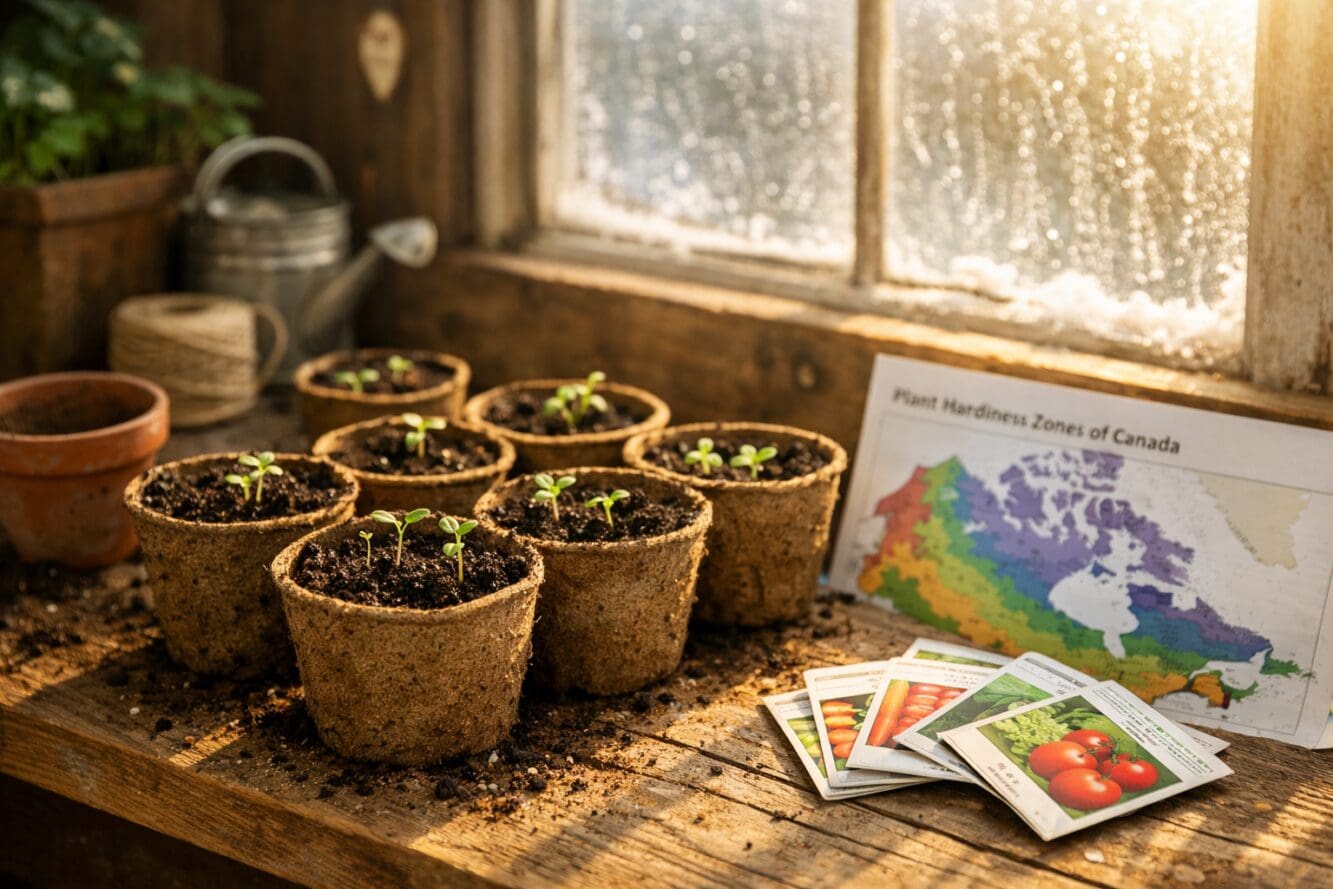
- This week: Assess your yard’s sun, soil, and hardiness zone. Use the regional palette table above as a starting point.
- This month: Order or source native perennials and shrubs from a local nursery. Prioritize bare-root or plug-size plants for affordability.
- This spring: Prepare beds using no-dig methods. Plant at 75% spacing. Mulch everything.
- Ongoing: Leave seed heads standing, skip chemical pesticides, and add compost annually.
The shift toward dense, biodiversity-boosting cottage-style yards across Canada is practical, not just aspirational. Start with one bed, learn what thrives in your specific conditions, and expand from there. For inspiration on celebrating Canadian community and heritage through shared outdoor spaces, local events and garden tours are excellent resources.
References
[1] Top Canadian Gardening Trends 2026 – https://www.provenwinners.com/learn/finding-right-plant/top-canadian-gardening-trends-2026
[2] 6 Popular Gardening Trends To Embrace In 2026 – https://gardeningwithsharon.com/general/6-popular-gardening-trends-to-embrace-in-2026/
[3] 2026 Landscape Trends – https://www.dutrascape.ca/blog/2026-landscape-trends
[4] Garden Trends For 2026 – https://www.gardeningknowhow.com/garden-how-to/design/garden-trends-for-2026
Content, illustrations, and third-party video appearing on GEORGIANBAYNEWS.COM may be generated or curated with AI assistance or reproduced pursuant to the fair dealing provisions of the Copyright Act, R.S.C. 1985, c. C-42. Attribution and hyperlinks to original sources are provided in acknowledgment of applicable intellectual property rights. Such referencing is intended to direct traffic to and support the original rights holders’ platforms.