





















3 Night Habits That Quiet Cortisol Fast (Science-Backed)
Most people think better sleep starts with what they do in the morning.
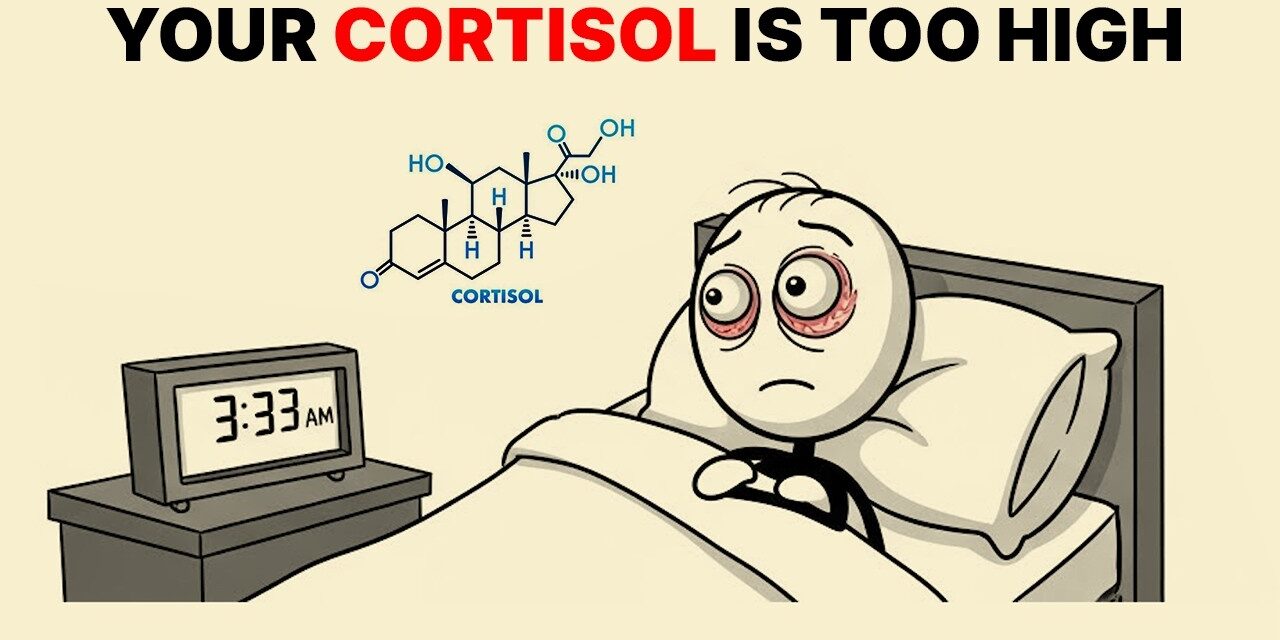
But neuroscience suggests something different. Sleep quality is heavily influenced by what happens in the final hour before bed, especially how the brain regulates cortisol — the hormone that controls alertness and vigilance. When cortisol stays elevated at night, the brain struggles to enter deep recovery states, which can leave you feeling tired even after a full night of sleep. In this video, we explore three simple night habits that can help signal safety to the nervous system and allow cortisol levels to settle naturally.
These habits are based on well-understood principles of circadian rhythm, cognitive offloading, and nervous system regulation. You’ll learn: • How evening light affects cortisol and melatonin • Why unresolved thoughts can keep the brain alert at night • A simple breathing method that helps shift the nervous system toward relaxation Small adjustments in your nighttime environment and routine can make a meaningful difference in how your brain transitions into sleep. If you’re interested in understanding how the brain regulates focus, stress, energy, and sleep, consider subscribing for more science-informed insights about the mind and human behavior.
* Disclaimer* This video is intended for educational and informational purposes only. The ideas shared here are based on general neuroscience and behavioral research, but they are not a substitute for professional medical advice, diagnosis, or treatment. If you are experiencing persistent sleep problems, high stress, or health concerns, consider speaking with a qualified healthcare professional who can provide guidance tailored to your situation. Everyone’s body and sleep patterns are different, so it may take some experimentation to discover what works best for you.
Content, illustrations, and third-party video appearing on GEORGIANBAYNEWS.COM may be generated or curated with AI assistance or reproduced pursuant to the fair dealing provisions of the Copyright Act, R.S.C. 1985, c. C-42. Attribution and hyperlinks to original sources are provided in acknowledgment of applicable intellectual property rights. Such referencing is intended to direct traffic to and support the original rights holders’ platforms.