



















👵🏼🧓🏻 Japanese Psychologist Hideki Wada | Overcoming the Eighty-Year-Old Barrier

Thanks, Ron Misurka, for this important share…
A book by Japanese psychologist Hideki Wada, titled “Overcoming the Eighty-Year-Old Barrier,” was published in Japan and attracted enormous interest.
As soon as it reached the shops, more than 500,000 copies were sold, and experts predict that in the coming months it will become a bestseller, reaching the one-million mark.
He has distilled his extensive experience into 44 rules, revealing the secrets of a peaceful and fulfilling life after 60. These rules seem simple, but they contain profound wisdom:
• Go for a walk every day.
• When you’re angry, breathe deeply.
• Keep moving; don’t let your body become inactive.
• Drink water in summer, even when the air conditioning is on.
• Chew your food thoroughly—the mind works together with the mouth.
• Memory is lost not because of age, but because of inactivity.
• Don’t overuse medication.
• Don’t deliberately try to lower your blood pressure or blood sugar unnecessarily.
• Being alone need not mean isolation; it can mean peace.
• There’s no shame in being lazy.
• Having a driving licence is not essential in old age.
• Do what you love, and leave behind what you dislike.
• Don’t shut yourself away at home.
• Eat what makes you happy—a little weight gain is not harmful.
• Don’t spend time with people you find unpleasant.
• Don’t watch too much television.
• Rather than constantly fighting an illness, learn to live with it.
• Optimism is the best medicine.
• Fruit, sunlight and fresh air are sources of happiness.
• Speak about what is in your heart.
• Change your mind when necessary—there’s nothing wrong with that.
• To stop learning is to begin growing old.
• Simply being grateful is enough—a smile brings good fortune.
• Old age is not a burden, but a gift.
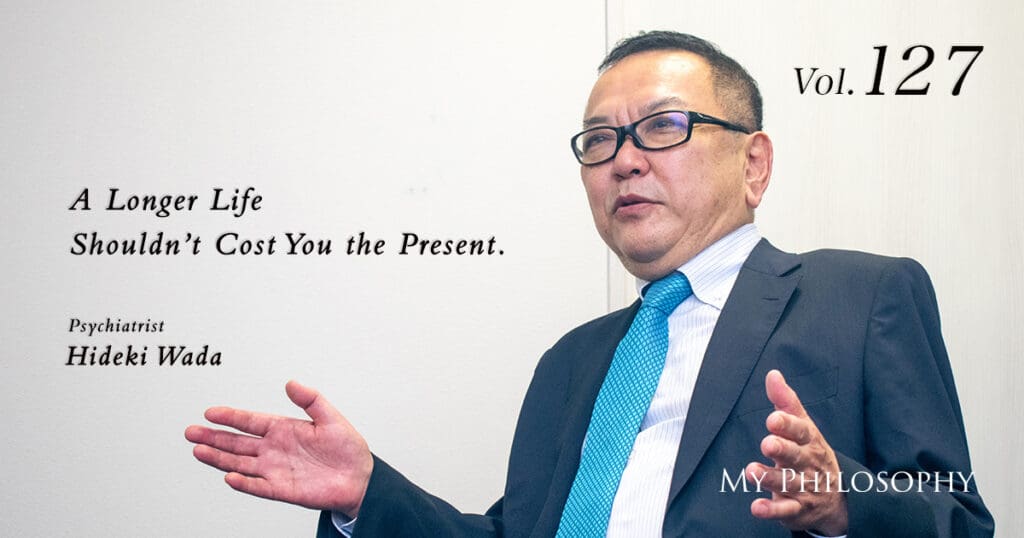
Dr Wada reminds us that life after 60 is not the end, but the beginning of simplicity and peace. It is a time when we begin to see life clearly and become honest with ourselves.
In brief:
Live simply, move a little every day, and smile more. Accept your body and your age with love—and you will see that happiness is closer than you thought.
Share this with the people you love—wisdom knows no age.
Don’t admire the young: we were all young once.
Admire older people—they have seen the world and come to understand life.
Admire the older people who overtake me at dawn: the anglers, mushroom pickers and travellers! Admire those who still take care of themselves—their hair, their shoes, and their neat, elegant clothes.
Admire those who never lose their joy in life, who see themselves in their children and grandchildren, and who remain full of hopes and desires even after life’s hardest lessons.
Don’t admire the young! Being young is easy.
Admire older people—they have managed to stay forever young.
This is about us!
Dr. Hideki Wada is a prominent Japanese psychiatrist and author who specializes in the mental health and medical care of elderly patients. Facebook·Sanjeev Tyagi +2
Key Background & Career
- Education & Practice: He graduated from the Faculty of Medicine at the University of Tokyo and has spent over 35 years practicing psychiatry, treating more than 6,000 elderly patients.
- Prolific Author: He has authored more than 800 to 900 books throughout his career, focusing on aging, mental health, and healthcare reform.
- The “80-Year-Old Wall”: He gained international and domestic fame with his bestselling book The 80-Year-Old Wall (published in March 2022), which has sold over 500,000 copies. Corelia Health +3
Core Philosophy
- Challenging Medical Norms: He is critical of the routine over-prescription of medications for seniors and questions whether aggressively lowering blood pressure or blood sugar is always beneficial.
- The “Lucky Age”: He advocates for embracing ages 60 to 80 as a vibrant phase of life rather than an inevitable decline, promoting personal autonomy, daily walking, active chewing, social engagement, and living without rigid medical restrictions.
- Critique of Society: He has spoken out about how modern societies—including Japan—treat their elderly populations, warning against social exclusion and negative labels like rōgai (elderly nuisance).