





















Anxiety in Our Youth: A Comprehensive Guide to Supporting Young People Through Mental Health Challenges in 2026
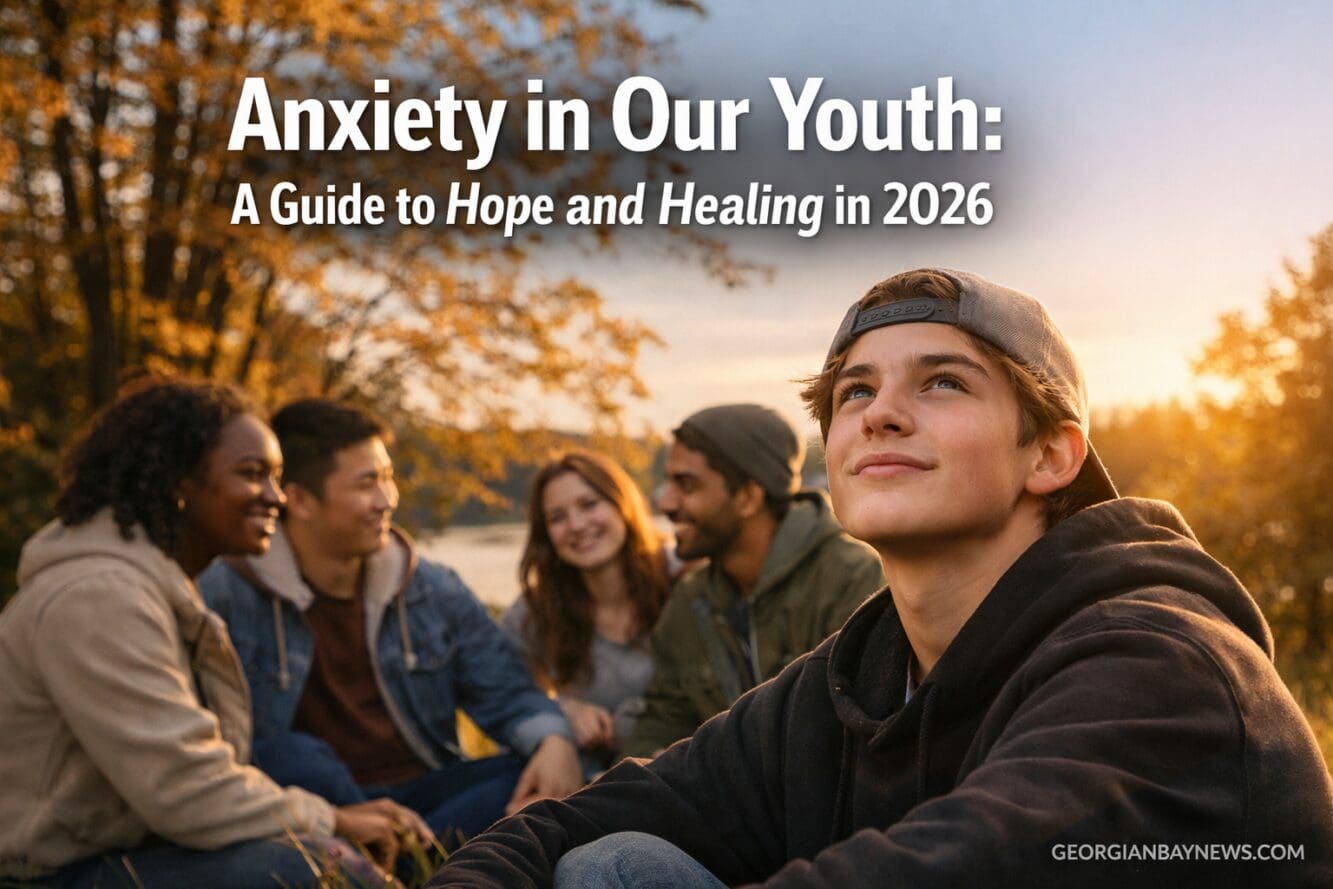
The phone call came at 2 a.m. Sarah, a mother from Creemore, Ontario, found her 16-year-old daughter Emma sitting on the bathroom floor, sobbing uncontrollably. “I can’t do this anymore, Mom,” Emma whispered. “Everything feels too heavy.” This scene, heartbreaking as it is, has become increasingly common across Canada. Anxiety in our youth has reached unprecedented levels in 2026, affecting nearly one in three young Canadians between the ages of 12 and 24. But here’s the important truth: help is available, recovery is possible, and no young person needs to face these challenges alone.
The world our young people navigate today looks vastly different from previous generations. Between climate concerns, social media pressures, economic uncertainty, and the lingering effects of the pandemic years, today’s youth carry burdens that would challenge even the most resilient adults. Understanding anxiety in our youth isn’t just about recognizing a problem—it’s about building bridges to hope, creating pathways to healing, and ensuring every young person knows they matter.
Key Takeaways
- Anxiety and depression in young people have increased by 40% since 2020, with social media, academic pressure, and global uncertainty being major contributing factors
- Evidence-based strategies including mindfulness, physical activity, social connection, and professional support can significantly improve youth mental health outcomes
- Multiple free and accessible resources exist across Ontario and Canada, including 24/7 crisis lines, online counseling, and community support programs
- Early intervention is crucial—recognizing warning signs and seeking help early leads to better long-term outcomes
- Community support and reducing stigma play vital roles in creating environments where young people feel safe seeking help
Understanding Anxiety in Our Youth: The Current Mental Health Crisis
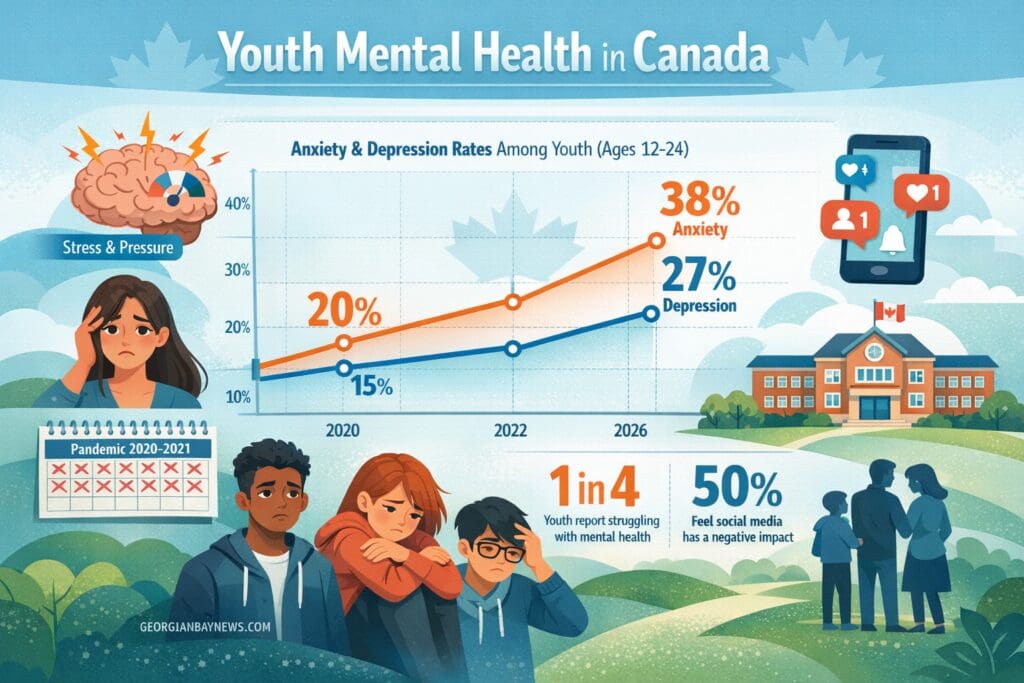
The statistics paint a sobering picture. According to recent data from the Centre for Addiction and Mental Health (CAMH), approximately 34% of Canadian youth report experiencing significant anxiety symptoms, while 20% struggle with depression. These aren’t just numbers—they represent real young people like Emma, sitting in classrooms, scrolling through social media, and wondering if they’ll ever feel okay again.
What’s Driving the Crisis?
Several interconnected factors contribute to rising anxiety in our youth:
📱 Social Media Overload: Young people today face constant comparison, cyberbullying, and the pressure to curate perfect online personas. The average Canadian teen spends over 7 hours daily on screens, creating a relentless cycle of validation-seeking and fear of missing out.
📚 Academic Pressure: Competition for university spots, scholarship requirements, and the emphasis on achievement create crushing stress. Many students report feeling like their entire future hinges on every test score.
🌍 Global Uncertainty: Climate anxiety, political division, economic instability, and concerns about future job prospects weigh heavily on young minds. They’re inheriting a world that feels increasingly unstable.
😷 Pandemic Aftermath: The COVID-19 years disrupted critical developmental periods, isolated young people from peers, and normalized anxiety as a daily experience.
💰 Financial Stress: Rising costs of living, student debt concerns, and housing affordability issues create anxiety about future independence and security.
“Young people today are facing challenges that previous generations never encountered at this scale. The good news is that we understand mental health better than ever before, and effective help is available.” — Dr. Catherine Zahn, President and CEO, CAMH
Recognizing the Warning Signs
Parents, educators, and community members should watch for these indicators:
- Persistent worry or fearfulness that interferes with daily activities
- Withdrawal from friends, family, or activities they once enjoyed
- Changes in sleep patterns—either sleeping too much or experiencing insomnia
- Physical symptoms like headaches, stomach aches, or fatigue without medical cause
- Declining academic performance or loss of interest in school
- Irritability, anger outbursts, or emotional volatility
- Changes in eating habits—significant weight loss or gain
- Talk of hopelessness or not wanting to be around anymore
If you notice these signs persisting for more than two weeks, it’s time to seek professional support. Just as we explored in our article about 10 years as a therapist and what people regret most, waiting too long to address mental health concerns is one of the most common regrets people express.
Evidence-Based Strategies to Help Young People Cope with Anxiety in Our Youth
The good news is that anxiety in our youth responds well to intervention. Research consistently shows that combining multiple approaches yields the best outcomes. Here are proven strategies that make a real difference:
1. Build a Foundation of Physical Wellness 💪
The mind-body connection is powerful, especially for developing brains. Physical health directly impacts mental health:
Regular Exercise: Just 30 minutes of moderate activity daily can reduce anxiety symptoms by up to 40%. This doesn’t mean joining a gym—it could be walking, dancing, biking, or even trying something fun like pickleball, which has become increasingly popular. Check out these top Selkirk pickleball plays for inspiration.
Nutrition Matters: A balanced diet rich in omega-3 fatty acids, whole grains, fruits, and vegetables supports brain health. Consider trying healthy vegan recipes that are both nutritious and delicious.
Sleep Hygiene: Teenagers need 8-10 hours of sleep nightly. Establish consistent bedtime routines, limit screen time before bed, and create a calm sleeping environment.
2. Develop Mindfulness and Stress-Management Skills 🧘
Mindfulness isn’t just a buzzword—it’s a scientifically validated approach to managing anxiety:
Breathing Exercises: Simple techniques like box breathing (inhale for 4 counts, hold for 4, exhale for 4, hold for 4) can activate the parasympathetic nervous system and reduce anxiety in minutes.
Meditation and Yoga: Even 10 minutes daily can rewire the brain’s stress response. Consider gentle practices like chair yoga for beginners that can be adapted for any age or fitness level.
Guided Relaxation: Apps like Calm, Headspace, or free resources on YouTube offer age-appropriate guided meditations specifically designed for anxiety relief.
For deeper philosophical approaches to managing life’s challenges, explore these 10 Buddhist principles that can help build emotional resilience.
3. Foster Meaningful Social Connections 👥
Isolation feeds anxiety and depression. Human connection is medicine:
Quality Over Quantity: Encourage deep friendships rather than superficial social media connections. One trusted friend is worth more than a thousand followers.
Family Time: Regular family meals, game nights, or outdoor activities strengthen bonds and create safe spaces for conversation.
Community Involvement: Volunteering, joining clubs, or participating in community activities builds purpose and belonging. The YMCA offers programs with zero join fees that connect youth with positive peer groups.
Support Groups: Connecting with others facing similar challenges reduces isolation and provides practical coping strategies.
4. Establish Healthy Digital Boundaries 📵
Technology isn’t inherently bad, but boundaries are essential:
Screen-Free Zones: Designate certain areas (like bedrooms and dining rooms) and times (like the hour before bed) as screen-free.
Curate Content: Follow accounts that inspire and uplift rather than those that trigger comparison or anxiety.
Regular Digital Detoxes: Encourage periodic breaks from social media—even 24-48 hours can reset perspective.
Monitor Without Invading: Stay aware of online activities while respecting privacy. Open conversations work better than surveillance.
5. Create Structure and Routine 📅
Predictability reduces anxiety. Help young people establish:
Consistent Daily Schedules: Regular wake times, meal times, and bedtimes create stability.
Manageable Goals: Break large tasks into smaller, achievable steps to prevent overwhelm.
Balance: Ensure schedules include time for work, play, rest, and social connection.
Flexibility: While structure helps, rigid perfectionism increases anxiety. Build in grace for imperfection.
6. Encourage Creative Expression 🎨
Art, music, writing, and other creative outlets provide healthy ways to process emotions:
Journaling: Writing thoughts and feelings helps externalize anxiety and gain perspective.
Art Therapy: Drawing, painting, or crafting offers non-verbal emotional expression.
Music: Playing instruments, singing, or simply listening to music can regulate mood and reduce stress.
Movement: Dance, drama, or physical expression connects body and mind.
Professional Support and Treatment Options for Anxiety in Our Youth
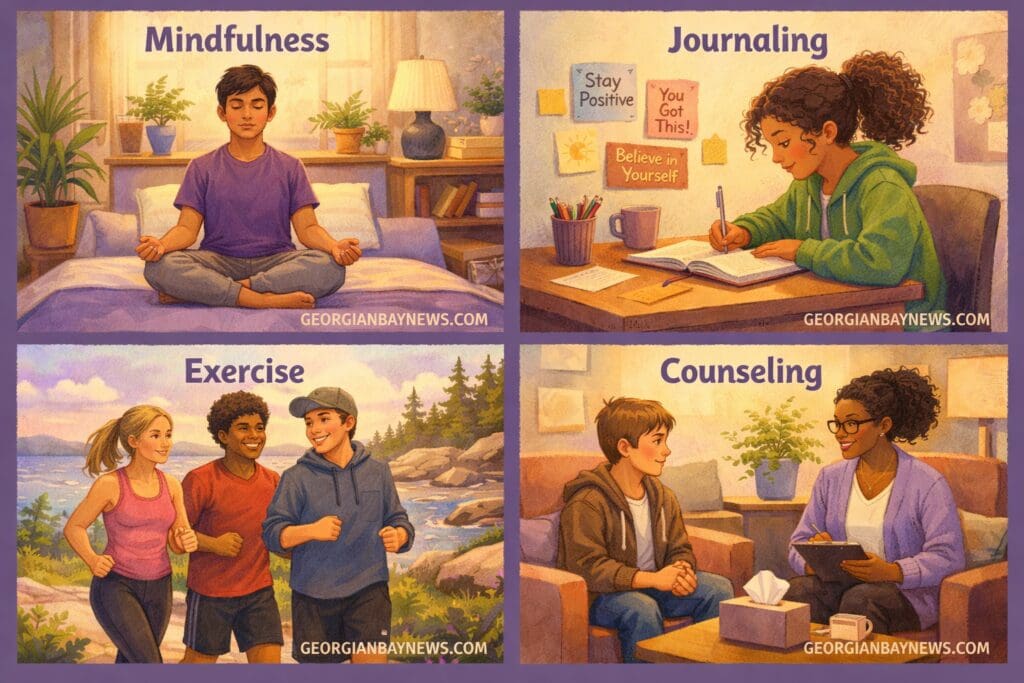
While self-help strategies are valuable, professional support is often necessary and should never be considered a weakness. Think of it like this: we wouldn’t hesitate to see a doctor for a broken bone—mental health deserves the same respect and care.
Types of Professional Support
🏥 Family Doctors: Your first point of contact. Family physicians can assess symptoms, rule out physical causes, provide initial treatment, and refer to specialists.
👨⚕️ Psychiatrists: Medical doctors specializing in mental health who can diagnose conditions and prescribe medication when appropriate.
🗣️ Psychologists and Therapists: Provide evidence-based talk therapies like Cognitive Behavioral Therapy (CBT), which is highly effective for anxiety and depression.
🏫 School Counselors: Offer immediate support, crisis intervention, and connections to community resources.
📞 Crisis Counselors: Provide immediate support during mental health emergencies through hotlines and text services.
Evidence-Based Therapies
Several therapeutic approaches have strong research support:
| Therapy Type | How It Helps | Best For |
|---|---|---|
| Cognitive Behavioral Therapy (CBT) | Changes negative thought patterns and behaviors | Anxiety, depression, panic disorders |
| Dialectical Behavior Therapy (DBT) | Builds emotional regulation and distress tolerance | Intense emotions, self-harm, borderline traits |
| Acceptance and Commitment Therapy (ACT) | Promotes psychological flexibility and value-based living | Chronic worry, avoidance behaviors |
| Family Therapy | Improves communication and family dynamics | Family conflict, systemic issues |
| Group Therapy | Provides peer support and shared learning | Social anxiety, feeling isolated |
When Medication May Help
Medication isn’t always necessary, but for moderate to severe anxiety or depression, it can be life-changing. Antidepressants (particularly SSRIs) are well-studied in youth populations and, when properly prescribed and monitored, can:
- Reduce overwhelming symptoms enough to engage in therapy
- Correct chemical imbalances in the brain
- Provide stability during crisis periods
- Improve overall functioning and quality of life
Important: Medication decisions should always involve thorough discussion with qualified medical professionals, consideration of risks and benefits, and close monitoring, especially in the first weeks of treatment.
Organizations and Resources to Help Youth in Ontario and Canada
No young person should face mental health challenges alone. Canada offers numerous accessible resources specifically designed to support youth mental health. Here’s a comprehensive guide to organizations that can help:
🇨🇦 National Canadian Resources
Kids Help Phone
- Website: https://kidshelpphone.ca
- Phone: 1-800-668-6868
- Text: Text CONNECT to 686868
- Services: Free, 24/7 confidential support for young people via phone, text, and live chat. Professional counselors and volunteer crisis responders available in English and French.
- Why It’s Great: Completely anonymous, accessible anytime, and staffed by people trained specifically in youth issues.
Canadian Mental Health Association (CMHA)
- Website: https://cmha.ca
- Services: Nationwide network providing mental health education, support groups, and connections to local services.
- Find Local Branch: Visit their website to locate your nearest CMHA branch for community-specific programs.
Centre for Addiction and Mental Health (CAMH)
- Website: https://www.camh.ca
- Youth Services: Specialized programs for youth ages 16-24 including assessment, treatment, and early intervention.
- Location: Toronto, with virtual services available across Ontario
- Resources: Extensive online mental health information and self-help tools.
Jack.org
- Website: https://jack.org
- Focus: Youth-led mental health movement training young leaders to revolutionize mental health in their communities.
- Services: Peer support, mental health education, and advocacy training.
Wellness Together Canada
- Website: https://wellnesstogether.ca
- Services: Free online resources, self-assessment tools, counseling services, and connections to community support.
- Access: Immediate access to resources without referrals or appointments.
🍁 Ontario-Specific Resources
ConnexOntario
- Website: https://www.connexontario.ca
- Phone: 1-866-531-2600 (Mental Health), 1-866-531-2600 (Drug and Alcohol)
- Services: Free, confidential health service information for people experiencing problems with mental health, alcohol, or drugs.
- Available: 24/7 in over 170 languages.
Youth Wellness Hubs Ontario
- Website: https://youthhubs.ca
- Services: Integrated youth services providing mental health support, primary care, substance use services, and more—all in one accessible location.
- Locations: Multiple hubs across Ontario including locations in Georgian Bay area communities.
Ontario Shores Centre for Mental Health Sciences
- Website: https://www.ontarioshores.ca
- Services: Specialized mental health care including youth programs.
- Location: Whitby, Ontario, with outreach services.
211 Ontario
- Phone: Simply dial 2-1-1
- Website: https://211ontario.ca
- Services: Connects people to community, social, health, and government services in Ontario.
- Available: 24/7 in over 150 languages.
🏥 Georgian Bay and Local Resources
For residents in the Collingwood, Blue Mountains, and Georgian Bay region:
Georgian Bay General Hospital Mental Health Services
- Location: Midland, Ontario
- Services: Emergency mental health services, outpatient programs, and youth support.
Canadian Mental Health Association – Simcoe County Branch
- Website: https://www.cmhasimcoemuskoka.ca
- Services: Community mental health programs, support groups, and crisis intervention.
- Locations: Serving Collingwood, Wasaga Beach, and surrounding areas.
Collingwood General and Marine Hospital
- Emergency: 705-445-2550
- Services: Emergency mental health assessment and stabilization.
For those seeking community connection and wellness activities, explore Ontario adventures that promote mental health through nature and physical activity.
📱 Digital and App-Based Support
BounceBack Ontario
- Website: https://bouncebackontario.ca
- Services: Free skill-building program for adults and youth 15+ experiencing mild to moderate depression or anxiety.
- Format: Telephone coaching or online videos with workbooks.
MindShift CBT App
- Developer: Anxiety Canada
- Cost: Free
- Features: Evidence-based strategies to help cope with anxiety using CBT principles.
Breathr App
- Developer: Kids Help Phone
- Cost: Free
- Features: Daily check-ins, mood tracking, and coping tools specifically for Canadian youth.
🚨 Crisis and Emergency Resources
If someone is in immediate danger, call 911 immediately.
Crisis Text Line
- Text: Text HOME to 686868
- Available: 24/7, free, confidential crisis support via text message.
Canada Suicide Prevention Service
- Phone: 1-833-456-4566 (24/7)
- Text: 45645 (4 PM – midnight ET)
- Services: Immediate support for anyone experiencing suicidal thoughts or emotional distress.
Good2Talk
- Phone: 1-866-925-5454
- Services: Free, confidential support specifically for post-secondary students in Ontario.
- Available: 24/7 with professional counselors and volunteer crisis responders.
💰 Financial Assistance for Mental Health Services
Mental health care shouldn’t be limited by finances:
OHIP Coverage: Many mental health services are covered under Ontario’s provincial health insurance, including:
- Family doctor and psychiatrist visits
- Hospital emergency mental health services
- Community mental health programs
Private Insurance: Check if your family’s benefits plan covers:
- Psychologist or therapist sessions
- Medications
- Alternative therapies
Sliding Scale Fees: Many therapists and counseling centers offer reduced fees based on income.
University/College Services: Post-secondary students typically have access to free or low-cost counseling through their institution.
Creating Supportive Environments: What Communities Can Do

Addressing anxiety in our youth requires collective action. Communities, schools, families, and individuals all play crucial roles in creating environments where young people can thrive.
For Parents and Caregivers 👨👩👧👦
Listen Without Judgment: Create safe spaces for honest conversation. Sometimes young people just need to be heard without immediately being “fixed.”
Educate Yourself: Learn about mental health, understand the challenges young people face, and stay informed about available resources. Articles like this one from Georgian Bay News help keep communities informed.
Model Healthy Coping: Young people learn by watching. Demonstrate healthy stress management, self-care, and help-seeking behavior.
Validate Feelings: Avoid minimizing their experiences with phrases like “everyone feels that way” or “you’ll grow out of it.” Their pain is real and deserves acknowledgment.
Stay Connected: Regular check-ins, family activities, and consistent presence matter more than grand gestures.
Know When to Seek Help: Trust your instincts. If you’re worried, reach out to professionals—it’s always better to be cautious.
For Educators and School Staff 🏫
Create Inclusive Classrooms: Foster environments where differences are celebrated and all students feel they belong.
Integrate Mental Health Education: Teach emotional literacy, stress management, and help-seeking behaviors as part of regular curriculum.
Reduce Academic Pressure: While maintaining standards, recognize that student wellbeing must come first. A struggling student can’t learn effectively.
Train Staff: Ensure all school personnel can recognize mental health warning signs and know how to respond appropriately.
Connect to Resources: Build relationships with local mental health services to facilitate quick referrals when needed.
Address Bullying: Zero tolerance for bullying, whether in-person or online, is essential for student mental health.
For Communities and Organizations 🏘️
Reduce Stigma: Open conversations about mental health normalize help-seeking and reduce shame.
Increase Access: Advocate for more mental health services, shorter wait times, and accessible care for all youth regardless of economic status.
Create Youth Spaces: Safe, supervised places where young people can gather, connect, and access support.
Support Youth Programs: Organizations like the YMCA, Boys and Girls Clubs, and community centers provide crucial peer connection and positive activities.
Promote Awareness: Community events, mental health awareness campaigns, and educational initiatives keep mental health in public consciousness.
For those interested in personal growth and mental wellness practices, exploring morning habits that increase happiness can provide practical tools for daily wellbeing.
For Young People Themselves 💙
If you’re a young person struggling with anxiety or depression, here’s what you need to know:
You’re Not Alone: Millions of young people experience exactly what you’re feeling. It’s common, it’s real, and it’s not your fault.
It Gets Better: What you’re experiencing now isn’t permanent. With support and strategies, things genuinely improve. As explored in this article about lies depression tells you, your brain may be lying to you about the future.
Asking for Help is Strength: Reaching out takes courage. It’s not weakness—it’s the first step toward feeling better.
You Deserve Support: Your feelings matter. Your wellbeing matters. You matter.
Start Small: You don’t have to fix everything at once. One small step—one phone call, one conversation, one coping strategy—is progress.
Be Patient: Healing isn’t linear. There will be good days and hard days. That’s normal and okay.
Building Resilience: Long-Term Strategies for Mental Wellness
While managing immediate anxiety and depression is crucial, building long-term resilience helps young people navigate future challenges more effectively.
Develop a Growth Mindset 🌱
Research by psychologist Carol Dweck shows that believing abilities can be developed through effort (growth mindset) rather than being fixed traits leads to greater resilience and success.
Reframe Challenges: Instead of “I can’t do this,” try “I can’t do this yet.”
Embrace Mistakes: View failures as learning opportunities rather than reflections of worth.
Celebrate Effort: Focus on progress and effort rather than just outcomes.
Cultivate Purpose and Meaning ⭐
Young people with a sense of purpose report better mental health outcomes:
Explore Values: Help youth identify what matters most to them—relationships, creativity, justice, learning, etc.
Set Meaningful Goals: Connect daily activities to larger purposes and values.
Contribute to Others: Volunteering and helping others builds purpose and perspective.
Find Passion: Encourage exploration of interests, hobbies, and activities that bring joy.
Practice Self-Compassion 💝
Self-compassion—treating yourself with the same kindness you’d offer a friend—is strongly linked to mental health:
Challenge Self-Criticism: Notice harsh inner dialogue and replace it with gentler, more realistic thoughts.
Normalize Imperfection: Everyone struggles. Everyone makes mistakes. It’s part of being human.
Practice Self-Care: Regular activities that nourish body, mind, and spirit aren’t selfish—they’re essential.
For those seeking stress-relief practices, this 10-minute somatic chair yoga routine offers accessible relaxation techniques.
Build a Toolbox of Coping Strategies 🧰
No single strategy works for everyone or every situation. Having multiple tools available increases adaptability:
Physical: Exercise, yoga, deep breathing, progressive muscle relaxation
Mental: Cognitive reframing, mindfulness, meditation, positive self-talk
Social: Talking to friends, family time, support groups, therapy
Creative: Art, music, writing, dance, crafts
Practical: Problem-solving, time management, organization, routine
Spiritual: Nature connection, prayer, reflection, gratitude practice
The key is experimenting to discover what works best for each individual.
Real Stories of Hope and Recovery
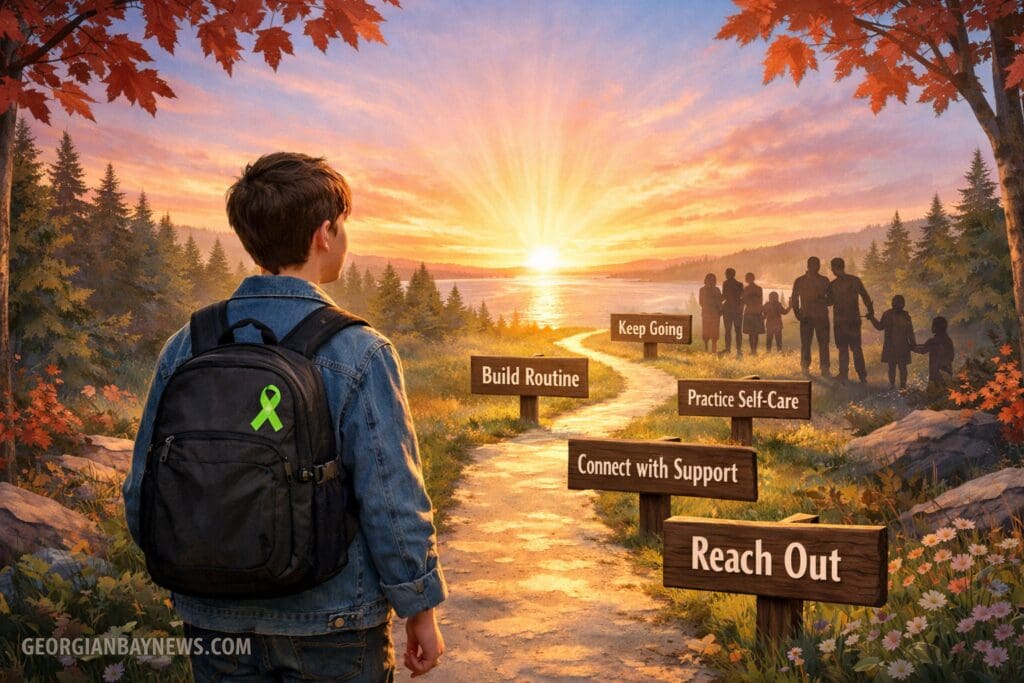
Sometimes the most powerful medicine is knowing others have walked this path and found their way through.
Emma’s Story (Continued)
Remember Emma from the beginning of this article? After that difficult night, her mother Sarah reached out to Kids Help Phone, then connected with their family doctor. Emma began seeing a therapist who specialized in youth anxiety. She learned CBT techniques, joined a support group, and gradually built a toolkit of coping strategies.
It wasn’t instant or easy. There were setbacks and hard days. But six months later, Emma wrote in her journal: “I’m not ‘cured’ and maybe I never will be completely. But I’ve learned I can handle hard feelings. I’ve learned I’m not alone. And I’ve learned that asking for help was the bravest thing I’ve ever done.”
Today, Emma volunteers with Jack.org, helping other young people understand they don’t have to suffer in silence.
Marcus’s Journey
Marcus, a 19-year-old from Toronto, struggled with depression throughout high school. “I felt like I was watching my life through a window,” he recalls. “Everything felt gray and pointless.”
After a crisis intervention connected him to CAMH’s youth services, Marcus began treatment combining therapy and medication. He also discovered that physical activity—specifically basketball—helped manage his symptoms.
“The medication gave me enough stability to engage in therapy. Therapy gave me tools to manage my thoughts. Basketball gave me community and purpose. Together, they saved my life.”
Marcus now plays on his college team and studies psychology, hoping to become a counselor for youth facing similar struggles.
Aisha’s Transformation
Aisha experienced severe social anxiety that made school attendance nearly impossible. Through ConnexOntario, her family found a youth wellness hub offering integrated services.
“Having everything in one place—my therapist, doctor, and support group—made such a difference,” Aisha explains. “I didn’t have to keep retelling my story or navigating different systems.”
Using exposure therapy and mindfulness techniques, Aisha gradually rebuilt her confidence. She started with small goals—making eye contact, saying hello to one person—and built from there.
“I still get anxious sometimes, but now I have strategies. I know what to do when anxiety shows up. It doesn’t control my life anymore.”
These stories aren’t exceptional—they’re possible for every young person struggling with mental health challenges. Recovery happens. Hope is real. Help works.
Conclusion: Moving Forward Together
Anxiety in our youth represents one of the defining challenges of our time, but it’s a challenge we can meet with compassion, knowledge, and action. The young people struggling today aren’t broken—they’re human beings facing genuinely difficult circumstances, and they deserve our support, understanding, and resources.
The good news woven throughout this article bears repeating: help is available, recovery is possible, and no young person needs to face these challenges alone. From evidence-based coping strategies to professional treatment options, from national crisis lines to local community resources, support exists at every level.
Your Next Steps: What You Can Do Today
If you’re a young person struggling:
- Reach out to Kids Help Phone (1-800-668-6868 or text CONNECT to 686868) or another resource listed in this article
- Talk to someone you trust—a parent, teacher, counselor, or friend
- Try one coping strategy from this article today
- Remember: You matter, your feelings are valid, and it gets better
If you’re a parent or caregiver:
- Have a conversation with the young people in your life about mental health
- Save important numbers in your phone: Kids Help Phone, ConnexOntario, local crisis services
- Educate yourself about mental health warning signs
- Model healthy coping and normalize seeking help
- Stay connected through regular check-ins and quality time
If you’re an educator or community member:
- Learn to recognize mental health warning signs in youth
- Create supportive environments that reduce stigma and promote wellbeing
- Connect young people to resources when needed
- Advocate for increased mental health services and support in your community
- Share this information with others who work with youth
The Path Forward
Addressing anxiety in our youth isn’t a one-time fix—it’s an ongoing commitment to creating a world where young people can thrive. It requires systemic changes to reduce pressures, increase access to care, and prioritize wellbeing. But it also requires individual actions: conversations, connections, and compassion.
Every young person who receives support, every family that learns about mental health, every community that reduces stigma—these are victories worth celebrating. Progress happens one person, one conversation, one brave moment of reaching out at a time.
The challenges facing today’s youth are real and significant. But so is their resilience. So is the growing understanding of mental health. So are the resources available to help. And so is the hope that, together, we can create a future where every young person knows they matter, where help is accessible, and where mental health is treated with the same importance as physical health.
If you take nothing else from this article, remember this: You are not alone. Help is available. Recovery is possible. And there are people who care and want to help.
For more resources and community information, visit Georgian Bay News regularly for updates on local mental health initiatives, wellness tips, and community support opportunities.
The journey toward better mental health starts with a single step. Whether you’re taking that step yourself or helping a young person take it, know that it’s the right step, the brave step, and the step that changes everything.
References
[1] Centre for Addiction and Mental Health (CAMH). (2025). “Youth Mental Health Statistics in Canada.” Retrieved from https://www.camh.ca
[2] Statistics Canada. (2025). “Mental Health Among Canadian Youth: Recent Trends.” Government of Canada.
[3] Kids Help Phone. (2026). “Annual Report on Youth Mental Health Services.” Retrieved from https://kidshelpphone.ca
[4] Ontario Ministry of Health. (2025). “Youth Mental Health Services in Ontario.” Government of Ontario.
[5] Canadian Mental Health Association. (2025). “Understanding Anxiety and Depression in Young People.” Retrieved from https://cmha.ca
[6] Journal of the American Academy of Child & Adolescent Psychiatry. (2024). “Cognitive Behavioral Therapy for Youth Anxiety: A Meta-Analysis.”
[7] Dweck, C. (2016). “Mindset: The New Psychology of Success.” Ballantine Books.
[8] Mental Health Commission of Canada. (2025). “Youth Mental Health Framework.” Retrieved from https://mentalhealthcommission.ca
Some content and illustrations on GEORGIANBAYNEWS.COM are created with the assistance of AI tools.