



















A Tribute to Our Front Line Braving Harsh Winter Weather: Honouring the Heroes Who Keep Us Safe
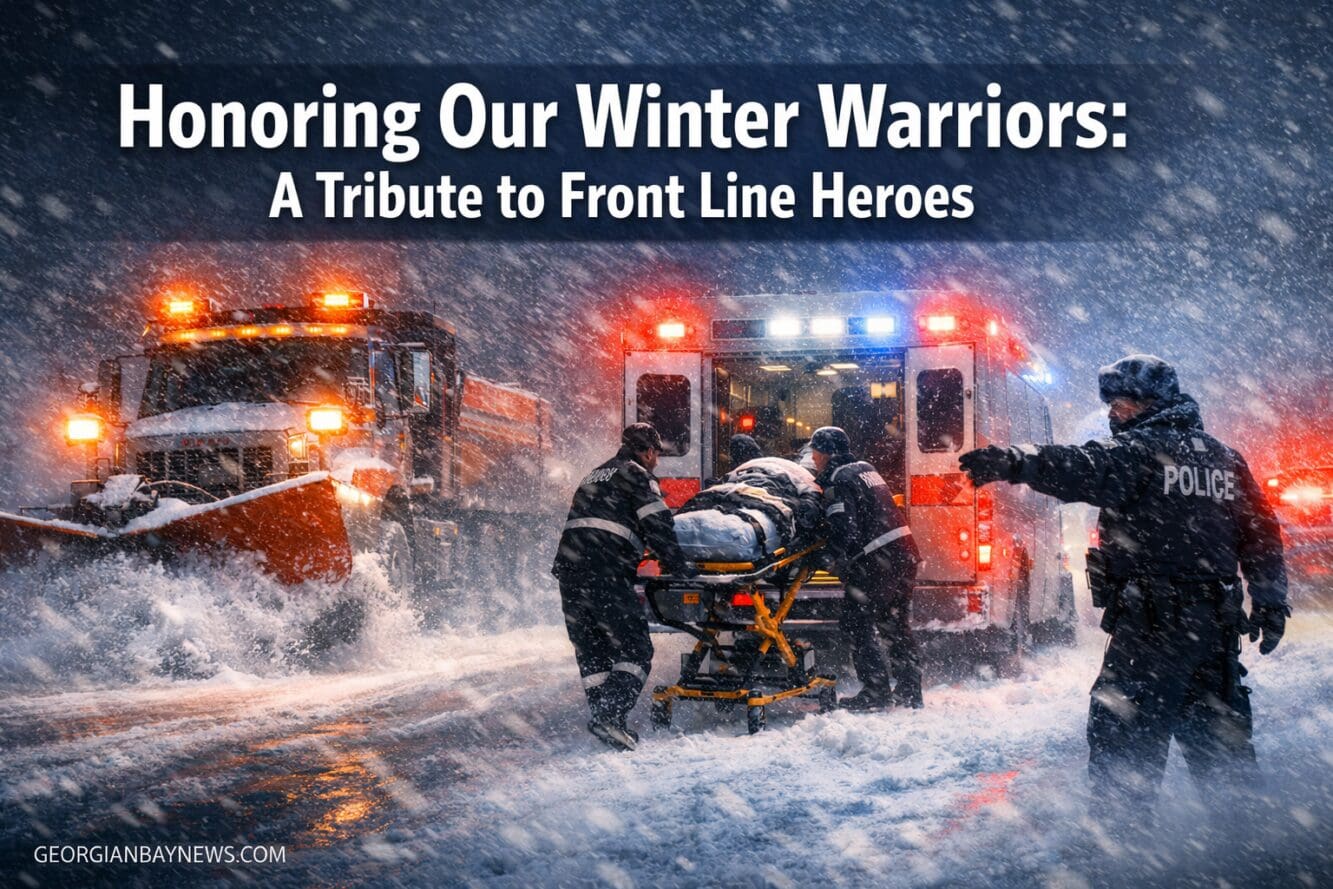
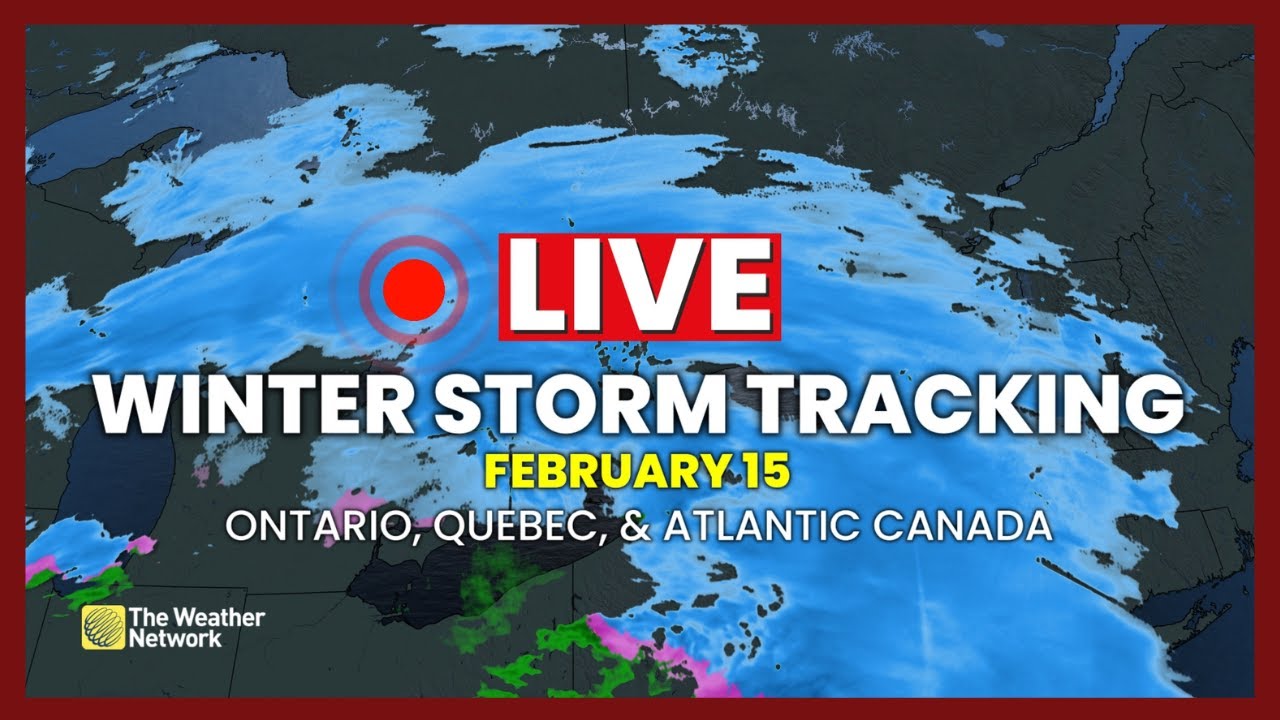
Picture this: It’s 2 a.m., the temperature has plummeted to -19°F, and a blizzard is dumping two inches of snow per hour on your community. While most of us are tucked safely in our warm beds, there’s a snow plow driver navigating white-out conditions on the highway. There’s a paramedic responding to a car accident on an ice-covered road. There’s a police officer helping stranded motorists, and there’s a nurse walking into her shift at the hospital, knowing the emergency room will be overwhelmed. This is a tribute to our front line braving harsh winter weather—the unsung heroes who face the storm so the rest of us don’t have to.
The January 2026 winter storms reminded us once again of the extraordinary courage and dedication of these essential workers. Dangerous ice and snow conditions brought communities to a standstill, but our front-line workers never stopped. They showed up. They persevered. And they deserve our deepest gratitude.
Key Takeaways
- Winter front-line workers include snow plow drivers, police officers, paramedics, nurses, doctors, utility workers, and emergency dispatchers who work around the clock during severe weather events
- The January 2026 winter storms impacted millions across North America, with workers facing life-threatening conditions to maintain essential services [1]
- These heroes often work 12-16 hour shifts in extreme cold, limited visibility, and hazardous road conditions
- Community recognition and support for these workers strengthens resilience and acknowledges their sacrifices
- Simple acts of gratitude—from thank-you notes to hot coffee—can make a meaningful difference to those braving the elements
The Invisible Army: Who Makes Up Our Winter Front Line?
When we talk about a tribute to our front line braving harsh winter weather, we’re talking about a diverse group of professionals who form the backbone of our communities during crisis.
❄️ Snow Plow Drivers and Road Crews
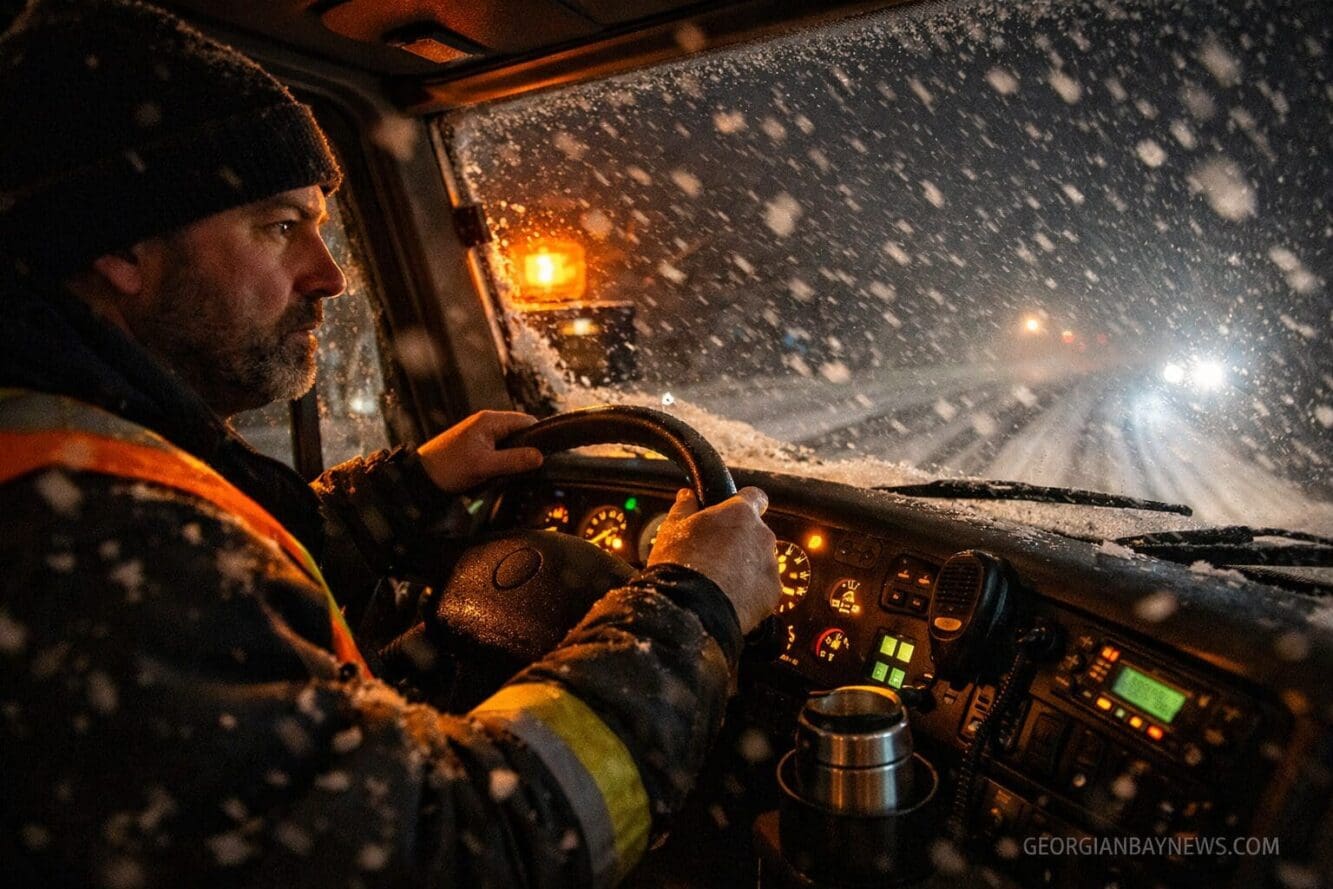
These are the folks who start their shifts when the first flakes fall and don’t stop until the roads are passable. During the January 2026 storms, snow plow operators across the Midwest worked consecutive 16-hour shifts [1]. They navigate roads they can barely see, dealing with equipment failures in sub-zero temperatures, and face the very real danger of other vehicles sliding into them.
I spoke with Tom, a veteran plow driver from North York, who told me: “People don’t realize we’re out there when visibility is zero. We’re clearing roads we’ve driven a thousand times, but in a whiteout, everything looks the same. You just trust your instincts and keep going because you know people are counting on you.”
🚓 Police Officers and First Responders
Law enforcement officers don’t get to call in sick when the weather turns dangerous. During winter storms, they respond to countless accidents, welfare checks, and emergency calls.
Officers spend hours in freezing temperatures directing traffic, investigating accidents, and helping stranded motorists—often putting their own safety at risk.
🚑 Paramedics and Emergency Medical Services
When someone has a heart attack during a blizzard, paramedics still have to get there. County paramedics and emergency medical teams face some of the most challenging conditions imaginable. They navigate icy roads in large, heavy ambulances, carry equipment through deep snow, and provide life-saving care in the back of a moving vehicle on slippery highways.
The dedication is extraordinary. During severe weather events, response times increase, but these professionals never give up. They adapt, they persevere, and they save lives.
🏥 Doctors and Nurses
Hospitals don’t close for snow days. In fact, they often see an increase in patients during winter storms—from slip-and-fall injuries to carbon monoxide poisoning from improper heating. Medical professionals face the challenge of getting to work when roads are impassable, then working extended shifts because relief staff can’t make it in.
Many nurses and doctors sleep at hospitals during severe weather, sacrificing time with their own families to ensure patients receive continuous care. That’s dedication that deserves recognition.
⚡ Utility Workers and Infrastructure Teams
When power lines snap under the weight of ice, utility crews brave the storm to restore electricity. These workers climb poles in freezing rain, work with high-voltage equipment in dangerous conditions, and often go days without proper sleep during major weather events.
The Real Challenges: What Our Winter Heroes Face
A tribute to our front line isn’t complete without understanding the genuine hardships these workers endure.
Physical Dangers and Health Risks
- Frostbite and hypothermia from extended exposure to extreme cold
- Vehicle accidents on ice-covered roads
- Physical exhaustion from working double or triple shifts
- Repetitive stress injuries from operating heavy equipment for hours
- Respiratory issues from breathing extremely cold air
Mental and Emotional Toll
Working through winter storms takes a psychological toll that’s often overlooked. The stress of making life-or-death decisions in dangerous conditions, the guilt of missing family time during holidays, and the sheer exhaustion of consecutive long shifts all contribute to mental fatigue.
One paramedic shared: “You see things during these storms that stay with you. Families stranded in cars, elderly people without heat, accidents that could have been prevented. You do your job, you save who you can, but it weighs on you.”
Family Sacrifices
Behind every front-line worker is a family that sacrifices too. Spouses who manage households alone during storms. Children who celebrate birthdays without a parent present. Partners who worry every time their loved one heads out into dangerous conditions.
These families are part of the tribute we owe to our winter warriors.
Stories from the Storm: Real Heroes, Real Impact
During the 2025/26 winter storms, countless acts of heroism went unrecorded. But some stories deserve to be told.
The Plow Driver Who Became a Lifeline
In Washago, a snow plow driver named Steven noticed a car buried in a snowdrift along her route. Despite being hours into his shift, she stopped, called for help, and stayed with the elderly couple inside until paramedics arrived. His quick action likely saved their lives [3].
The Nurse Who Walked Five Miles
When roads became impassable in Orillia, a nurse named Bev walked five miles through a blizzard to reach the hospital for his shift in the ICU. He knew his patients needed him, and no amount of snow was going to stop him from being there.
The Police Officer Who Delivered a Baby
During white-out conditions, an OPP officer in Ontario helped deliver a baby in the back of a patrol car when an ambulance couldn’t reach the expectant mother in time. Both mother and baby were healthy, thanks to the officer’s training and calm under pressure.
These aren’t just feel-good stories—they’re examples of the extraordinary commitment our front-line workers demonstrate every single day during winter emergencies.
How Communities Can Show Appreciation
A tribute to our front line should go beyond words. Here are meaningful ways communities and individuals can show support:
🙏 Direct Expressions of Gratitude
- Write thank-you notes to local police departments, fire stations, hospitals, and public works departments
- Organize community appreciation events when weather permits
- Share positive stories on social media highlighting specific acts of service
- Create care packages with hand warmers, snacks, and coffee for workers
💰 Practical Support
- Donate to first responder funds and emergency service organizations
- Support legislation that provides better equipment and resources for winter response teams
- Volunteer with community organizations that support emergency workers
- Offer your driveway or parking to emergency vehicles during storms
🏛️ Institutional Recognition
Local governments and organizations can:
- Establish annual recognition programs for outstanding service during winter emergencies
- Provide mental health resources for front-line workers dealing with trauma and stress
- Invest in better equipment and training for winter response teams
- Create family support programs to help the loved ones of essential workers
The County of Simcoe Paramedic for a Day contest is one example of how communities can engage with and appreciate their emergency responders year-round.
The Bigger Picture: Why This Matters for Everyone
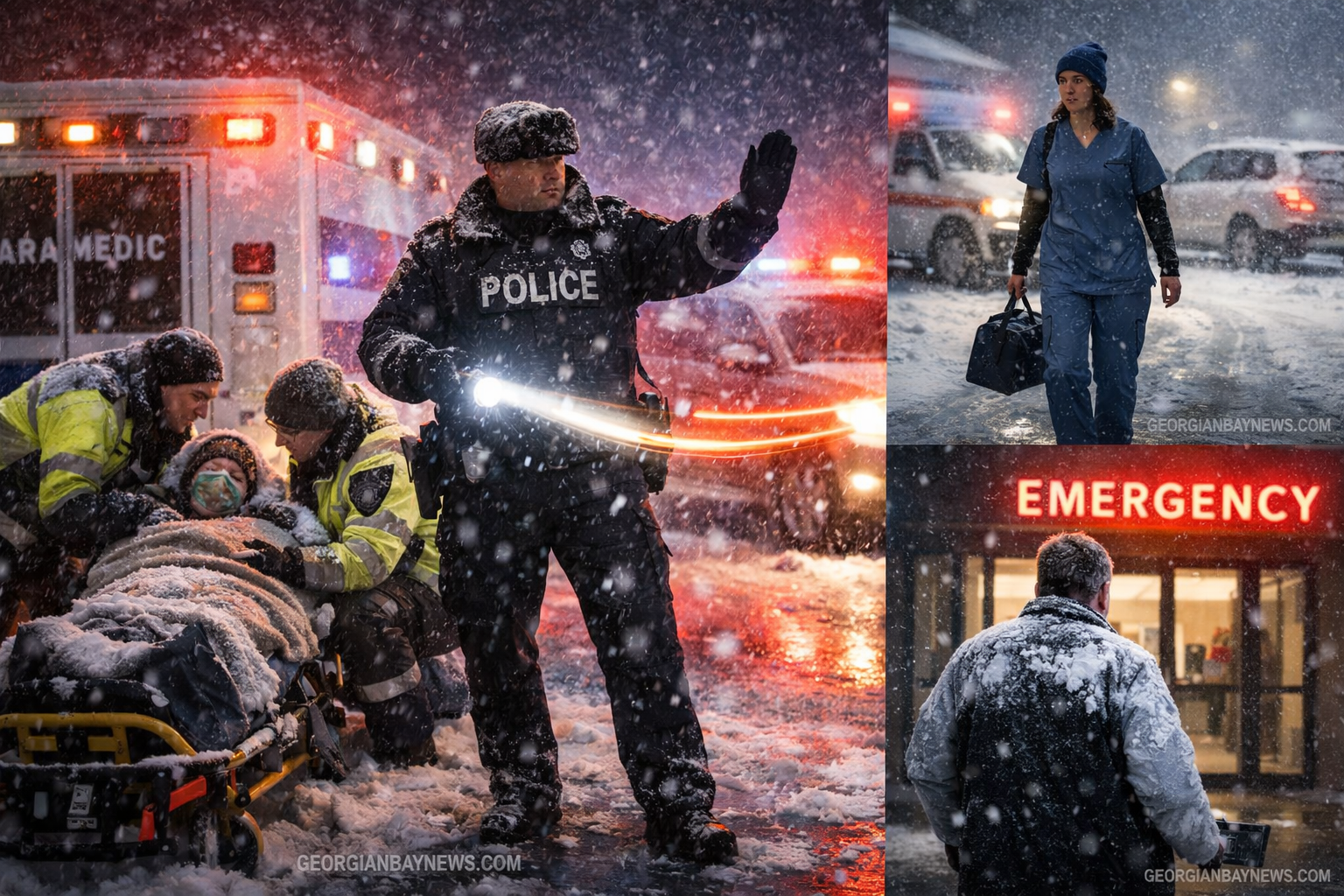
When we honor our front line braving harsh winter weather, we’re not just being polite—we’re strengthening the social fabric that holds our communities together during crisis.
Building Community Resilience
Communities that recognize and support their essential workers are more resilient during emergencies. When workers feel valued, they’re more likely to go the extra mile. When families feel supported, workers can focus on their jobs without additional stress.
Inspiring the Next Generation
Young people who see front-line workers honored and respected are more likely to consider careers in public service. We need the next generation of paramedics, police officers, nurses, and public works professionals. Recognition today creates recruitment tomorrow.
Creating a Culture of Mutual Support
When we acknowledge the sacrifices of winter heroes, we create a culture where helping others during difficult times is normalized and celebrated. This ripple effect strengthens communities in ways that extend far beyond winter storms.
Looking Ahead: Preparing for Future Winter Challenges
As climate patterns shift and extreme weather events become more frequent and intense, our reliance on front-line workers will only increase. The hardworking crews addressing local flooding and severe weather demonstrate that emergency response is a year-round commitment.
What We Can Do
As individuals:
- Prepare our homes and vehicles for winter weather to reduce emergency calls
- Stay off roads during severe weather unless absolutely necessary
- Check on elderly neighbors who might need assistance
- Maintain emergency supplies so we’re not dependent on first responders for minor issues
As communities:
- Invest in modern equipment and technology for emergency services
- Provide comprehensive training for winter response scenarios
- Create robust mutual aid agreements between jurisdictions
- Develop communication systems that keep the public informed during emergencies
As a society:
- Advocate for fair compensation and benefits for essential workers
- Support policies that protect worker safety during extreme weather
- Recognize that emergency preparedness is a shared responsibility
- Value public service as the noble calling it truly is
Conclusion: Gratitude in Action
A tribute to our front line braving harsh winter weather isn’t a one-time gesture—it’s an ongoing commitment to recognizing, supporting, and honoring the people who keep us safe when conditions are at their worst.
The January 2026 winter storms showed us once again that when nature unleashes its fury, human courage and dedication shine brightest. Snow plow drivers, police officers, paramedics, nurses, doctors, utility workers, and countless others put their lives on hold—and sometimes at risk—to serve their communities.
They don’t do it for recognition. They do it because someone has to. They do it because they’ve committed to service. They do it because they know that on the other side of that emergency call, that snow-covered road, or that hospital bed is a fellow human being who needs help.
But just because they don’t seek recognition doesn’t mean they don’t deserve it.
Take Action Today
Here’s what you can do right now:
- Reach out to your local police department, fire station, hospital, or public works department with a simple thank-you
- Share this article to spread awareness about the sacrifices of winter front-line workers
- Prepare your household for winter emergencies so you’re not adding to the burden on emergency services
- Support local initiatives that provide resources and recognition for essential workers
- Remember their families who also sacrifice during these difficult times
The next time you’re warm and safe inside while a winter storm rages outside, take a moment to think about the people who are out there in it. Think about the plow driver clearing your street at 3 a.m. Think about the paramedic rushing to an emergency. Think about the nurse caring for patients while worrying about her own family at home.
And then, when the storm passes, don’t just think about them—do something to show your appreciation.
Because a tribute to our front line braving harsh winter weather isn’t just about words on a page. It’s about creating a culture where service is honored, sacrifice is recognized, and the people who keep us safe know that their communities have their backs, just as they have ours.
To all our winter warriors: Thank you. We see you. We appreciate you. And we’re grateful beyond words for everything you do. ❄️💙
References
[1] Winter Storm Jan 2026 – https://gema.georgia.gov/winter-storm-jan-2026
[2] Watch – https://www.youtube.com/watch?v=3hrZP_dmm0Y
[3] 2026 01 24 25 Winterstorm – https://www.weather.gov/lot/2026_01_24-25_WinterStorm
[4] Winter Storm Live Updates Tracking Dangerous Ice Snow – https://abcnews.go.com/US/live-updates/winter-storm-live-updates-tracking-dangerous-ice-snow/?id=129469173
Some content and illustrations on GEORGIANBAYNEWS.COM are created with the assistance of AI tools.