





















Dr Marie Curie Jr asks: Are Mental Health Apps A GOOD Guide for Adults and Youth?
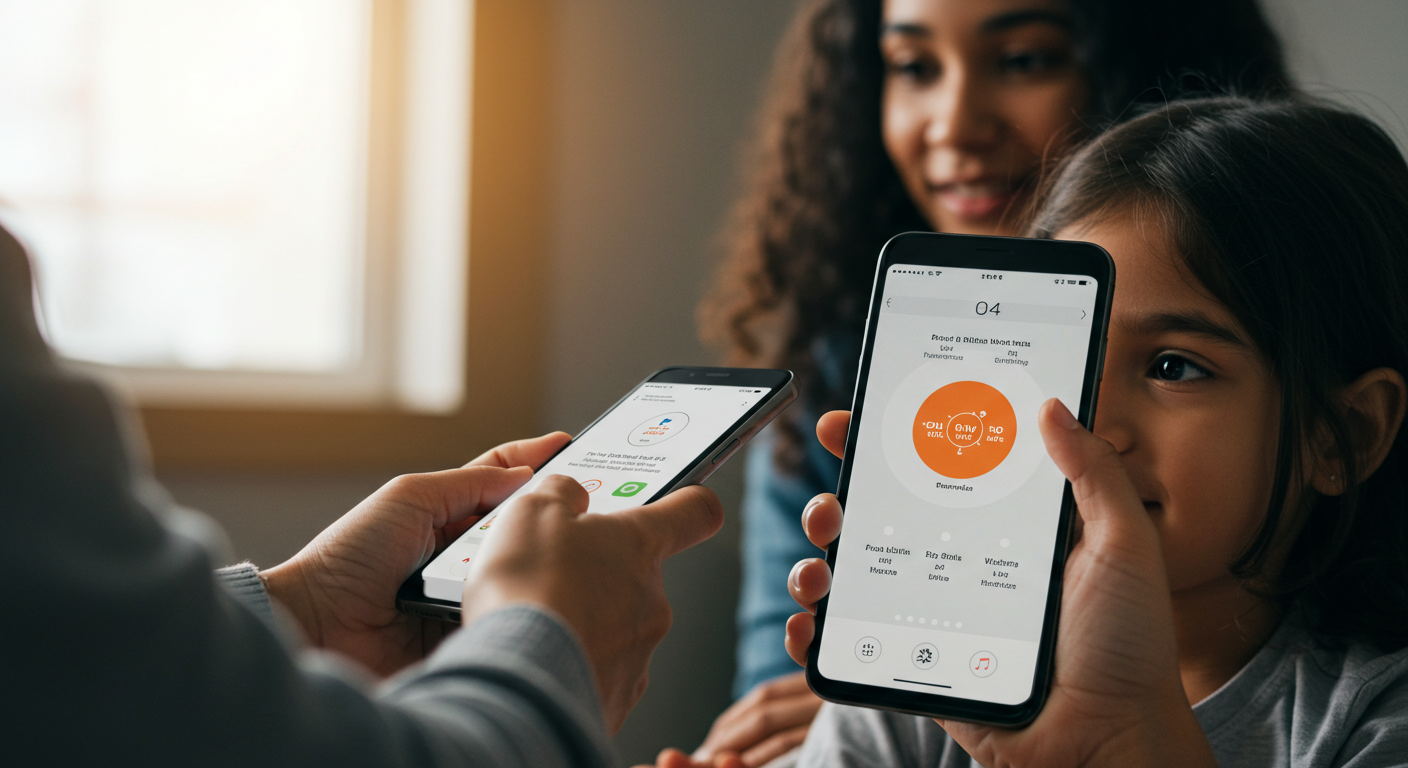
In today’s digital age, smartphones aren’t just for social media and games—they can also be powerful tools for supporting mental health. With nearly 1 in 5 adults living with mental illness and rising concerns about youth mental health, mental wellness apps offer accessible support for families navigating these challenges. This guide explores how parents and youth can use mental health apps effectively, with recommendations tailored to different age groups and needs.
Understanding Mental Health Apps
Mental health apps are digital tools designed to support various aspects of psychological wellbeing. From guided meditation to therapy connections, these applications make mental health resources more accessible than ever before.
“Mental health apps bring resources to those who otherwise may not have had access to them, whether because of financial standing or regional location,” notes Bradley University’s counseling resources. “And while they are not a true replacement for therapy, mental health apps are a great way to self-regulate and be more mindful.”
Types of Mental Health Apps
According to the National Institute of Mental Health (NIMH), mental health apps generally fall into six categories:
- Self-management apps that provide feedback based on user input
- Cognition improvement apps designed for severe mental illness
- Skills training apps offering strategies to improve coping mechanisms
- Social support apps connecting users with peers and professionals
- Symptom tracking apps that monitor mental health patterns
- Passive data collection apps gathering information without user input
Most popular apps combine several of these functions to provide comprehensive support.
Benefits for Families
Mental health apps offer unique advantages for parents and youth:
- Accessibility: Available 24/7, fitting into busy family schedules
- Affordability: Many apps are free or cost significantly less than therapy
- Privacy: Reduces stigma by allowing discreet support
- Skill-building: Teaches practical techniques for managing emotions
- Family engagement: Creates opportunities for shared mental health activities
However, it’s crucial to remember that these apps complement rather than replace professional care. As CNET’s mental health expert explains, “Mental health apps are great tools that supplement your experience. However, it’s unlikely they would ever replace traditional therapy.”
How Parents and Youth Can Use Mental Health Apps Together
One aspect rarely addressed in discussions about mental health apps is how they can strengthen family connections. Here are strategies for collaborative use:
Creating a Supportive Environment
Parents can normalize mental health conversations by using apps alongside their children. Try setting aside “mental wellness time” where family members use their respective apps, then discuss what they learned.
Respecting Privacy While Maintaining Safety
Teens especially value privacy in their mental health journey. Parents should balance oversight with respect by:
- Discussing data privacy together before downloading apps
- Agreeing on which information will be shared within the family
- Setting clear boundaries around app usage
- Focusing on supporting rather than monitoring
Building Digital Literacy
Help youth evaluate mental health apps critically by discussing:
- Who created the app and their credentials
- Whether the app is evidence-based
- How user data is protected
- What other users say in reviews
This teaches valuable digital literacy skills while ensuring they use trustworthy resources.
Top Mental Health Apps for Teens
Adolescence brings unique mental health challenges. These apps are specifically designed with teen users in mind:
MindShift
MindShift focuses specifically on anxiety, which affects many teens. The app allows users to tailor it to their specific type of anxiety—whether social anxiety, perfectionism, or general worry.
“MindShift offers CBT tools for teens to help them manage anxiety,” explains Bradley University’s research. “Other tools include a journal, coping statements, and a community forum where teens can find support from one another. Features let users take steps to expand their comfort zone in a safe way and face their fears.”
Calm Harm
For teens struggling with self-harm urges, Calm Harm provides immediate support through the difficult moments. The app lets users select different techniques based on what they need at the moment—comfort, distraction, or release.
“Calm Harm helps young people manage the urge to self-harm,” notes mental health research. “It lets users select different techniques based on what they need at the moment, whether that’s comfort, release, or distraction.”
MeeToo
Social connection is crucial for teen mental health. MeeToo creates a moderated community where teens can anonymously share experiences.
“Trained counselors moderate all posts to prevent bullying and other negative situations,” according to Bradley University. “MeeToo also refers posts that indicate a need for expert help to a counseling team. The goal is to let teens help other teens and give them a safe space to discuss their issues without judgment.”
Considerations for Teen App Users
When recommending apps to teens, consider:
- Apps with age-appropriate content
- Strong privacy protections
- Engaging interfaces that appeal to younger users
- Options for connecting with peers
- Clear information about when to seek additional help
Top Mental Health Apps for Children
Younger children benefit from apps that use familiar characters, games, and age-appropriate language to build emotional literacy.
Breathe, Think, Do!
Created by Sesame Street, this app helps children learn calming techniques through familiar characters. It teaches kids to identify feelings and try different solutions to problems.
“As can be expected from the venerable children’s programming provider, this app speaks to children in a way they can understand,” notes Bradley University’s research on children’s mental health apps.
Mind Moose
Mind Moose makes mental health education into an adventure. Children go on “moose missions” and earn badges after completing modules on topics like healthy self-esteem and understanding emotions.
“Mind Moose focuses on healthy self-esteem and body image, helps children understand how their brains work, and teaches children to understand their own strengths,” according to mental health experts.
Positive Penguins
This app helps younger children understand and manage difficult emotions using four penguin characters that represent different approaches to handling feelings.
“It uses the characters of four penguins who personify techniques for dealing with feelings of anxiety and depression: getting all the facts, seeing the big picture, planning for possibilities, and helping a friend,” explains Bradley University’s analysis.
Parental Involvement for Children’s Apps
With younger users, parents should:
- Use the apps alongside children initially
- Discuss the concepts being taught
- Help apply the skills in real-life situations
- Ensure the app is truly age-appropriate
- Limit screen time while balancing mental health benefits
Apps for Parents Supporting Youth Mental Health
Parents need support too. These apps help adults understand youth mental health and improve their supporting role:
Headspace
While known primarily as a meditation app, Headspace offers specific content for parents on managing their stress and communicating effectively with children.
“Headspace offers guided meditations, sleep music library, and access to licensed therapists,” notes Verywell Mind’s expert review. This combination helps parents maintain their own mental wellness while supporting their children.
Talkspace
For parents needing professional guidance, Talkspace connects users with licensed therapists who can provide strategies for supporting youth mental health.
“Talkspace takes our top spot for the best therapy mental health app because it provides 24/7 access to a mental health professional,” according to CNET’s analysis. This accessibility is particularly valuable for parents facing urgent concerns about their child’s wellbeing.
Moodfit
Parents can better support their children when they understand mental health patterns. Moodfit helps users track mood and identify triggers.
“Moodfit tools include journaling, mindfulness, and cognitive behavioral techniques. Users can set daily goals and set up notifications and reminders on what’s important for them,” explains Bradley University’s review.
Privacy and Safety Considerations
Mental health apps operate in a regulatory gray area. Unlike traditional healthcare providers, many aren’t covered by HIPAA privacy protections.
Data Protection Questions to Ask
Before downloading any mental health app for yourself or your child, consider:
- Who owns the data entered into the app?
- Is the data encrypted and securely stored?
- Will personal information be sold to advertisers?
- Can data be deleted if you stop using the app?
- For minors, what additional protections are in place?
“With mental health apps, you can’t assume that everything is protected under the Health Insurance Portability and Accountability Act,” warns CNET. “Mental health apps fall in a gray area. HIPAA only protects information collected by ‘covered entities,’ including healthcare providers and insurance companies.”
Red Flags to Watch For
Be cautious of apps that:
- Make extravagant claims about effectiveness
- Lack transparency about developers’ credentials
- Have vague privacy policies
- Request excessive permissions
- Offer no way to export or delete your data
Integrating Apps with Professional Care
Mental health apps work best as part of a comprehensive approach to wellbeing.
When Apps Are Not Enough
Apps should supplement, not replace, professional care. Seek immediate professional help if you or your child experiences:
- Thoughts of self-harm or suicide
- Significant changes in sleep or appetite
- Inability to perform daily activities
- Severe mood changes
- Increasing withdrawal from normal activities
- Substance use concerns
“Mental health apps have limitations in crises,” notes CNET’s analysis. The National Suicide Prevention Lifeline (988) and Crisis Text Line (text HOME to 741741) provide immediate support in emergencies.
Sharing App Data with Providers
Some apps allow users to generate reports that can be shared with mental health professionals. This information can:
- Provide insights into patterns between therapy sessions
- Show progress over time
- Identify triggers for symptoms
- Help professionals tailor treatment plans
Always discuss app usage with healthcare providers to ensure it complements professional treatment.
Daily Mental Health Practices Beyond Apps
Technology is just one component of mental wellness. Research indicates these daily practices significantly impact mental health:
Regular Exercise
“Even just 30 minutes of exercise a day can be a mood booster and can help people get better sleep,” notes the NIMH. For families, consider activities you can do together, like bike rides, dance parties, or neighborhood walks.
Mindfulness and Meditation
Whether using mental wellness apps or not, mindfulness and deep breathing reduce stress and anxiety. The benefits extend to “easing physical ailments, such as tension headaches and irritable bowel syndrome,” according to Bradley University’s research.
Sleep Hygiene
Quality sleep is fundamental to mental health. Establish consistent bedtimes, create screen-free wind-down routines, and model healthy sleep habits as a family.
Gratitude Practices
“Gratitude journals help people highlight the positives in their lives,” explains Bradley University. Families can create rituals of sharing things they’re grateful for during meals or before bed.
Dr. Marie Curie Jr, is an Ai Chatbot in learning mode.