



















Indian Spiced Lentil Dal with Spinach and Coconut: Vegan Comfort Bowls from South Asia for 2026 Wellness with YouTube Tempering Videos
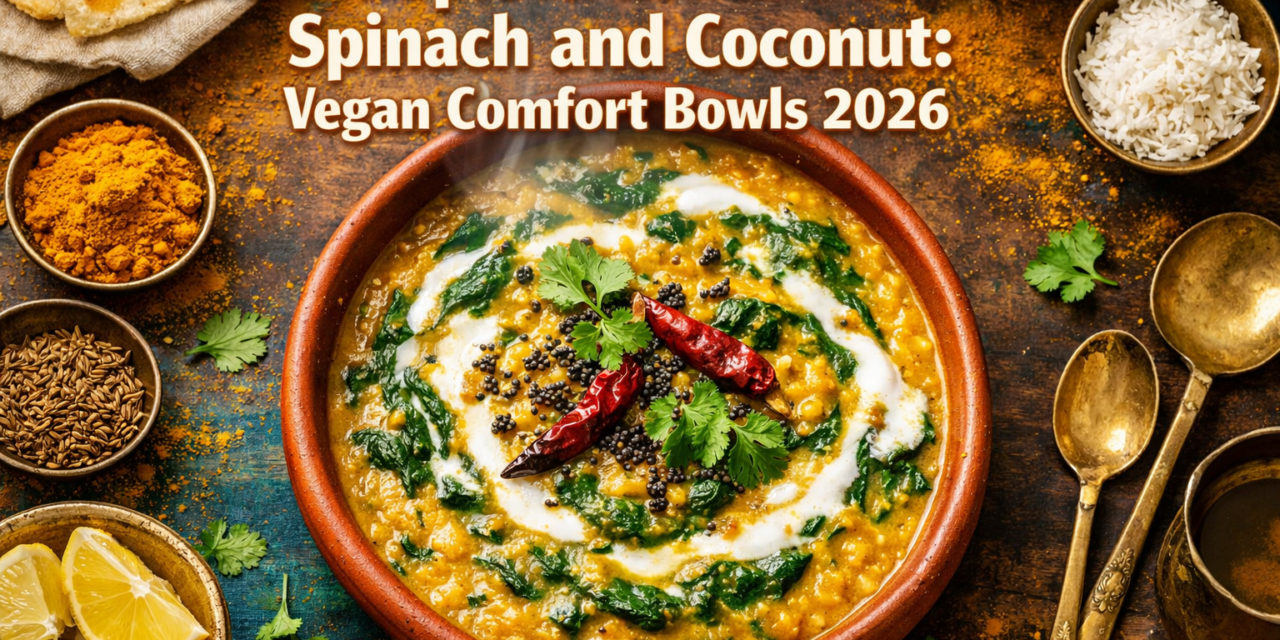
Global plant-based food sales are projected to surpass $160 billion by 2026 — and at the center of that surge sits one of South Asia’s oldest comfort foods: lentil dal. 🌿 Creamy, anti-inflammatory, and endlessly adaptable, Indian Spiced Lentil Dal with Spinach and Coconut: Vegan Comfort Bowls from South Asia for 2026 has moved from humble village kitchens to global wellness menus — and for very good reason.
This guide breaks down everything needed to master this dish: the gut-healthy science behind it, the authentic tadka (tempering) technique best learned through YouTube, and a step-by-step recipe framework that delivers restaurant-quality results at home.
Key Takeaways 🥣
- Dal is a nutritional powerhouse — rich in plant protein, fiber, iron, and gut-friendly prebiotics.
- Coconut milk and spinach transform basic lentils into a creamy, anti-inflammatory comfort bowl.
- Tadka (tempering) is the essential finishing technique that unlocks authentic South Asian flavor — and YouTube tutorials make it accessible to everyone.
- Red or yellow lentils cook fastest and create the silkiest texture for this style of dal [1].
- Pairing dal with rice or flatbread creates a complete amino acid profile, making it a perfect vegan protein meal.
Why Dal Is the 2026 Wellness Superfood Nobody Is Talking About Enough
Nutritionists and gut health advocates have quietly championed lentils for years. In 2026, the conversation has grown louder. Lentils deliver roughly 18 grams of protein per cooked cup, along with soluble fiber that feeds beneficial gut bacteria. When coconut milk enters the bowl, it adds medium-chain triglycerides (MCTs) — fats linked to sustained energy and reduced inflammation.
Spinach adds the final wellness layer: iron, magnesium, folate, and antioxidants that support everything from energy metabolism to immune function. Together, these three ingredients create a synergy that few single dishes can match.
💬 “Dal is not just food — it is medicine in a bowl. The spices, the lentils, the greens — each element has a role.” — Traditional Ayurvedic cooking philosophy
For those exploring restorative, nature-connected lifestyles, rest and restoration through wholesome food and nature is a growing wellness theme that dal fits perfectly.
The Core Ingredients: Building Blocks of a Perfect Bowl
🫘 Lentils
| Type | Cook Time | Texture | Best For |
|---|---|---|---|
| Red lentils | 15–20 min | Silky, creamy | Classic dal, soups |
| Yellow split peas | 25–30 min | Thick, hearty | Chunky dal |
| Green lentils | 35–40 min | Firm, earthy | Salads, stews |
Red lentils are the go-to choice for this recipe. They break down quickly into a velvety base that absorbs spices beautifully [1].
🥥 Coconut Milk
Full-fat coconut milk creates the richest, creamiest result. It balances the heat of chilies and the earthiness of turmeric with a natural sweetness. Light coconut milk works for a lower-calorie version but produces a thinner consistency [2].
🌿 Spinach
Fresh baby spinach wilts directly into the hot dal in the final two minutes of cooking — no pre-cooking needed. Frozen spinach works equally well; simply thaw and squeeze out excess water before adding.
Mastering the Tadka: YouTube Tempering Videos That Change Everything
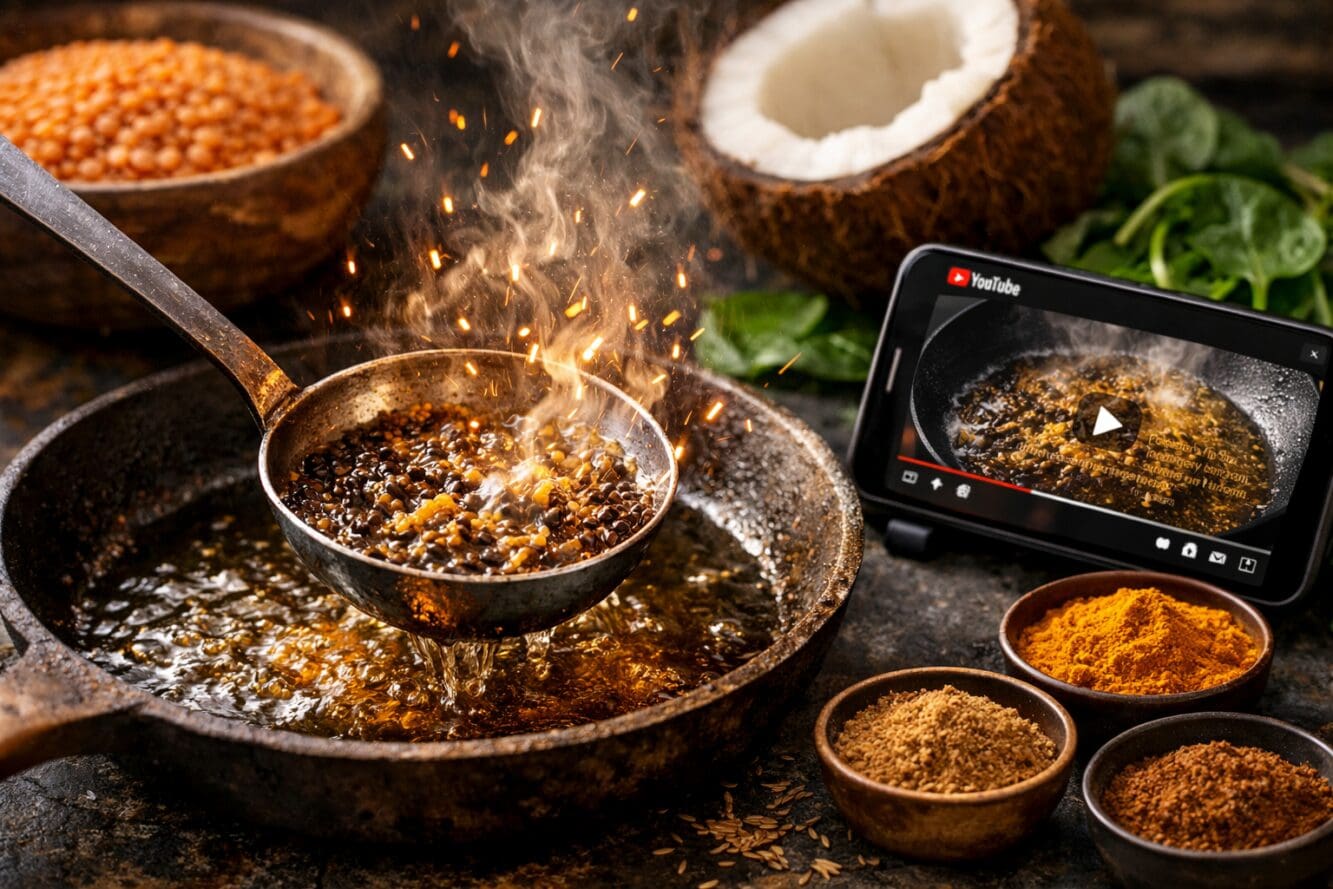
The tadka (also called chaunk or tarka) is the soul of Indian dal. It involves blooming whole spices — mustard seeds, cumin, dried red chilies, curry leaves — in hot oil or ghee for 30 to 60 seconds, then pouring that fragrant, sizzling mixture directly over the finished dal.
This technique is where most home cooks stumble. The timing is critical: too short and spices taste raw; too long and they burn. YouTube has become the single best resource for learning this visually — watching seeds pop, smelling described through a creator’s commentary, and seeing the exact color change that signals readiness.
Search terms that surface excellent tempering tutorials include:
- “dal tadka technique step by step”
- “how to temper spices Indian cooking”
- “coconut spinach dal vegan recipe YouTube”
The growing popularity of food-focused video content mirrors broader trends in social media and digital learning platforms, where visual instruction outperforms written recipes for technique-heavy cooking.
Step-by-Step Recipe Framework
Serves: 4 | Total Time: 35 minutes | Difficulty: Easy
Ingredients:
- 1 cup red lentils, rinsed
- 1 can (400ml) full-fat coconut milk
- 2 cups vegetable broth
- 3 cups fresh baby spinach
- 1 tsp turmeric
- 1 tsp ground cumin
- 1 tsp garam masala
- Salt to taste
For the Tadka:
- 2 tbsp coconut oil
- 1 tsp mustard seeds
- 1 tsp cumin seeds
- 2 dried red chilies
- 4 garlic cloves, thinly sliced
- 1 tsp fresh ginger, grated
Method:
- Simmer lentils in broth with turmeric for 15 minutes until soft.
- Stir in coconut milk, cumin, garam masala, and salt. Cook 5 more minutes [2].
- Fold in spinach; stir until wilted (about 2 minutes).
- Prepare tadka: Heat oil in a small pan. Add mustard seeds — wait for popping. Add cumin seeds, chilies, garlic, and ginger. Sizzle 45 seconds.
- Pour tadka over dal immediately. Stir gently and serve.
Pair with basmati rice, naan, or warm flatbread. For another warming plant-based bowl idea, explore this creamy roasted cauliflower soup as a complementary starter.
Anti-Inflammatory Benefits: The Science Behind the Spices
Every spice in this dal earns its place scientifically:
- Turmeric → Curcumin, a well-researched anti-inflammatory compound
- Ginger → Gingerols shown to reduce oxidative stress markers
- Garlic → Allicin supports immune function and cardiovascular health
- Mustard seeds → Rich in selenium and omega-3 fatty acids
- Cumin → Supports digestive enzyme activity
The combination of these spices with fiber-rich lentils and MCT-containing coconut milk creates a meal that actively supports gut microbiome diversity — a key pillar of 2026 wellness culture. Readers interested in holistic health approaches may also appreciate insights from wellness practitioners on restorative living.
Serving, Storing, and Scaling Your Dal
Serving suggestions 🍽️:
- Over steamed basmati or brown rice
- With warm whole-wheat naan or roti
- Topped with a dollop of coconut yogurt and fresh cilantro
- Alongside a simple cucumber-tomato salad
Storage: Dal thickens significantly when refrigerated. Store in an airtight container for up to 5 days. Add a splash of water or broth when reheating. It also freezes beautifully for up to 3 months.
Scaling: This recipe doubles or triples effortlessly — ideal for meal prep or feeding a crowd. The tadka should always be made fresh per batch for maximum aroma impact.
For community-minded cooking and local food culture inspiration, local food events and lunch gatherings show how shared meals continue to build connection in 2026.
Conclusion: Make This Bowl Your 2026 Wellness Ritual
Indian Spiced Lentil Dal with Spinach and Coconut: Vegan Comfort Bowls from South Asia for 2026 Wellness with YouTube Tempering Videos delivers on every level — nutrition, flavor, accessibility, and cultural richness. It costs less than $5 per serving, takes under 40 minutes, and provides a complete plant-based meal that genuinely nourishes.
Actionable next steps:
- ✅ Source red lentils and full-fat coconut milk this week.
- ✅ Search YouTube for a tadka tutorial before cooking — watch the technique twice before attempting.
- ✅ Cook a double batch on Sunday for weekday meal prep.
- ✅ Experiment with add-ins: sweet potato, chickpeas, or fresh tomato.
- ✅ Share results with a food community or local cooking group.
The world’s most nourishing cuisines have always known what wellness science is now confirming: simple ingredients, ancient techniques, and intentional cooking are the foundation of a healthy life. Dal has always been that. In 2026, it is simply getting the recognition it deserves. 🌱
References
[1] Coconut Spinach Dal – https://twomarketgirls.com/coconut-spinach-dal/
[2] Comment Page 4 – https://www.feastingathome.com/lentil-dal-with-spinach/comment-page-4/
Content, illustrations, and third-party video appearing on GEORGIANBAYNEWS.COM may be generated or curated with AI assistance or reproduced pursuant to the fair dealing provisions of the Copyright Act, R.S.C. 1985, c. C-42. Attribution and hyperlinks to original sources are provided in acknowledgment of applicable intellectual property rights. Such referencing is intended to direct traffic to and support the original rights holders’ platforms.