















Milano Cortina Winter Olympics 2026: Protests, Boos, and Geopolitical Tensions
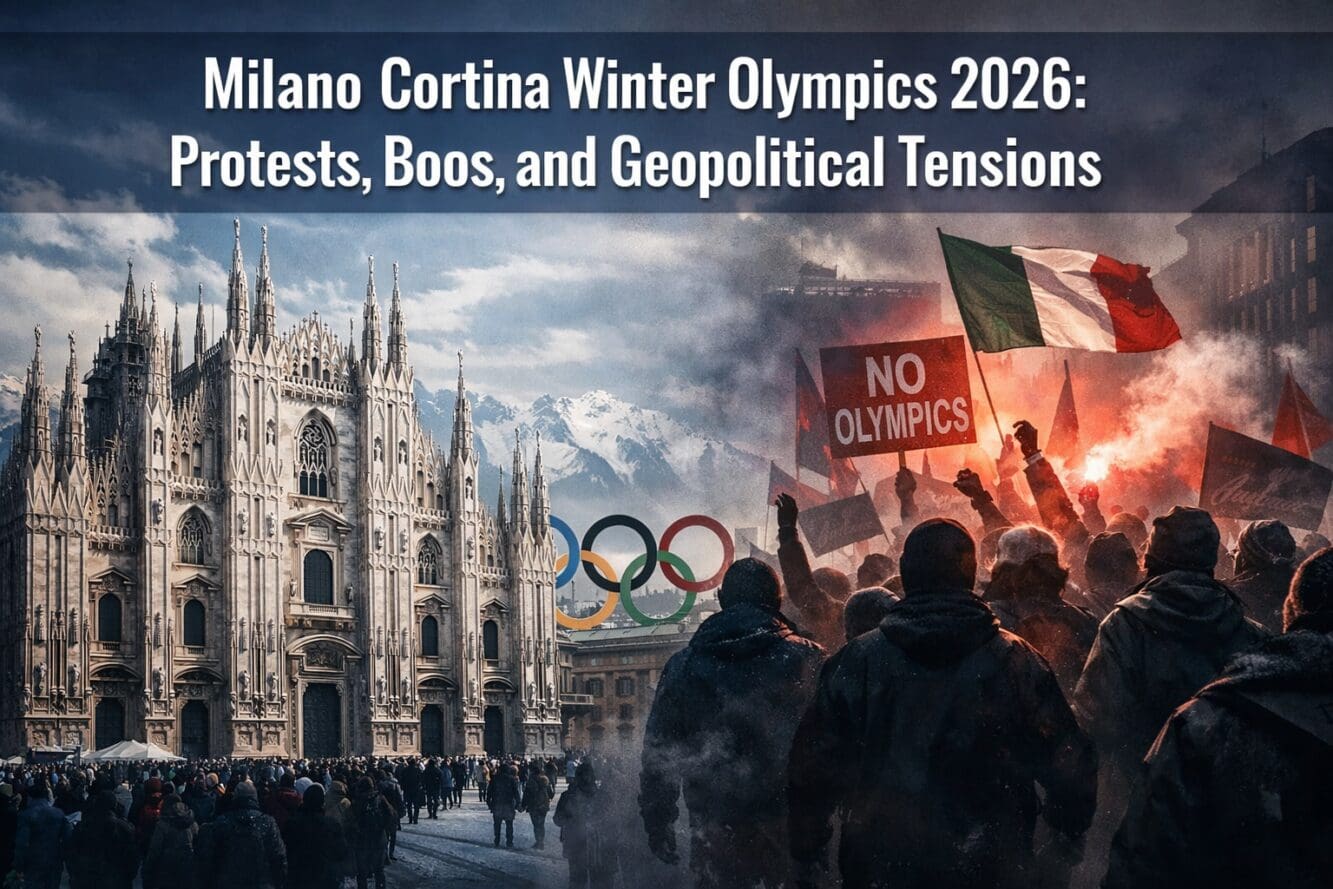
The 2026 Winter Olympics were supposed to showcase Italy’s stunning Alpine landscapes and world-class athletic competition. Instead, the Milano Cortina Winter Olympics 2026 have dominated headlines, transforming what should be a celebration of international sport into a flashpoint for environmental activism, political controversy, and diplomatic friction.
From violent demonstrations in Milan’s streets to audible jeers directed at high-ranking officials, the Games have become a mirror reflecting the deep divisions fracturing global unity in 2026.
As athletes compete for medals across venues stretching from Milan to Cortina d’Ampezzo, the world watches not just the sporting events but the unprecedented political theater unfolding around them. The Milano Cortina Winter Olympics 2026 represent a watershed moment where sport, politics, and international relations collide with extraordinary force.
Key Takeaways
- 🔥 Violent protests erupted in Milan targeting environmental impacts, Israel’s participation, and the U.S. delegation presence at the 2026 Winter Olympics
- 📢 Vice President JD Vance faced public booing during Olympic ceremonies, highlighting deep political divisions surrounding American representation
- 🌍 Geopolitical tensions between the U.S. and Europe intensified during the Games, with concerns about transatlantic security commitments
- 🎿 Athlete controversies emerged when U.S. freestyle skier Hunter Hess expressed conflicted feelings about representing America, drawing presidential criticism[1]
- 🤝 High-level diplomatic meetings occurred alongside sporting events as world leaders attempted to navigate mounting international tensions
Environmental Activism and Street Protests Rock Milan
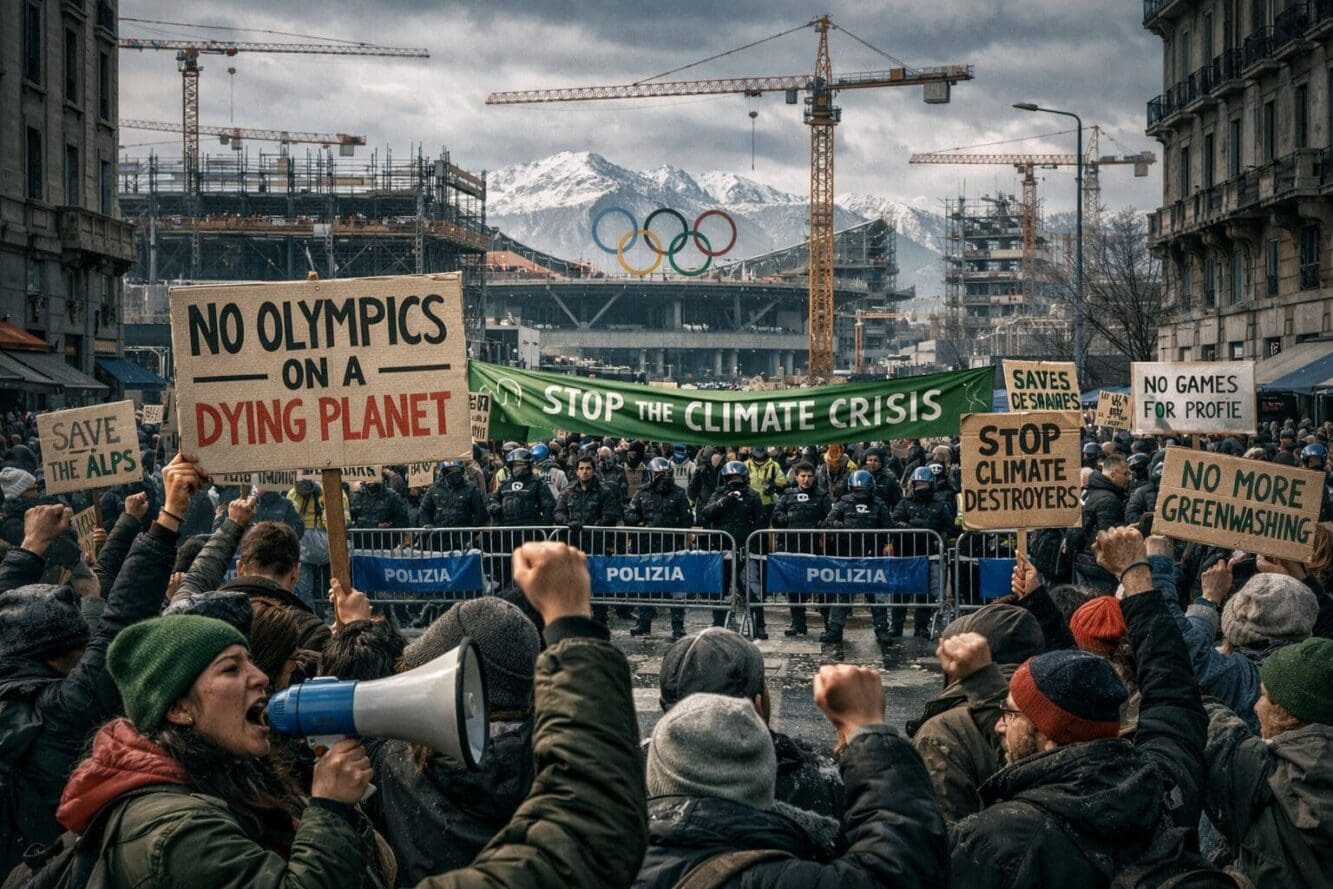
The streets of Milan transformed into battlegrounds as environmental activists launched aggressive demonstrations against the Winter Olympics. Protesters argued that the massive infrastructure projects required for the Games—including new ski facilities, transportation networks, and hospitality venues—caused irreparable damage to the fragile Alpine ecosystem.
The Scale of Environmental Opposition
Thousands of demonstrators flooded Milan’s historic center, creating scenes reminiscent of major political uprisings rather than Olympic celebrations. The protests featured:
- Blocked roadways preventing access to Olympic venues
- Clashes with police resulting in arrests and injuries
- Green banners demanding climate accountability
- Occupation attempts at newly constructed Olympic facilities
Environmental groups criticized the carbon footprint of the Games, pointing to the construction of temporary structures, increased tourism traffic, and energy consumption across multiple venue locations. The Alpine environment, already stressed by climate change, faced additional pressure from Olympic development that activists deemed unnecessary and destructive.
The Milano Cortina organizing committee defended their environmental record, claiming the 2026 Games represented the “most sustainable Winter Olympics in history.” However, protesters remained unconvinced, arguing that no amount of green initiatives could offset the fundamental environmental cost of hosting such a massive international event.
Israel’s Participation Sparks Heated Demonstrations
Beyond environmental concerns, the Milano Cortina Winter Olympics 2026 intensified around Israel’s participation in the Games. Pro-Palestinian activists organized coordinated demonstrations demanding Israel’s exclusion from international sporting events, citing ongoing regional conflicts and humanitarian concerns.
Political Pressure on Olympic Organizers
The International Olympic Committee (IOC) faced unprecedented pressure to take political stances traditionally avoided in Olympic governance. Protesters demanded:
| Demand | Activist Position | IOC Response |
|---|---|---|
| Ban Israeli athletes | Exclude based on government policies | Maintained political neutrality |
| Symbolic gestures | Allow Palestinian flag displays | Enforced existing political expression rules |
| Official statements | Condemn specific government actions | Refused to make political declarations |
| Venue protests | Permit demonstrations at events | Enhanced security measures |
The demonstrations created security challenges for Italian authorities, who deployed thousands of additional police officers to protect Israeli athletes and prevent disruptions to competition schedules. Some events experienced delays as security teams cleared protest activity from venue perimeters.
Israeli athletes competed under heightened protection, with some expressing frustration that political controversies overshadowed their years of training and preparation. The situation highlighted the ongoing tension between the Olympic ideal of separating sport from politics and the reality that international athletic competitions inevitably reflect global conflicts.
U.S. Delegation Faces Unprecedented Hostility
Perhaps the most visible manifestation of the Milano Cortina Winter Olympics 2026: Protests, Boos, and Geopolitical Tensions came through the hostile reception directed at American officials and athletes. The U.S. delegation, traditionally celebrated at Olympic events, encountered an atmosphere of suspicion and outright opposition.
VP JD Vance Booed at Opening Ceremony
In a moment that shocked diplomatic observers, Vice President JD Vance faced audible booing from sections of the crowd during the Opening Ceremony. The unprecedented public display of disrespect toward a high-ranking American official at an Olympic event reflected:
- Growing European frustration with U.S. foreign policy positions
- Concerns about American commitment to transatlantic partnerships
- Disagreements over trade policies and defense spending
- Cultural divisions amplified by social media and political polarization
The incident occurred as Europe prepared for the Munich Security Conference, where deepening unease over U.S. policy dominated the agenda. President Donald Trump’s hard-line stance on defense, trade, and territorial issues fueled doubts about Washington’s long-term commitment to transatlantic security[1].
The Hunter Hess Controversy
Adding fuel to the political fire, American freestyle skier Hunter Hess publicly expressed feeling conflicted about representing the United States at the Winter Olympics in Italy. The athlete’s candid comments sparked a public clash with President Trump, who criticized Hess on social media platforms[1].
The controversy highlighted growing political tensions surrounding the Games and raised questions about:
- Athlete freedom of expression versus national representation obligations
- The appropriate role of political leaders in commenting on individual athletes
- Whether Olympic competition can remain separate from domestic political divisions
- The pressure athletes face when personal values conflict with national identity
The Hunter Hess situation became a lightning rod for broader debates about patriotism, political speech, and the purpose of Olympic representation in an increasingly polarized world. Some defended the athlete’s right to express personal convictions, while others argued that accepting a position on Team USA carried responsibilities that included public support for the nation.
Geopolitical Tensions Between the U.S. and Europe
The Milano Cortina Winter Olympics 2026: Protests, Boos, and Geopolitical Tensions served as a backdrop for serious diplomatic concerns about the future of the transatlantic alliance. European leaders arrived in Italy carrying anxieties about American reliability as a security partner and economic ally.
Defense and Trade Disputes
President Trump’s demands that European NATO members dramatically increase defense spending created friction that spilled over into Olympic-related diplomatic gatherings. European officials privately expressed frustration that:
- U.S. defense commitments appeared increasingly conditional
- Trade policies prioritized American interests without regard for European economic concerns
- Territorial disputes involving American allies received inconsistent support
- Traditional diplomatic protocols were being abandoned in favor of transactional relationships
These tensions manifested in awkward diplomatic encounters during Olympic events, where what should have been ceremonial pleasantries became opportunities for pointed exchanges about policy differences. The contrast between the Olympic ideal of international cooperation and the reality of deteriorating diplomatic relations could not have been starker.
High-Level Diplomatic Meetings
Despite the public tensions, the concentration of world leaders at the Milano Cortina Olympics created opportunities for diplomatic engagement. Behind closed doors, officials from multiple nations held discussions addressing:
- Security cooperation frameworks
- Trade dispute resolution mechanisms
- Climate policy coordination
- Regional conflict de-escalation strategies
These meetings occurred against the backdrop of protests, athletic competitions, and public demonstrations of political division. The juxtaposition illustrated the complex reality of modern international relations, where cooperation and conflict coexist in uncomfortable proximity.
For those interested in how international tensions affect global events, the Milano Cortina situation provides a compelling case study in the intersection of sport, politics, and diplomacy.
Impact on Athletes and Competition
While political controversies dominated headlines, thousands of athletes continued their pursuit of Olympic glory. The Milano Cortina Winter Olympics 2026: Protests, Boos, and Geopolitical Tensions created unprecedented challenges for competitors trying to maintain focus amid chaos.
Athlete Perspectives on Political Disruptions
Many athletes expressed frustration that their years of dedication and sacrifice were being overshadowed by political theater. Competitors from various nations reported:
- Difficulty concentrating on performance preparation amid protest noise and security concerns
- Media questions focused on political issues rather than athletic achievement
- Security restrictions that limited movement and disrupted normal pre-competition routines
- Pressure to make political statements when athletes preferred to focus solely on sport
Some athletes embraced the opportunity to use their Olympic platform for advocacy, while others resented being forced into political roles they never sought. The diversity of athlete responses reflected broader societal debates about the appropriate relationship between sports and politics.
Competition Disruptions and Schedule Changes
Several events experienced delays or venue changes due to protest activity and security concerns. Organizers worked to minimize disruptions, but the unprecedented scale of demonstrations created logistical challenges that affected competition schedules[2].
Despite these obstacles, remarkable athletic performances continued to emerge. Medal ceremonies proceeded with heightened security, and the competitive spirit that defines Olympic sport persevered even as political tensions swirled around the venues.
Media Coverage and Public Perception
The Milano Cortina Winter Olympics 2026: Protests, Boos, and Geopolitical Tensions received extensive media coverage that often prioritized political controversy over athletic achievement. News organizations faced criticism for their editorial choices regarding Olympic coverage.
Balancing Sports and Politics
Traditional sports broadcasters struggled to balance their core mission of covering athletic competition with the undeniable newsworthiness of the political events surrounding the Games. Coverage patterns revealed:
- Increased airtime devoted to protest coverage and political analysis
- Athlete interviews that focused on political questions rather than competition preparation
- Commentary segments addressing geopolitical implications of Olympic tensions
- Social media amplification of controversial moments that overshadowed sporting highlights
Critics argued that excessive focus on political controversies diminished the Olympic experience for viewers seeking escape through sport. Defenders countered that ignoring significant political events would represent journalistic malpractice and disservice to audiences seeking comprehensive news coverage.
Social Media’s Amplification Effect
Digital platforms accelerated the spread of controversial moments, with videos of protests, booing incidents, and political confrontations achieving viral status. The social media environment created echo chambers where partisan interpretations of Olympic events reinforced existing political divisions rather than fostering the unity traditionally associated with the Games.
Organizational Response and Crisis Management
The Milano Cortina organizing committee faced unprecedented challenges managing the protests, boos, and geopolitical tensions that threatened to overshadow the sporting competition. Their crisis management approach included:
Security Enhancements
- Deployment of additional law enforcement personnel across all Olympic venues
- Implementation of expanded security perimeters to prevent protest disruptions
- Coordination with international security agencies to protect visiting delegations
- Development of rapid response protocols for addressing demonstration activity
Public Communication Strategies
Organizers attempted to refocus public attention on athletic achievement through:
- Daily press briefings highlighting sporting accomplishments
- Social media campaigns celebrating Olympic values and athlete stories
- Partnership initiatives with environmental organizations to demonstrate sustainability commitments
- Diplomatic outreach to address concerns raised by various stakeholder groups
The effectiveness of these strategies remained debatable, as political controversies continued to dominate international media coverage throughout the Games. The organizing committee’s experience provided valuable lessons for future Olympic hosts about the challenges of managing major international sporting events in an era of heightened political polarization.
Long-Term Implications for the Olympic Movement
The Milano Cortina Winter Olympics 2026: Protests, Boos, and Geopolitical Tensions raised fundamental questions about the future viability of the Olympic model in an increasingly divided world. Olympic officials and stakeholders confronted difficult realities:
Can the Olympics Remain Politically Neutral?
The traditional IOC position that sport should remain separate from politics faced its most serious challenge in decades. The Milano Cortina experience demonstrated that:
- Athletes increasingly view their platforms as opportunities for advocacy
- Host nations cannot insulate events from broader geopolitical conflicts
- Audiences expect sports organizations to take positions on social issues
- Political leaders use Olympic events as diplomatic and propaganda opportunities
These realities suggested that the Olympic ideal of political neutrality may no longer be achievable or even desirable in the modern era.
Future Host City Considerations
The controversies surrounding Milano Cortina 2026 will likely influence future Olympic host selection processes. Cities considering Olympic bids must now factor in:
- Political stability and the likelihood of maintaining it through the planning and execution phases
- Security costs associated with protecting events from protest disruptions
- Public support that can withstand political controversies and opposition movements
- Diplomatic relationships that minimize the risk of geopolitical tensions affecting the Games
The financial and reputational risks associated with hosting Olympics in politically turbulent times may deter some cities from pursuing future bids, potentially limiting the pool of viable host candidates.
Conclusion: Lessons from a Turbulent Olympics
The Milano Cortina Winter Olympics 2026: Protests, Boos, and Geopolitical Tensions will be remembered as a watershed moment when the intersection of sport and politics reached unprecedented intensity. The Games revealed that in 2026, no international gathering—regardless of its stated purpose or historical traditions—can escape the gravitational pull of global political divisions.
For athletes who trained for years to compete at the highest level, the political controversies represented an unfortunate distraction from their moment of achievement. For diplomats and political leaders, the Olympics provided both a stage for expressing grievances and an opportunity for behind-the-scenes engagement. For the Olympic movement itself, Milano Cortina 2026 posed existential questions about relevance and purpose in a fractured world.
Actionable Next Steps
For Olympic Organizers:
- Develop comprehensive crisis management protocols that anticipate political protests and geopolitical tensions
- Establish clearer guidelines regarding athlete political expression and official responses
- Invest in security infrastructure capable of protecting events without creating fortress-like atmospheres
For Athletes:
- Prepare for the reality that Olympic participation may involve navigating political controversies
- Develop personal frameworks for deciding when and how to engage with political issues
- Build support networks that help maintain competitive focus amid external distractions
For Fans and Observers:
- Recognize that sports cannot exist in a political vacuum, particularly at international mega-events
- Support athletes regardless of their choices regarding political engagement or neutrality
- Advocate for Olympic reforms that balance tradition with contemporary realities
For Political Leaders:
- Consider the impact of political rhetoric on athletes who represent nations at international competitions
- Use Olympic gatherings as opportunities for diplomatic engagement rather than confrontation
- Respect the distinction between legitimate policy disagreements and personal attacks on individual competitors
The Milano Cortina Winter Olympics 2026 demonstrated that the Olympic ideal of unity through sport faces serious challenges in an era of deepening global divisions. Whether future Games can successfully navigate these tensions or whether the Olympic model requires fundamental reimagining remains an open question. What is certain is that the lessons from Milano Cortina 2026 will influence international sporting events for years to come.
As the world reflects on these turbulent Games, the hope remains that the extraordinary athletic achievements and moments of genuine international friendship that occurred despite the controversies will ultimately prove more enduring than the protests, boos, and geopolitical tensions that dominated the headlines.
References
[1] News – https://anewz.tv/world/sport/17978/milano-cortina-2026-winter-olympics-photo-highlights/news
[2] Winter Olympics Schedule 2026 Dates Time Milano Cortina B2916382 – https://www.the-independent.com/sport/winter-olympics/winter-olympics-schedule-2026-dates-time-milano-cortina-b2916382.html
Some content and illustrations on GEORGIANBAYNEWS.COM are created with the assistance of AI tools.
GEORGIANBAYNEWS.COM shares video content from YouTube creators under fair use principles. We respect creators’ intellectual property and include direct links to their original videos, channels, and social media platforms whenever we feature their content. This practice supports creators by driving traffic to their platforms.