























MORE GOOD NEWS | Woman Braves -14°F Cold to Rescue Stranded Driver: Everyday Heroism

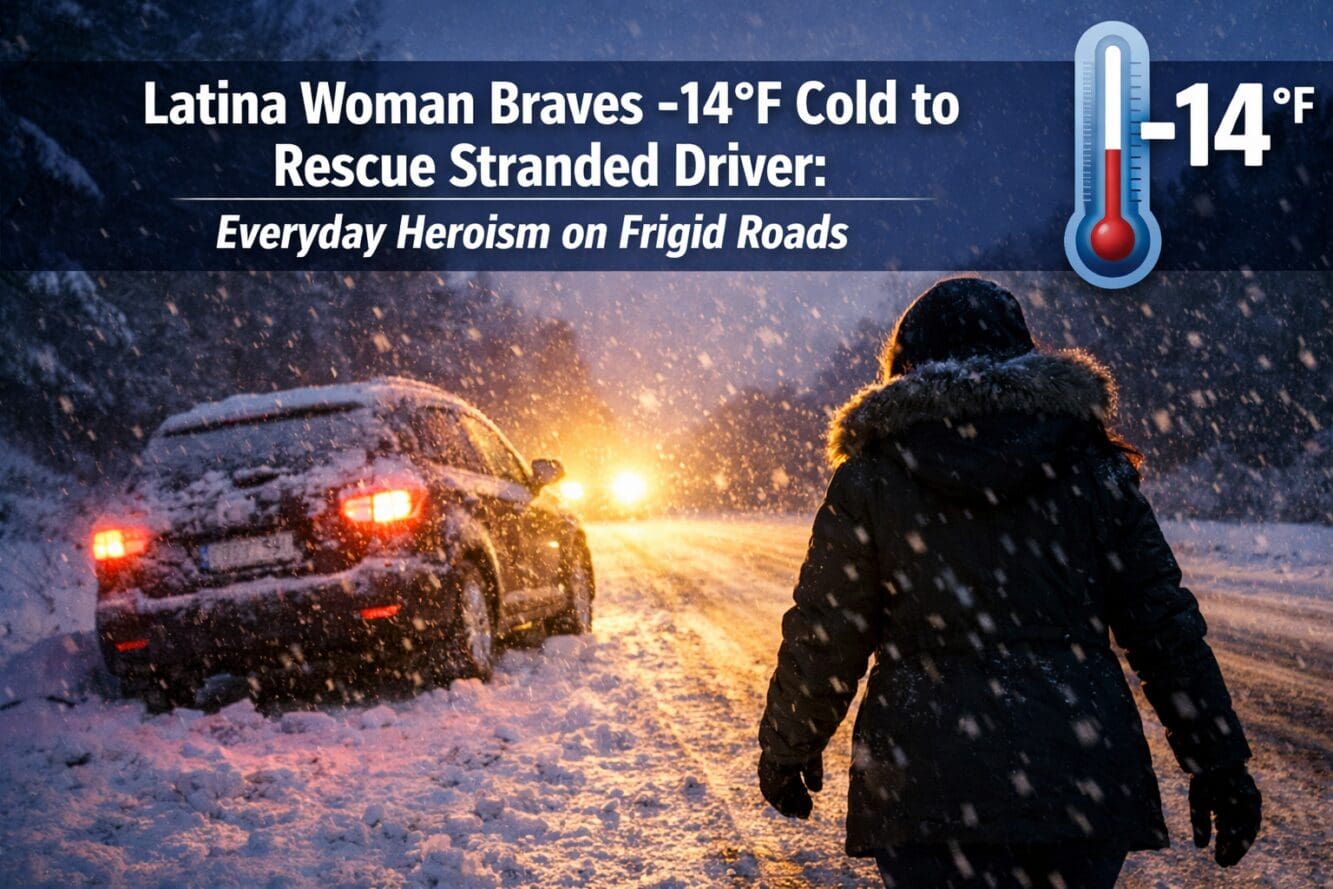
When temperatures plummet to life-threatening levels and winter storms transform highways into frozen danger zones, most people seek shelter indoors.
But for one older woman traveling through brutal -14°F conditions in early 2026, the sight of a stranded driver on a desolate road sparked an immediate response that would soon capture hearts across social media. This remarkable story of Woman Braves -14°F Cold to Rescue Stranded Driver: Everyday Heroism on Frigid Roads reminds us that heroes don’t always wear capes—sometimes they wear winter coats and carry thermoses of hot coffee. 🌟
The viral account spread rapidly across platforms, highlighting how spontaneous acts of compassion from unexpected sources can make the difference between life and death during extreme weather events. As winter storms become increasingly severe and unpredictable, this story serves as both inspiration and instruction for communities facing hazardous driving conditions across North America.

Key Takeaways
- Immediate action saves lives: An older Latina woman’s quick decision to stop and help a stranded driver in -14°F temperatures prevented potential hypothermia and frostbite
- Preparation matters: Having emergency supplies including blankets, warm beverages, and charged phones proved critical during the rescue
- Community heroism is everywhere: Everyday people performing spontaneous acts of kindness during emergencies demonstrate the power of human compassion
- Winter safety awareness is essential: Understanding the dangers of extreme cold exposure and proper emergency protocols can prevent tragedies
- Social media amplifies positive stories: The viral spread of this rescue story inspired thousands to prepare better for winter emergencies and help stranded motorists
The Viral Rescue Story That Captured Hearts
The account of this Latina Woman Braves -14°F Cold to Rescue Stranded Driver: Everyday Heroism on Frigid Roads began with a simple social media post that quickly gained traction. According to the viral narrative, an older Latina woman was driving home during a particularly brutal cold snap when she spotted a younger woman whose vehicle had broken down on a rural highway.
What Made This Rescue Remarkable
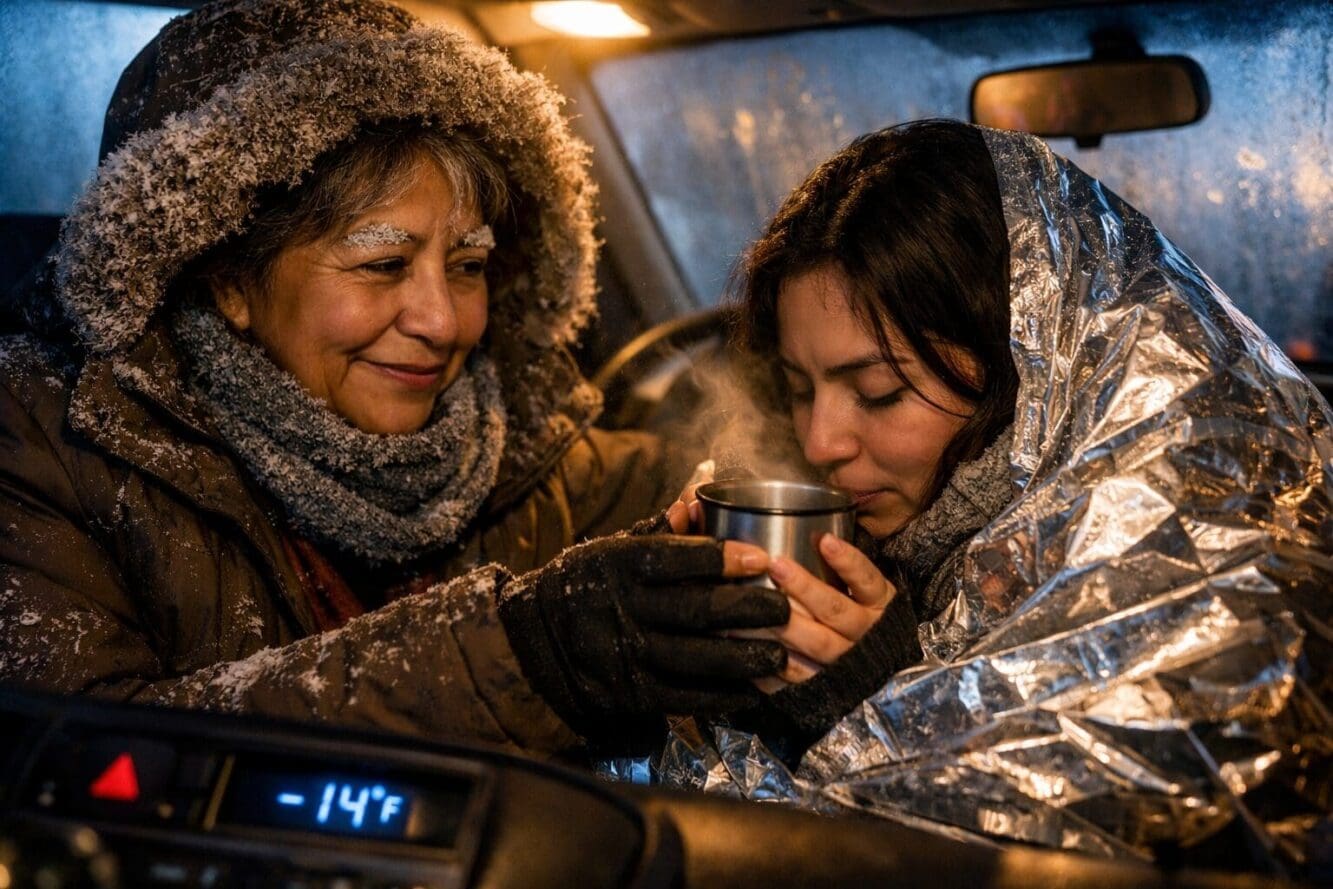
Despite the dangerous -14°F temperatures and her own safety concerns, the Good Samaritan didn’t hesitate. She immediately pulled over, invited the stranded driver into her warm vehicle, and stayed with her for over an hour until emergency services and a tow truck could arrive. The rescued woman later shared the story online, describing how the older woman:
- Provided warm blankets and hot beverages from her emergency kit 🔥
- Kept her calm and comfortable during the frightening ordeal
- Shared stories and conversation to prevent panic
- Refused to leave until help arrived, despite the extreme conditions
- Never asked for recognition or compensation
The post resonated deeply with readers who recognized the genuine heroism in this simple act of humanity. Within days, the story had been shared thousands of times, with commenters praising the woman’s courage and compassion.
“She didn’t know me, but she treated me like family. In those temperatures, I could have died waiting alone. She saved my life.” — The rescued driver’s social media post
Understanding the Dangers of Extreme Cold Exposure
To fully appreciate the heroism displayed in this rescue, it’s essential to understand just how dangerous -14°F temperatures can be for the human body. Extreme cold exposure poses multiple life-threatening risks that escalate rapidly without proper protection.
Hypothermia: The Silent Killer
Hypothermia occurs when the body loses heat faster than it can produce it, causing core body temperature to drop below 95°F. At -14°F, hypothermia can develop in as little as 10-30 minutes for someone without adequate protection.
| Stage | Body Temperature | Symptoms | Time to Onset at -14°F |
|---|---|---|---|
| Mild | 95-90°F | Shivering, confusion, fumbling hands | 10-20 minutes |
| Moderate | 90-82°F | Violent shivering stops, drowsiness, slurred speech | 20-40 minutes |
| Severe | Below 82°F | Loss of consciousness, weak pulse, shallow breathing | 40-60 minutes |
Frostbite and Tissue Damage
In addition to hypothermia, frostbite becomes a serious concern at temperatures below 0°F. Exposed skin can develop frostbite in as little as 5-10 minutes at -14°F, particularly on extremities like:
- Fingers and toes
- Nose and ears
- Cheeks and chin
The stranded driver in this story faced both hypothermia and frostbite risks while waiting in a disabled vehicle with limited heat. The older woman’s intervention quite literally prevented what could have been a medical emergency or worse.

Why This Story Resonates: Unlikely Heroes in Our Communities
The narrative of Latina Woman Braves -14°F Cold to Rescue Stranded Driver: Everyday Heroism on Frigid Roads struck a particular chord because it challenged common stereotypes and highlighted the everyday heroes living among us.
Breaking Stereotypes Through Action
The rescuer’s identity as an older Latina woman added layers of significance to the story. In a society that often overlooks or undervalues the contributions of elderly individuals and minority communities, this act of heroism served as a powerful reminder that courage and compassion know no demographic boundaries.
The story resonated because it featured:
- An unexpected hero: Society often expects rescue stories to feature young, able-bodied individuals, typically men
- Cross-cultural compassion: The rescue transcended any cultural or generational differences
- Selfless action: The woman risked her own safety without hesitation or expectation of reward
- Practical wisdom: Her preparedness with emergency supplies demonstrated foresight and experience
The Power of Spontaneous Kindness
What made this rescue particularly moving was its spontaneous nature. This wasn’t a trained emergency responder or someone obligated by profession to help—it was simply a person who saw someone in need and acted immediately.
Research on prosocial behavior suggests that such acts of spontaneous kindness create ripple effects throughout communities, inspiring others to perform similar acts. The viral spread of this story across social media platforms demonstrated exactly that phenomenon, with thousands of commenters sharing their own stories of helping or being helped by strangers.
Essential Winter Emergency Preparedness
The rescue story underscores a critical lesson: preparation saves lives. The older woman’s ability to provide immediate warmth and comfort came directly from her well-stocked emergency kit—something every winter driver should maintain.
Critical Winter Vehicle Emergency Kit Items
Based on recommendations from safety experts and the lessons from this rescue, every vehicle traveling in winter conditions should contain:
Warmth and Shelter:
- Heavy blankets or sleeping bags (minimum 2)
- Hand and foot warmers (chemical heat packs)
- Extra winter clothing (hats, gloves, socks)
- Emergency thermal blankets
Sustenance:
- Bottled water (stored in insulated container)
- Non-perishable, high-energy snacks (granola bars, nuts, dried fruit)
- Thermos with hot beverages (coffee, tea, hot chocolate)
Safety and Communication:
- Fully charged portable phone charger
- Flashlight with extra batteries
- Road flares or reflective triangles
- First aid kit
- Whistle for attracting attention
Vehicle Essentials:
- Ice scraper and snow brush
- Small shovel for digging out
- Jumper cables
- Tow rope or chain
- Bag of sand or cat litter for traction
Creating a Winter Emergency Plan
Beyond physical supplies, having a winter emergency plan is equally important:
- Always inform someone of your route and expected arrival time
- Keep your gas tank at least half full to prevent fuel line freezing and ensure heat availability
- Monitor weather forecasts before traveling
- Know the location of rest stops and emergency services along your route
- Have emergency contact numbers readily accessible
The woman in this rescue story exemplified these principles, demonstrating how preparedness transforms good intentions into effective action.
What to Do If You’re Stranded in Extreme Cold
Understanding proper emergency protocols could mean the difference between life and death for anyone who finds themselves stranded in conditions like those described in Latina Woman Braves -14°F Cold to Rescue Stranded Driver: Everyday Heroism on Frigid Roads.
Immediate Actions for Stranded Drivers
If your vehicle breaks down in extreme cold:
Step 1: Stay with your vehicle 🚗
Your car provides shelter and makes you more visible to rescuers than you would be on foot. Never attempt to walk for help in extreme cold unless you can see a building very close by.
Step 2: Make yourself visible
- Turn on hazard lights
- Tie a bright cloth to your antenna or door handle
- If you have flares, use them appropriately
Step 3: Call for help immediately
- Contact emergency services (911)
- Inform family or friends of your situation
- Provide exact location details
Step 4: Conserve warmth
- Run the engine for 10 minutes each hour for heat
- Ensure exhaust pipe is clear of snow to prevent carbon monoxide poisoning
- Use blankets and extra clothing
- Keep moving your extremities to maintain circulation
Step 5: Stay awake and alert
- Avoid sleeping for extended periods
- Keep the interior light on at night so rescuers can see you
- Eat small amounts regularly to maintain body heat
When to Accept Help from Strangers
The rescued driver’s decision to accept help from the older woman was the right choice, but it’s important to balance safety with caution:
✅ Accept help when:
- You’re in immediate danger from weather conditions
- The person offers to let you wait in their vehicle while help arrives
- Multiple people are present
- You can maintain communication with emergency services
⚠️ Exercise caution if:
- Someone pressures you to leave your vehicle and go elsewhere
- The situation feels uncomfortable or unsafe
- You cannot maintain contact with others
In this case, the stranded driver made the correct decision. The extreme temperatures posed an immediate life threat that outweighed other concerns, particularly when the rescuer offered shelter without asking her to leave the immediate area.
The Broader Impact: Inspiring Community Resilience
The story of Latina Woman Braves -14°F Cold to Rescue Stranded Driver: Everyday Heroism on Frigid Roads transcended a single act of kindness, sparking broader conversations about community resilience and mutual aid during emergencies.
Social Media as a Force for Good
While social media often receives criticism for spreading negativity, this rescue story demonstrated its power to:
- Amplify positive examples of human behavior
- Educate communities about winter safety
- Inspire similar acts of kindness and preparedness
- Connect people around shared values of compassion
The viral spread led to numerous practical outcomes, including community organizations launching winter emergency kit drives and local governments improving roadside assistance programs in rural areas.
Building a Culture of Mutual Aid
This rescue exemplifies the concept of mutual aid—community members supporting each other without expectation of compensation or formal obligation. Such actions strengthen social bonds and create more resilient communities capable of weathering both literal and metaphorical storms.
Communities can foster this culture by:
- Organizing neighborhood check-in systems during extreme weather
- Creating community emergency supply caches at strategic locations
- Establishing communication networks for isolated residents
- Recognizing and celebrating everyday acts of heroism
- Providing winter safety education through schools and community centers
The arctic conditions that made this rescue necessary are becoming more common in many regions, making community preparedness increasingly vital.
Recognizing Everyday Heroes in Our Midst
One of the most powerful aspects of this story is how it highlights the everyday heroes who live among us—people who don’t seek recognition but who act decisively when others need help.
Characteristics of Everyday Heroes
Research on heroic behavior identifies several common traits among people who perform spontaneous rescues:
Empathy and Awareness:
- Ability to recognize when others are in distress
- Emotional connection to others’ suffering
- Heightened situational awareness
Preparation and Competence:
- Practical skills and knowledge
- Forethought to maintain emergency supplies
- Confidence in their ability to help
Action Orientation:
- Quick decision-making
- Willingness to accept personal risk
- Focus on solutions rather than obstacles
Humility:
- No expectation of reward or recognition
- Viewing their actions as simply “the right thing to do”
- Deflecting praise to focus on the person helped
The older Latina woman in this rescue story embodied all these characteristics, demonstrating that heroism is less about extraordinary abilities and more about ordinary people making extraordinary choices.
How to Cultivate Heroic Readiness
Anyone can prepare themselves to be an everyday hero:
- Stay informed about basic emergency response and first aid
- Maintain awareness of your surroundings and others’ needs
- Prepare your vehicle and home with emergency supplies
- Practice empathy by considering others’ perspectives and challenges
- Act decisively when you recognize someone in need
- Start small with simple acts of kindness that build the habit of helping
These practices create a foundation for heroic action when critical moments arise, just as they did for the woman who stopped to help a stranded driver in life-threatening cold.
Winter Driving Safety: Lessons from the Rescue
The circumstances that led to this rescue—a vehicle breakdown in extreme cold—highlight the importance of winter driving safety and vehicle maintenance.
Preventing Winter Vehicle Breakdowns
Many cold-weather breakdowns are preventable with proper maintenance:
Battery Care:
- Cold weather reduces battery capacity by up to 60%
- Have battery tested before winter
- Replace batteries older than 3-4 years
- Keep terminals clean and connections tight
Fluid Maintenance:
- Use winter-grade oil appropriate for low temperatures
- Ensure antifreeze is rated for expected temperatures
- Keep windshield washer fluid filled with winter formula
- Check all fluid levels regularly
Tire Safety:
- Switch to winter tires in regions with regular snow/ice
- Maintain proper tire pressure (cold weather reduces pressure)
- Ensure adequate tread depth (minimum 6/32″ for winter)
- Carry tire chains where required
General Preparation:
- Keep fuel tank at least half full
- Replace worn wiper blades
- Check heating system functionality
- Inspect belts and hoses for wear
Recognizing Warning Signs
Understanding when to avoid travel can prevent dangerous situations:
🚫 Avoid travel when:
- Temperature falls below -10°F with wind chill
- Winter storm warnings are in effect
- Visibility is severely reduced
- Roads are ice-covered with no treatment
- You’re feeling unwell or fatigued
The combination of extreme cold and vehicle breakdown created the dangerous situation in this rescue story. Proper maintenance and trip planning can significantly reduce these risks, though they can never be eliminated entirely—making the preparedness and willingness to help others all the more important.
The Psychology of Helping Behavior in Emergencies
Understanding why the older woman stopped to help while others might have driven past offers insights into the psychology of helping behavior during emergencies.
The Bystander Effect and Its Exceptions
Research on the “bystander effect” shows that people are less likely to help when others are present, assuming someone else will intervene. However, certain factors increase the likelihood of helping:
Factors That Promote Helping:
- Noticing the emergency: The woman clearly recognized the danger
- Interpreting it as an emergency: She understood the life-threatening nature of the situation
- Accepting responsibility: Despite being alone, she took personal responsibility
- Possessing competence: Her emergency supplies indicated preparation and confidence
- Making the decision to help: She acted immediately rather than rationalizing inaction
Cultural Values and Helping
The rescuer’s background may have influenced her decision to help. Many Latino cultures emphasize:
- Familismo: Strong family and community bonds extending beyond blood relations
- Simpatía: Warm, friendly interpersonal relationships and mutual support
- Respeto: Respect and care for others, particularly those in vulnerable situations
These cultural values, combined with personal character, may have contributed to her immediate response to someone in need. However, heroism transcends any single culture—it represents universal human capacity for compassion and courage.
Creating Safer Winter Communities Together
The story of Latina Woman Braves -14°F Cold to Rescue Stranded Driver: Everyday Heroism on Frigid Roads offers a blueprint for creating safer, more resilient winter communities through collective action and mutual support.
Community-Level Winter Safety Initiatives
Local communities can implement programs that reduce winter emergency risks:
Infrastructure Improvements:
- Install emergency call boxes along rural highways
- Increase frequency of winter road maintenance
- Create warming shelters at strategic locations
- Improve cell phone coverage in remote areas
Education and Outreach:
- Distribute winter safety information to residents
- Offer free vehicle winterization workshops
- Provide emergency kit supplies to vulnerable populations
- Conduct winter driving safety courses
Mutual Aid Networks:
- Establish neighbor check-in systems for isolated residents
- Create volunteer networks for winter assistance
- Coordinate with local organizations to provide emergency support
- Develop communication systems for rapid emergency response
Individual Responsibilities
While community programs are valuable, individual preparedness remains crucial:
- Prepare your vehicle with proper maintenance and emergency supplies
- Check on vulnerable neighbors during extreme weather
- Report stranded vehicles to emergency services when safe to do so
- Share winter safety information with friends and family
- Consider stopping to help when it’s safe to do so
- Support community winter safety initiatives through volunteering or donations
The combination of individual preparedness and community support creates the safest possible environment for everyone during winter’s most challenging conditions.
Conclusion: Everyday Heroism Starts with Each of Us
The remarkable story of Latina Woman Braves -14°F Cold to Rescue Stranded Driver: Everyday Heroism on Frigid Roads serves as both inspiration and instruction for communities facing increasingly severe winter weather in 2026 and beyond. This older Latina woman’s spontaneous act of courage—pulling over in life-threatening cold to shelter a stranded stranger—demonstrates that heroism isn’t reserved for emergency responders or extraordinary individuals. It lives within each person who chooses compassion over convenience, action over indifference.
Her story reminds us that preparation enables heroism. The emergency supplies she carried, the awareness she maintained, and the empathy she embodied all contributed to her ability to save a life when the moment demanded it. As winter storms become more frequent and severe, her example offers a practical roadmap: maintain emergency supplies, stay aware of others’ needs, and act decisively when someone requires help.
Take Action Today
Don’t wait for an emergency to prepare. Take these steps now:
✅ Assemble a winter emergency kit for your vehicle with blankets, food, water, and communication devices
✅ Schedule vehicle maintenance to prevent cold-weather breakdowns
✅ Share this story with friends and family to spread awareness about winter safety
✅ Check on vulnerable neighbors during extreme weather events
✅ Practice situational awareness while driving to notice those who may need help
✅ Support community winter safety initiatives in your area
The next time you see someone stranded in dangerous conditions, you could be the everyday hero whose quick action saves a life. The older Latina woman in this story didn’t set out to become viral news—she simply saw someone who needed help and acted. That same capacity for heroism exists within each of us, waiting for the moment when we choose to brave the cold and extend a helping hand to a stranger in need.
In a world that often feels divided, stories like this unite us around our shared humanity and our collective responsibility to care for one another. Let this rescue inspire not just admiration, but action—because everyday heroism on frigid roads and in countless other circumstances begins with the simple decision to help when help is needed most. 💙
Some content and illustrations on GEORGIANBAYNEWS.COM are created with the assistance of AI tools.
GEORGIANBAYNEWS.COM shares video content from YouTube creators under fair use principles. We respect creators’ intellectual property and include direct links to their original videos, channels, and social media platforms whenever we feature their content. This practice supports creators by driving traffic to their platforms.
Much Appreciate You Sharing This Post - It Helps MUCH!!!