





















Showing Respect for All Living Things: Building a Better World Through Reverence for Life
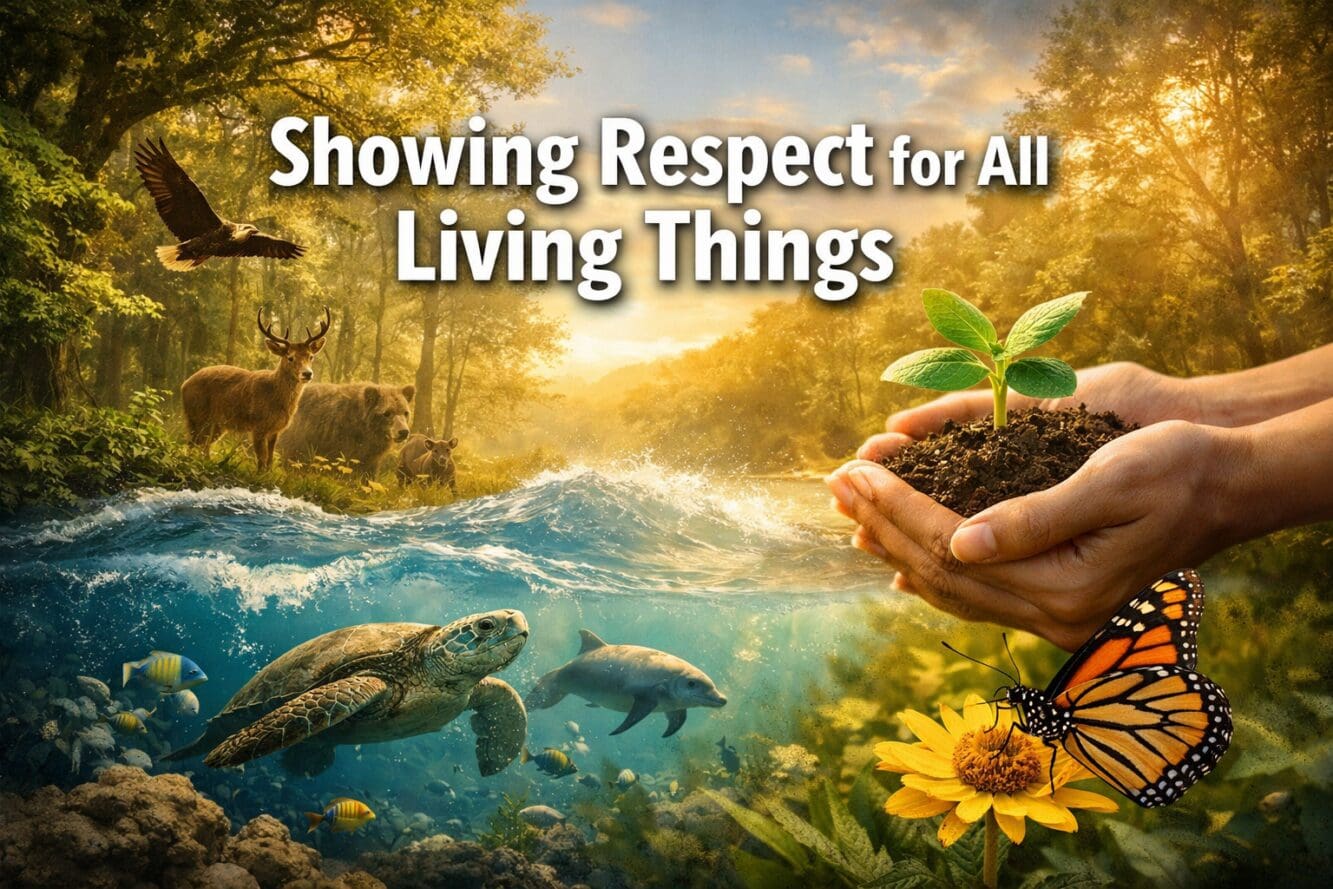
It’s all about respect!
This simple yet powerful concept forms the foundation of how we interact with the world around us. Showing respect for all living things isn’t just a nice idea—it’s essential for our survival and the health of our planet. In 2026, as we face unprecedented environmental challenges and witness the consequences of decades of neglect, understanding and practicing respect for all life forms has never been more critical. From the tiniest microorganisms in soil to the largest whales in our oceans, every living creature plays a vital role in maintaining the delicate balance of Earth’s ecosystems. This comprehensive guide explores why showing respect for all living things matters, how our actions impact the natural world, and practical steps everyone can take to live more respectfully alongside nature.
Key Takeaways
- Interconnected ecosystems: All living things are connected through complex ecological relationships, and respecting one species supports the health of entire ecosystems
- Individual actions matter: Daily choices about consumption, waste, and resource use directly impact the well-being of countless organisms and habitats
- Multiple pathways to respect: Showing respect for all living things can be practiced through conservation efforts, sustainable lifestyle choices, education, and advocacy
- Global momentum building: The 2026 environmental movement, including initiatives like Earth Day’s “Our Power, Our Planet” campaign, demonstrates growing collective commitment to protecting all life[1]
- Future depends on present actions: The decisions made today about how we treat other living things will determine the health and diversity of life on Earth for generations to come
Understanding the Philosophy Behind Showing Respect for All Living Things
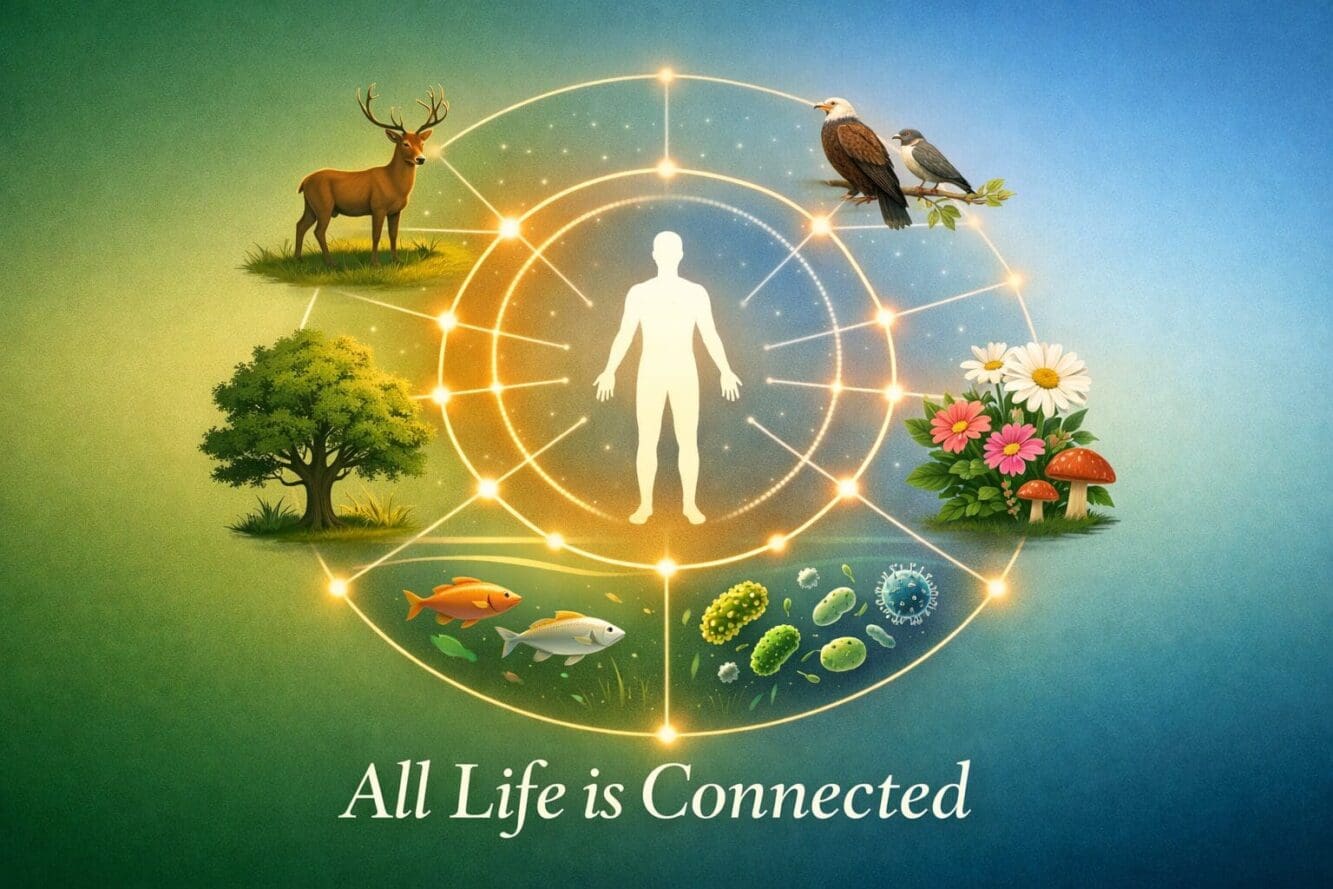
The concept of showing respect for all living things extends far beyond simple kindness to animals. It represents a fundamental shift in perspective—recognizing that humans are not separate from nature but rather one part of an intricate web of life. This philosophy, rooted in various cultural traditions and increasingly supported by modern science, acknowledges that every organism has inherent value regardless of its usefulness to humans.
The Interconnectedness of All Life
Modern ecology has confirmed what indigenous cultures have known for millennia: everything in nature is connected. When we show respect for all living things, we acknowledge these connections. A single tree, for instance, provides oxygen, filters air pollution, offers habitat for dozens of species, prevents soil erosion, and contributes to the water cycle. Disrespecting one element disrupts the entire system.
The food web illustrates this interconnectedness perfectly. Phytoplankton in the ocean, microscopic organisms that many people never think about, produce approximately 50-80% of Earth’s oxygen. These tiny living things support fish populations, which feed larger marine animals, which in turn support human communities and help regulate ocean chemistry. Showing respect for all living things means understanding that protecting microscopic organisms is just as important as protecting charismatic megafauna like elephants or dolphins.
Ethical Foundations
Several ethical frameworks support showing respect for all living things:
- Biocentric ethics: The belief that all living things have moral standing and deserve consideration
- Ecocentric ethics: Valuing entire ecosystems and natural processes, not just individual organisms
- The precautionary principle: When actions might harm living things or ecosystems, we should err on the side of caution
- Intergenerational justice: Respecting the rights of future generations to inherit a healthy, biodiverse planet
These principles guide environmental policies and conservation efforts worldwide. In 2026, we’re seeing increased adoption of these frameworks in both government regulations and corporate sustainability initiatives[5].
The Environmental Impact of Disrespecting Living Things
When societies fail at showing respect for all living things, the consequences ripple through ecosystems and ultimately affect human well-being. Understanding these impacts helps motivate meaningful change.
Biodiversity Loss and Ecosystem Collapse
The current rate of species extinction is estimated to be 1,000 times higher than natural background rates. This dramatic loss stems from habitat destruction, pollution, climate change, and overexploitation—all results of insufficient respect for other living things. When species disappear, ecosystems lose resilience and functionality.
Consider pollinator populations. Bees, butterflies, and other pollinators face severe declines due to pesticide use, habitat loss, and climate change. These living things pollinate approximately 75% of global food crops. Their decline threatens food security for billions of people. This example demonstrates how showing respect for all living things, even insects, directly supports human survival.
Climate Change and Carbon Cycles
Forests, wetlands, and oceans act as carbon sinks, absorbing CO2 and regulating Earth’s climate. These ecosystems depend on diverse communities of living things working together. Deforestation, wetland drainage, and ocean pollution disrupt these natural climate regulation systems.
The High Seas Treaty, which entered into force on January 17, 2026, represents a significant step toward showing respect for all living things in our oceans[6]. This international agreement extends marine protected areas and regulates resource use beyond national jurisdictions, recognizing that ocean ecosystems and the countless organisms within them deserve protection.
Pollution and Habitat Degradation
Chemical pollution, plastic waste, and habitat destruction demonstrate fundamental disrespect for other living things. PFAS regulations and extended producer responsibility initiatives gaining traction in 2026 reflect growing recognition that we must consider how our products and waste affect all organisms[5].
Communities working together to maintain critical infrastructure demonstrate how local action can protect both human interests and natural ecosystems, showing respect for the living things that share our spaces.
Practical Ways to Practice Showing Respect for All Living Things
Translating philosophy into action makes showing respect for all living things tangible and achievable. Here are practical strategies anyone can implement:
In Daily Life and Consumption Choices
Mindful consumption represents one of the most powerful ways to show respect for all living things:
- Choose products with minimal packaging to reduce waste that harms wildlife
- Support sustainable and ethical farming practices that protect soil organisms and biodiversity
- Reduce meat consumption, as industrial animal agriculture significantly impacts ecosystems
- Purchase sustainably sourced seafood to protect marine life
- Avoid products containing palm oil from deforested areas or choose certified sustainable alternatives
- Select cleaning and personal care products free from harmful chemicals that enter waterways
The Earth Day 2026 campaign “Our Power, Our Planet” emphasizes how individual choices collectively create massive impact[1]. When millions of people make small changes, the cumulative effect protects countless living things.
Creating Wildlife-Friendly Spaces
Even small outdoor spaces can support biodiversity:
- Plant native species that provide food and habitat for local wildlife
- Avoid pesticides and herbicides that harm beneficial insects and soil organisms
- Provide water sources like birdbaths or small ponds
- Leave some “wild” areas in yards with leaf litter and dead wood that support insects and small animals
- Install bird-friendly windows to prevent collision deaths
- Create pollinator gardens with diverse flowering plants
Community initiatives like supporting local environmental programs demonstrate how collective action amplifies individual efforts in showing respect for all living things.
Supporting Conservation and Advocacy
Active participation in conservation strengthens showing respect for all living things:
| Action Type | Examples | Impact Level |
|---|---|---|
| Financial Support | Donate to conservation organizations, wildlife sanctuaries, habitat restoration projects | High – funds direct protection |
| Volunteer Work | Participate in beach cleanups, tree planting, wildlife monitoring | High – hands-on habitat improvement |
| Political Advocacy | Contact representatives, support environmental legislation, vote for eco-conscious candidates | Very High – systemic change |
| Education | Share knowledge, mentor others, support environmental education programs | Medium-High – cultural shift |
| Citizen Science | Contribute to wildlife surveys, water quality monitoring, biodiversity databases | Medium – supports research |
The 2026 sustainability trends show increasing corporate accountability and environmental regulations[7][8]. Supporting these initiatives through consumer choices and advocacy demonstrates respect for the living things affected by business practices.
Respectful Outdoor Recreation
Enjoying nature while minimizing impact shows respect for wild living things:
- ✅ Stay on designated trails to avoid trampling sensitive plants and disturbing wildlife habitats
- ✅ Observe wildlife from a distance without feeding or approaching animals
- ✅ Pack out all trash and leave natural objects where you find them
- ✅ Keep pets leashed to prevent them from harassing wildlife
- ✅ Respect seasonal closures that protect breeding or nesting areas
- ✅ Use reef-safe sunscreen when swimming to protect aquatic ecosystems
These practices, while simple, demonstrate genuine respect for the living things that call wild places home.
Teaching Children About Showing Respect for All Living Things
Instilling values of respect for nature in young people creates lasting cultural change. Children naturally possess curiosity about living things, making them receptive to lessons about environmental stewardship.
Age-Appropriate Education Strategies
For young children (ages 3-7):
- Encourage gentle interactions with insects and small animals
- Read books featuring diverse ecosystems and animals
- Create simple nature observation activities
- Model respectful behavior toward all creatures
- Explain basic needs all living things share (food, water, shelter)
For elementary-aged children (ages 8-12):
- Involve them in gardening and composting projects
- Teach about food webs and ecosystem connections
- Encourage nature journaling and wildlife identification
- Discuss how human actions affect other living things
- Participate together in conservation volunteer activities
For teenagers (ages 13-18):
- Explore environmental ethics and philosophy
- Discuss climate change science and solutions
- Support youth environmental activism and leadership
- Examine consumption patterns and sustainability
- Encourage career exploration in environmental fields
Programs that support local students and families can include environmental education components that reinforce showing respect for all living things.
Experiential Learning Opportunities
Direct experiences with nature create powerful connections:
- School gardens where students grow food and observe soil organisms
- Wildlife rehabilitation center visits to see conservation in action
- Camping and hiking trips that build appreciation for wild spaces
- Aquarium and zoo programs that emphasize conservation messaging
- Stream monitoring projects that teach water quality and aquatic life
These experiences transform abstract concepts into personal relationships with the natural world, making showing respect for all living things feel meaningful and urgent.
The Role of Communities in Showing Respect for All Living Things
Individual actions matter, but collective community efforts create transformative change. Communities that prioritize environmental respect develop stronger social bonds while protecting local ecosystems.
Community-Level Conservation Initiatives
Successful community programs demonstrate showing respect for all living things at scale:
Urban greening projects transform concrete spaces into habitats for birds, insects, and small mammals while improving air quality and reducing urban heat islands. These initiatives show respect for both human residents and wildlife.
Community gardens provide organic food while creating pollinator corridors and educating participants about sustainable agriculture. They demonstrate that showing respect for all living things includes the organisms in soil that make food production possible.
Watershed protection programs engage residents in monitoring water quality, reducing pollution, and restoring riparian habitats. These efforts protect countless aquatic organisms while ensuring clean water for communities.
Wildlife corridors connecting fragmented habitats allow animals to move safely through developed areas. Communities that work together to maintain infrastructure can incorporate wildlife-friendly design that shows respect for all living things.
Policy and Governance
Local governments play crucial roles in showing respect for all living things through:
- Protecting green spaces and establishing nature reserves
- Implementing sustainable development standards that minimize ecological impact
- Regulating pesticide use in public spaces
- Supporting renewable energy transitions that reduce habitat destruction from fossil fuel extraction
- Creating incentives for businesses and residents to adopt sustainable practices
The permitting reform and clean energy initiatives gaining momentum in 2026 demonstrate how policy changes can accelerate environmental progress[2]. These systemic changes show respect for the living things affected by energy production and land use decisions.
Building Environmental Culture
Communities that successfully embed showing respect for all living things into their culture share common characteristics:
- 🌱 Regular environmental events like Earth Day celebrations, nature walks, and conservation workdays
- 🌱 Strong environmental education in schools and public programs
- 🌱 Visible leadership from local officials and community figures
- 🌱 Accessible green spaces where residents can connect with nature
- 🌱 Recognition programs celebrating environmental stewardship
- 🌱 Inclusive participation ensuring diverse community members can engage
Communities that embrace initiatives like finding forever homes for animals demonstrate compassion that extends to all living things, building a culture of care and responsibility.
Global Movements and Progress in 2026
The year 2026 marks significant progress in showing respect for all living things through international cooperation and grassroots movements.
International Environmental Agreements
The High Seas Treaty’s entry into force represents a historic milestone in ocean conservation[6]. By extending protections to international waters, this agreement shows respect for marine living things regardless of national boundaries. It establishes frameworks for:
- Creating marine protected areas in international waters
- Regulating fishing and resource extraction
- Conducting environmental impact assessments for ocean activities
- Sharing benefits from marine genetic resources equitably
Earth Day 2026: Our Power, Our Planet
The Earth Day 2026 campaign emphasizes community action and empowerment[1]. This year’s theme recognizes that showing respect for all living things requires collective effort and systemic change, not just individual actions. The campaign focuses on:
- Accelerating clean energy transitions
- Strengthening environmental protections
- Promoting sustainable consumption patterns
- Empowering communities to take local action
Corporate Sustainability Trends
ESG (Environmental, Social, and Governance) trends in 2026 show businesses increasingly incorporating respect for living things into their operations[5][9]:
- Extended producer responsibility programs that reduce waste and pollution
- Supply chain transparency ensuring products don’t contribute to habitat destruction
- Carbon pricing mechanisms that account for climate impacts on ecosystems
- Biodiversity commitments protecting species and habitats in business operations
These corporate changes, driven by regulation, investor pressure, and consumer demand, demonstrate that showing respect for all living things is becoming mainstream business practice.
Overcoming Challenges and Barriers
Despite progress, significant obstacles remain in achieving universal respect for all living things. Recognizing and addressing these challenges is essential for continued advancement.
Economic Pressures and Short-Term Thinking
Many destructive practices persist because they offer short-term economic benefits. Deforestation, overfishing, and pollution continue partly because the immediate costs of sustainable alternatives seem higher. However, this calculation ignores long-term costs of ecosystem collapse, climate change, and biodiversity loss.
Solutions include:
- Incorporating environmental costs into economic analyses
- Providing transition support for workers and communities moving away from destructive industries
- Demonstrating economic benefits of sustainable practices
- Investing in green technologies and infrastructure
Cultural and Educational Gaps
In some contexts, showing respect for all living things conflicts with cultural traditions or lacks educational foundation. Addressing this requires:
- Culturally sensitive environmental education that respects diverse values while promoting conservation
- Highlighting indigenous knowledge that has sustained ecosystems for generations
- Making environmental information accessible in multiple languages and formats
- Connecting conservation to community values like health, prosperity, and cultural heritage
Political and Institutional Resistance
Entrenched interests sometimes resist environmental protections. Overcoming this requires:
- Grassroots organizing that builds political will for change
- Coalition building across diverse stakeholder groups
- Evidence-based advocacy demonstrating benefits of environmental protection
- Supporting pro-environment candidates and holding elected officials accountable
The crucial climate actions available in 2026 include both individual and political engagement[4]. Showing respect for all living things sometimes means challenging systems and structures that enable environmental harm.
The Future of Showing Respect for All Living Things
Looking ahead, several trends and opportunities will shape how humanity relates to other living things.
Technological Innovation
Emerging technologies offer new ways to practice showing respect for all living things:
- Precision agriculture that reduces pesticide use and protects soil organisms
- Renewable energy systems that minimize habitat disruption
- Biodegradable materials that replace harmful plastics
- Environmental monitoring tools that track ecosystem health in real-time
- Artificial intelligence for wildlife conservation and anti-poaching efforts
Regenerative Approaches
Moving beyond “sustainability” to regenerative practices that actively heal ecosystems represents the next evolution in showing respect for all living things. Regenerative agriculture, for example, rebuilds soil health, sequesters carbon, and supports biodiversity while producing food.
Youth Leadership
Young people worldwide are demanding action on environmental issues. This generation, having grown up with climate change awareness, often demonstrates deeper commitment to showing respect for all living things. Supporting youth environmental leadership through educational programs and opportunities ensures this momentum continues.
Systemic Transformation
Ultimately, showing respect for all living things requires transforming economic, political, and social systems that currently enable environmental destruction. The sustainability trends of 2026 suggest this transformation is underway[7][8], but accelerating progress demands continued effort from individuals, communities, businesses, and governments.
Conclusion: Taking Action Today for All Living Things Tomorrow
Showing respect for all living things isn’t abstract philosophy—it’s practical necessity. The health of human civilization depends entirely on the health of Earth’s ecosystems and the countless organisms within them. Every action taken to protect biodiversity, reduce pollution, conserve resources, and restore habitats demonstrates this essential respect.
The encouraging news is that everyone can contribute. Whether through daily consumption choices, creating wildlife-friendly spaces, supporting conservation organizations, advocating for environmental policies, or educating others, opportunities to show respect for all living things surround us.
Your Next Steps
Ready to put respect into action? Start here:
Assess your impact: Examine your consumption patterns, waste production, and resource use. Identify areas for improvement.Make one change this week: Choose a single action from this article—perhaps switching to reef-safe sunscreen, starting a compost bin, or planting native flowers.
Learn continuously: Follow environmental news, read about local ecosystems, and understand the living things in your area.
Connect with community: Join local environmental groups, participate in conservation events, or organize neighbors for collective action.
Advocate loudly: Contact elected officials about environmental issues, support conservation funding, and vote for candidates who prioritize protecting all living things.
Teach others: Share what you learn with friends, family, and colleagues. Cultural change happens through conversation and example.
Stay hopeful and persistent: Environmental challenges can feel overwhelming, but remember that millions of people worldwide are working toward the same goals. Progress is happening.
The Earth Day 2026 theme “Our Power, Our Planet” reminds us that we possess the power to create change[1]. Showing respect for all living things transforms from a nice idea into a guiding principle that shapes decisions, behaviors, and ultimately, the future of life on Earth.
The choice is clear: respect and protect the intricate web of life that sustains us all, or face the consequences of a degraded, impoverished world. Every living thing—from microscopic soil bacteria to ancient trees, from tiny insects to magnificent whales—deserves our respect and protection. The time to act is now. The power is ours. Let’s use it wisely, compassionately, and effectively to build a world where all living things can thrive.
References
[1] Decoding Earth Day 2026 Our Power Our Planet – https://www.earthday.org/decoding-earth-day-2026-our-power-our-planet/
[2] Permitting Reform Clean Energy Where Environmental Progress Possible 2026 – https://environment.yale.edu/news/article/permitting-reform-clean-energy-where-environmental-progress-possible-2026
[3] In 2026 Together We Can Rise To The Challenge To Protect Our Environment Communities People – https://www.sprep.org/news/in-2026-together-we-can-rise-to-the-challenge-to-protect-our-environment-communities-people
[4] Here Are Some Crucial Climate Actions You Can Take To Protect The Environment In 2026 – https://cleantechnica.com/2026/01/01/here-are-some-crucial-climate-actions-you-can-take-to-protect-the-environment-in-2026/
[5] 7 Esg Trends To Watch In 2026 – https://sustainability.freshfields.com/post/102mfa5/7-esg-trends-to-watch-in-2026
[6] Sustainability What Will 2026 Look Like – https://www.ecomondo.com/en/news-detail/sustainability-what-will-2026-look-like?newsId=6240303
[7] 2026 Sustainability Trends – https://www.spglobal.com/sustainable1/en/insights/2026-sustainability-trends
[8] Top 10 Sustainability Predictions For 2026 – https://sustainabilitymag.com/top10/top-10-sustainability-predictions-for-2026
[9] esgdive – https://www.esgdive.com/news/esg-trends-outlook-2026/809129/
Some content and illustrations on GEORGIANBAYNEWS.COM are created with the assistance of AI tools.
GEORGIANBAYNEWS.COM shares video content from YouTube creators under fair use principles. We respect creators’ intellectual property and include direct links to their original videos, channels, and social media platforms whenever we feature their content. This practice supports creators by driving traffic to their platforms.