












🇨🇦 Canada’s Online Gambling Problem: Signs, Risks, and Help in 2026
Last updated: August 17, 2026
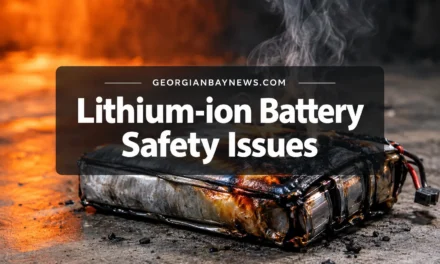
Canada is facing a quiet public-health emergency: an online Gambling Problem that has accelerated since single-event sports betting was legalized in 2021. Millions of Canadians now carry a casino in their pocket, and the convenience, speed, and aggressive marketing of gambling apps have pushed casual betting into compulsive territory for a growing share of users.
Quick Answer
Canada’s online Gambling Problem refers to the rising rate of compulsive and harmful gambling behaviour tied to internet and mobile betting platforms. Driven by legalized single-event sports betting, a flood of gambling apps, and heavy advertising, the issue now affects an estimated hundreds of thousands of Canadians and strains mental health, finances, and families. Treatment exists, but regulation and public awareness have not kept pace with the speed of the industry’s expansion.
Key Takeaways
- Single-event sports betting was legalized in Canada in August 2021, opening the door to a surge of gambling apps.
- Problem gambling is recognized as a mental health disorder, not a moral failing.
- Online gambling is considered more addictive than in-person betting because of speed, access, and design features.
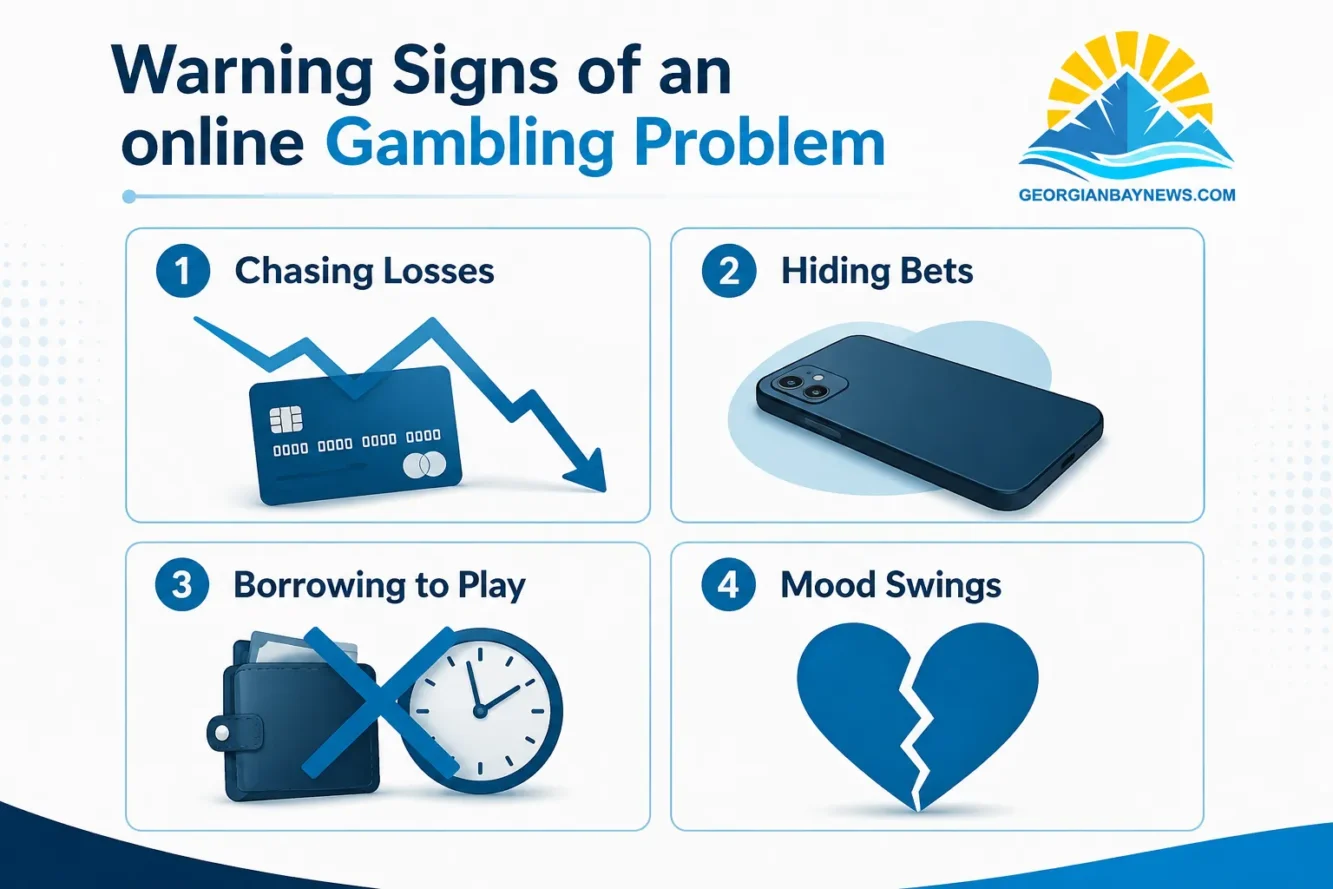
- Warning signs include chasing losses, hiding bets, borrowing money, and neglecting responsibilities.
- Self-exclusion programs and betting limits exist but are inconsistently enforced.
- Free, confidential help is available through provincial gambling support lines and groups like ConnexOntario and Gamblers Anonymous.
- Gambling companies play a central role through aggressive marketing, bonuses, and data-driven engagement tactics.
What Is Problem Gambling and How Does It Differ from Casual Gambling?
Problem gambling is gambling behaviour that causes harm to the player, their family, or their community. Casual gambling is occasional, budgeted, and stops when the entertainment value fades. An online Gambling Problem continues despite negative consequences, debt, stress, broken relationships, or lost work.
The line is not about how much money is spent. A person betting $20 a week on a lottery ticket is rarely a problem gambler. A person betting $20 they cannot afford, lying about it, and chasing it with another $20 is showing the pattern. The key distinction is loss of control and continued play despite harm, not the dollar amount or the game type.
How Many Canadians Struggle with Online Gambling Addiction?
Reliable national figures are limited, but the Centre for Addiction and Mental Health (CAMH) has long estimated that roughly 1 in 50 Canadian adults experiences moderate to severe gambling problems, with a larger group at lower-risk but still harmful levels. Since the legalization of single-event sports betting, helpline contacts and self-exclusion sign-ups have risen sharply in several provinces.
The true number is hard to pin down because online Gambling Problem behaviour is often hidden. Unlike substance use, there is no physical evidence. Many people do not seek help until the financial damage is severe.
What Are the Warning Signs Someone Has a Gambling Problem?
Warning signs fall into four broad categories: financial, behavioural, emotional, and relational. Spotting them early improves outcomes.
- Financial: borrowing money, maxing out credit, selling possessions, unpaid bills.
- Behavioural: hiding bets, lying about time spent gambling, betting alone late at night.
- Emotional: mood swings, irritability when not gambling, anxiety about money.
- Relational: withdrawing from family, missing events, broken promises about quitting.
A common mistake is waiting for a “rock bottom” moment. Most problem gamblers never hit a dramatic crash, they slowly bleed money and trust over months or years.
Why Is Online Gambling More Addictive Than In-Person Casinos?
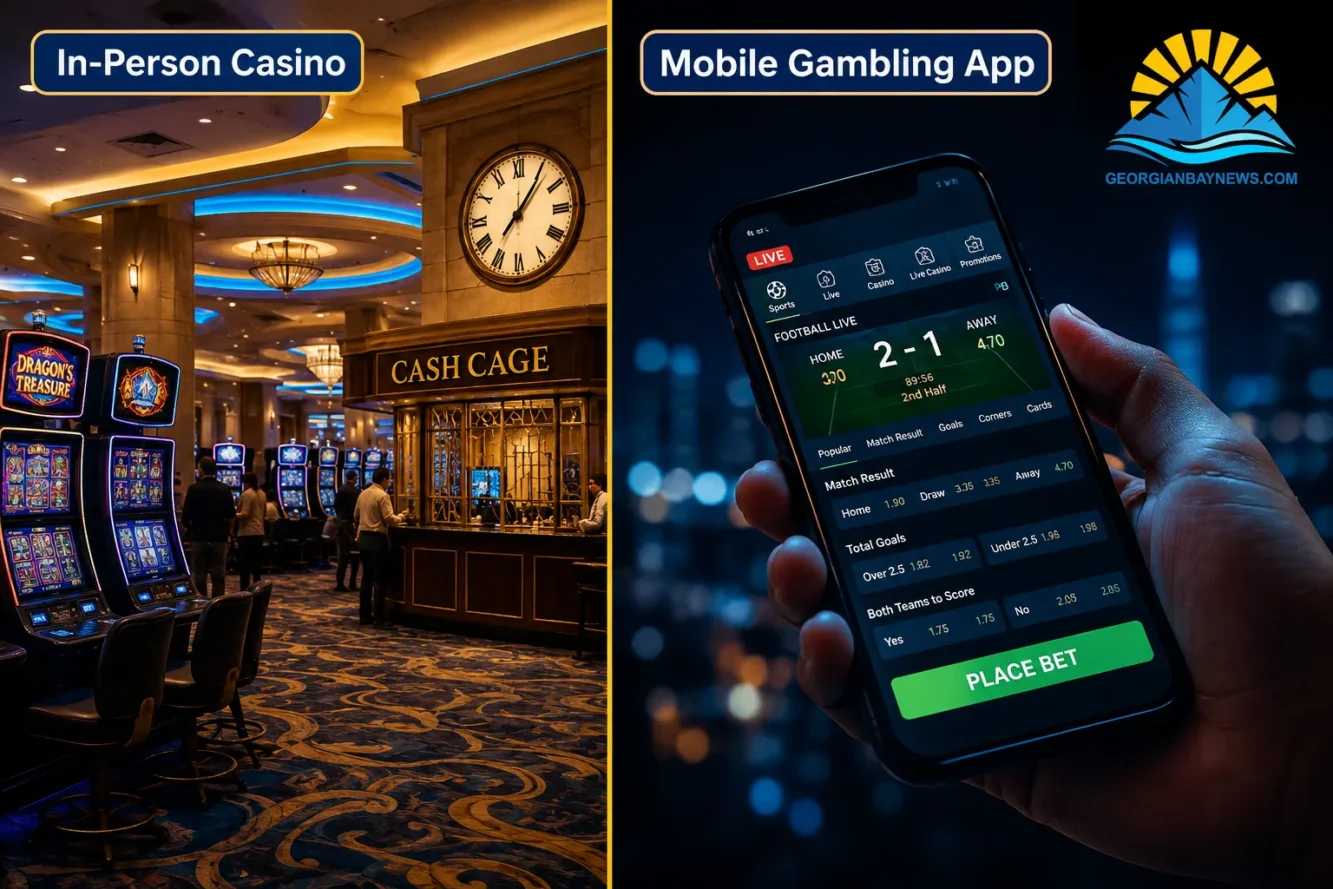
Online gambling is more addictive because it removes the friction that slows in-person betting. There is no travel, no dress code, no cash exchange at a cage, and no closing hours. Bets can be placed in seconds, around the clock, from a phone that is already in the user’s hand.
Several design features amplify the risk:
- Variable rewards, the same psychological mechanism used in slot machines and social media feeds.
- Near-miss feedback, showing how close a bet came to winning.
- Push notifications, nudging users back during lulls.
- Frictionless deposits, credit cards, e-wallets, and instant transfers.
- Loss disguised as win, celebrating small payouts that are smaller than the original stake.
In-person casinos at least force a pause. Online platforms are engineered to eliminate pauses.
How Does Problem Gambling Affect Mental Health and Relationships?
Problem gambling has one of the highest suicide-attempt rates of any addictive disorder. The financial stress, shame, and secrecy create a cycle that worsens both mental health and the gambling behaviour.
Common effects include depression, anxiety, insomnia, and substance use. Relationships suffer because trust erodes, hidden debts, lies, and broken promises damage partnerships faster than almost any other addiction. Children in affected households often experience instability and stress that can last into adulthood.
What Treatment Options Are Available for Gambling Addiction in Canada?
Canada offers several layers of help, most of them free:
- Provincial helplines such as ConnexOntario (1-866-531-2600), which connect callers to local counselling.
- Free or low-cost counselling through community mental health agencies and CAMH.
- Cognitive Behavioural Therapy (CBT), the most evidence-supported talk therapy for gambling disorder.
- Support groups including Gamblers Anonymous and SMART Recovery.
- Self-exclusion programs run by provincial lottery corporations and licensed operators.
- Financial counselling to help rebuild budgets and manage debt.
Medication is not a first-line treatment, but some doctors may prescribe medications for co-occurring depression or anxiety. For more on Canadian public-health priorities and policy direction, see our coverage of Standing Up For Canada.
Are Online Gambling Sites Regulated in Canada and What Protections Exist?
Yes, but regulation is provincial, and the protections vary. Each province runs or licenses its own platforms: OLG in Ontario, Loto-Québec, BCLC in British Columbia, and so on. Ontario opened its market to private operators in April 2022, which means dozens of licensed apps now compete for users.
Required protections typically include age verification, self-exclusion tools, deposit limits, and links to responsible-gambling resources. The weakness is enforcement. A user excluded from one operator can still sign up with another, and offshore sites, though illegal, remain accessible to many Canadians.
How Much Money Do Problem Gamblers Typically Lose?
There is no single figure, but problem gamblers often lose amounts that are catastrophic relative to their income. Studies in Canada and the U.S. have found average annual losses among problem gamblers ranging from several thousand to tens of thousands of dollars, with some individuals losing homes, retirement savings, or inheritances.
The pattern is not steady loss. It is chasing, betting more to recover losses, which accelerates the damage. This is why an online Gambling Problem can move from “manageable” to “ruinous” in weeks.
What’s the Difference Between Gambling Disorder and Just Losing Money?
Losing money on a bet is not a disorder. Gambling disorder is a recognized mental health condition involving persistent and recurrent problematic gambling that causes significant impairment. The diagnosis, used by clinicians in Canada and aligned with the DSM-5, looks at criteria such as:
- Needing to bet more to get the same excitement.
- Restlessness when trying to cut down.
- Repeated unsuccessful attempts to stop.
- Lying to conceal gambling.
- Relying on others for money to relieve financial pressure.
A person who loses $200 on a Super Bowl pool once a year and moves on does not have gambling disorder. A person who loses $200, feels compelled to bet another $400 to win it back, and repeats this pattern weekly likely does.
Can You Recover from a Gambling Addiction and How Long Does It Take?
Yes, recovery is possible, and many people do recover fully. There is no fixed timeline. Some people stabilize within months of starting treatment; others work on recovery for years, similar to substance-use recovery.
Recovery usually involves three phases:
- Stabilization, stopping gambling, securing finances, addressing immediate crises.
- Treatment, therapy, support groups, and addressing underlying mental health.
- Maintenance, rebuilding relationships, routines, and a life that does not revolve around betting.
Relapse is common and does not mean failure. It is part of the process for many people.
What Resources and Support Groups Help People with Gambling Problems in Canada?
Canada has a strong network of free resources:
- ConnexOntario, 24/7 helpline and live chat for Ontario residents.
- Connexions in other provinces, similar services exist in Quebec, BC, Alberta, and the Maritimes.
- Gamblers Anonymous, peer-led 12-step meetings, in person and online.
- SMART Recovery, cognitive-behavioural peer support, non-religious.
- Gambling Therapy, online global support including forums and live chat.
- Provincial self-exclusion registries, block yourself from licensed sites.
For local community coverage, readers in the region may also find value in our South Georgian Bay Online section.
Is Gambling Addiction Considered a Mental Health Disorder?
Yes. Gambling disorder is classified in the DSM-5 under “Substance-Related and Addictive Disorders.” It is the only behavioural addiction formally recognized in that manual. The World Health Organization’s ICD-11 also lists gambling disorder.
This matters because it reframes the issue from a moral failing to a treatable health condition. It also means treatment should be covered under provincial health plans, although access varies.
How Do Betting Limits and Self-Exclusion Programs Work?
Betting limits let users cap how much they can deposit, bet, or lose within a set period. Self-exclusion goes further, it asks operators to block the user entirely, usually for a chosen term (six months, one year, or lifetime).
The catch is that these tools rely on the user to set them up before problems escalate, and enforcement is uneven. A self-excluded player who slips onto an offshore site has no protection. The most effective approach combines self-exclusion with counselling and financial controls such as handing over credit cards to a trusted family member.
What Role Do Gambling Companies Play in Canada’s Problem Gambling Crisis?
Gambling companies design products that maximize engagement. Bonuses, free bets, odds boosts, and personalized promotions are not generosity, they are customer-acquisition and retention tools. Many operators use the same data-driven techniques as social media platforms to keep users playing.
Marketing is especially aggressive during live sports broadcasts. A 2022 review by the Canadian Centre on Substance Use and Addiction flagged the volume and intensity of gambling advertising as a public-health concern. Critics, including some federal lawmakers, have called for tighter rules similar to those placed on tobacco. For related political context, see our coverage of the Conservative Party Of Canada.
The American Parallel: Addiction Across the Border
Canada’s problem mirrors a larger North American trend. In the United States, the Supreme Court struck down the federal sports-betting ban in 2018, and more than 35 states have since legalized sports wagering. Apps like DraftKings, FanDuel, BetMGM, and Caesars Sportsbook have spent billions on customer acquisition, and helpline calls have risen in states with mature markets.
American addiction-medicine specialists have warned that the U.S. is roughly five years ahead of Canada on this curve. The patterns, young male users, live in-game betting, parlay promotions, and rising debt, are nearly identical. Canada has a narrow window to learn from the American experience before the same harms become entrenched.
FAQ
Is online gambling legal in Canada?
Yes, through provincially regulated operators and licensed private platforms (notably in Ontario). Offshore sites are not legally permitted to serve Canadians but remain accessible.
How do I know if I have an online Gambling Problem?
If gambling is causing financial stress, secrecy, or conflict with people you care about, and you cannot stop despite wanting to, those are strong indicators. A screening tool like the PGSI (Problem Gambling Severity Index) can help.
Are gambling apps rigged?
Licensed Canadian apps use random number generators audited by regulators. The games are not rigged, but the house edge and the design features still favour the operator over time.
Can I block myself from all gambling sites?
Not perfectly. Self-exclusion covers licensed operators in your province, but offshore sites are harder to block. Software like Gamban or BetFilter can add another layer.
Is gambling addiction covered by OHIP or other provincial plans?
Yes, assessment and counselling through public agencies are typically covered. Private therapy is not.
Does gambling addiction run in families?
There is a genetic component, and growing up in a household with problem gambling raises the risk. Environment and access also play a large role.
Can I gamble “safely” if I had a problem before?
Most clinicians recommend complete abstinence for people who have met the criteria for gambling disorder. Controlled gambling rarely works long-term for this group.
Where can I get help right now?
Call ConnexOntario at 1-866-531-2600 or your provincial equivalent. Gamblers Anonymous and SMART Recovery also offer free meetings.
Conclusion
Canada’s online Gambling Problem is real, growing, and under-addressed. The combination of legalized single-event betting, always-available mobile apps, and aggressive marketing has created conditions that make compulsive gambling easier than ever before. The good news is that the problem is recognizable, treatable, and survivable.
If you or someone you know is showing warning signs, act early. Call a provincial helpline, attend a Gamblers Anonymous meeting, or speak to a family doctor. Self-exclusion, deposit limits, and financial counselling can stop the bleeding while longer-term recovery takes hold. Waiting for rock bottom is the most dangerous choice, and the most avoidable one.
Content, illustrations, and third-party video appearing on GEORGIANBAYNEWS.COM may be generated or curated with AI assistance or reproduced pursuant to the fair dealing provisions of the Copyright Act, R.S.C. 1985, c. C-42. Attribution and hyperlinks to original sources are provided in acknowledgment of applicable intellectual property rights. Such referencing is intended to direct traffic to and support the original rights holders’ platforms.