

















🔥 Every oil and gas pipeline moves in the wrong direction

By David Suzuki
It’s not utopian to envision a Canada with less pollution, lower household costs and a smaller gap between rich and poor. We have the technology, knowledge and skilled workforce to make it happen — and we’re seeing effective solutions employed worldwide.
But time is running out, and consequences are mounting: record heat killing thousands; extreme weather events increasing in number and severity; wildfires clogging air with smoke and threatening homes; aquifers and reservoirs drying up; droughts causing food shortages; disease-carrying insects moving to areas they’ve rarely been seen; sea levels threatening entire cities… the list goes on.
The message from scientists and organizations worldwide — from the United Nations to the International Energy Agency to the International Institute for Sustainable Development — is clear: There’s no room for continued gas, oil or coal exploration or development if we’re to prevent global average temperatures from rising beyond catastrophic levels.
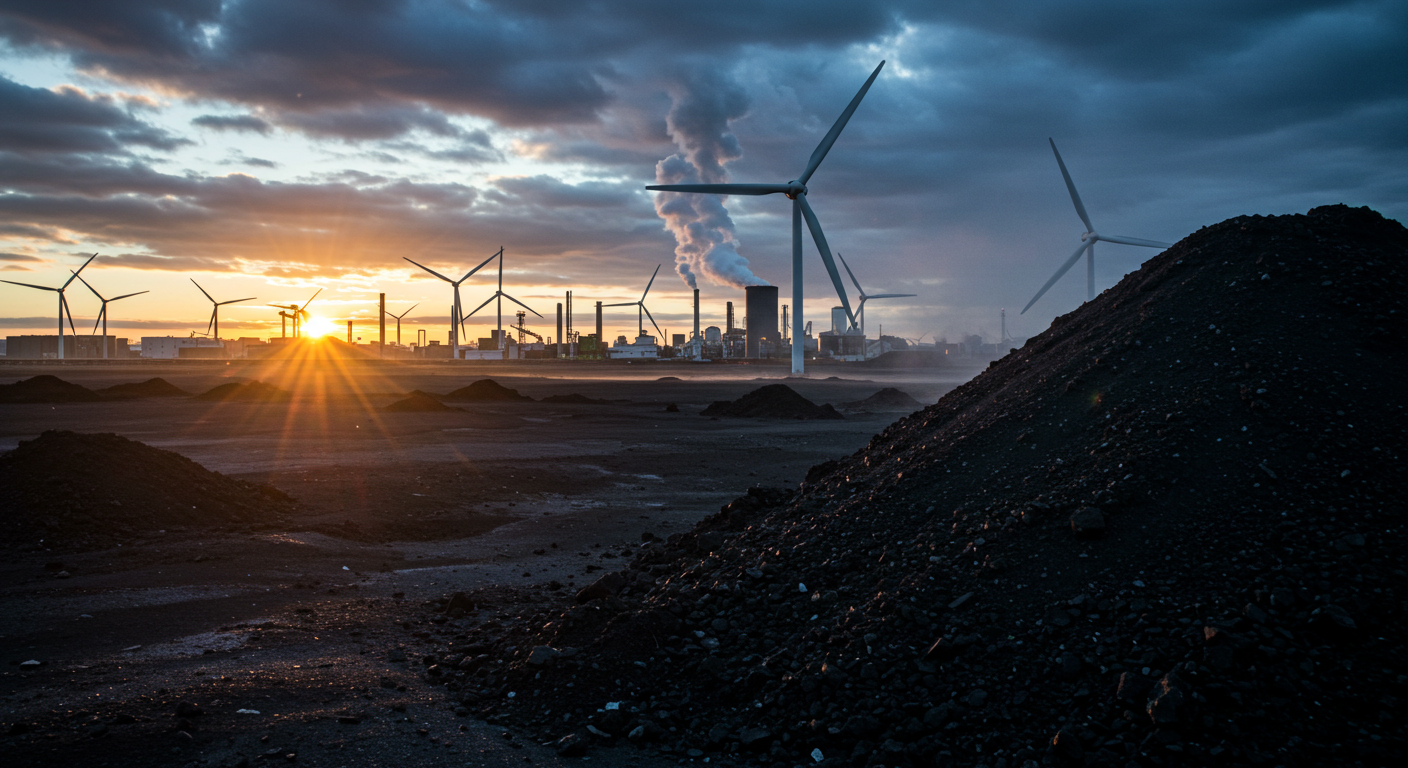
Canada could be a global leader in solutions. An east-west renewable-powered grid could quickly put us on the path to zero emissions. We have the knowhow to improve and employ energy storage and electric vehicle technologies. We could easily reduce consumption.
So, what’s Canada’s plan? More pipelines to deliver polluting, climate-altering dirty bitumen to dwindling markets; ramped up water-sucking, polluting fracked gas; gutted environmental review processes and reduced climate policies. And federal and provincial government leaders want you to pay for it!
The 1,200-kilometre pipeline proposed by the federal and Alberta governments would transport diluted bitumen from Alberta to B.C.’s south coast along the existing Trans Mountain pipeline route. It would cost up to $44 billion, mostly financed by taxpayers. (Costs for the Trans Mountain pipeline expansion, which the federal government bought with our money, were originally pegged at $5.4 billion but ballooned to more than $34.2 billion.)
Only one private company, Calgary-based Pembina Pipeline Corporation, has agreed to invest in the new pipeline, with a 10 per cent stake.
Alberta Premier Danielle Smith says the project is part of “Alberta’s goal to double oil production to eight million barrels per day over the next 10 to 15 years.” It’s insane. The project will lock us into polluting, climate-altering dirty fuels for years to come, or leave us with “stranded assets” as the world rapidly shifts to renewable energy.
The pipeline is linked to the multi-billion-dollar Pathways carbon capture and storage project, which would also be subsidized by taxpayers. It would only reduce emissions from production, not the far greater amount from burning the crude.
And, as the IEA states, “Removing carbon from the atmosphere is costly and uncertain. We must do everything possible to stop putting it there in the first place.” It also comes with major risks, including carbon pipeline and storage facility ruptures and leaks, and excess water use.
Meanwhile, Alberta and Ontario have been touting yet another pipeline between their provinces. And the federal and B.C. governments continue to support liquefied “natural” gas development, which means more fracking, water shortages, earthquakes and emissions of the potent greenhouse gas methane (which is what “natural” gas is composed of).
Even in Alberta, a majority opposes using tax dollars for a new pipeline, according to a Pembina Institute poll. Most also agree that the province’s economy relies too much on oil and gas.
Think of what $44 billion could buy. The Green Economy Network, an alliance of unions, environmental, public interest and faith-based organizations, recommends “$40 billion over five years for investments in greening Canada’s electricity systems.” The Green Budget Coalition suggests investing $32 billion over five years on clean energy projects and a renewable-powered east-west electricity grid, something David Suzuki Foundation research shows is feasible.
Investing in cleaner energy would create good jobs and increase energy security and stability. As the IEA notes, fossil fuel investments are risky, because “if the world is successful in bringing down fossil demand quickly enough to reach net zero emissions by 2050, new projects would face major commercial risks.”
Climate Analytics chief executive Bill Hare says, “Any investment in new fossil fuels now is a fool’s gamble, while joining the race to renewables can only bring benefits — not just jobs and cheaper energy at stable prices, but energy independence and access where it’s needed most.”
Doubling down on fossil fuels moves Canada in the wrong direction.
David Suzuki is a scientist, broadcaster, author and co-founder of the David Suzuki Foundation. Written with David Suzuki Foundation Senior Writer and Editor Ian Hanington.
Learn more at davidsuzuki.org.
REFERENCES:
Aquifers and reservoirs drying up:
https://www.theguardian.com/us-news/2026/jul/07/lake-powell-water-crisis
United Nations:
International Energy Agency:
International Institute for Sustainable Development:
https://www.iisd.org/publications/brief/no-new-fossil-fuel-projects-norm-we-need
East-west renewable-powered grid:
https://davidsuzuki.org/action/build-canadas-east-west-grid-with-renewables
Reduce consumption:
https://davidsuzuki.org/story/rampant-consumerism-fuels-climate-catastrophe-and-inequalities
Dwindling markets:
https://www.cbc.ca/news/science/pipeline-asia-electic-vehicle-oil-9.7260221
Pipeline proposed by the federal and Alberta governments:
https://www.cbc.ca/news/canada/calgary/alberta-pipeline-proposal-ottawa-major-projects-9.7254251
Costs for the Trans Mountain pipeline expansion:
https://www.iisd.org/articles/deep-dive/new-oil-pipeline-canadas-national-interest
Pathways carbon capture and storage facility:
https://www.cbc.ca/news/canada/calgary/alberta-mou-pathways-carbon-storage-9.7211543
Comes with major risks:
Touting yet another pipeline:
https://www.cbc.ca/news/canada/calgary/bakx-northern-shield-ontario-alberta-oil-9.7259820
Earthquakes:
Pembina Institute poll:
Green Economy Network:
Green Budget Coalition suggests:
https://greenbudget.ca/recommendations
David Suzuki Foundation research shows is feasible:
The IEA notes:
Bill Hare says:
Much Appreciate You Sharing This Post - It Helps MUCH!!!