

















America Declines with Trump: American Optimism Slumps to Record Low
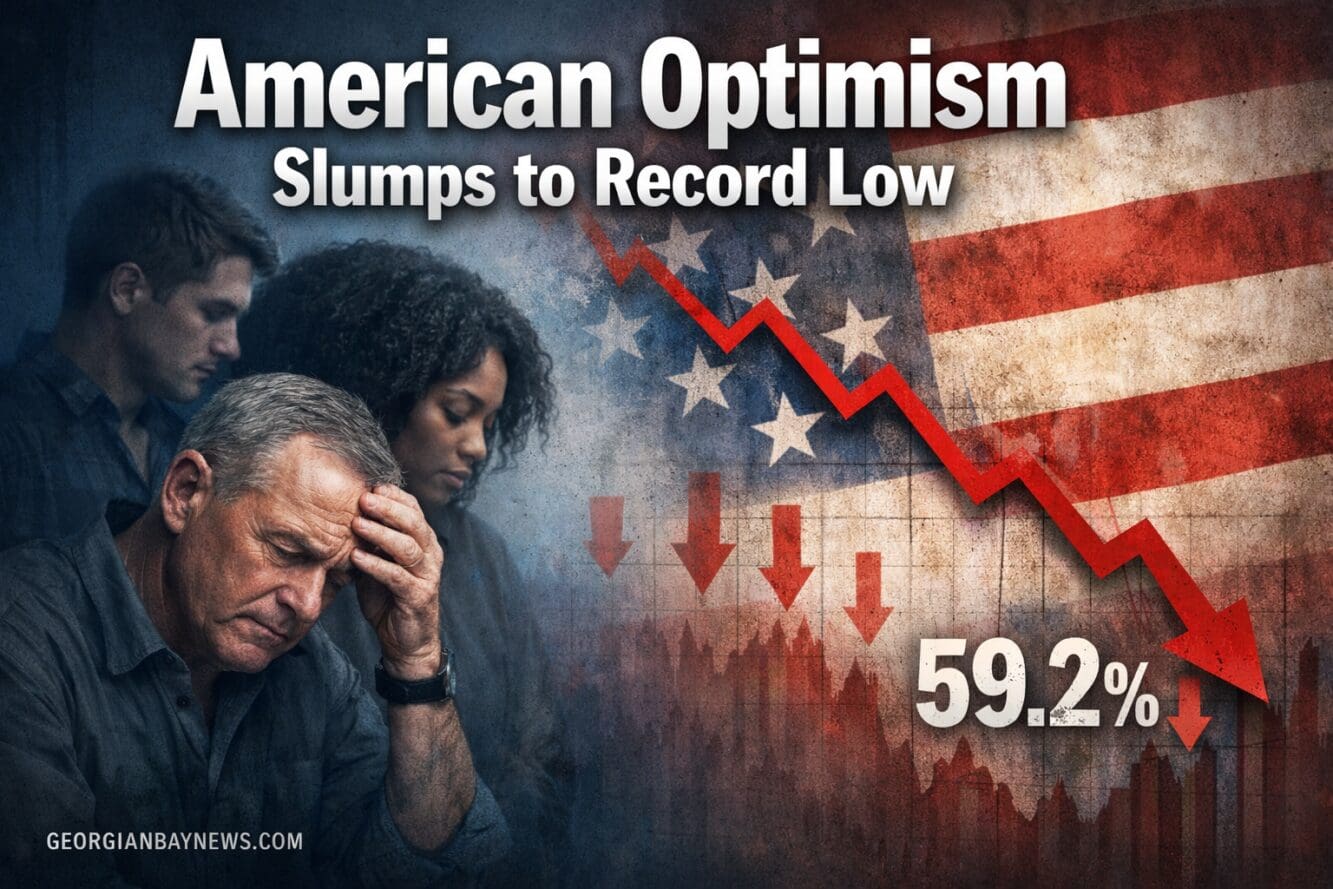
The American Dream, once an indomitable beacon of hope and prosperity, now flickers precariously in the collective consciousness of a nation grappling with unprecedented pessimism. As 2026 unfolds, comprehensive polling data reveals a stark reality: American optimism has plummeted to its lowest point in two decades, with barely more than half of U.S. adults expressing confidence in their future quality of life. This precipitous decline in national morale coincides with significant political transitions and mounting concerns about leadership competency, particularly as America declines with Trump returning to the presidency amid growing questions about his cognitive fitness and policy direction.
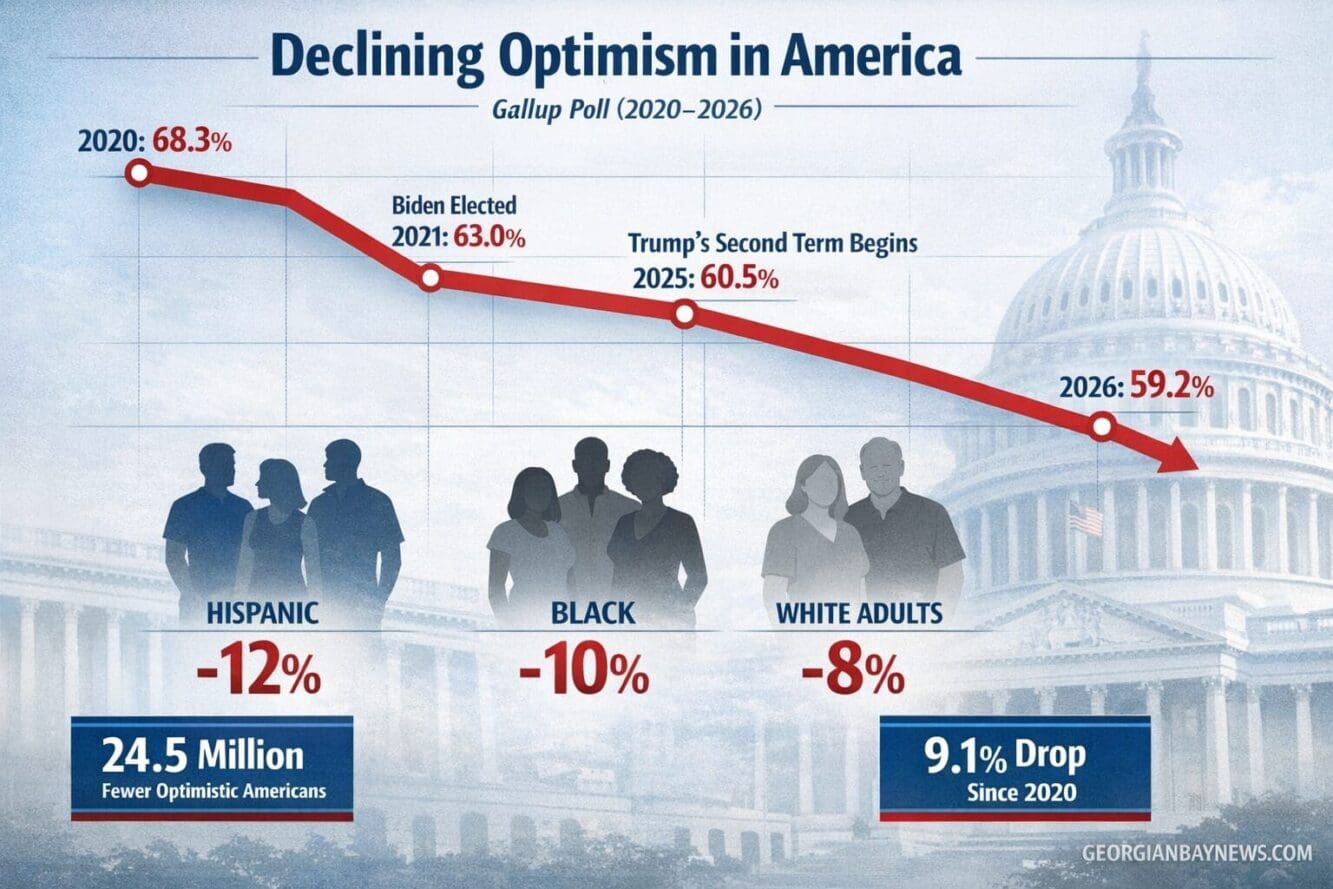
The numbers paint an unambiguous portrait of a society in distress. Only 59.2% of U.S. adults anticipate experiencing high-quality lives within the next five years, representing the nadir of Gallup’s nearly two-decade tracking of this critical metric[2]. This isn’t merely statistical noise—it translates to an estimated 24.5 million fewer Americans who feel optimistic about their future compared to 2020[2], a figure that encompasses entire metropolitan populations worth of lost hope.
Key Takeaways
- Historic pessimism: American optimism has crashed to 59.2%, the lowest measurement in 20 years, with 24.5 million fewer optimistic Americans compared to 2020[2]
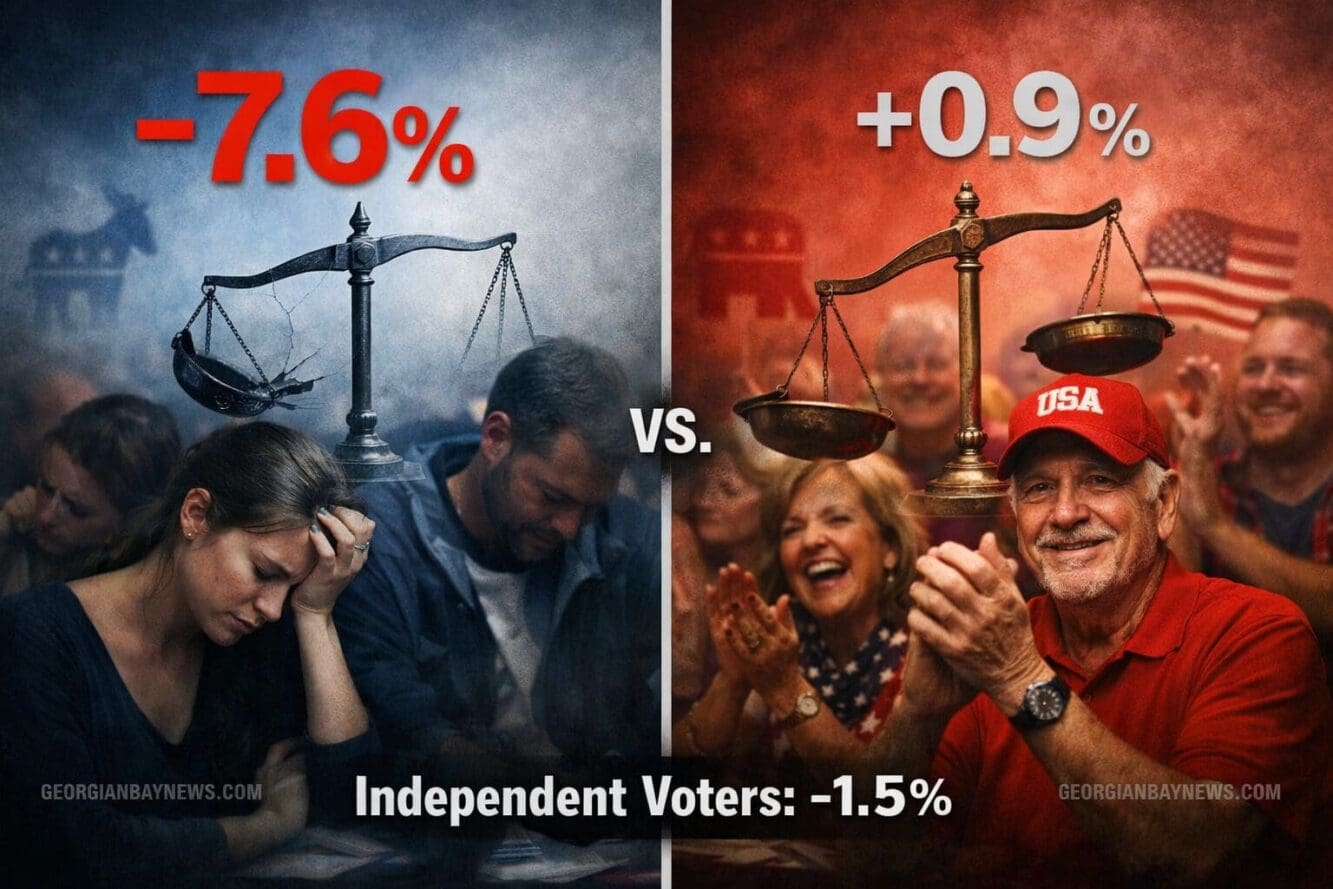
- Partisan asymmetry: Democrats experienced a catastrophic 7.6 percentage point decline in 2025, while Republicans showed virtually no offsetting gains (+0.9 points), resulting in net national pessimism[2][3]
- Demographic disparities: Hispanic adults suffered the sharpest recent decline (69% to 63%), while Black adults experienced the largest erosion between 2021-2024[2][3]
- Economic anxiety persists: Despite easing from peak levels, inflation’s psychological impact continues to erode both current satisfaction and future expectations[2]
- Leadership concerns intensify: The decline accelerates as questions mount about presidential cognitive capacity and policy coherence in Trump’s second term[3]
The Metrics of National Malaise: Understanding America’s Optimism Crisis
Quantifying the Decline in American Confidence
Gallup’s comprehensive research, based on 22,125 interviews conducted throughout 2025 across all 50 states and the District of Columbia, provides an authoritative snapshot of American sentiment[1][2]. The methodology’s rigor—utilizing probability-based sampling from the Gallup Panel—ensures these findings represent far more than anecdotal impressions; they constitute empirical evidence of a fundamental shift in national psychology.
The 3.5 percentage point drop from 2024 to 2025 might appear modest in isolation, but contextualized within the broader trajectory, it represents an acceleration of an already alarming trend[3]. Since 2020, the cumulative decline totals 9.1 percentage points, a statistical chasm that reflects profound societal transformation. To appreciate the magnitude, consider that this erosion affects demographic cohorts spanning generations, geographies, and socioeconomic strata.
Research director Dan Witters articulated a particularly concerning dimension of this crisis: while current life satisfaction has deteriorated, optimism for the future has eroded “almost twice as much” over the past decade[1]. This temporal divergence suggests Americans perceive not merely present difficulties but an inexorable trajectory toward worsening conditions—a psychological state that fundamentally undermines civic engagement, economic risk-taking, and social cohesion.
The “Thriving” Population Collapses
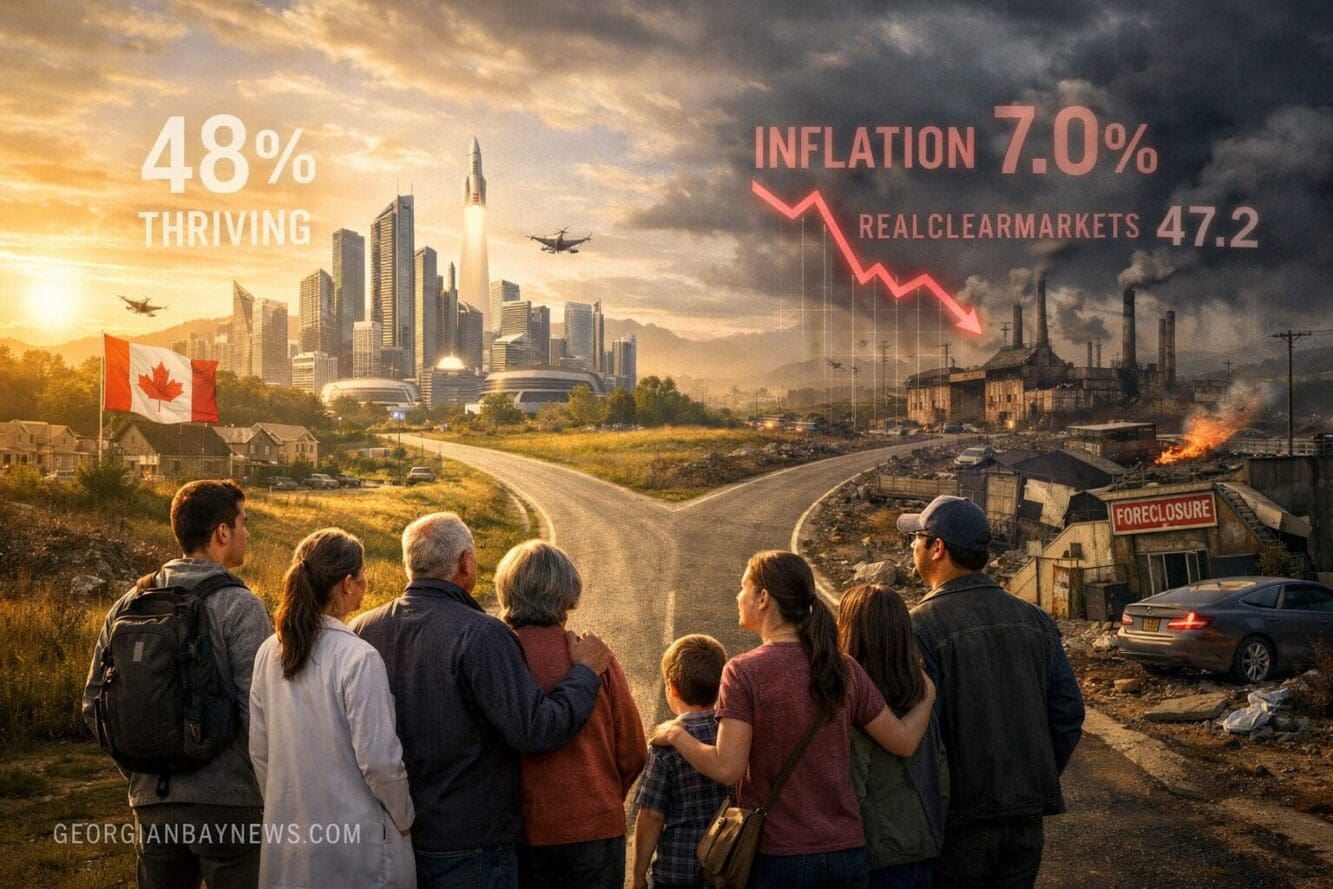
Beyond headline optimism figures, Gallup tracks Americans classified as “thriving“—individuals who rate both their current lives and anticipated future lives highly on a standardized scale. This cohort plummeted to 48.0% as of the fourth quarter of 2025, representing a staggering decline of over 11 percentage points from the 59.2% high measured in June 2021[2].
This collapse in the thriving population carries profound implications for national vitality. Thriving individuals typically exhibit:
- Higher productivity and workplace engagement
- Greater civic participation and community involvement
- Enhanced resilience during economic disruptions
- Increased entrepreneurial activity and innovation
- Better health outcomes and lower healthcare utilization
The erosion of this demographic segment suggests America is experiencing not merely a temporary mood fluctuation but a structural deterioration in the foundations of societal well-being. When fewer than half of adults consider themselves thriving, the nation confronts challenges in maintaining competitive advantage, social stability, and democratic functionality.
Political Polarization and Asymmetric Pessimism: How America Declines with Trump’s Return
The Democratic Collapse and Republican Stagnation
The partisan dimensions of America’s optimism crisis reveal asymmetries that defy conventional political narratives. Democrats experienced the steepest decline, with their optimism plummeting 7.6 percentage points in 2025[1][2]. This precipitous drop followed an initial decline from 65% to 57% between the conclusion of President Biden’s term and the commencement of Trump’s second presidency[2].
Political transitions typically generate inversely correlated optimism shifts—the victorious party’s supporters experience euphoria while the defeated coalition confronts disappointment. The 2024-2025 transition, however, exhibits a troubling deviation from this pattern. Republicans remained essentially unchanged in 2025, registering a negligible increase of merely 0.9 percentage points[2][3]. This microscopic gain falls catastrophically short of offsetting Democratic losses, resulting in net national pessimism regardless of partisan affiliation.
Several hypotheses might explain this anomaly:
- Cognitive decline concerns: Even Republican supporters may harbor anxieties about Trump’s mental acuity and decision-making capacity, tempering enthusiasm despite electoral victory
- Policy uncertainty: Erratic policy pronouncements and reversals create instability that undermines confidence across the political spectrum
- Economic headwinds: Persistent inflation and affordability challenges transcend partisan identity, affecting material conditions universally
- Institutional erosion: Declining faith in governmental competence and democratic norms dampens optimism regardless of which party controls executive power
The American politics landscape in 2026 reflects these tensions, with traditional partisan dynamics insufficient to explain the pervasive gloom.
Independents and the Erosion of Political Center
Independents edged down 1.5 percentage points in 2025, a decline that, while more modest than Democrats’, nonetheless contributes to the aggregate pessimism[2]. This segment—comprising roughly 40% of the American electorate—typically exhibits greater stability in sentiment, as their political identities aren’t as tightly bound to specific electoral outcomes.
The Independent decline suggests the optimism crisis transcends partisan frameworks entirely. These voters, often characterized by pragmatism and issue-based rather than ideological decision-making, appear to recognize systemic challenges that persist regardless of which party occupies the White House. Their pessimism may reflect:
- Gridlock fatigue: Perpetual congressional dysfunction preventing substantive policy solutions
- Leadership quality concerns: Dissatisfaction with candidate quality across the political spectrum
- Economic anxiety: Material conditions that deteriorate irrespective of partisan rhetoric
- Social fragmentation: Increasing polarization that undermines community cohesion and collective problem-solving capacity
Demographic Disparities: Race, Ethnicity, and Differential Optimism Trajectories
Hispanic Americans Face Sharpest Recent Decline
Hispanic adults experienced the most precipitous recent decline, with optimism plummeting from approximately 69% to 63% between 2024 and 2025[3]. This 6-percentage-point drop exceeded the decline experienced by Black adults during the same period and represents a particularly concerning trend given Hispanic Americans’ historical resilience and aspirational orientation[2].
Multiple factors may contribute to this demographic-specific pessimism:
- Immigration rhetoric: Escalating anti-immigrant discourse and policy proposals targeting Hispanic communities
- Economic vulnerability: Disproportionate representation in sectors experiencing wage stagnation and job insecurity
- Healthcare access: Persistent disparities in insurance coverage and medical care quality
- Educational barriers: Ongoing challenges in educational attainment and intergenerational mobility
- Political marginalization: Perception of declining influence despite growing demographic significance
The decline among Hispanic Americans carries particular significance for national optimism trends, as this demographic represents the fastest-growing segment of the U.S. population. Their pessimism foreshadows potentially transformative political and economic consequences as their electoral and consumer influence expands throughout the coming decades.
Black Americans: From Historic Optimism to Substantial Erosion
Black adults historically demonstrated the greatest optimism among major racial groups, a testament to resilience, community strength, and faith in incremental progress despite systemic barriers[2]. However, this cohort experienced the largest erosion in optimism between 2021 and 2024, a reversal that signals profound disillusionment with the pace and direction of racial progress[2].
This demographic shift coincides with:
- Racial justice backlash: Rollback of diversity, equity, and inclusion initiatives across corporate and educational sectors
- Voting rights restrictions: Implementation of barriers that disproportionately affect Black electoral participation
- Economic inequality persistence: Wealth gaps that remain stubbornly resistant to closure despite economic growth periods
- Criminal justice concerns: Ongoing disparities in policing, prosecution, and incarceration
- Health disparities: COVID-19’s disproportionate impact highlighting persistent healthcare inequities
The optimism decline among Black Americans represents not merely statistical variation but a fundamental reassessment of whether American institutions can deliver on promises of equality and opportunity. This disillusionment threatens to undermine civic engagement and political participation, creating self-reinforcing cycles of marginalization.
For broader context on demographic challenges facing American healthcare professionals and other sectors, these trends illuminate systemic issues requiring comprehensive policy responses.
Economic Anxiety and Inflation’s Psychological Toll: Material Foundations of Pessimism
The Inflation Crisis and Affordability Challenges
The steep optimism decline from 2021 to 2023 coincided precisely with annual inflation rates peaking at 7.0% in 2021, with only marginal improvement to 6.5% in 2022[2]. These figures, while representing headline Consumer Price Index measurements, inadequately capture the psychological devastation wrought by persistent price increases across essential categories.
Americans confronted:
- Housing costs escalating beyond wage growth, rendering homeownership increasingly unattainable for younger cohorts
- Food price inflation affecting daily budgeting decisions and nutritional choices
- Energy costs creating impossible tradeoffs between heating, cooling, and other necessities
- Healthcare expenses continuing their inexorable rise despite policy interventions
- Education costs compounding intergenerational wealth transfer challenges
Even as headline inflation moderated through 2024 and 2025, the cumulative price level increases permanently elevated the cost baseline. A family that experienced 7% inflation followed by 6.5% inflation confronts a new normal where prices remain approximately 13-14% higher than pre-inflation levels, even if subsequent inflation returns to the Federal Reserve’s 2% target.
This creates what economists term “inflation psychology“—a persistent expectation of future price increases that becomes self-fulfilling as consumers accelerate purchases and workers demand compensatory wage increases. The psychological toll extends beyond immediate affordability concerns to encompass fundamental questions about economic security and intergenerational mobility.
Economic Optimism Indices Confirm Broader Pessimism
The RealClearMarkets/TIPP Economic Optimism Index provides corroborating evidence of pervasive economic anxiety. The index fell to 47.2 in January 2026 from 47.9 in December 2025, missing market expectations of 48.2[5]. Measurements below 50 indicate that pessimists outnumber optimists, confirming that economic sentiment remains mired in negative territory as 2026 commences.
This economic pessimism manifests across multiple dimensions:
| Economic Indicator | Current Sentiment | Trend Direction | Primary Concerns |
|---|---|---|---|
| Personal Finances | Deteriorating | ⬇️ Declining | Wage stagnation, debt burdens |
| Job Market | Uncertain | ➡️ Stable | Automation anxiety, gig economy precarity |
| Federal Policies | Ineffective | ⬇️ Declining | Partisan gridlock, policy incoherence |
| Business Conditions | Weakening | ⬇️ Declining | Regulatory uncertainty, trade disruptions |
| Investment Climate | Volatile | ⬇️ Declining | Market instability, geopolitical risks |
These multifaceted concerns reflect not isolated economic challenges but systemic fragilities that undermine confidence across demographic and geographic segments. The impact extends to sectors from American agriculture to technology, creating widespread uncertainty about economic trajectories.
Cognitive Decline Concerns and Leadership Crisis: America Declines with Trump’s Mental Fitness Questions
Mounting Evidence of Presidential Cognitive Impairment
Beyond economic and partisan factors, 2026 witnesses intensifying scrutiny of President Trump’s cognitive capacity and mental fitness for office. Observers across the political spectrum have documented concerning patterns:
- Speech deterioration: Increasing frequency of word substitutions, incomplete sentences, and tangential rambling
- Memory lapses: Confusion about recent events, misidentification of individuals, and temporal disorientation
- Behavioral volatility: Erratic decision-making, impulsive policy reversals, and disproportionate emotional reactions
- Comprehension difficulties: Apparent struggles processing complex information and maintaining focus during briefings
- Physical manifestations: Gait instability, motor coordination challenges, and fatigue indicators
Medical professionals, while constrained by ethical prohibitions against diagnosing individuals they haven’t personally examined, have nonetheless expressed alarm about observable symptoms consistent with neurodegenerative conditions. The presidency demands cognitive capabilities—rapid information processing, complex decision-making under uncertainty, emotional regulation during crises—that may exceed Trump’s current functional capacity.
This leadership crisis compounds the optimism deficit in several ways:
- Policy incoherence: Contradictory directives and reversals undermine business planning and personal decision-making
- International instability: Erratic foreign policy creates geopolitical risks and alliance tensions
- Institutional erosion: Cabinet dysfunction and staff turnover prevent effective governance
- Democratic legitimacy questions: Concerns about who actually exercises executive authority
- Succession uncertainty: Anxiety about constitutional crisis scenarios and transition mechanisms
Comparative Leadership: Canada’s Stability Advantage
The contrast with Canada’s governmental stability becomes increasingly stark as America declines with Trump’s leadership challenges. Canadian institutions demonstrate:
- Coherent policy frameworks enabling long-term planning and investment
- Stable international relationships preserving trade partnerships and diplomatic influence
- Functional democratic processes maintaining public confidence in governmental legitimacy
- Effective crisis management as evidenced by coordinated pandemic and economic responses
- Transparent succession mechanisms preventing constitutional ambiguity
This comparative advantage manifests in tangible outcomes—Canada’s optimism metrics, while not immune to global challenges, demonstrate greater resilience than American counterparts. Canadian seniors, in particular, express higher confidence in healthcare access, retirement security, and quality of life trajectories than their American peers.
For Americans observing these disparities, the contrast reinforces pessimism about domestic trajectories. The perception that neighboring democracies navigate similar challenges more effectively than the United States undermines faith in American exceptionalism and institutional superiority—psychological foundations that historically sustained optimism even during difficult periods.
Sectoral Impacts and Cascading Consequences: When Optimism Evaporates
Economic Ramifications of Pervasive Pessimism
Optimism isn’t merely an emotional state—it constitutes an economic variable with measurable impacts on growth, investment, and innovation. When optimism collapses, behavioral changes cascade through the economy:
Consumer spending contracts as households prioritize savings and debt reduction over discretionary purchases. The marginal propensity to consume declines, creating deflationary pressures that can trigger recessionary spirals.
Business investment stagnates as executives postpone capital expenditures, research and development, and workforce expansion. Uncertainty premiums increase, raising hurdle rates for project approval and constraining productivity-enhancing investments.
Entrepreneurship declines as potential founders perceive elevated risks and diminished opportunities. The startup formation rate—a critical driver of job creation and innovation—contracts when optimism about future market conditions evaporates.
Labor market dynamics shift as workers prioritize job security over career advancement, reducing labor mobility and misallocating human capital. Wage demands moderate, but so does productivity growth, creating stagnation rather than competitive advantage.
These behavioral shifts compound, creating feedback loops where pessimism becomes self-fulfilling. Reduced spending constrains business revenues, justifying investment postponement, which reduces employment growth, further undermining consumer confidence—a vicious cycle that conventional monetary and fiscal policy struggles to interrupt.
Social Cohesion and Civic Engagement Deterioration
Beyond economic consequences, optimism collapse threatens social fabric and democratic functionality. Research consistently demonstrates that optimistic individuals exhibit:
- Higher voting rates and political participation
- Greater volunteerism and community service
- Enhanced social trust and cooperative behavior
- Reduced crime rates and antisocial conduct
- Better mental health outcomes and resilience
Conversely, pervasive pessimism correlates with:
- Political disengagement and declining turnout, particularly among younger cohorts
- Social fragmentation as individuals retreat from civic institutions
- Increased substance abuse and mental health crises
- Rising extremism as desperate populations embrace radical solutions
- Democratic backsliding as faith in institutional problem-solving evaporates
These dynamics create governance challenges that transcend partisan frameworks. When citizens don’t believe collective action can improve conditions, they disengage from democratic processes, creating self-fulfilling prophecies of governmental ineffectiveness. The resulting legitimacy crisis threatens foundational assumptions about democratic stability and peaceful power transitions.
The broader American experience in 2026 reflects these tensions, with civic institutions struggling to maintain engagement amid widespread disillusionment.
International Perspectives and Global Implications: World Leaders Confront American Decline
Allied Concerns About American Reliability
International observers monitor American optimism trends with acute interest, recognizing that domestic pessimism translates into foreign policy unpredictability and alliance unreliability. World leaders confront uncomfortable questions:
- Can the United States maintain defense commitments when domestic support for international engagement collapses?
- Will economic partnerships survive protectionist impulses driven by pessimism about competitive positioning?
- Can American leadership address global challenges—climate change, pandemic preparedness, nuclear proliferation—when domestic dysfunction consumes political bandwidth?
- Will democratic allies face security vacuums as American attention turns inward?
These concerns manifest in tangible policy adjustments. European nations accelerate defense integration and capability development, reducing dependence on American security guarantees. Asian allies diversify economic partnerships, hedging against American market volatility and trade policy incoherence. International institutions develop workarounds for American obstruction, diminishing U.S. influence over global governance frameworks.
The long-term consequences extend beyond immediate policy disputes. American “soft power”—the ability to shape international agendas through attraction rather than coercion—erodes as the American model loses its aspirational appeal. When the United States appears unable to deliver prosperity, stability, and opportunity for its own citizens, why would other nations emulate American institutions or defer to American leadership?
Comparative Optimism: Global Context
Placing American pessimism in global context illuminates both universal challenges and nation-specific failures. Many advanced democracies confront similar headwinds—inflation, technological disruption, demographic aging, climate anxiety—yet demonstrate greater resilience in maintaining citizen optimism.
Scandinavian nations, despite high tax burdens and challenging climates, consistently rank among the world’s happiest and most optimistic populations. Their success stems from:
- Robust social safety nets that mitigate economic insecurity
- High-quality public services in healthcare, education, and infrastructure
- Low corruption and effective governance
- Social cohesion and trust in institutions
- Environmental sustainability and long-term planning
Canada, Australia, and New Zealand similarly demonstrate that advanced economies can maintain citizen optimism through effective governance, social investment, and institutional integrity. The American divergence from these peer nations suggests that optimism collapse reflects policy choices and leadership failures rather than inexorable global forces.
Path Forward: Rebuilding American Optimism in 2026 and Beyond
Immediate Interventions: Addressing the Optimism Crisis
Reversing America’s optimism collapse requires comprehensive interventions across multiple domains:
Economic security restoration must prioritize:
- Wage growth exceeding inflation through productivity investments and labor market reforms
- Housing affordability via supply-side reforms, zoning liberalization, and targeted subsidies
- Healthcare cost containment through price transparency, competition enhancement, and coverage expansion
- Education accessibility reducing debt burdens and expanding vocational alternatives
Governance effectiveness demands:
- Institutional reform reducing gridlock and enabling responsive policymaking
- Leadership accountability including cognitive fitness standards and succession clarity
- Transparency enhancement rebuilding trust through information access and corruption reduction
- Bipartisan cooperation on foundational challenges transcending partisan frameworks
Social cohesion rebuilding requires:
- Community investment in local institutions, public spaces, and civic infrastructure
- Media literacy combating misinformation and polarization
- Educational integration reducing geographic and socioeconomic segregation
- Shared narrative development emphasizing common identity and collective purpose
Long-Term Structural Reforms: Foundations for Sustained Optimism
Beyond immediate interventions, sustained optimism requires addressing structural fragilities:
Economic modernization must embrace:
- Industrial policy supporting strategic sectors and technological leadership
- Infrastructure investment in physical and digital foundations for 21st-century competitiveness
- Workforce development preparing Americans for automation and globalization
- Innovation ecosystems supporting entrepreneurship and research commercialization
Democratic renewal demands:
- Electoral reform enhancing representation and reducing money’s influence
- Civic education rebuilding understanding of democratic norms and processes
- Institutional legitimacy through performance improvement and corruption elimination
- Constitutional modernization addressing 18th-century frameworks’ 21st-century inadequacies
Social investment requires:
- Universal healthcare eliminating medical bankruptcy and coverage anxiety
- Childcare and family support enabling workforce participation and child development
- Retirement security ensuring dignified aging for all Americans
- Environmental sustainability addressing climate anxiety through credible action
Individual and Community Actions: Grassroots Optimism Building
While systemic reforms require governmental action, individuals and communities can cultivate optimism through:
✅ Local engagement: Participating in community organizations, volunteer activities, and civic institutions
✅ Relationship investment: Strengthening social connections that provide resilience and meaning
✅ Skill development: Pursuing education and training that enhance economic security and adaptability
✅ Political participation: Voting, advocacy, and activism to influence policy directions
✅ Mental health prioritization: Seeking support, practicing resilience techniques, and maintaining perspective
✅ Narrative reframing: Focusing on progress indicators and solution possibilities rather than exclusively on challenges
✅ Intergenerational connection: Bridging age divides to share wisdom and cultivate hope
These individual actions, while insufficient alone to reverse national trends, create psychological resilience and community capacity that sustain individuals through difficult periods and position communities to capitalize on systemic improvements when they occur.
Conclusion: Confronting America’s Optimism Crisis at a Critical Juncture
American optimism in 2026 stands at a crossroads, with the record-low 59.2% of adults anticipating high-quality futures representing both a crisis and an opportunity[2]. The data unmistakably demonstrates that America declines with Trump, as his second term coincides with accelerating pessimism, cognitive decline concerns, and policy incoherence that compound existing economic and social challenges.
The partisan asymmetry—Democrats plummeting 7.6 points while Republicans gain merely 0.9 points—reveals that this crisis transcends normal political cycles[2][3]. When electoral victory fails to generate offsetting optimism gains, the problem clearly extends beyond which party controls government to fundamental questions about governmental effectiveness, leadership competency, and institutional capacity.
Demographic disparities, particularly the sharp declines among Hispanic and Black Americans, underscore that optimism erosion disproportionately affects communities already confronting systemic barriers[2][3]. This threatens to entrench inequality and undermine the diverse coalition-building essential for democratic problem-solving.
Yet pessimism need not be destiny. Comparative international examples demonstrate that advanced democracies can maintain citizen optimism through effective governance, social investment, and institutional integrity. Canada’s stability advantage, Scandinavian happiness metrics, and other peer nations’ resilience prove that American decline reflects choices rather than inevitabilities.
Actionable next steps for stakeholders across sectors include:
For policymakers: Prioritize bipartisan collaboration on economic security, governance effectiveness, and social cohesion initiatives that can rebuild citizen confidence in collective problem-solving capacity.
For business leaders: Invest in workforce development, wage growth, and long-term strategic positioning rather than short-term profit maximization that exacerbates inequality and insecurity.
For educators: Cultivate civic knowledge, critical thinking, and democratic values that enable citizens to navigate complexity and engage constructively in self-governance.
For community leaders: Strengthen local institutions, social connections, and civic infrastructure that provide resilience and meaning beyond national political dysfunction.
For individuals: Engage actively in democratic processes, invest in relationships and skills, and maintain perspective about both challenges and possibilities.
For international partners: Support American civil society, maintain alliance commitments where possible, and develop contingency frameworks for scenarios where American leadership proves unreliable.
The optimism crisis of 2026 represents a pivotal moment in American history. The choices made now—by leaders, institutions, communities, and individuals—will determine whether this pessimism becomes a temporary nadir before renewal or an inflection point toward sustained decline. The data demands attention, the stakes require action, and the moment calls for leadership equal to the challenge of rebuilding American optimism for the 21st century.
References
[1] American Optimism Drops Record Low New Poll – https://www.livenowfox.com/news/american-optimism-drops-record-low-new-poll
[2] American Optimism Slumps Record Low – https://news.gallup.com/poll/702125/american-optimism-slumps-record-low.aspx
[3] American Optimism Crashes To All Time Low Under Trump – https://www.thedailybeast.com/american-optimism-crashes-to-all-time-low-under-trump/
[4] American Gloom Gallup Poll Trump Hispanics B2917885 – https://www.the-independent.com/news/world/americas/american-gloom-gallup-poll-trump-hispanics-b2917885.html
[5] Economic Optimism Index – https://tradingeconomics.com/united-states/economic-optimism-index
Some content and illustrations on GEORGIANBAYNEWS.COM are created with the assistance of AI tools.
GEORGIANBAYNEWS.COM shares video content from YouTube creators under fair use principles. We respect creators’ intellectual property and include direct links to their original videos, channels, and social media platforms whenever we feature their content. This practice supports creators by driving traffic to their platforms.