



















As the planet HEATS UP, WATER worries worsen

By David Suzuki
A tiny tardigrade can survive for more than 30 years without water. But we humans aren’t nearly as tough as this half-millimetre-long, eight-legged critter, also known as a “water bear.” We perish after a few days if we don’t replenish the liquid that we constantly lose through urine, sweat, tears, feces and breath. After all, our bodies are made up of about 60 to 70 per cent water.
As an Outside article explains, “Losing more than five percent of your body weight in fluid leads to headaches and other symptoms. Ten percent impairs performance and leaves you dizzy and faint. Beyond that, your skin will start to shrivel, your blood will get dangerously salty, and eventually you’ll be at risk of critically low blood pressure and organ failure. At 15 to 20 percent, which you can reach in three days in a hot climate, you’ll die.”
Here in the relatively wealthy western world, we often take clean water for granted. We just turn on a tap and out it comes, hot or cold and usually drinkable. But many people throughout the world suffer from water scarcity, contamination and poor or non-existent infrastructure — including many living on Indigenous reserves in Canada.
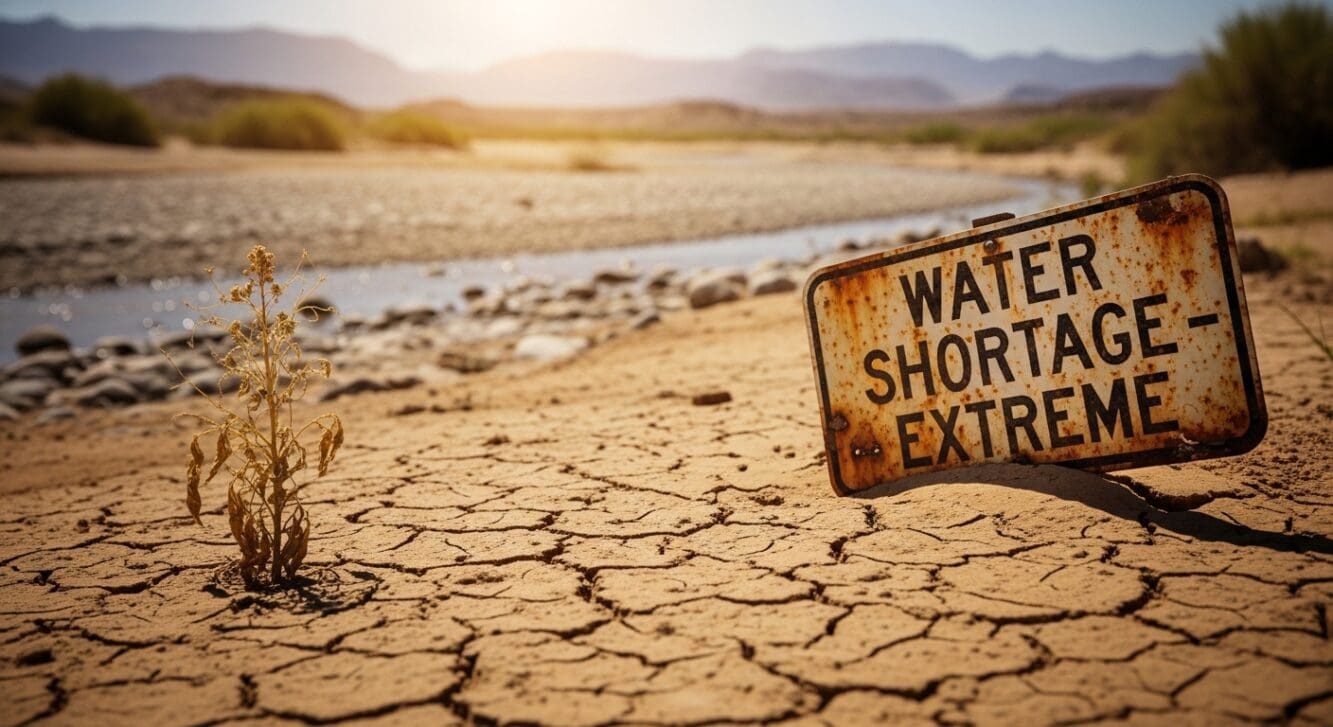
As we continue to heat the planet by burning coal, oil and gas and pumping ever more greenhouse gases into the atmosphere, we face snowballing threats around water quality and quantity. The increasing floods, droughts, fires, sea level rise, glacier melts and extreme heat that result from human-caused global heating all affect water availability and purity.
Much of our water is captured and filtered by forested lands. Destruction of those forests through logging or wildfires releases more climate-altering carbon into the atmosphere, as trees and root systems sequester carbon. But it also reduces water availability, and fires pollute water, especially when they reach houses and towns, burning plastics and other toxic materials.
Flooding brings more water, but it can also contaminate it and wreak havoc on supplies and sewage systems. As glaciers melt and mountain snowpack decreases, less is stored and rivers start to run dry. Flooding, like drought, can also affect agriculture, leading to food shortages.
Higher temperatures, agricultural runoff and contaminated stormwater also facilitate algal blooms in freshwater, making it unsafe for drinking or even swimming. As sea levels rise and rivers lose volume, more salt water travels upstream, affecting potable supplies.
The United Nations reports that the world is now entering an era of “global water bankruptcy,” with “irreversible losses of natural water capital and an inability to bounce back to historic baselines.”
Many places have been facing water problems for years, through scarcity, lack of safe drinking water and poor infrastructure — worsening as the planet heats.
The growing crisis around water is also causing conflict to rise. The U.S.–based Pacific Institute reports that water-related violence has doubled since 2022. “The climate crisis and extreme weather play a part but there are lots of other factors such as state failure and incompetent or corrupt governments, and lack of or misuse of infrastructure,” said institute co-founder and senior fellow Peter Gleick.
The hydrologic, or water, cycle isn’t really all that complicated, but like all natural systems, it operates according to a delicate balance and is interconnected with all other natural systems. Solutions to our growing water woes aren’t much different than the remedies for many other pollution- and climate-related problems. We need to pull together, implement legal reforms around water and climate, devise economic and political systems that don’t rely on destruction and put our efforts into protecting water sources and building infrastructure to ensure everyone has access to clean water.
Unfortunately, this would take longer-term vision, along with a sense of caring for each other — something that appears to be lacking among many of our political representatives and those who profit from exploitation.
We often hear that humans are destroying the planet, but really, we’re just destroying the natural systems that make it habitable for us (and many other living beings). The tardigrade will likely still be here when we and all the money we’ve made through pillaging nature are gone. It’s not too late to prevent that, but we must act quickly.
David Suzuki is a scientist, broadcaster, author and co-founder of the David Suzuki Foundation. Written with David Suzuki Foundation Senior Writer and Editor Ian Hanington.
Learn more at davidsuzuki.org.
REFERENCES:
Outside article explains:
Including many living on Indigenous reserves:
Captured and filtered by forested lands:
https://e360.yale.edu/features/climate-change-drinking-water
Mountain snowpack decreases:
https://www.cbc.ca/news/science/winter-snow-climate-water-9.7078119
Global water bankruptcy:
https://unu.edu/inweh/news/world-enters-era-of-global-water-bankruptcy
Pacific Institute reports:
Hydrologic, or water, cycle:
https://www.noaa.gov/education/resource-collections/freshwater/water-cycle
Much Appreciate You Sharing This Post - It Helps MUCH!!!