


















Canadian Mental Health Advocates Changing Their Communities: Therapists, Counselors, and Peer Leaders With Stories of Hope

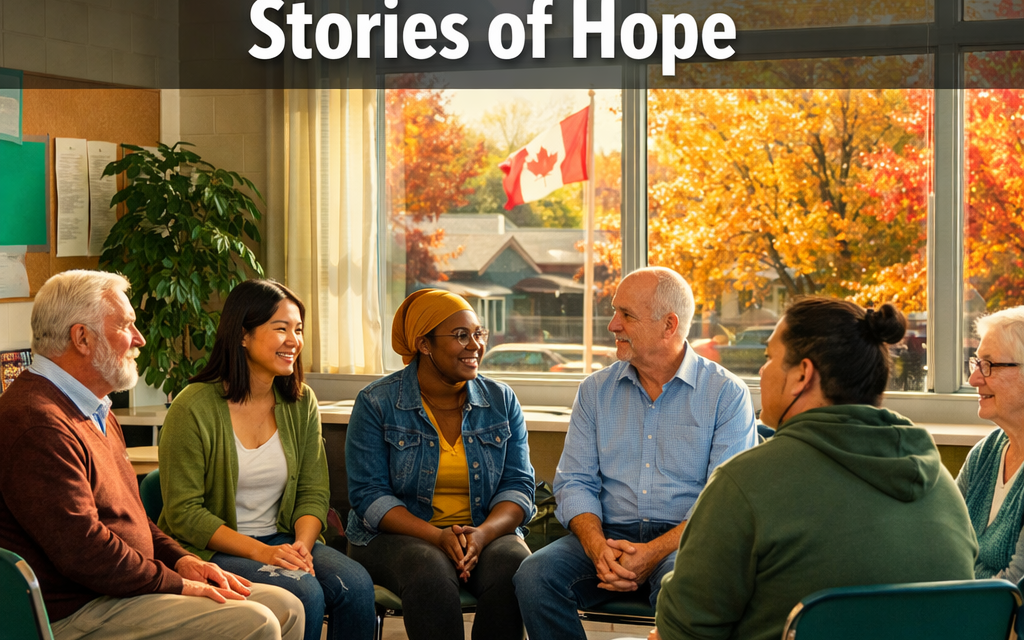
Canadian Mental Health Advocates Changing Their Communities: Therapists, Counselors, and Peer Leaders With Stories of Hope

Last updated: June 5, 2026
Quick Answer: Across Canada in 2026, therapists, counselors, and peer support leaders are driving real change in how communities talk about and access mental health care. Despite persistent gaps in service, especially in rural areas, these advocates are meeting people where they are, using lived experience, grassroots programs, and small-town clinics to move the conversation forward. Their stories are not just inspiring, they are reshaping what community mental health looks like on the ground.
Key Takeaways
- As of 2024, 41% of Canadian adults with a mental health disorder reported unmet care needs, and wait times for community counseling rose 36% between 2020 and 2024 [2]
- Rural and remote Canadians, including Indigenous Peoples and low-income individuals, face the worst access gaps [1]
- Peer support leaders draw on lived experience to connect with people that clinical services often miss [6]
- Organizations like Hope + Me ran 384 virtual peer support sessions with 4,578 participants in 2025 alone [3]
- Reach Out Together annually recognizes Canada’s Top 25 Mental Health Advocates to spotlight grassroots changemakers [4]
- Indigenous mental health advocates integrate land-based healing and cultural ceremony alongside clinical care
- Most publicly funded mental health services in Canada have limited coverage; many Canadians pay out of pocket
- Newcomers and racialized youth face additional barriers, including language gaps and distrust of formal systems [7]
- Burnout among mental health professionals is a growing concern, requiring systemic support and self-care practices
- Storytelling and community events, like walks and peer circles, are proving to be powerful recovery tools [9]
What Does a Mental Health Advocate Actually Do in Canada
A mental health advocate in Canada works to improve access, reduce stigma, and support individuals navigating mental health challenges. Their work spans direct service, public education, policy lobbying, and peer connection.
Advocates may work inside formal health systems as registered therapists or social workers, or they may operate entirely in community settings as peer leaders. Some do both. Their day-to-day activities include:
- Running support groups or drop-in programs
- Lobbying local governments for better funding
- Sharing their own recovery stories publicly to normalize help-seeking
- Training community members in mental health first aid
- Connecting people to services they would not otherwise find
Reach Out Together, a Canadian nonprofit, runs an annual awards program recognizing Canada’s Top 25 Mental Health Advocates, highlighting the breadth of this work across provinces [4]. For local coverage of mental health crisis issues in Georgian Bay and surrounding regions, Georgian Bay News has tracked these stories closely.
What Mental Health Challenges Are Most Common for Canadians Right Now
Anxiety, depression, and substance use disorders remain the most reported mental health challenges among Canadians in 2026. Access to timely care continues to lag behind demand.
According to the Canadian Institute for Health Information, wait times for community mental health counseling increased by 36% between 2020 and 2024, and 41% of adults with a diagnosed mental health disorder had unmet care needs in 2024 [2]. The Canadian Mental Health Association’s May 2026 report found that rural and remote residents, Indigenous Peoples, women, and low-income Canadians face the sharpest disparities [1].
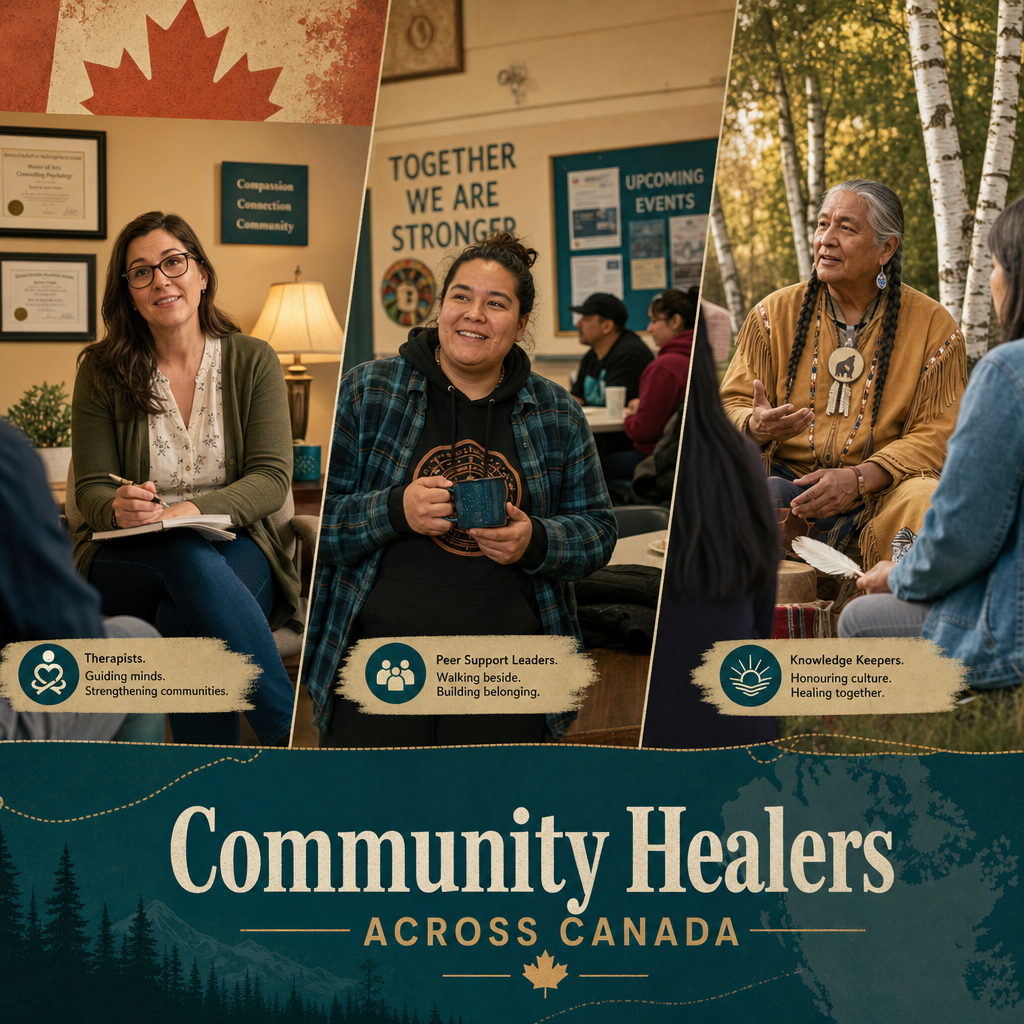
Who Are the Top Mental Health Advocates Making Real Change in Canadian Communities
Some of the most impactful Canadian mental health advocates are not household names. They are counselors in small-town clinics, peer leaders running evening groups, and community members who turned personal crisis into purpose.
One example is Eimert, a 68-year-old from Kelowna, British Columbia, who first came to CMHA Kelowna as a program participant and later became a dedicated volunteer peer supporter. His story, documented by CMHA Kelowna, illustrates how lived experience creates a depth of connection that formal credentials alone cannot replicate [5].
Organizations like Hope Leads Mental Health Care are also building reputations for centering diverse communities, practicing anti-oppressive approaches, and offering care that is flexible and empowering [8]. Lanterns of Hope uses storytelling as a structured tool, guiding individuals through narratives of resilience to foster community connection [9].
The South Georgian Bay Community Health Clinic is one local example of a clinic-based model working to bridge gaps between formal services and community need.
What Is the Difference Between a Therapist and a Peer Support Counselor
A therapist or registered counselor holds a formal clinical credential and provides evidence-based treatment for diagnosed mental health conditions. A peer support counselor draws primarily on their own lived experience with mental health challenges to offer empathy, practical guidance, and connection.
Both roles are valuable, but they serve different functions:
RoleCredential RequiredPrimary ApproachTypical SettingRegistered TherapistYes (e.g., MSW, RP)Clinical treatmentPrivate practice, hospitalPeer Support CounselorNo formal degree requiredLived experience, empathyCommunity centres, nonprofitsSocial WorkerYes (BSW/MSW)Case management, advocacyGovernment, community agencies
Peer Support Canada, a program of CMHA National, has established national standards and frameworks to guide peer support programs so that lived-experience work is recognized and practiced safely [6]. Choose peer support if you want someone who has walked a similar path. Choose a registered therapist if you need diagnosis, structured therapy, or medication referrals.
What Training Do You Need to Become a Peer Support Leader in Canada
No single national license is required to become a peer support leader, but structured training is strongly recommended and increasingly expected by employers and nonprofits.
Peer Support Canada offers a nationally recognized certification framework. Core training typically covers:
- Active listening and communication skills
- Boundaries and ethics in peer relationships
- Recovery-oriented language and approaches
- Crisis recognition and de-escalation basics
- Self-care and managing vicarious trauma
Many provincial CMHA branches and community health organizations offer their own peer support training programs, some of which are free. Volunteers interested in friendly visits and community connection programs can often begin with shorter introductory training before pursuing full certification.
How Much Do Mental Health Counselors Get Paid in Different Canadian Provinces
Salaries for mental health counselors in Canada vary significantly by province, credential level, and employment sector. These figures are approximate ranges based on publicly available labour market data.
- British Columbia: $55,000 to $90,000 annually for registered clinical counselors
- Ontario: $50,000 to $85,000 for registered psychotherapists; higher in private practice
- Alberta: $58,000 to $88,000 for social workers and counselors in health authorities
- Quebec: $48,000 to $75,000, with public sector roles on the lower end
- Atlantic provinces: $45,000 to $70,000, with rural positions sometimes offering incentives
Peer support workers in nonprofit settings typically earn less, often $18 to $25 per hour, though this varies by organization and province. Burnout risk is high at lower pay grades, which connects directly to workforce sustainability challenges discussed below.
Are Canadian Mental Health Services Free or Do I Have to Pay
Some mental health services in Canada are covered by provincial health insurance, but many are not. The answer depends on where you live, what type of service you need, and your income level.
Covered at no cost (in most provinces):
- Psychiatry (when referred by a family doctor)
- Hospital-based mental health care
- Some community mental health programs
Typically not covered:
- Private psychotherapy or counseling
- Registered psychologists (in most provinces)
- Online therapy platforms
Hope + Me offers free virtual peer support groups and counseling services in Ontario, and conducted 384 sessions with 4,578 participants in 2025 [3]. For Canadians without extended health benefits, peer support programs and community health centres are often the most accessible entry point.
How Do Indigenous Mental Health Advocates Approach Healing Differently
Indigenous mental health advocates in Canada approach healing through a framework that integrates cultural identity, community, land, and ceremony alongside, or sometimes instead of, clinical models.
This approach recognizes that colonization, intergenerational trauma, and the ongoing impacts of residential schools are root causes of mental health challenges for many Indigenous people. Healing practices may include:
- Talking circles and elder-led ceremonies
- Land-based therapy (time on the land as medicine)
- Smudging, drumming, and other cultural practices
- Reclaiming language and traditional knowledge
These approaches are not alternatives to be dismissed. Research increasingly supports their effectiveness for Indigenous populations, and advocates argue that clinical services must integrate cultural safety to be genuinely helpful. The connection between cultural belonging and mental wellness is central to this work.
What Mental Health Resources Exist for Newcomers and Immigrants in Canada
Newcomers and immigrants face unique mental health barriers, including language gaps, cultural stigma, trauma from displacement, and unfamiliarity with the Canadian health system.
McGill University experts raised concerns in April 2026 that racialized youth are less likely to find standard mental health support helpful, pointing to a need for culturally competent services [7]. Resources that do exist include:
- Immigrant and refugee-serving organizations that offer counseling in multiple languages
- Community health centres with interpretation services
- Online platforms with multilingual peer support
- Settlement agencies that can navigate referrals to mental health care
The gap between available services and actual uptake remains wide. Advocates working with newcomer communities emphasize trust-building and community outreach over clinic-based models.
How Can I Start Volunteering in Mental Health Support in My Local Canadian Community
The fastest path into mental health volunteering is through a local CMHA branch, community health centre, or peer support organization. Most do not require clinical credentials to start.
Steps to get involved:
- Contact your local CMHA branch or community health centre and ask about volunteer opportunities
- Complete a basic mental health first aid or peer support training course
- Start with lower-intensity roles such as event support, phone lines, or community outreach
- Build toward peer support certification through Peer Support Canada if you want a more formal role
Hope + Me’s community events, such as their May 2026 “William’s Run for Hope” walk and run for youth mental health in Ontario, are also good entry points for people who want to contribute without a formal support role [3]. Local resources like the South Georgian Bay region also have community programs worth exploring.
What Are the Biggest Mistakes People Make When Seeking Mental Health Help
The most common mistake is waiting too long. Many Canadians delay seeking help due to stigma, cost concerns, or the belief that their struggles are not serious enough to warrant support.
Other frequent mistakes include:
- Expecting the first provider to be the right fit. Therapeutic relationships matter. If it does not feel right, try someone else.
- Confusing peer support with therapy. Both are valuable, but they are not interchangeable for all situations.
- Relying only on a family doctor. GPs are often the first point of contact, but wait times for referrals can be long. Community programs may be faster.
- Not disclosing fully. Advocates and therapists can only help with what they know. Honesty, even when uncomfortable, leads to better outcomes.
- Ignoring self-care between sessions. Recovery happens in daily life, not just in a therapist’s office.
Which Canadian Cities Have the Best Mental Health Support Systems
Toronto, Vancouver, and Ottawa consistently rank among the cities with the broadest range of mental health services, largely due to population size, funding, and the concentration of hospitals and nonprofits.
That said, city size does not always equal quality access. Wait times in major urban centres can be long, and services are not always distributed equitably across neighborhoods. Smaller cities like Kelowna, Halifax, and Sudbury have developed strong community-based models that serve their populations effectively. Rural and remote areas remain the most underserved, as documented in the CMHA’s May 2026 report [1].
The southern Georgian Bay area, for example, has seen growing advocacy for improved local mental health services, reflecting a national pattern of communities pushing back against service gaps.
How Do Canadian Mental Health Professionals Handle Burnout in Their Own Work
Burnout is a documented and serious risk for mental health professionals, including peer support workers. The emotional weight of the work, combined with underfunding and high caseloads, creates conditions where even the most dedicated advocates can struggle.
Strategies that professionals and peer leaders commonly use include:
- Regular clinical supervision or peer consultation
- Setting firm boundaries around availability and caseload
- Accessing their own therapy or peer support
- Taking scheduled breaks and protecting personal time
- Advocating collectively for better working conditions and pay
Organizations like Hope Leads Mental Health Care explicitly build staff wellbeing into their model, recognizing that sustainable advocacy requires sustainable practitioners [8]. The gratitude and meaning that many advocates find in their work is real, but it is not a substitute for structural support.
Conclusion
Canadian mental health advocates changing their communities, whether therapists, counselors, or peer leaders with stories of hope, are doing work that matters deeply and visibly. The data confirms the gaps. The stories confirm the impact. In 2026, the challenge is not a lack of dedication from advocates on the ground. It is ensuring that their work is funded, recognized, and scaled to meet the need.
Actionable next steps:
- If you need support, contact your local CMHA branch or call 988, Canada’s Suicide Crisis Helpline
- If you want to volunteer, reach out to a community health centre or peer support organization in your area
- If you are a professional, advocate for better working conditions and connect with Peer Support Canada’s national framework
- If you are a community leader, consider hosting a mental health event or partnering with local advocates to reduce stigma
The most powerful thing any community can do is make it easier for people to ask for help, and easier for advocates to keep showing up.
FAQ
What is a peer support worker in Canada?
A peer support worker is someone who uses their own lived experience with mental health or substance use challenges to support others in recovery. They are trained to listen, share, and connect, but do not provide clinical treatment.
How do I find a mental health advocate or counselor near me in Canada?
Start with your local CMHA branch, community health centre, or provincial health authority website. Many offer searchable directories of services by region.
Is peer support covered by provincial health insurance in Canada?
Generally, no. Most peer support programs are funded through nonprofits or grants and offered free to participants. They are not billed through provincial health cards.
What is the 988 Suicide Crisis Helpline in Canada?
988 is Canada’s national three-digit mental health crisis and suicide prevention line, available 24/7 by call or text in English and French.
Can newcomers to Canada access free mental health support?
Yes. Many settlement agencies, community health centres, and nonprofits offer free or low-cost mental health support for newcomers, sometimes in multiple languages.
How long does it take to become a registered therapist in Canada?
Most registered therapist designations require a master’s degree (two to three years post-undergraduate) plus supervised clinical hours, which can add one to two more years depending on the province.
What is Peer Support Canada?
Peer Support Canada is a program of CMHA National that sets national standards for peer support practice and advocates for the integration of peer support into Canada’s mental health and substance use health systems [6].
Are online therapy platforms covered by insurance in Canada?
Some extended health benefit plans cover online therapy if the provider is a registered professional. Coverage varies widely. Check your plan details before booking.
What makes Indigenous mental health approaches different from Western clinical models?
Indigenous approaches center cultural identity, community, land, and ceremony as healing tools. They address the root causes of trauma, including colonization, and require cultural safety as a baseline condition for effective care.
How can small communities in Canada improve mental health access?
Small communities can advocate for mobile mental health units, fund peer support programs, partner with provincial health authorities for telehealth services, and train community members in mental health first aid.
References
[1] Too Little Too Far: CMHA Report Uncovers Critical Gaps In Access To Care In Rural And Remote Parts Of Canada – https://cmha.ca/news/too-little-too-far-cmha-report-uncovers-critical-gaps-in-access-to-care-in-rural-and-remote-parts-of-canada/?utm_source=openai
[2] Challenges Persist In Access To Mental Health And Substance Use Care – https://www.cihi.ca/en/canadas-mental-health-and-substance-use-workforce/challenges-persist-in-access-to-mental-health-and-substance-use-care?utm_source=openai
[3] Hope + Me – https://hopeandme.org/?utm_source=openai
[4] Reach Out Together – https://reachouttogether.com/?utm_source=openai
[5] A Sense Of Belonging: Eimert’s Story – https://www.cmhakelowna.com/blog/a-sense-of-belonging-eimerts-story?utm_source=openai
[6] About Us – Peer Support Canada – https://peersupportcanada.ca/about-us/?utm_source=openai
[7] Expert: Mental Health Care Access Canada – https://www.mcgill.ca/newsroom/channels/news/expert-mental-health-care-access-canada-365505?utm_source=openai
[8] Hope Leads Mental Health Care – https://www.hopeleads.ca/?utm_source=openai
[9] Lanterns of Hope – https://www.lanternsofhope.ca/?utm_source=openai
Much Appreciate You Sharing This Post - It Helps MUCH!!!