






















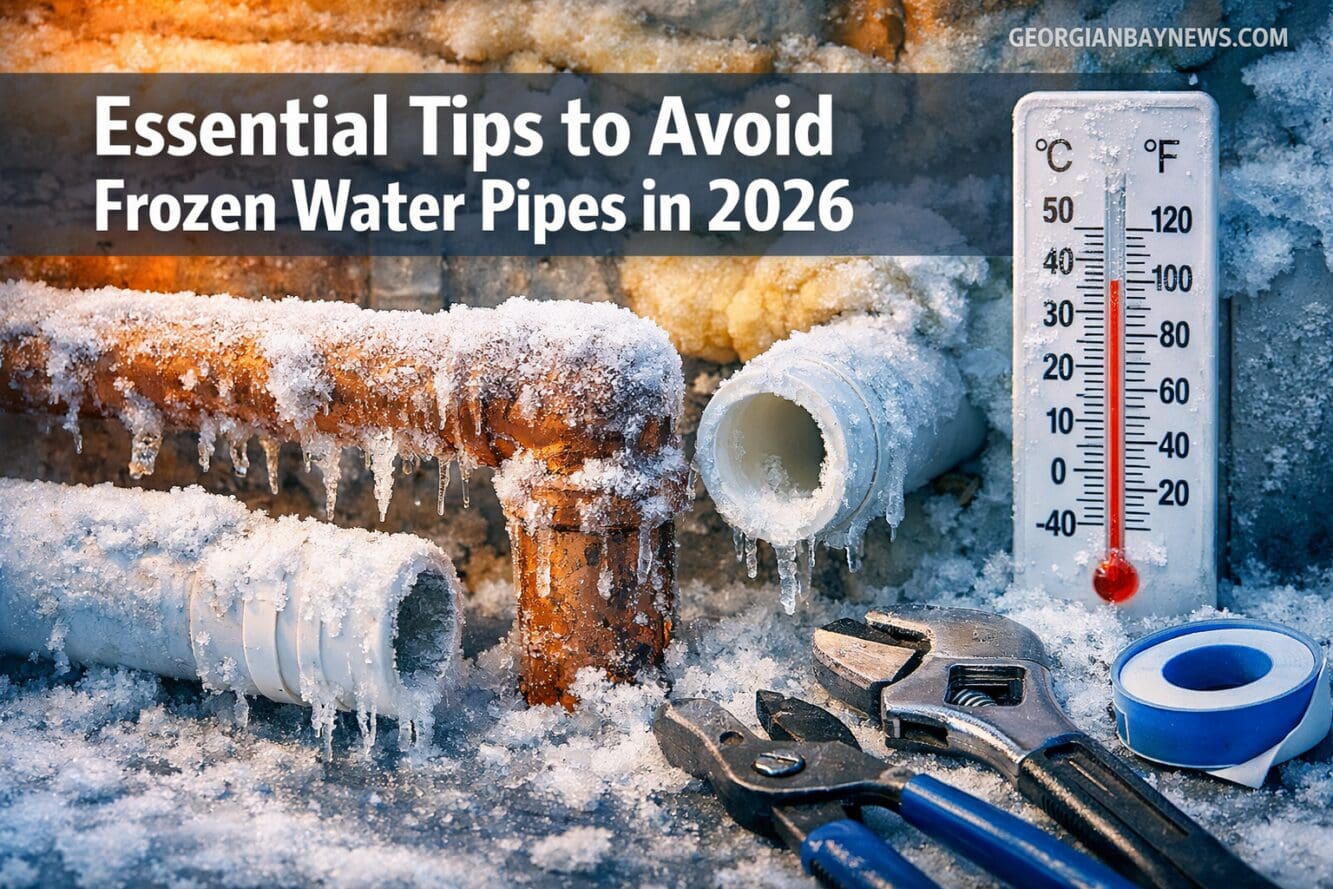
Essential Tips to Avoid Frozen Water Pipes: Your Complete 2026 Guide

Sharing is SO MUCH APPRECIATED!


When Mary Thompson woke up on a frigid January morning in 2025 to find her kitchen sink wouldn’t produce a single drop of water, she knew immediately what had happened. The temperature had plummeted to -20°C overnight, and her Frozen Water Pipes had turned her Tuesday into a nightmare of emergency plumber calls and potential water damage. This scenario plays out thousands of times each winter across North America, but it doesn’t have to happen to you.
Frozen Water Pipes represent one of the most common and costly winter home emergencies, causing billions of dollars in damage annually. When water freezes inside pipes, it expands with tremendous force—enough to burst even the strongest copper or steel piping. The resulting flood can destroy walls, floors, furniture, and precious belongings in minutes. Understanding how to prevent this winter catastrophe is essential for every homeowner, renter, and property manager.
Key Takeaways
- Temperature matters: Pipes are at risk when temperatures drop below -6°C (20°F), especially in unheated spaces
- Insulation is your first defense: Properly insulating vulnerable pipes can prevent 90% of freezing incidents
- Keep water moving: Even a trickle of flowing water helps prevent freezing in extreme cold
- Know your home’s vulnerable spots: Exterior walls, crawl spaces, attics, and garages are high-risk areas
- Emergency preparedness saves money: Having a plan before pipes freeze can prevent thousands in damage
Understanding Why Frozen Water Pipes Happen ❄️
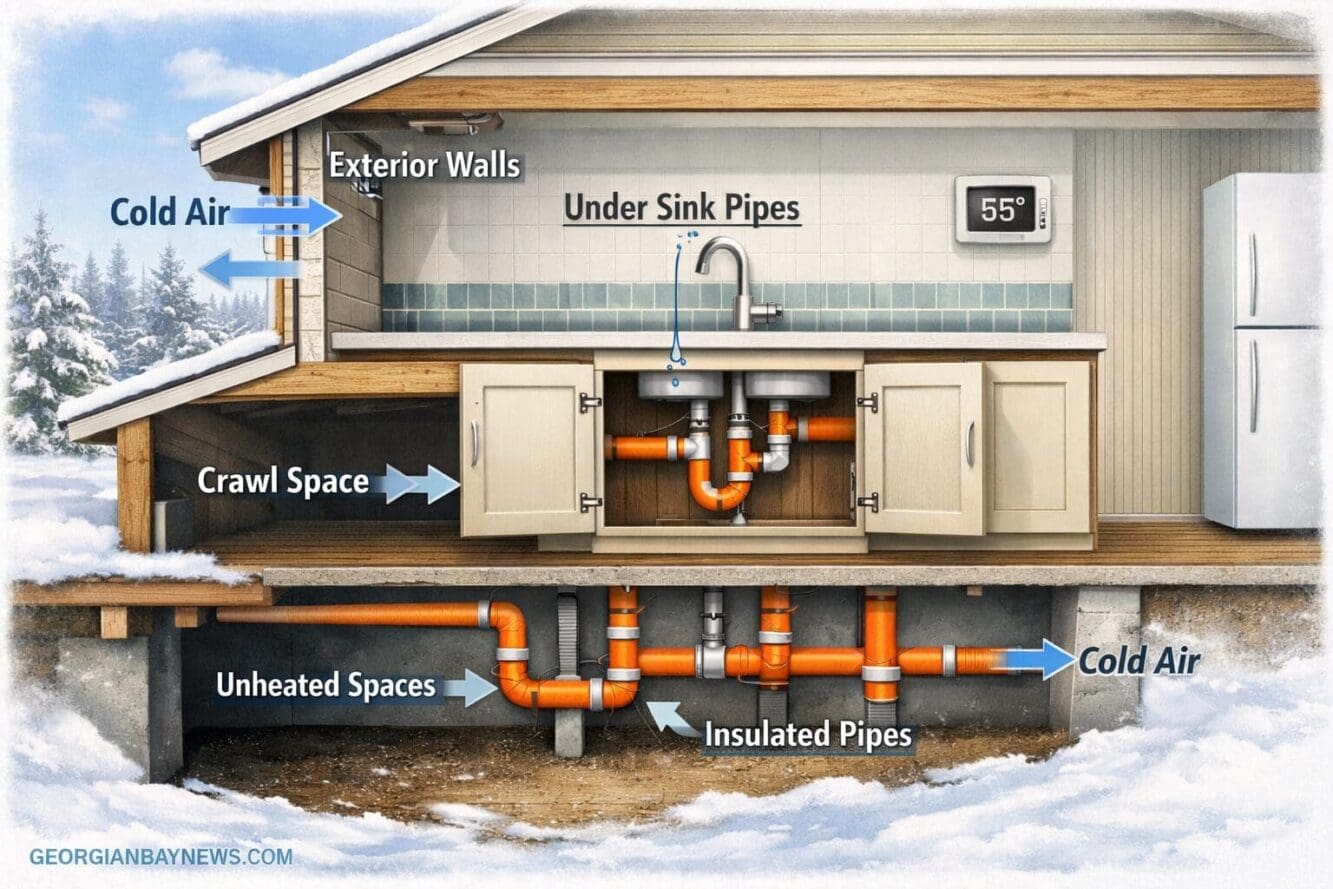
The science behind frozen pipes is straightforward but important to understand. Water expands approximately 9% when it freezes, creating pressure that can exceed 2,000 pounds per square inch inside your plumbing system[1]. This immense force doesn’t necessarily cause pipes to burst at the frozen section—instead, the ice blockage creates pressure buildup between the closed faucet and the ice formation, causing pipes to crack or burst at their weakest points.
High-Risk Areas in Your Home
Not all pipes face equal danger during cold snaps. Certain locations are particularly vulnerable:
| Location | Risk Level | Why It’s Vulnerable |
|---|---|---|
| Exterior walls | Very High | Direct exposure to outside temperatures |
| Unheated basements | High | Lack of warm air circulation |
| Crawl spaces | Very High | Minimal insulation, exposed to ground cold |
| Attics | Medium-High | Often unheated, poor insulation |
| Garages | High | Frequently unheated, exterior doors |
| Outdoor faucets | Very High | Direct exposure to elements |
Just as maintaining your home requires attention to seasonal changes, protecting your plumbing demands proactive winter preparation. Tom Richardson, a master plumber with 30 years of experience in Ontario, recalls: “I’ve seen pipes burst in homes where the thermostat was set to 18°C, simply because the pipes ran through an uninsulated exterior wall. Location matters more than most people realize.”
Prevention Strategies to Protect Against Frozen Water Pipes 🛡️
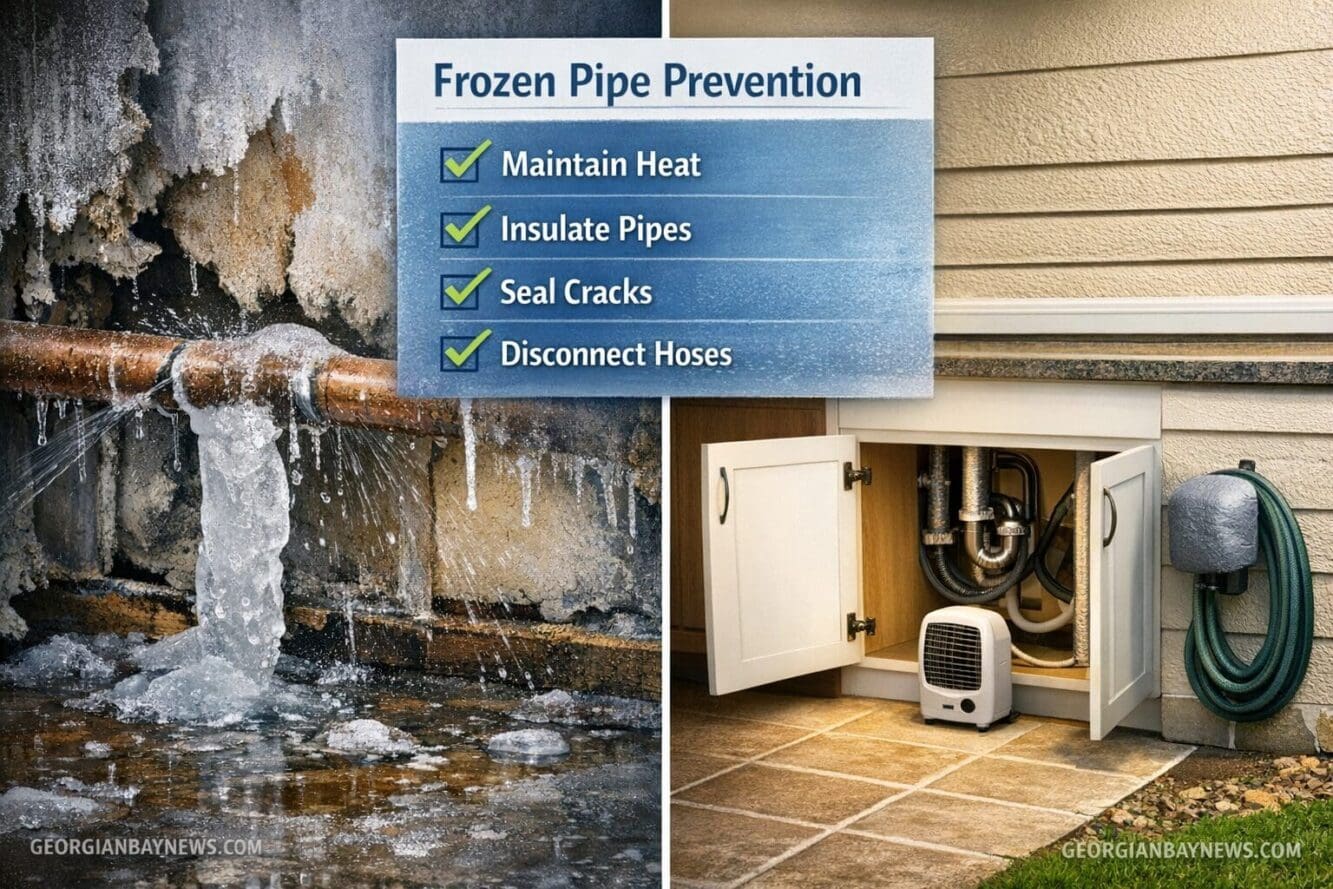
Prevention is infinitely cheaper and less stressful than dealing with burst pipes. Here are the most effective strategies homeowners can implement:
1. Insulate Vulnerable Pipes
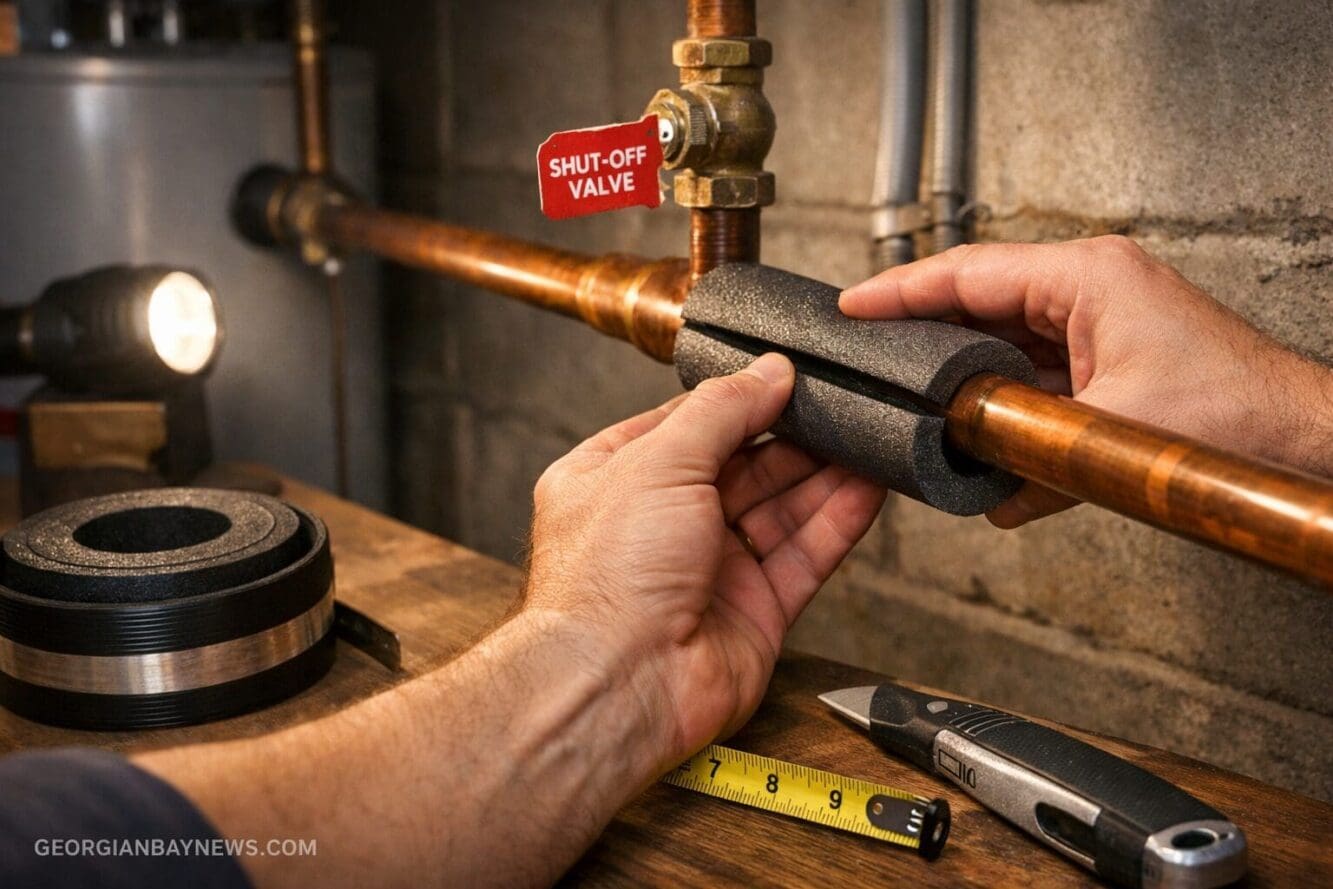
Pipe insulation is your primary defense against freezing. Several options exist:
- Foam pipe sleeves: Inexpensive, easy to install, effective for most situations
- Heat tape or heat cables: Electric heating elements that wrap around pipes
- Fiberglass insulation: Professional-grade protection for severe climates
- Newspaper insulation: Emergency temporary measure (provides some protection)
“An investment of $50-100 in pipe insulation can prevent $5,000-10,000 in water damage. It’s the best return on investment you’ll find in home maintenance.” — Canadian Home Builders Association
2. Seal Air Leaks
Cold air infiltration dramatically increases freezing risk. Inspect and seal:
- Cracks in foundation walls
- Gaps around pipes entering the home
- Holes in exterior walls
- Unsealed rim joists
- Drafty windows near plumbing
3. Maintain Adequate Heat
Even when away from home, maintaining minimum temperatures prevents freezing:
- Never set thermostats below 13°C (55°F) when leaving for extended periods
- Open cabinet doors under sinks to allow warm air circulation
- Keep interior doors open to promote air flow
- Consider a smart thermostat with remote monitoring
Much like the morning habits that improve overall wellbeing, establishing consistent heating practices creates a protective routine for your home.
4. Let Faucets Drip
During extreme cold warnings:
- Allow faucets to drip slightly (a pencil-width stream)
- Focus on faucets served by exposed pipes
- Both hot and cold water should drip if pipes are at risk
- The small water bill increase is negligible compared to repair costs
5. Disconnect and Drain Outdoor Hoses
Before the first freeze:
- Disconnect all garden hoses
- Drain outdoor faucets completely
- Install insulated faucet covers
- Shut off interior valves supplying outdoor faucets
- Open outdoor faucets to drain remaining water
Emergency Response: What to Do When Pipes Freeze 🚨
Despite best efforts, pipes sometimes freeze. Quick action can prevent bursting:
When to Call a Professional
Contact a licensed plumber immediately if:
- You cannot locate the frozen section
- The frozen area is inaccessible
- You suspect pipes have already burst
- You’re uncomfortable attempting thawing yourself
Similar to how stress-relieving practices require proper technique, thawing frozen pipes demands careful, methodical approach to avoid causing additional damage.
Long-Term Solutions for Chronic Freezing Problems 🔧
Some homes face recurring freezing issues requiring permanent solutions:
Rerouting Vulnerable Pipes
Moving pipes from exterior walls to interior locations eliminates the root cause. While expensive ($1,000-5,000 depending on complexity), this provides permanent protection.
Installing Heating Cables
Self-regulating heat cables automatically activate when temperatures drop:
- Professional installation recommended
- Energy-efficient modern options available
- Ideal for problematic sections that can’t be rerouted
- Annual inspection necessary for safety
Improving Home Insulation
Comprehensive insulation upgrades protect both pipes and reduce heating costs:
- Basement and crawl space insulation
- Exterior wall insulation improvements
- Attic insulation upgrades
- Rim joist sealing and insulation
Many Canadian communities offer energy efficiency programs that can offset these improvement costs.
Regional Considerations for Frozen Water Pipes Across North America 🌍
Climate variations across the continent require tailored approaches:
Canadian Considerations
Canadian winters demand robust protection:
- Pipes in unheated areas require heat tape in most provinces
- Building codes mandate minimum insulation standards
- Rural properties with wells need additional pump protection
- Indigenous communities in northern regions face unique challenges requiring specialized solutions
American Regional Differences
Northern States (Minnesota, Wisconsin, Michigan, New York):
- Similar requirements to Canada
- Emphasis on basement and crawl space protection
Southern States (Texas, Oklahoma, Louisiana):
- Homes often lack adequate insulation due to mild typical winters
- Rare cold snaps cause disproportionate damage
- Outdoor faucets and exposed pipes particularly vulnerable
The devastating Texas freeze of 2021 demonstrated how unprepared infrastructure can lead to catastrophic failures, affecting millions and causing billions in damage[2].
Special Considerations for Seniors and Vulnerable Populations 👵👴
Older adults face unique challenges with frozen pipes:
Physical Limitations
- Accessing crawl spaces or attics may be difficult
- Installing insulation requires physical capability
- Emergency response may be slower
Solutions for Seniors
- Arrange professional inspections before winter
- Establish emergency contacts with trusted plumbers
- Consider smart home monitoring systems that alert to temperature drops
- Connect with community programs offering winterization assistance
Just as chair yoga provides accessible exercise options for seniors, community support programs can provide accessible home winterization services.
Community Resources
Many municipalities offer assistance programs:
- Free or low-cost winterization services
- Emergency repair assistance
- Educational workshops on winter preparedness
- Senior-specific support programs
The Financial Impact of Frozen Water Pipes 💰
Understanding the costs motivates prevention:
Average Damage Costs
- Minor freeze (no burst): $200-500 for thawing and inspection
- Single burst pipe: $5,000-10,000 including repairs and water damage
- Major incident (multiple bursts): $20,000-70,000 or more
- Insurance deductibles: Typically $500-2,500
Prevention Costs Comparison
- Pipe insulation: $50-300 DIY, $300-1,000 professional
- Heat cables: $100-500 installed
- Weatherization: $500-2,000 comprehensive
- Smart monitoring: $100-400 for systems
The mathematics clearly favor prevention. As financial advisors often note when discussing budget-conscious living strategies, an ounce of prevention truly equals a pound of cure.
Insurance Considerations
Most homeowner policies cover sudden pipe bursts but may deny claims if:
- Homeowner negligence is evident (unheated home in winter)
- Property was vacant without proper winterization
- Maintenance was clearly neglected
Document your prevention efforts with photos and receipts to support potential claims.
Climate Change and Evolving Freeze Risks 🌡️
Climate patterns are shifting, creating new challenges:
Increased Volatility
- More frequent extreme temperature swings
- Unseasonable cold snaps in typically mild regions
- Longer periods of sustained freezing in northern areas
Adaptation Strategies
- Don’t rely on historical patterns for your region
- Monitor weather forecasts actively during winter months
- Maintain prevention measures even in “mild” winters
- Consider climate projections when planning renovations
Scientists project that while average temperatures may rise, extreme weather events—including sudden deep freezes—will become more common and unpredictable[3].
Technology Solutions for Modern Pipe Protection 📱
Innovation offers new protection tools:
Smart Home Integration
- Temperature sensors in vulnerable areas send smartphone alerts
- Water leak detectors identify problems immediately
- Smart thermostats prevent dangerous temperature drops
- Automated shut-off valves stop water flow when leaks are detected
Monitoring Systems
Professional systems provide:
- 24/7 monitoring of critical areas
- Automatic emergency response
- Integration with home security systems
- Historical data tracking
While these technologies represent additional investment, they provide peace of mind, particularly for vacation properties or during extended absences.
Creating Your Frozen Water Pipes Prevention Checklist ✅
Develop a comprehensive seasonal routine:
Fall Preparation (Before First Freeze)
- Disconnect and drain outdoor hoses
- Install outdoor faucet covers
- Inspect pipe insulation and replace damaged sections
- Seal air leaks around foundation and walls
- Test heating systems
- Locate main water shut-off valve
- Stock emergency supplies (hair dryer, towels, space heater)
- Program emergency plumber numbers into phone
Winter Maintenance (Throughout Cold Season)
- Monitor weather forecasts for extreme cold warnings
- Maintain minimum 13°C temperature when away
- Open cabinet doors during cold snaps
- Allow faucets to drip during extreme cold
- Check vulnerable areas weekly
- Ensure heating systems function properly
Spring Follow-Up
- Inspect for any winter damage
- Test all faucets and fixtures
- Document any issues for repair
- Note problem areas for next season’s prevention
Conclusion: Taking Action Against Frozen Water Pipes
Frozen Water Pipes represent a preventable crisis that affects thousands of North American homes each winter. The combination of proper insulation, adequate heating, strategic water flow, and emergency preparedness creates a robust defense against this costly problem. Whether you’re a homeowner in the Canadian prairies facing -40°C winters, a senior in a Michigan suburb, or a Texas resident preparing for the next unexpected freeze, the principles remain consistent: understand your vulnerabilities, implement layered protections, and respond quickly when problems arise.
The investment in prevention—measured in hundreds of dollars and a few hours of preparation—pales in comparison to the thousands in damage and stress caused by burst pipes. As we move through 2026 and beyond, with increasingly unpredictable weather patterns, proactive protection becomes not just wise but essential.
Your Next Steps
- This week: Conduct a home inspection identifying vulnerable pipe locations
- This month: Install insulation on exposed pipes and seal air leaks
- Before winter: Complete all items on your prevention checklist
- Ongoing: Monitor weather forecasts and adjust protection measures accordingly
Remember Mary Thompson from our opening story? After her frozen pipe incident, she invested $400 in comprehensive pipe insulation and weatherization. Three winters later, despite temperatures regularly dropping below -25°C, she’s never faced another frozen pipe. Her neighbors, however, haven’t been as fortunate.
Don’t wait for a crisis to take action. Protect your home, your belongings, and your peace of mind today. For more helpful tips on maintaining your home and preparing for seasonal challenges, visit Georgian Bay News for comprehensive community resources and expert guidance.
References
[1] Insurance Bureau of Canada. (2025). “Water Damage Claims and Prevention Statistics.” Annual Report on Home Insurance Claims.
[2] National Weather Service. (2021). “February 2021 North American Cold Wave: Impact Assessment.” NOAA Technical Report.
[3] Intergovernmental Panel on Climate Change. (2024). “Climate Change 2024: Extreme Weather Events and Infrastructure Impacts.” IPCC Sixth Assessment Report.
Some content and illustrations on GEORGIANBAYNEWS.COM are created with the assistance of AI tools.
Sharing is SO MUCH APPRECIATED!