




















Last updated: March 21, 2026
Quick Answer
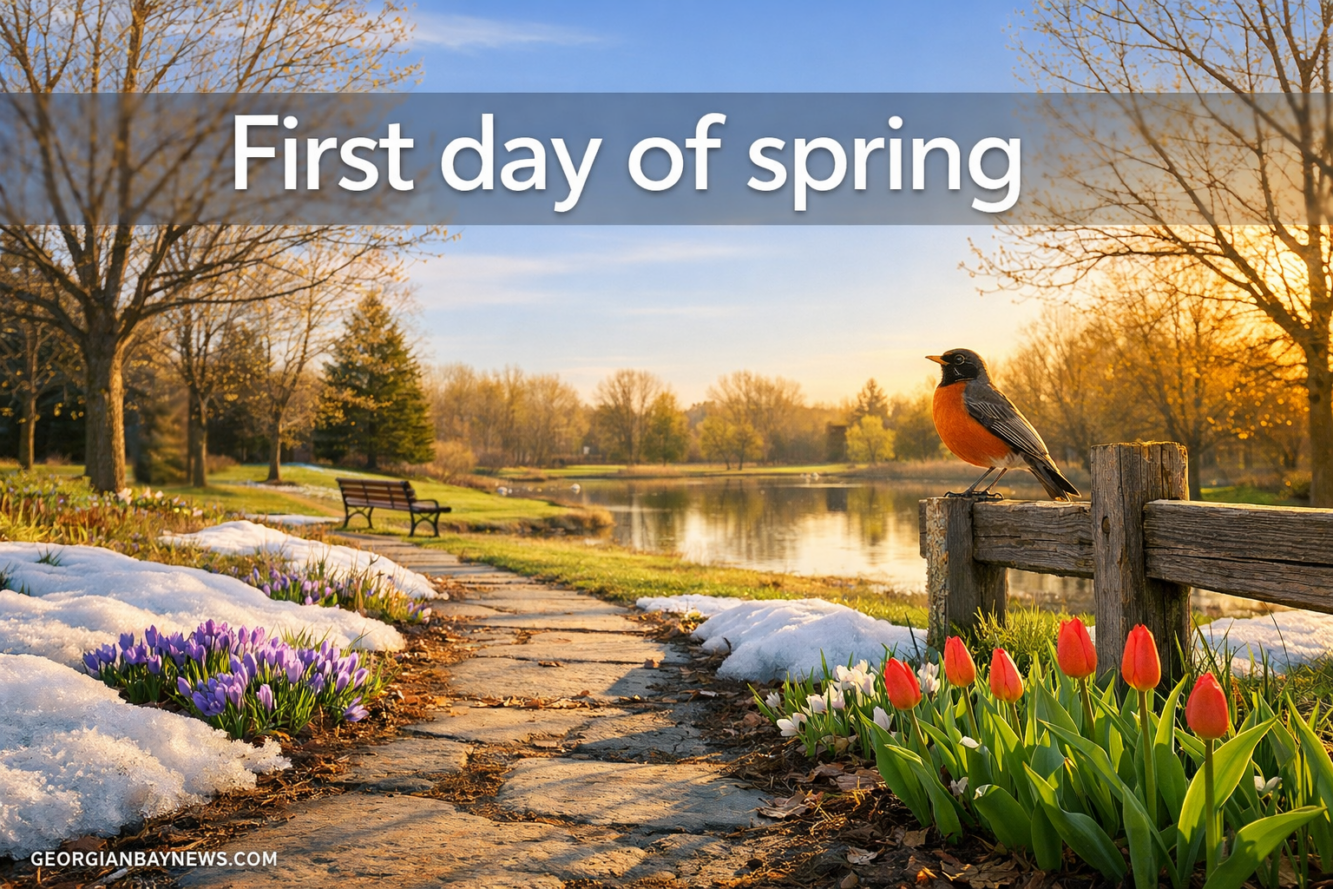
The first day of spring in 2026 arrived on Friday, March 20, 2026, at 14:46 UTC, which was 10:46 a.m. EDT in much of eastern North America [2][4]. If the goal is simple, Let’s Celebrate the first day of spring by noticing longer days, early flowers, and the return of birds across Canada.
The first day of spring is the vernal equinox in the Northern Hemisphere. The vernal equinox happens when the sun crosses the celestial equator, marking the start of astronomical spring [4].
For most readers, there are two useful ways to think about spring:
| Type of spring | Start date in 2026 | Why it matters |
|---|---|---|
| Astronomical spring | March 20 | Based on Earth’s position relative to the sun [2] |
| Meteorological spring | March 1 | Based on three-month temperature seasons [1] |
A common mistake is assuming everyone uses the same spring start date. Weather experts often use meteorological spring, while calendars and seasonal traditions usually point to the equinox.
“Spring begins in two ways: by the calendar in March, and by feeling when the light lasts longer at dinner time.”
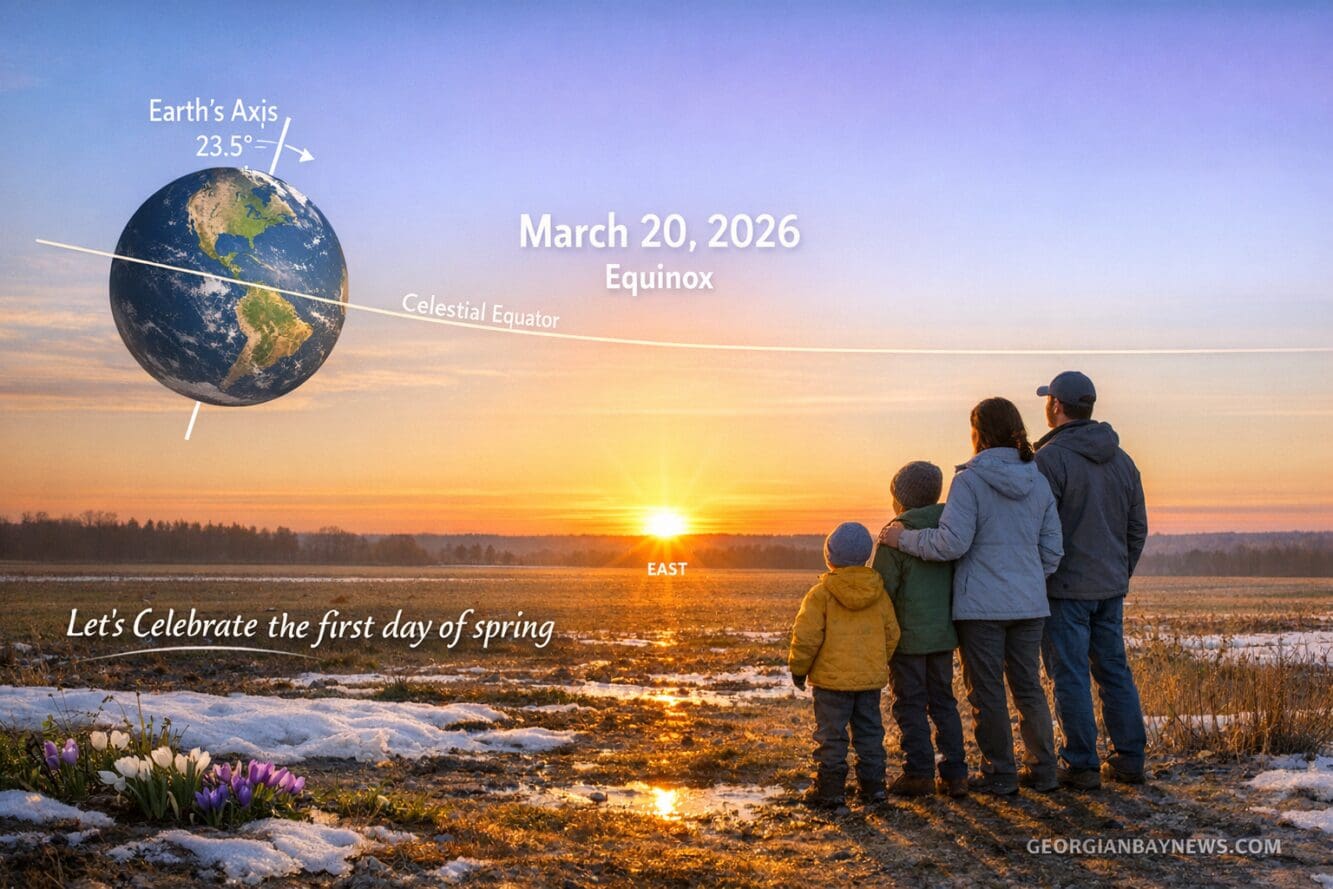
Spring started on March 20, 2026, at 14:46 UTC. In eastern Canada and much of eastern North America, that was 10:46 a.m. EDT [2][4].
That exact timing matters if the question is scientific or calendar-based. For everyday life, the bigger change is practical: sunrise gets earlier, sunset gets later, and evenings feel usable again [1].
Quick example:
The equinox matters because it marks the seasonal turn toward longer, brighter days in the Northern Hemisphere. After March 20, the sun’s direct rays move northward, and daylight continues to increase until the June solstice [3].
A few facts are worth clearing up:
Choose the equinox lens if the goal is astronomy, skywatching, or teaching kids how seasons work. Choose the meteorological lens if the goal is weather, clothing, and garden planning.
Canadians can spot spring through flowers, thawing soil, tree buds, and birds returning north. The exact timing changes by region, but the pattern is familiar from southern British Columbia to Atlantic Canada.
Common early signs include:
Anecdotally, one of the clearest spring moments in Canada is hearing geese overhead before leaves are fully out. Another is seeing a robin on a patch of grass that was snow-covered just days earlier.
If spring yard work is on the list, a natural approach helps local ecosystems. See It’s Time to Ditch the Lawn and Go Natural for ideas that fit the season.
The best way to celebrate with flowers and plants is to start small and choose what suits the local climate. In much of Canada, early spring is better for planning, cleanup, and cool-season planting than for rushing tender summer plants outdoors.
Useful spring choices:
Common mistake: planting warm-weather annuals too early. Choose hardy plants if nights are still cold.
For local outdoor inspiration, readers may also enjoy the new beginner cycle pump track coming to Old Village Legion Park or spring community updates such as Celebrate May Is Museum Month in Collingwood.
Birdwatching is one of the easiest and most joyful spring traditions in Canada. Returning birds often signal the season before gardens fully wake up.
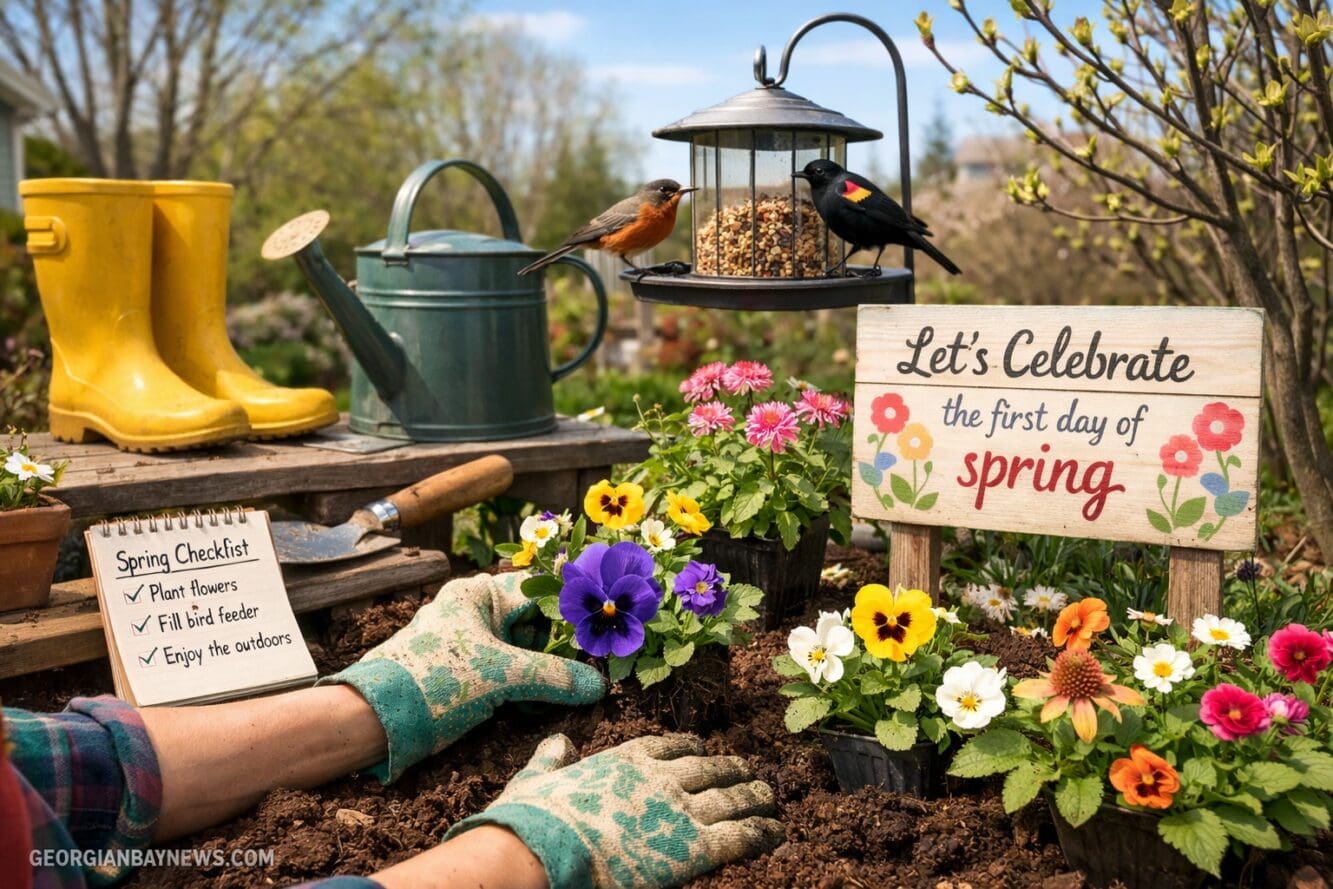
Bird-friendly ways to celebrate:
Choose birdwatching if the goal is a low-cost family activity. It works for apartment dwellers, suburban households, and rural communities.
A quick edge case: some species return earlier in southern Canada than in northern regions. Local weather still decides the pace.
The first day of spring can be meaningful without costing much. The best low-cost celebrations use daylight, fresh air, and simple rituals.
Ideas that work for most households:
If community events are part of spring plans, local culture can make the season feel bigger. Readers looking ahead may like Collingwood Festival for Canada or summer music listings like Collingwood Live original summer concert series.
For a calm seasonal reset, spring also pairs well with finding peace through breathing.
People should avoid treating the first warm day as proof that winter is fully gone. In Canada, spring often includes frost, wind, slush, and fast weather swings.
Watch for these common mistakes:
Decision rule: choose patience if overnight temperatures still dip near freezing. Spring rewards steady action more than rushed action.
No. The equinox can fall on March 19, 20, or 21 depending on the year and time zone [2].
Astronomical spring began at 14:46 UTC on March 20, 2026, which was 10:46 a.m. EDT [2][4].
No. Daylight is usually a little longer than 12 hours because of refraction and the sun’s apparent size [2][3].
Meteorological spring is the weather-based season from March 1 to May 31 [1].
The increase in daylight is strongest around the spring equinox, then slows as summer approaches [2].
Common early returnees include robins, geese, grackles, and red-winged blackbirds, though timing varies by region.
Crocuses, snowdrops, daffodils, and early tulips are common first blooms in many Canadian areas.
A nature walk, seed planting, or birdwatching session is simple, educational, and low-cost.
The first day of spring is both a calendar moment and a felt change in daily life. In 2026, that moment arrived on March 20, but the real celebration is in the details: brighter evenings, flowers pushing through cold soil, and birds returning to Canada.
Next steps are simple:
If the season feels long-awaited, that’s because it is. So yes, Let’s Celebrate the first day of spring by stepping outside and noticing what has returned.
[1] Spring Equinox 2026 – https://www.livenowfox.com/news/spring-equinox-2026
[2] Spring Equinox – https://www.timeanddate.com/calendar/spring-equinox.html
[3] Spring Equinox First Day Spring – https://www.farmersalmanac.com/spring-equinox-first-day-spring
[4] Everything You Need To Know Vernal Or Spring Equinox – https://earthsky.org/astronomy-essentials/everything-you-need-to-know-vernal-or-spring-equinox/
Content, illustrations, and third-party video appearing on GEORGIANBAYNEWS.COM may be generated or curated with AI assistance or reproduced pursuant to the fair dealing provisions of the Copyright Act, R.S.C. 1985, c. C-42. Attribution and hyperlinks to original sources are provided in acknowledgment of applicable intellectual property rights. Such referencing is intended to direct traffic to and support the original rights holders’ platforms.