



















Major Blue Jays Injury Updates: Jose Berrios | Return Timelines Explained

Last updated: May 21, 2026
Quick Answer: The Toronto Blue Jays are managing significant injury concerns in 2026, with starting pitcher Jose Berrios dealing with an arm issue.
Key Takeaways 🔑
- Jose Berrios is dealing with an arm-related injury that places his rotation spot in question for several weeks.
- George Springer’s leg injury is the most lineup-disruptive absence, given his role as a top-of-order bat and center field anchor.
- Trey Savage, a pitching prospect, faces a timeline that could affect whether he contributes at the MLB level in 2026 at all.
- The Blue Jays’ rotation and lineup depth are being tested simultaneously, which compounds the competitive risk.
- Toronto’s front office is leaning on internal options and Triple-A Buffalo roster depth to fill gaps.
- These absences are currently classified as short-to-medium term, not career-altering, based on available reporting.
- The playoff implications are real: Toronto needs contributions from all three players to stay competitive in the AL East.
- Financial contract obligations for Berrios and Springer remain active regardless of playing time.
How Serious Are Jose Berrios’s Injuries in 2026?
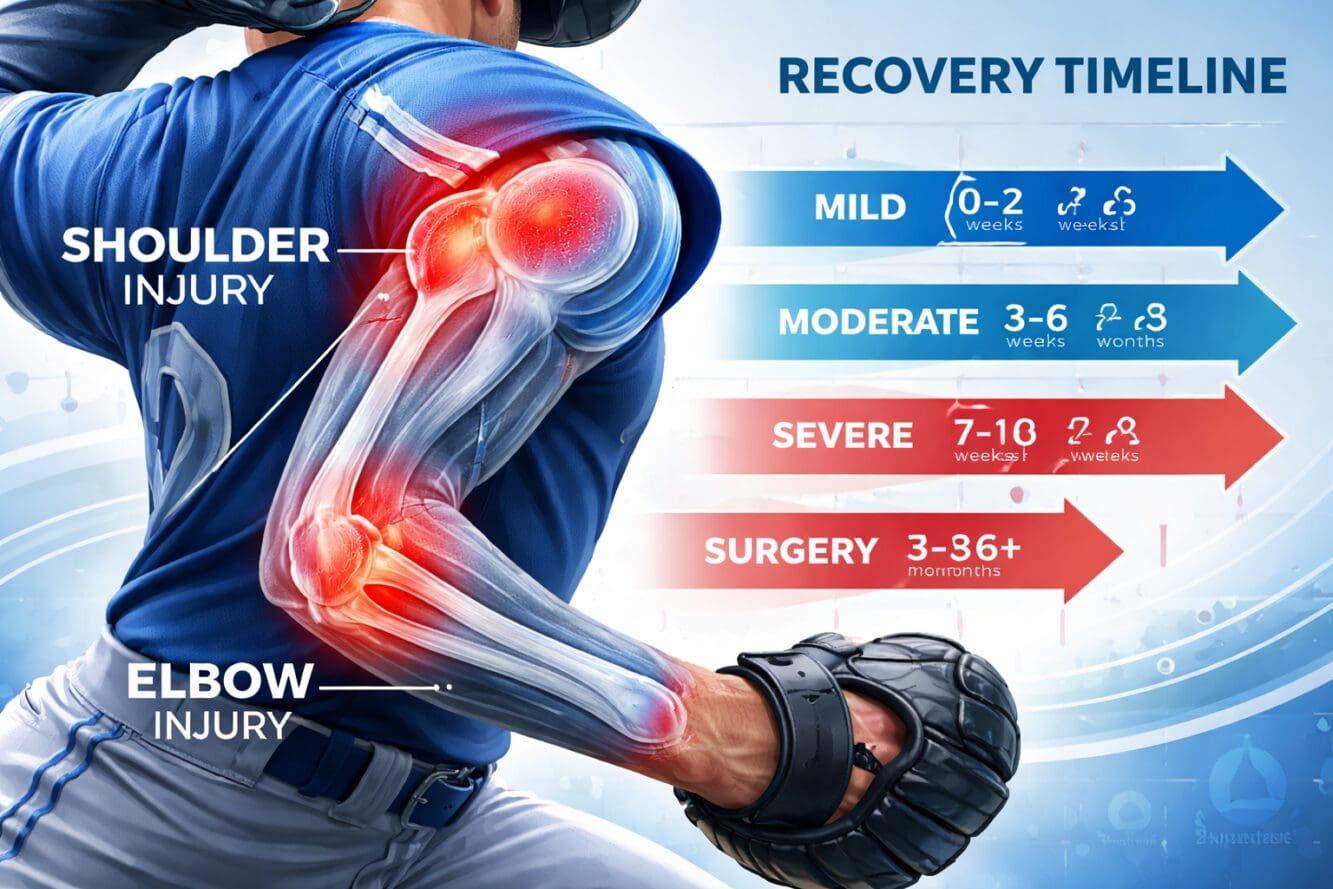
Berrios is dealing with an arm issue that has placed him on the injured list and temporarily removed him from Toronto’s starting rotation. Based on the nature of arm injuries in MLB pitchers, the severity ranges widely depending on whether the issue is muscular (shorter recovery) or structural, such as involving the elbow ligament or shoulder labrum (longer recovery, potentially requiring surgery).
What makes Berrios’s situation particularly significant:
- He is Toronto’s most experienced and highest-paid starting pitcher, signed through a long-term deal.
- Pitchers in their early-to-mid 30s with arm injuries carry a slightly elevated re-injury risk.
- The Blue Jays have not publicly confirmed a structural diagnosis, which is actually an encouraging sign — teams tend to announce surgeries quickly.
“When a team stays quiet on the structural details, it usually means they’re managing inflammation or soft tissue strain, not ligament damage.” — General MLB medical reporting pattern
Estimated recovery window: If the injury is muscular or inflammation-based, a return in 4–6 weeks is realistic. A structural issue could push that to 3–6 months or longer.
What Happened to Trey Savage and What Is His Current Injury Status?

Trey Savage is a pitching prospect in the Blue Jays system who has been sidelined by an injury that disrupts his development arc. Savage was considered one of the more intriguing arms in Toronto’s pipeline heading into 2026, making his setback a double loss: the team loses a potential MLB contributor and a key piece of their long-term rotation planning.
Key facts about Savage’s situation:
- His injury is being managed at the minor league level, meaning he was not yet on the MLB roster when the issue arose.
- Prospect pitchers who suffer arm injuries face longer developmental delays because they also lose critical innings needed to refine their craft.
- Toronto’s medical staff is monitoring his progress closely before any activation or assignment decision is made.
Choose this framing if you’re assessing Savage’s impact: If you’re a fantasy baseball player or a fan focused on 2026 playoff odds, Savage’s absence matters less than Berrios or Springer. If you’re evaluating Toronto’s 2027–2028 outlook, Savage’s health is arguably the most important long-term variable of the three.
When Will George Springer Be Back in the Lineup?
George Springer’s return timeline is tied to a leg injury, which typically carries a more predictable recovery window than arm injuries. Leg injuries in outfielders, whether hamstring strains, quad issues, or knee inflammation, generally resolve in 2–6 weeks when managed conservatively.
Springer’s role makes this absence particularly disruptive:
- He bats near the top of Toronto’s order and provides consistent on-base presence.
- His center field defense is above average for his age group, and replacing that range with a lesser defender affects the entire pitching staff.
- Springer has a documented history of injury-related IL stints, which means Toronto’s medical team likely has a well-established protocol for managing his recovery.
Estimated return window: A conservative 3–5 week timeline is reasonable for a leg injury of this type, assuming no setbacks during baseball activity (running, tracking fly balls, explosive movements).
What’s the Typical Recovery Timeline for Baseball Pitchers Like Berrios?
Recovery timelines for MLB starting pitchers vary significantly based on injury type. Here’s a general framework based on widely reported MLB injury patterns:
Injury TypeTypical Recovery TimelineSurgery Required?Muscle strain (Grade 1)2–4 weeksNoMuscle strain (Grade 2)4–8 weeksRarelyForearm flexor strain6–10 weeksSometimesUCL sprain (partial)6–12 weeksSometimes (PRP/stem cell)Tommy John surgery12–18 monthsYesShoulder labrum repair9–12 monthsYes
For a pitcher of Berrios’s profile, teams typically follow a structured throwing program: flat-ground work, bullpen sessions, simulated games, then a rehab assignment in the minors before activation. That progression alone takes a minimum of 3–4 weeks even after the initial injury heals.
How Are These Injuries Impacting Blue Jays Team Performance?
Losing Berrios and Springer simultaneously creates a compounding effect on Toronto’s win probability. The Blue Jays are dealing with two of their most important players being unavailable at the same time, which strains both the rotation and the lineup in ways that individual replacements can’t fully offset.
Specific performance impacts:
- Rotation ERA likely rises without Berrios anchoring his turns, as replacement-level starters tend to allow more baserunners and work shorter outings, taxing the bullpen.
- Lineup OPS drops without Springer, particularly in high-leverage situations where his experience and on-base skills are most valuable.
- Bullpen workload increases when the rotation is depleted, which raises injury risk for relievers over a long stretch.
The sports desk coverage landscape has changed significantly in 2026, but local Blue Jays beat reporters continue tracking these developments closely for fans in the Southern Georgian Bay region and across Ontario.
Which Players Are Replacing Berrios and Springer While They’re Out?
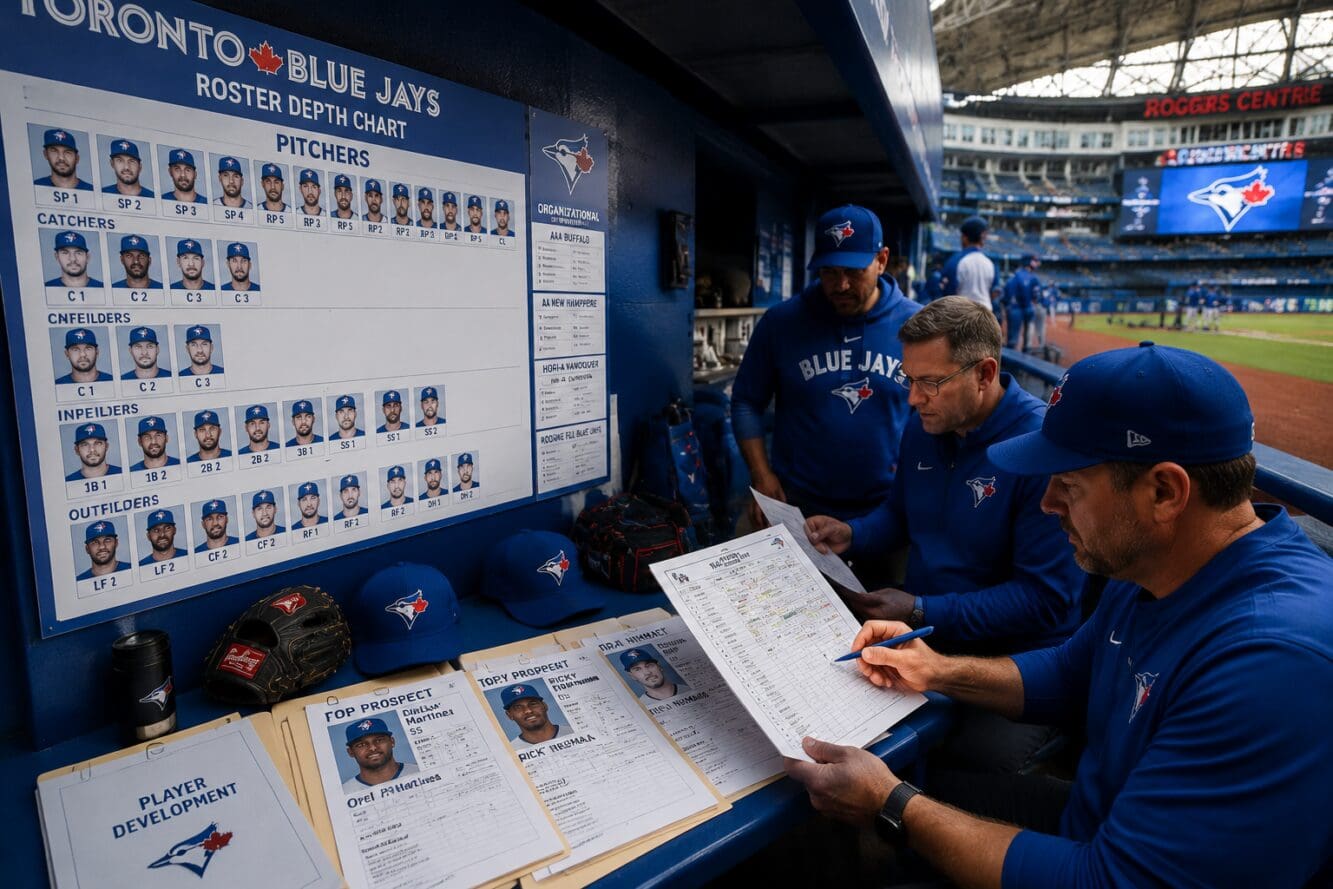
Toronto is using a combination of roster depth and Triple-A Buffalo options to cover both absences. For the rotation, the Blue Jays are expected to use a combination of an internal starter already on the 40-man roster and potentially a bullpen game approach on Berrios’s turns.
Likely replacement options:
- Rotation: A back-end starter from the 40-man roster steps into Berrios’s slot. Expect higher pitch counts from the bullpen on those days.
- Outfield/Lineup: A platoon approach in center field using two roster players who split Springer’s at-bats and defensive innings.
- Bench depth: The Blue Jays may carry an extra pitcher temporarily, compressing the bench and limiting pinch-hit options.
Are These Injuries Long-Term or Short-Term for the Blue Jays?
Based on available information, all three injuries are currently classified as short-to-medium term. None of the three players has been announced for season-ending surgery, which is the clearest indicator of long-term status.
Short-term (under 6 weeks): Springer’s leg injury and a best-case Berrios scenario.
Medium-term (6–12 weeks): A more serious Berrios arm issue or a Savage setback with complications.
Long-term risk: Only emerges if a player suffers a setback during rehab or a structural issue is discovered during imaging.
The solutions-focused coverage from sports analysts suggests Toronto’s front office has contingency plans in place for all three scenarios.
How Will These Player Absences Affect Blue Jays Playoff Chances?

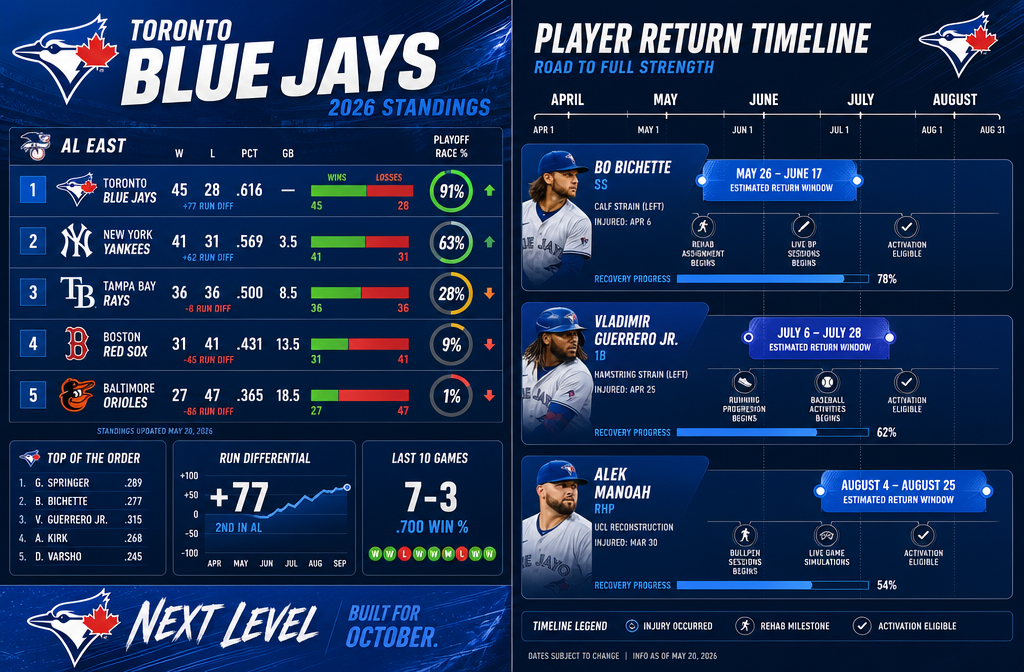
Toronto’s playoff odds in 2026 are directly tied to how quickly Berrios and Springer return. The AL East is one of the most competitive divisions in baseball, and a 4–6 week stretch without two core contributors can mean the difference between a wild card position and sitting outside the playoff picture entirely.
Key variables that determine playoff impact:
- If both players return by late June or early July, Toronto has enough season remaining to recover lost ground.
- If either absence extends past the All-Star break, the front office faces a trade deadline decision about whether to buy or sell.
- Trey Savage’s absence affects the 2027 outlook more than the 2026 postseason race.
The stakeholders in Toronto’s baseball operation, from ownership to the coaching staff, are monitoring these timelines weekly.
Which Blue Jays Prospects Might Get Called Up to Fill Roster Gaps?
Toronto’s Triple-A affiliate in Buffalo is the primary source for call-ups. When a starting pitcher goes on the IL, the Blue Jays typically promote either a starter who can eat innings or a reliever who provides a specific matchup advantage.
Prospect call-up criteria Toronto typically uses:
- Player must be on the 40-man roster or have space created by a corresponding move.
- Service time implications are considered (teams avoid burning a year of team control unnecessarily).
- The player’s recent performance at Triple-A must justify the promotion.
For position player depth behind Springer, Toronto would look to outfield options already on the 40-man who have MLB experience and can handle center field in a pinch.
How Are the Blue Jays Managing Their Roster and What Are the Financial Implications?
The Blue Jays’ roster management during this injury stretch involves daily decisions about the 26-man active roster, the 10-day and 60-day IL designations, and the 40-man roster structure. Players on the IL still receive their full salaries, which means Toronto is paying for production they aren’t receiving.
Financial context:
- Jose Berrios is on one of the larger pitching contracts in Blue Jays history. His IL time represents significant dollars paid for zero innings.
- George Springer’s contract also carries substantial annual value. Leg injuries at his age raise questions about long-term durability, though no such concern has been officially raised for this specific incident.
- Trey Savage, as a prospect, carries minimal financial cost but significant developmental value.
Teams in this situation sometimes explore the trade market for rotation depth, though mid-season starter trades are expensive in prospect capital. For fans following sports betting markets, these injury updates directly affect Blue Jays win totals and playoff odds lines.
FAQ: Blue Jays Injury Updates 2026
Q: Is Jose Berrios expected to need surgery?
No surgery has been announced as of May 2026. The absence of a surgical announcement suggests the team is managing an inflammation or soft tissue issue conservatively.
Q: How long has George Springer been out?
Springer was placed on the IL in May 2026. His return timeline is estimated at 3–5 weeks, assuming no setbacks during baseball activities.
Q: Will Trey Savage pitch in the majors in 2026?
That depends on the severity of his injury and his recovery progress. If he returns to health by mid-summer, a late-season call-up is possible but not guaranteed.
Q: Does losing Berrios change Toronto’s rotation order?
Yes. Without Berrios, Toronto’s rotation loses its most experienced arm, and the remaining starters shift up in the order, increasing workload on the second and third starters.
Q: Are the Blue Jays buyers or sellers at the trade deadline?
As of May 2026, Toronto is still in a competitive window. If these injuries resolve by July, the team is more likely to be buyers. Extended absences could shift that calculus.
Q: How does Springer’s injury history affect his current timeline?
Springer has dealt with leg injuries in previous seasons, which means Toronto’s medical staff has established protocols. However, repeat injuries to the same area can sometimes take longer to fully resolve.
Q: Can the Blue Jays compete in the AL East without these three players?
Short-term, yes, but it requires the rest of the roster to perform above expectations. A stretch of 4–6 weeks without Berrios and Springer is manageable; anything longer creates serious playoff risk.
Q: What is a rehab assignment and when will these players get one?
A rehab assignment is when an injured MLB player plays games at a minor league affiliate to rebuild game readiness before returning to the active roster. Berrios would likely need 2–3 rehab starts; Springer would need several games to test his leg under game conditions.
Conclusion: What Blue Jays Fans Should Watch For
The Major Blue Jays Injury Updates covering Jose Berrios, Trey Savage and George Springer return timelines paint a picture of a team managing real but not catastrophic setbacks in 2026. The key dates to track are the 10-day IL windows for Berrios and Springer, any imaging updates that clarify the structural status of Berrios’s arm, and Savage’s assignment activity in the minors.
Actionable steps for fans and analysts:
- Monitor the Blue Jays’ official transaction wire daily for IL placements, activations, and 40-man roster moves.
- Watch Berrios’s bullpen sessions once reported, as those are the clearest signal that a return is 2–3 weeks away.
- Track Springer’s running and fielding drills during batting practice, which teams often allow media to observe before a rehab assignment is announced.
- Follow Buffalo Bisons box scores for signs of Savage’s return to the mound or any Blue Jays rehab assignment activity.
- Revisit playoff odds lines around the All-Star break, when the full picture of Toronto’s injury recovery will be clearest.
Toronto’s front office has navigated injury-heavy seasons before. How quickly Berrios and Springer return, and how the supporting cast performs in the interim, will define whether 2026 is a playoff year or a rebuilding inflection point. For Blue Jays fans in Springwater Township and across Southern Georgian Bay communities, staying current on these updates is the best way to understand what’s really happening with this team.
Content, illustrations, and third-party video appearing on GEORGIANBAYNEWS.COM may be generated or curated with AI assistance or reproduced pursuant to the fair dealing provisions of the Copyright Act, R.S.C. 1985, c. C-42. Attribution and hyperlinks to original sources are provided in acknowledgment of applicable intellectual property rights. Such referencing is intended to direct traffic to and support the original rights holders’ platforms.
Much Appreciate You Sharing This Post - It Helps MUCH!!!