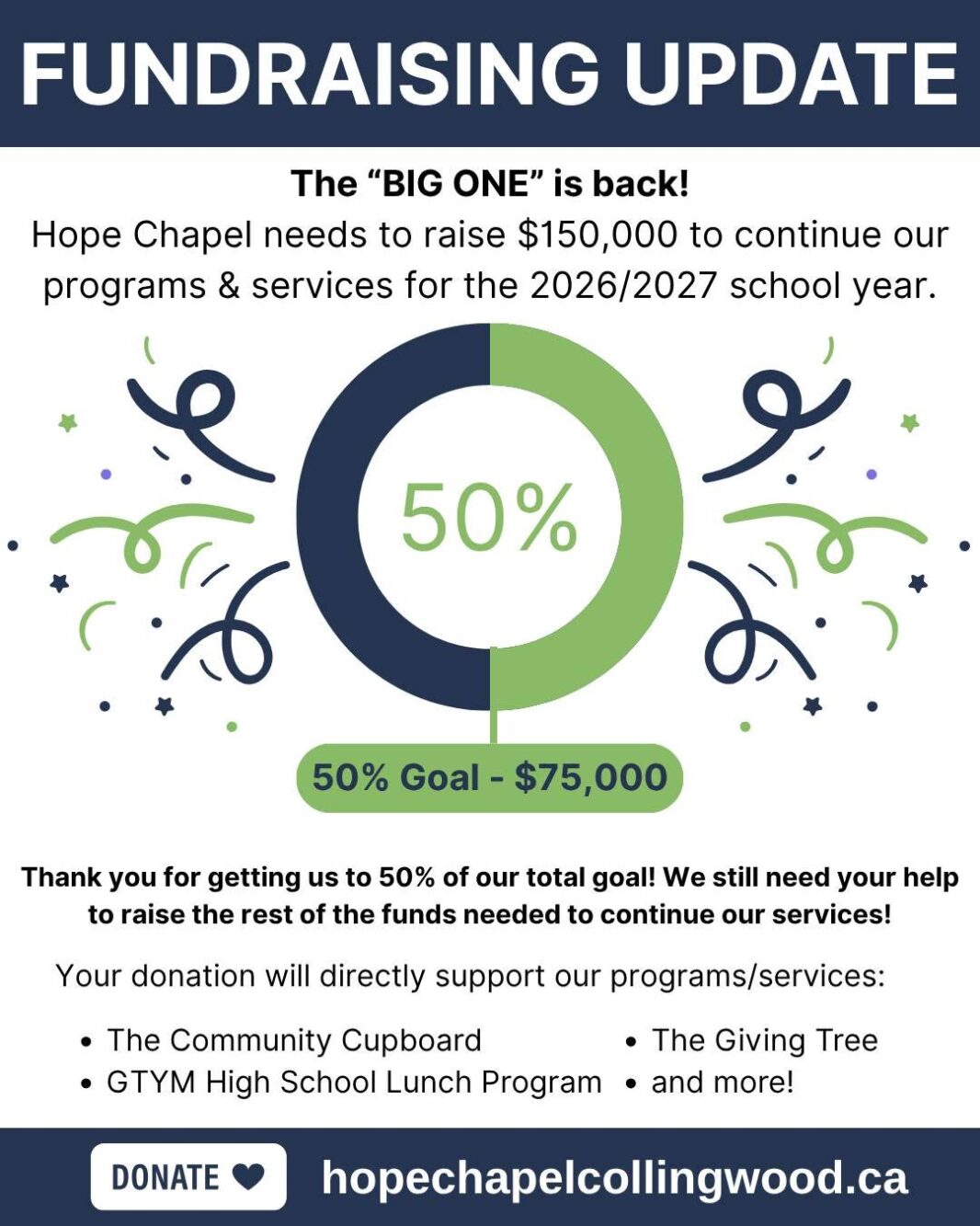






















From Olympic Dreams to International Manhunt: The Ryan Wedding Arrest That Shocked Two Nations

Sharing is SO MUCH APPRECIATED!


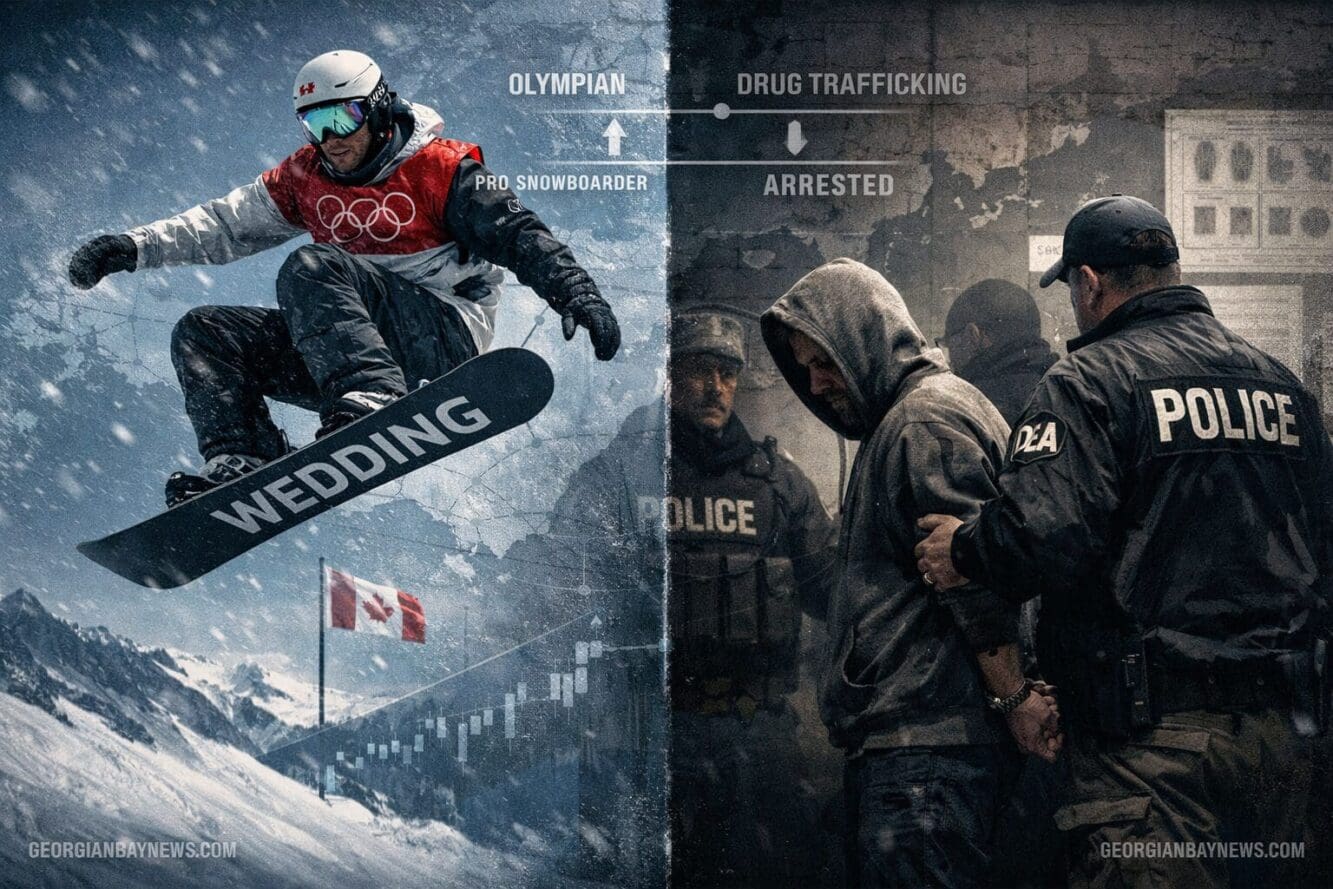
The story reads like a Hollywood thriller: an Olympic athlete trades the glory of competitive snowboarding for the dark underworld of international drug trafficking. But this isn’t fiction—the Ryan Wedding arrest in 2026 has exposed one of the most shocking falls from grace in sports history. When Mexican authorities apprehended the former Canadian Olympian, they didn’t just capture a fugitive; they allegedly dismantled the head of a violent criminal organization responsible for moving massive quantities of cocaine across North America.
The Ryan Wedding arrest serves as a stark reminder that fame and athletic achievement don’t guarantee a life of integrity. For communities across Canada and the United States, this case raises troubling questions about how an Olympic representative could allegedly become involved in such serious criminal activity.
Key Takeaways
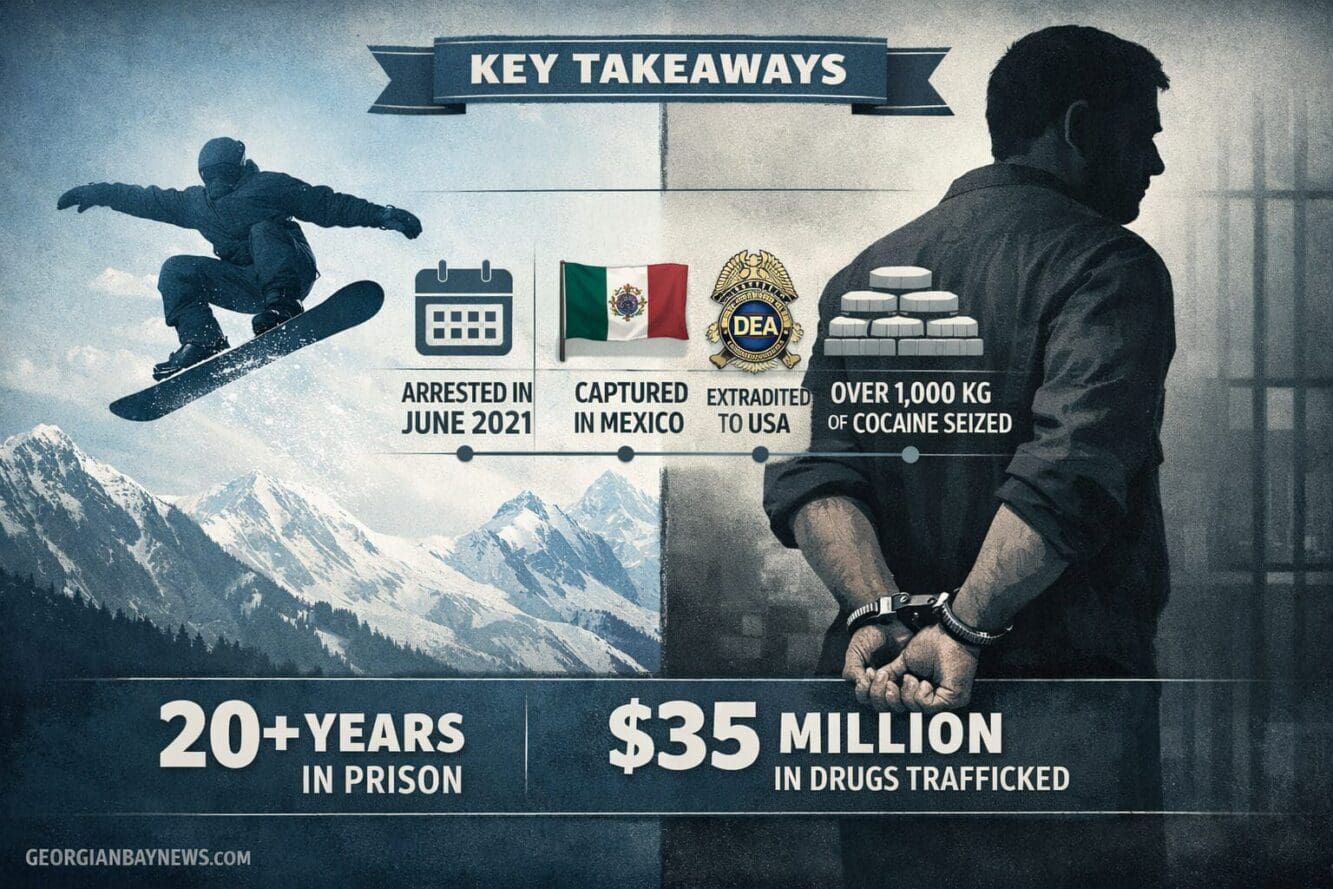
- 🏂 Ryan Wedding, a former Olympic snowboarder who represented Canada at the 2002 Salt Lake City Winter Games, was arrested in Mexico in 2026 on charges related to running an alleged violent drug trafficking organization
- 💊 Wedding allegedly led a criminal enterprise responsible for trafficking massive quantities of cocaine from Mexico through the United States and into Canada
- ⚖️ The arrest involved international cooperation between Mexican authorities, the FBI, DEA, and Canadian law enforcement agencies
- 🔫 The organization Wedding allegedly led was connected to violent crimes including murders tied to the drug trade
- 📉 This case represents one of the most dramatic falls from Olympic glory to criminal prosecution in recent sports history
Who Is Ryan Wedding? From Olympic Snowboarder to Alleged Drug Lord
The Olympic Glory Years
Ryan James Wedding was once a name associated with Canadian pride and athletic excellence. Born in Thunder Bay, Ontario, Wedding pursued snowboarding with the dedication that defines Olympic athletes. His hard work paid off when he earned a spot on Canada’s Olympic team for the 2002 Winter Games in Salt Lake City, Utah.
While Wedding didn’t medal at those Games, simply competing at the Olympic level represented the pinnacle of achievement in his sport. He was living a dream that millions of young athletes aspire to but few ever realize. The discipline, focus, and determination required to reach the Olympics suggested a bright future ahead.
For young Canadians watching those Games, Wedding represented possibility—proof that with enough dedication, extraordinary goals could be achieved. Little did anyone know that within two decades, his name would become associated with an entirely different kind of international operation.
The Mysterious Transition
The years following Wedding’s Olympic appearance remain somewhat murky. Unlike many former Olympians who transition into coaching, sports commentary, or business ventures related to their athletic expertise, Wedding’s path took a dramatically different turn.
According to law enforcement officials, somewhere along the way, Wedding allegedly became involved in criminal enterprises. The transition from elite athlete to alleged drug trafficker raises profound questions about what factors might lead someone down such a destructive path. Understanding the psychology of major life transitions can provide insight into how people make choices that fundamentally alter their life trajectory.
The Ryan Wedding Arrest: Breaking Down the 2026 Capture
International Cooperation Leads to Apprehension
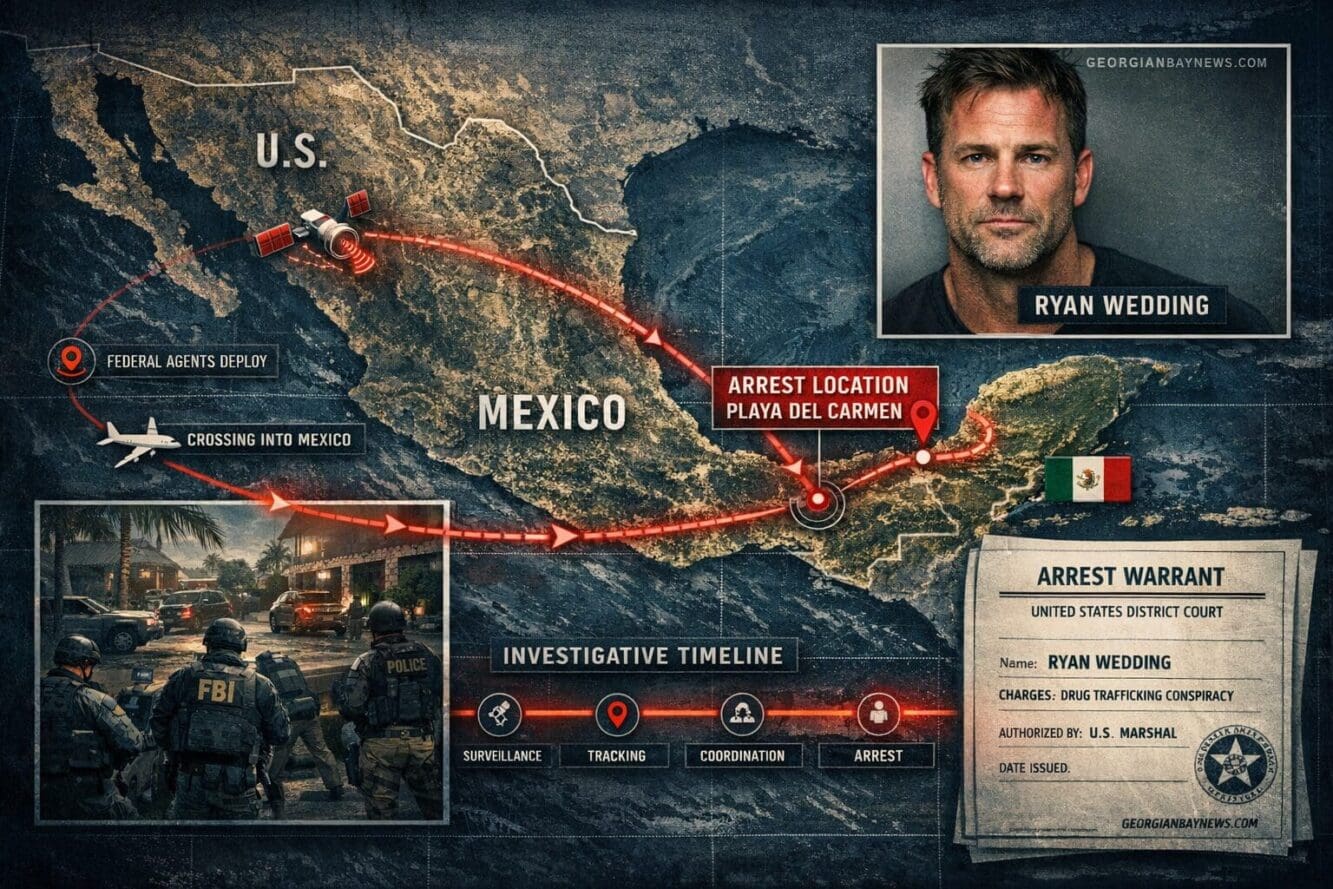
The Ryan Wedding arrest in Mexico represented the culmination of a complex, multi-year international investigation. According to reports, Wedding had been on the run and living as a fugitive when Mexican authorities, working in coordination with U.S. and Canadian law enforcement agencies, finally located and apprehended him.
The arrest wasn’t a simple matter of local police picking up a suspect. It required:
- Intelligence sharing between multiple countries
- Surveillance operations tracking Wedding’s movements
- Diplomatic coordination to ensure proper jurisdiction and extradition protocols
- Tactical planning to safely apprehend a potentially dangerous suspect
This level of international cooperation demonstrates how seriously authorities took the alleged threat Wedding posed. When law enforcement agencies from multiple nations dedicate resources to capturing one individual, it signals the severity of the alleged crimes.
The Charges: What Wedding Allegedly Did
While specific details of the charges may vary as the case proceeds through the legal system, reports indicate that Wedding faces serious allegations including:
Drug Trafficking Charges:
- Allegedly leading a criminal organization that moved large quantities of cocaine
- Coordinating shipments from Mexico through the United States to Canada
- Operating a sophisticated distribution network spanning multiple jurisdictions
Violence-Related Charges:
- Connections to murders allegedly committed by or on behalf of the organization
- Operating what authorities describe as a “violent” criminal enterprise
- Potential charges related to weapons and organized crime statutes
Financial Crimes:
- Money laundering allegations related to drug proceeds
- Operating criminal enterprises across international borders
The scope of these allegations paints a picture of an operation far beyond small-time criminal activity. If the charges are proven, Wedding allegedly ran an organization that caused significant harm to communities across North America.
The Human Cost of Drug Trafficking
Beyond the legal charges, the Ryan Wedding arrest highlights the devastating human impact of drug trafficking. Every kilogram of cocaine that allegedly moved through Wedding’s organization represented:
- Addiction and destroyed lives in communities where the drugs were sold
- Violence associated with drug distribution and territorial disputes
- Families torn apart by substance abuse and incarceration
- Economic costs to healthcare systems and law enforcement
For communities struggling with the opioid crisis and drug-related crime, this arrest may feel like a small victory in a much larger battle. Yet it also serves as a reminder of how organized criminal networks fuel the drug trade that devastates neighborhoods.
The Investigation: How Authorities Built Their Case
Multi-Agency Task Forces
The investigation that led to the Ryan Wedding arrest likely involved years of painstaking work by dedicated law enforcement professionals. Modern drug trafficking investigations typically employ:
Surveillance Techniques:
- Physical surveillance of suspects and locations
- Electronic monitoring (with proper warrants)
- Financial tracking to follow money trails
- Informant networks providing insider information
International Cooperation:
- Information sharing through INTERPOL and bilateral agreements
- Joint task forces combining expertise from multiple agencies
- Coordination on timing and jurisdiction for arrests
Evidence Gathering:
- Intercepted communications
- Financial records documenting transactions
- Physical evidence from seized shipments
- Witness testimony from cooperating individuals
Building a case against an alleged international drug trafficking organization requires extraordinary patience and attention to detail. Prosecutors need evidence that will stand up in court and prove guilt beyond a reasonable doubt.
The Role of Technology in Modern Investigations
Today’s law enforcement agencies have access to sophisticated tools that didn’t exist when Wedding competed in the Olympics. Digital forensics, data analysis, and international databases have revolutionized how investigators track criminal organizations.
However, criminals have also become more sophisticated, using encrypted communications, cryptocurrency, and complex corporate structures to hide their activities. The cat-and-mouse game between law enforcement and organized crime continues to evolve with technology.
Implications for Olympic Athletes and Sports Culture
The Responsibility of Being a Role Model
Olympic athletes occupy a unique position in society. They represent their nations on the world stage and serve as role models for young people. The Ryan Wedding arrest raises uncomfortable questions about the responsibilities that come with athletic fame.
When someone competes in the Olympics, they become part of a legacy that extends far beyond their individual performance. Young athletes look up to Olympians, parents point to them as examples of dedication and achievement, and nations invest resources in supporting their training.
The alleged criminal activities attributed to Wedding represent a profound betrayal of that trust and responsibility. Understanding what truly matters in life becomes especially important for those in positions of influence.
Support Systems for Retired Athletes
Wedding’s case also highlights the challenges some athletes face after their competitive careers end. The transition from elite competition to “regular life” can be difficult:
- Loss of identity when athletic career defines self-worth
- Financial pressures for athletes who didn’t secure lucrative sponsorships
- Lack of transferable skills for those who focused exclusively on sport
- Mental health challenges including depression and anxiety
While these challenges don’t excuse criminal behavior, they do suggest that better support systems for retiring athletes might prevent some from making destructive choices. Mental health and life transitions deserve serious attention in the athletic community.
The Legal Process: What Comes Next
Extradition and Jurisdiction
Following the Ryan Wedding arrest in Mexico, the legal process becomes complex. Questions of jurisdiction include:
Where Will Wedding Be Tried?
- Mexico, where he was arrested?
- The United States, where alleged trafficking occurred?
- Canada, his home country?
Extradition treaties between these nations will determine where Wedding faces prosecution. Typically, the country with the strongest case and most serious charges takes precedence, though diplomatic considerations also play a role.
Potential Penalties
If convicted on drug trafficking and violence-related charges, Wedding could face:
- Decades in prison or potentially life imprisonment
- Massive financial penalties and asset forfeiture
- Permanent criminal record affecting all future opportunities
- Deportation if convicted in a country where he’s not a citizen
The severity of potential penalties reflects how seriously the justice system treats large-scale drug trafficking operations, particularly those involving violence.
Presumption of Innocence
It’s crucial to remember that despite the serious allegations, Wedding is presumed innocent until proven guilty in a court of law. The evidence must be presented, examined, and judged according to legal standards. Everyone accused of crimes deserves due process and a fair trial.
Broader Context: The War on Drugs and International Crime
The Cocaine Trade in North America
Wedding’s alleged operation fits into a much larger pattern of cocaine trafficking from South and Central America through Mexico and into the United States and Canada. This trade:
- Generates billions of dollars annually for criminal organizations
- Fuels violence in producing and transit countries
- Creates addiction crises in consuming nations
- Corrupts institutions through bribery and intimidation
Understanding Wedding’s alleged role requires seeing it as one piece of a massive, complex criminal ecosystem that spans continents.
The Effectiveness of Arrests
While the Ryan Wedding arrest represents a law enforcement success, experts debate whether arresting high-level traffickers actually reduces drug availability or violence. Some argue that:
- New leaders quickly emerge to fill power vacuums
- Violence increases during succession struggles
- Drug supply remains largely unaffected
- Demand-side interventions (treatment, prevention) prove more effective
Others maintain that removing violent criminal leaders from the streets provides real benefits to communities, even if it doesn’t solve the broader drug problem.
Lessons for Communities and Families
Warning Signs and Prevention
The Wedding case offers lessons for parents, coaches, and community leaders:
Red Flags to Watch:
- Sudden unexplained wealth or lifestyle changes
- Secretive behavior and evasiveness about activities
- Association with known criminals
- Substance abuse issues
Prevention Strategies:
- Strong support networks for young people
- Mental health resources and counseling
- Education about consequences of criminal activity
- Positive role models and mentorship programs
Building strong communities that support young people can help prevent them from making destructive choices.
The Importance of Second Chances (Within Reason)
While Wedding’s alleged crimes are serious, society must also grapple with questions about rehabilitation and redemption. Not everyone who makes mistakes—even serious ones—is beyond hope of change.
However, there’s a significant difference between minor offenses and allegedly leading a violent drug trafficking organization. The justice system must balance:
- Public safety and accountability for serious crimes
- Rehabilitation opportunities for those who can change
- Deterrence to discourage others from similar conduct
- Justice for victims harmed by criminal activity
The Impact on Canadian Sports and National Pride
A Stain on Olympic Legacy
For Canada’s Olympic community, the Ryan Wedding arrest represents an embarrassing chapter. The Canadian Olympic Committee and sports organizations work hard to promote values of excellence, respect, and fair play. Having a former Olympian allegedly involved in violent drug trafficking contradicts everything these organizations stand for.
This case may prompt:
- Enhanced screening of athletes for character and judgment
- Better support systems for retiring athletes
- Stronger ethics education in athletic programs
- Careful consideration of how athletes are celebrated and promoted
Separating Individual Actions from National Character
It’s important to recognize that Wedding’s alleged actions reflect on him as an individual, not on Canada, Canadian athletes, or the Olympic movement as a whole. Every large organization or nation will have individuals who make terrible choices. What matters is how institutions respond and what systems they put in place to prevent future problems.
Canada has produced thousands of outstanding Olympic athletes who have competed with honor and gone on to make positive contributions to society. One person’s alleged criminal behavior doesn’t diminish their achievements.
Moving Forward: Hope and Healing
For the Victims
The Ryan Wedding arrest may provide some measure of justice for:
- Families who lost loved ones to violence allegedly connected to the organization
- Communities devastated by drug addiction fueled by trafficking
- Law enforcement officers who risked their lives investigating the case
While an arrest doesn’t undo harm that’s been done, it can represent an important step toward accountability and closure.
For Society
This case offers opportunities for reflection and improvement:
In Sports:
- Better preparation of athletes for life after competition
- Enhanced mental health support
- Character development alongside athletic training
In Law Enforcement:
- Continued international cooperation against transnational crime
- Balanced approaches combining enforcement with prevention
- Resources for communities affected by drug trafficking
In Communities:
- Stress relief and mental health support for those struggling
- Prevention programs targeting at-risk youth
- Treatment options for those battling addiction
The Power of Choice
Ultimately, the Ryan Wedding story is about choices. Wedding had opportunities many people never receive—the chance to compete at the Olympics, to inspire young athletes, to build a positive legacy. According to allegations, he chose a different path.
Every person faces choices about what kind of life to lead and what kind of person to become. Developing habits that promote happiness and well-being can help people make better decisions when faced with difficult circumstances.
Conclusion: Justice, Accountability, and Moving Forward
The Ryan Wedding arrest in 2026 marks a dramatic fall from Olympic glory to alleged international criminal. For a former athlete who once represented Canada on the world’s biggest sporting stage to allegedly become the leader of a violent drug trafficking organization represents a tragedy on multiple levels—for Wedding himself, for his victims, for the communities affected by his alleged crimes, and for the Olympic ideals he once embodied.
As this case proceeds through the legal system, it will serve as a reminder that fame, athletic achievement, and opportunity don’t guarantee a life of integrity. Character, values, and the choices we make every day ultimately define who we are.
Actionable Next Steps
For Individuals:
- If you or someone you know struggles with substance abuse, seek help through local treatment programs
- Support community organizations working on drug prevention and youth development
- Stay informed about issues affecting your community through trusted local news sources
For Communities:
- Invest in support programs for at-risk youth
- Provide resources for athletes transitioning out of competitive sports
- Foster open conversations about the consequences of criminal activity
For Policy Makers:
- Continue supporting international law enforcement cooperation
- Fund treatment and prevention programs alongside enforcement
- Address root causes of drug trafficking including poverty and lack of opportunity
The Ryan Wedding case reminds us that the fight against drug trafficking requires sustained effort, international cooperation, and a commitment to both justice and prevention. While one arrest won’t solve the broader problems of organized crime and drug abuse, it represents an important step toward accountability and safety for communities across North America.
As we reflect on this shocking case, let it motivate us to build stronger support systems, make better choices, and create communities where young people have positive paths forward rather than destructive ones.
References
[1] Reports from FBI, DEA, and Mexican law enforcement agencies regarding the arrest and charges against Ryan Wedding, 2026.
[2] Canadian Olympic Committee historical records and athlete databases.
[3] U.S. Department of Justice press releases and court documents related to international drug trafficking cases.
[4] Academic research on athlete transitions and post-career challenges in competitive sports.
[5] International drug trafficking statistics and reports from United Nations Office on Drugs and Crime (UNODC).
[6] News reports from Canadian and American media outlets covering the arrest and investigation.
Some content and illustrations on GEORGIANBAYNEWS.COM are created with the assistance of AI tools.
Sharing is SO MUCH APPRECIATED!