























AI Data Centres in Alberta | JC MacDonald

Sharing is SO MUCH APPRECIATED!


By JC MacDonald
The idea politicians and lobbyists are selling AI data centres need to be anywhere near populations, or use existing infrastructure currently used by Albertans is an outdated myth. Technology evolves, and the physical location of such infrastructure matters less while proximity to electricity and cheap land matters more.
The landscape is shifting toward a business model where data centres function more like remote industrial plants. Data centres will be independent, automated, and data centres can be constructed far from existing populations. I mention this because the promise of jobs isn’t false, but it is misleading. Anyone reading this who thinks data centres will never be fully automated is deluding themselves. Soon, such facilities will be so automated ‘the lights’ won’t even need to be on.
Alberta has hosted data centres for decades, they just weren’t AI data centres. Some of you drove past an ‘Iron Mountain’ and never thought twice.
Starlink is a household term now, but what is Starlink? Starlink is a low-Earth orbit(LEO) internet provider using ~10,000 satellites hovering between 550-1,200Km above with on-ground transactors coordinating customer data to landline internet backbone. Amazon’s LEO commercial rollout is scheduled for late 2026, and there are more players entering the LEO internet provision business. AI data centres work great with fibre, but data centres can use LEO internet with parallel data streams. Not only that, soon remote data centres will utilise multiple offerings to mitigate downtime in case one provider goes offline. Dedicated private fiber lines sometimes can be laid directly to remote areas, bypassing populations entirely….but that costs more money.
Building a data centre on top or near a natural gas wellhead or near high-voltage power lines is possible. Recent Alberta legislation (Bills 8 and 12) incentivises data centres to provide their own power and excludes tapping into existing population infrastructure. I am uncertain of this writing if this legislation details closed-loop cooling infrastructure.
So why do the corps prefer data centres close to populations? It’s cheaper.
It’s cheaper to tap into a city’s existing water(cooling) and electricity than to build a private road and install power and internet provision away from the populace.
Why did I type this out? I live in Calgary and the odds of a data centre being built near me are pretty low. I have plenty of friends who live in rural Alberta and aren’t crazy about the idea of data centres being near them. Hopefully, this post provides more ammo so they can debate against being built near them.
If a corporation gets away (read: politicians allow) with building them near populations using public infrastructure, the rest will follow. Best we don’t let this horse out of the barn.
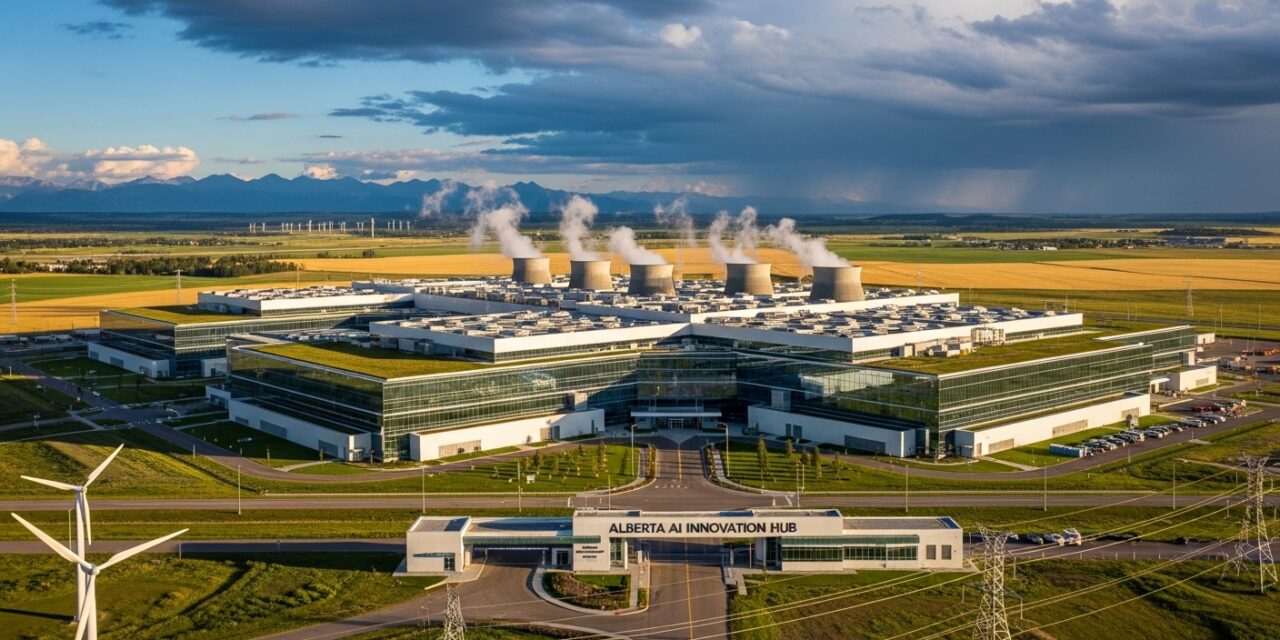
Image is for illustrative purposes.
Sharing is SO MUCH APPRECIATED!