






















Snow Shoveling Strategies and Advice for Seniors & Former Olympians

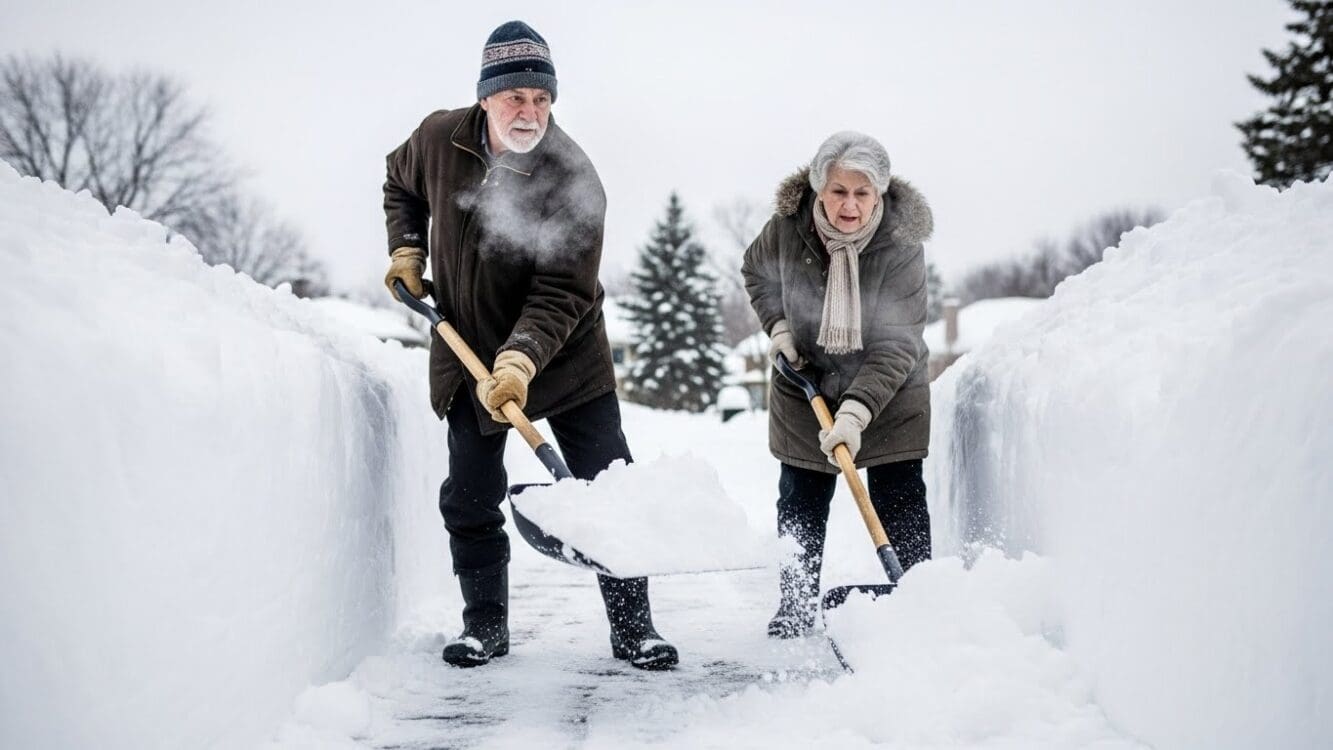
Hey, boys and girls – you’re not an Olympian anymore, the last thing you want is a YAK YAK!!!, or an injury to keep you away from playing Pball, etc…
Shoveling snow can be a strenuous activity that poses risks like back strain, falls, and heart strain—especially for seniors. Experts recommend prioritizing safety, using proper techniques, and considering alternatives like hiring help if you have health concerns.
Key Advice Specifically for Seniors
- Consult a doctor first: If you have heart issues, high blood pressure, or are over 65, get clearance before shoveling. The American Heart Association notes that cold weather plus exertion can increase heart risks.
- Consider alternatives: Many sources strongly suggest hiring professional snow removal, asking neighbors/family, or using community programs for seniors. It’s often safer than risking injury.
- Shovel early and often: Clear snow in small amounts (e.g., every 2 inches) rather than waiting for deep accumulation, as fresh snow is lighter.
- Take frequent breaks: Rest every 15-20 minutes, stay hydrated, and stop if you feel pain, shortness of breath, or dizziness.
- Dress properly: Wear layers, waterproof non-slip boots, gloves, and a hat to stay warm and prevent slips.
- Shovel Early & Often:
- During a big storm, shovel frequently rather than waiting until snow is deep Bloomingdale
- Fresh, light snow is much easier to move than heavy, wet, or packed snow
- A shovel full of snow can weigh up to 15 pounds depending on how wet it is Talk-early-talk-often
General Safe Shoveling Techniques to Avoid Injury
Warm Up First:
- A quick 5- or 10-minute warm-up routine can increase blood flow and prepare your body Life Protect 24/7
- Walk or march in place to warm up your body for 5-10 minutes Talk-early-talk-often
- Stretch arms, legs, and back before starting
Dress Appropriately:
- Layering helps maintain body heat at the start and allows you to remove layers to prevent overheating Caretelbrighton
- Wear waterproof boots with good traction to guard against falls on slick snow or hidden ice Talk-early-talk-often
- Cover your head, face, and hands
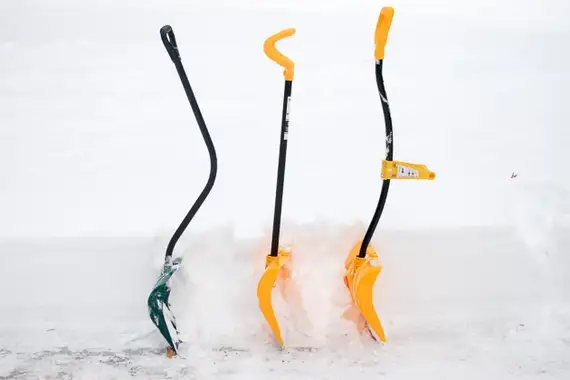
- Choose the right tool: Use an ergonomic shovel with a curved or adjustable handle to reduce bending. Lightweight plastic blades are easier than heavy metal ones.
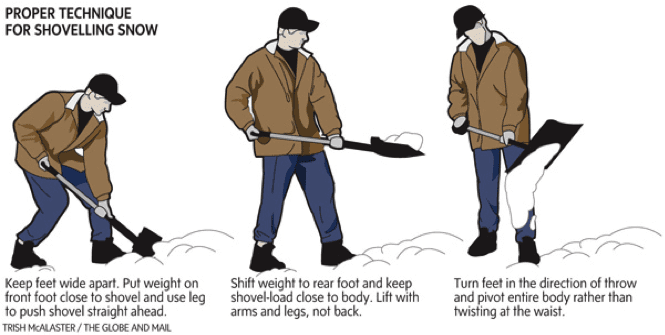
- Push instead of lift: Whenever possible, push snow aside like plowing rather than lifting it—this greatly reduces back and heart strain.
- Proper lifting form: If lifting, bend at the knees (not the waist), keep the shovel close to your body, grip hands 12 inches apart for leverage, and avoid twisting—step to turn instead.
- Warm up and pace yourself: Stretch arms, legs, and back first. Shovel small loads and take layers off deep snow gradually.
- Avoid heavy wet snow: It’s much heavier and riskier; wait or get help if possible.
Examples of ergonomic shovels:

Diagrams of proper technique (push and lift methods):


Much Appreciate You Sharing This Post - It Helps MUCH!!!