






















Clean power pathways beat carbon capture

Sharing is SO MUCH APPRECIATED!


By David Suzuki
We know that spewing greenhouse gases into the air, mainly by burning fossil fuels, is the primary driver of rapidly accelerating global heating, and that carbon dioxide can remain in the atmosphere for thousands of years. Some, however, is taken up by plants, soil and water as part of the carbon cycle.
Does that mean using technology to remove CO2 from the atmosphere is a viable or necessary climate change solution? Oil and gas companies, and their government enablers, think so — and they’re betting your money on it.
An agreement between the federal and Alberta governments and five oil companies includes significant incentives, including funding and investment tax credits, for the Pathways Project (costing up to $30 billion — or more) to capture, transport and store oilsands emissions. The project is part of a deal to build a multi-billion-dollar taxpayer-funded pipeline to move diluted oilsands bitumen from Alberta to British Columbia’s south coast.
As the Pembina Institute states, “The oil and gas sector does not need further incentives to run or expand their operations, as market drivers should be the basis for these actions.”
The plan is part of range of incentives to boost oil production, and to use carbon captured from production emissions for “enhanced oil recovery” — injecting the CO2 into depleted oilfields to extract even more oil.
Every international climate agency and scientific body has stated there is no room for further coal, oil and gas exploration or development if we want to keep global average temperatures from rising to catastrophic levels.
Even the most optimistic projections say the Pathways facility will only capture six million of the 92 million tonnes of CO2 the oilsands produce a year by 2035. As the Pembina Institute reports, “Oilsands emissions have increased 177 per cent since 2005 and are projected to continue to rise” if the new pipeline is built and production increased.
And most emissions, about 80 per cent, are from end-use burning, not production. Because much of Canada’s bitumen is exported, those aren’t counted in Canada’s inventory.
The Alberta oilsands are Canada’s highest single source of emissions, at about 13 per cent, and growing. Oil and gas overall accounts for 30 per cent. The Carnegie Endowment’s Oil-Climate Index shows that “oilsands generate 2.2 times as many emissions per barrel than the average crude extracted in North America.”
Taking into account production and consumption, it’s clear that the Pathways Project will contribute to increased emissions, fuelling even more overheating and consequences, from heat domes and wildfires to floods, droughts, species extinction and migration crises.
Canada isn’t the only country asking taxpayers to subsidize this largely unproven, risky, energy-intensive and less-than-effective technology. The United States, United Kingdom and Australia are also funnelling public money into carbon capture projects.
The oil and gas industry has been working for at least two decades to sell carbon capture as a way to continue producing its polluting, climate-altering product. An investigation by ProPublica and Drilled found that British oil giant BP “significantly shaped” a widely cited 2004 Princeton University study that “oversold the readiness of carbon capture and storage” and “stretched the facts.”
A study in Petroleum Research concludes, “reliance on CCS as a cornerstone climate solution is deeply flawed, especially when more scalable and immediate strategies exist” and that it’s “a detour used to justify the continued operation of fossil fuel infrastructure.”
Burying massive amounts of CO2 also comes with environmental risks, including drinking-water contamination, potential toxic leaks from pipelines and storage facilities and even seismic activity.
There are better ways to reduce emissions, immediately — and better nation-building projects.
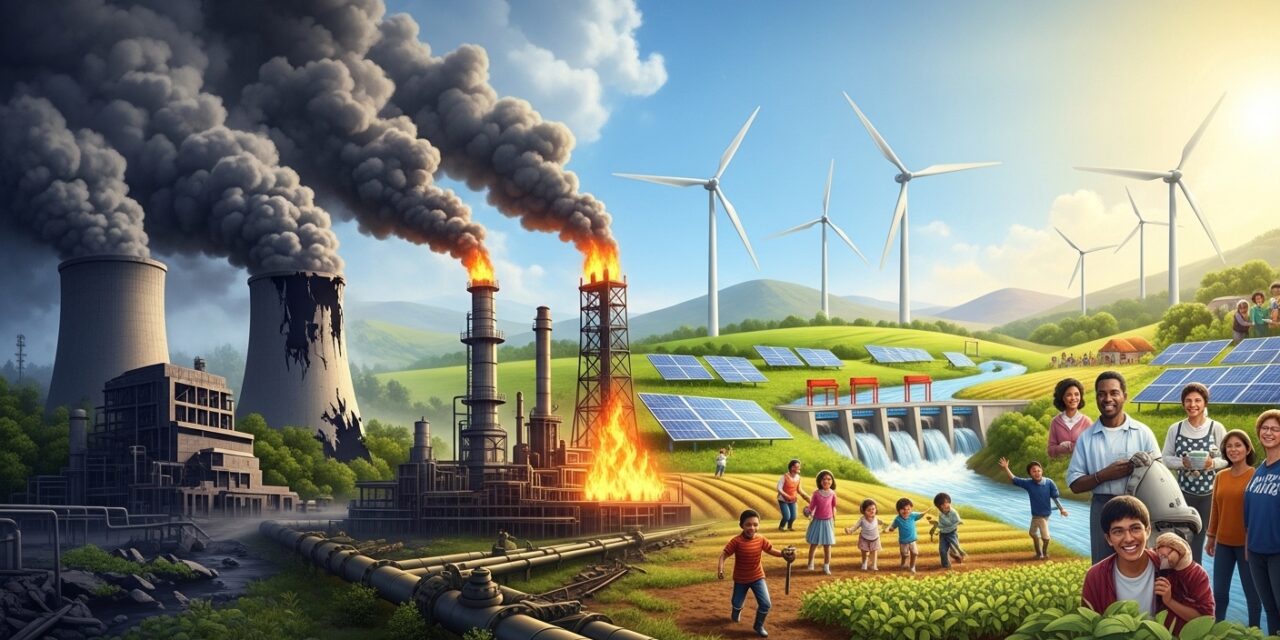
Canada should build a connected grid, expand less expensive and more effective renewables and electrify the economy, which would offer a huge boost in energy efficiency. Policies such as carbon pricing and emissions caps are also effective, but the federal government has abandoned the emissions cap and lowered ambition on carbon pricing. Protecting and restoring natural systems that sequester carbon, such as forests and wetlands, are also better, more cost-effective solutions.
It’s insane that obscenely profitable fossil fuel companies are allowed to continue putting all life at risk through unnecessary expansion of their deadly industry. That they and their government supporters expect us to help pay for it is unconscionable and suicidal!
David Suzuki is a scientist, broadcaster, author and co-founder of the David Suzuki Foundation. Written with David Suzuki Foundation Senior Writer and Editor Ian Hanington.
Learn more at davidsuzuki.org.
REFERENCES:
Carbon cycle:
https://ugc.berkeley.edu/background-content/carbon-cycle
Viable or necessary climate change solution:
Pathways Project:
https://www.cbc.ca/news/canada/edmonton/alberta-ottawa-pathways-oilsands-carbon-capture-9.7268392
Pembina Institute states:
Facility will only capture six million of the 92 million tonnes of C02:
https://www.cbc.ca/news/canada/calgary/oilsands-emissions-pathways-reductions-9.7270114
No room for further coal, oil and gas exploration or development:
https://davidsuzuki.org/story/every-oil-and-gas-pipeline-moves-in-the-wrong-direction
Pembina Institute reports:
About 80 per cent:
https://corporateknights.com/climate-crisis/carbon-capture-and-storage-projects-are-failing
About 13 per cent:
https://www.pembina.org/pub/not-so-grand-bargain
Accounts for 30 per cent:
Carnegie Endowment’s Oil-Climate Index shows:
https://www.pembina.org/blog/real-ghg-trend-oilsands
United States:
United Kingdom:
Australia:
Investigation by ProPublica and Drilled:
https://www.propublica.org/article/wedges-climate-research-bp-fossil-fuel-princeton
Study in Petroleum Research concludes:
https://www.sciencedirect.com/science/article/pii/S2096249525000973
Environmental risks:
https://www.sciencedirect.com/science/article/pii/S2096249525000973
Abandoned the emissions cap and lowered ambition on carbon pricing:
https://www.cbc.ca/news/politics/carney-trudeau-carbon-emissions-climate-change-9.7254619
Build a connected grid:
https://davidsuzuki.org/action/build-canadas-east-west-grid-with-renewables
Sharing is SO MUCH APPRECIATED!