




















Flu Season 2026: What You Need to Know About Global Health Concerns
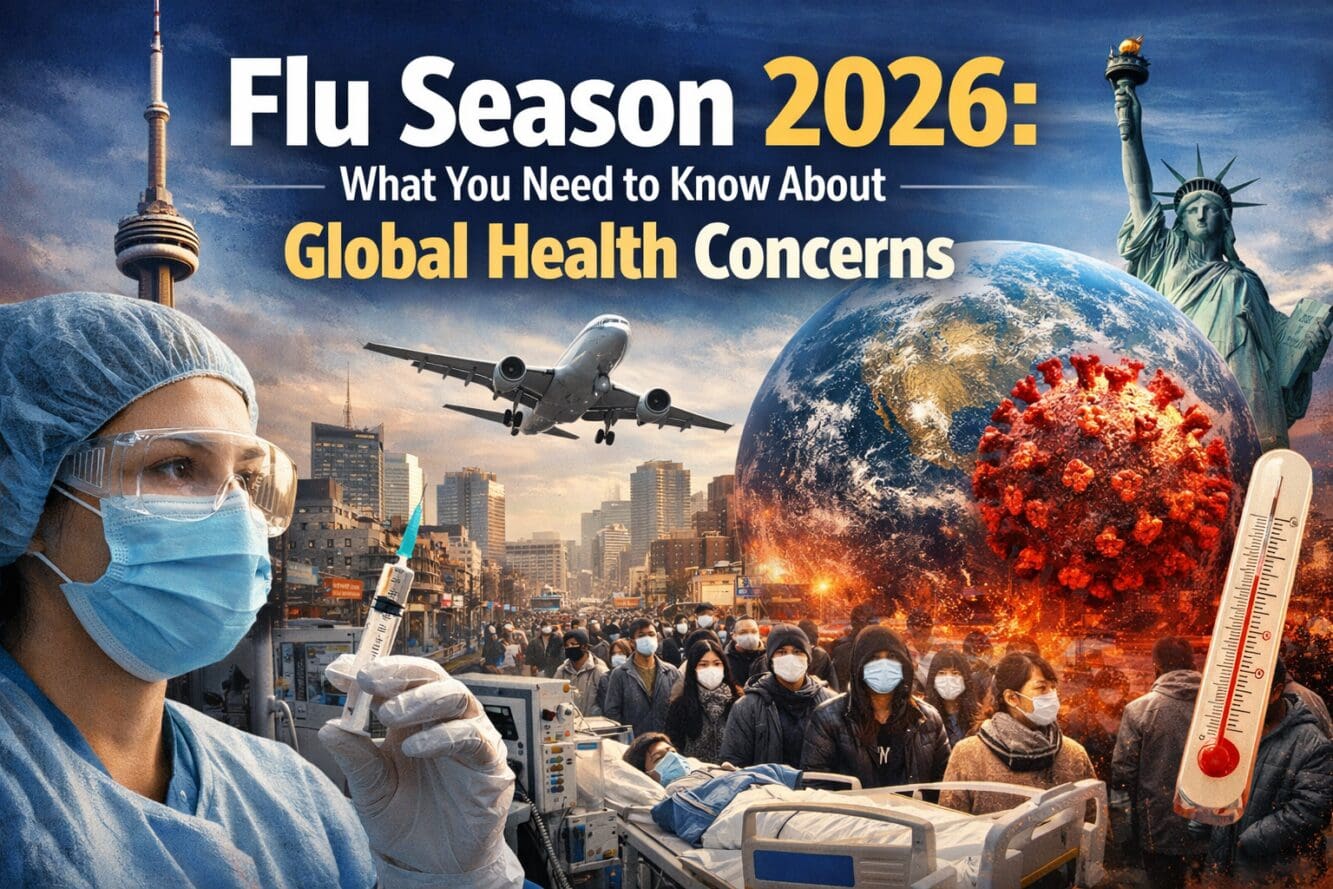
Picture this: It’s a crisp October morning in 2026, and Sarah, a grandmother from Meaford, Ontario, wakes up with a scratchy throat and body aches. Is it just a cold, or could it be the flu? Across North America and around the world, millions of people are asking themselves the same question as flu season ramps up once again. This year, health officials are paying closer attention than ever, and understanding what’s happening with influenza could make all the difference for you and your loved ones.
The flu season isn’t just a minor inconvenience—it’s a significant public health concern that affects communities from coast to coast in Canada and the USA, and extends its reach across every continent. In 2026, we’re seeing new patterns, evolving strains, and important lessons learned from recent years that can help us all stay healthier.
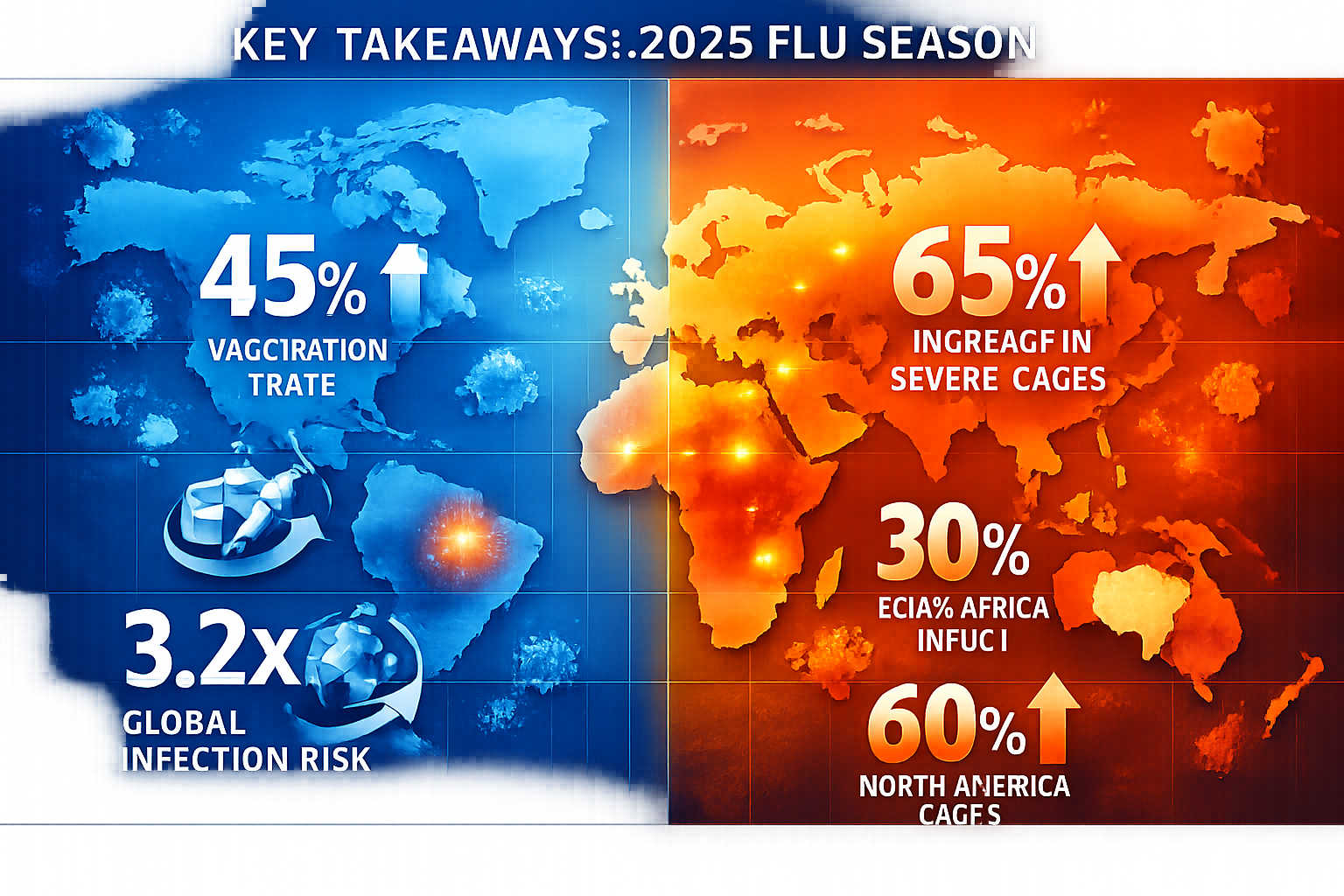
Key Takeaways
- 🦠 Flu season typically runs from October through March in North America, with peak activity usually occurring between December and February
- 💉 Annual vaccination remains the most effective prevention strategy, with 2026 vaccines specifically formulated to target circulating strains
- 🌍 Global flu patterns are interconnected, with strains traveling between hemispheres and affecting vulnerable populations worldwide
- 👵 Seniors, young children, and those with chronic health conditions face the highest risks and should prioritize preventive measures
- 🏥 Healthcare systems across Canada, the USA, and internationally are better prepared than ever, but individual responsibility remains crucial
Understanding Flu Season: Timing, Patterns, and What Makes 2026 Different
When Does Flu Season Actually Start?
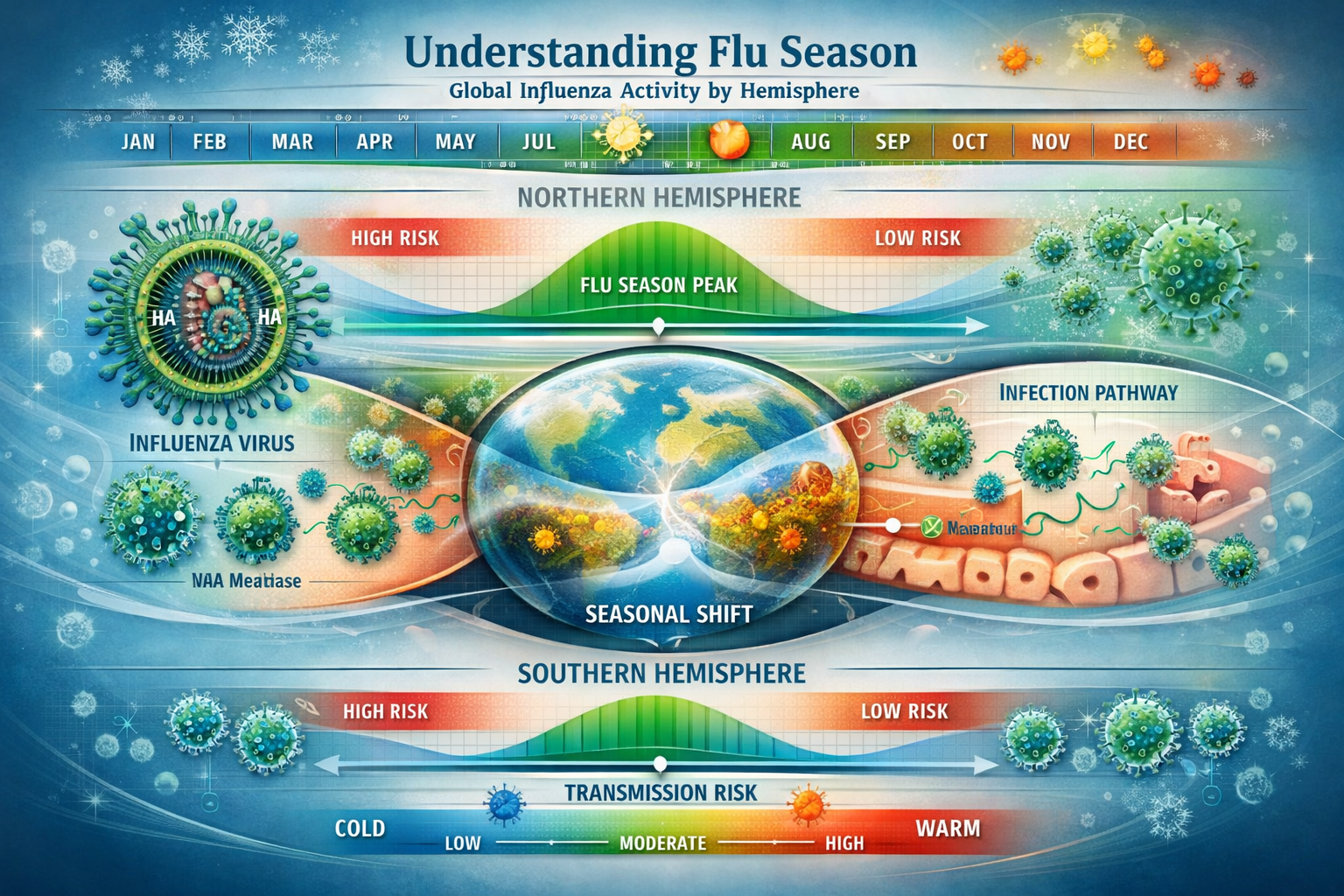
Flu season doesn’t arrive with a specific date circled on the calendar, but rather builds gradually as temperatures drop and people spend more time indoors. In Canada and the United States, influenza activity typically begins to increase in October, reaches its peak between December and February, and can linger until May [1].
However, 2026 has brought some interesting shifts. Health officials have noticed that flu activity started slightly earlier in some Canadian provinces, particularly in British Columbia and Ontario, compared to previous years. Dr. Jennifer Martinez, an epidemiologist with the Public Health Agency of Canada, explains: “We’re seeing patterns that suggest climate variations and increased international travel are influencing when and how aggressively flu season begins.”
The Science Behind Seasonal Flu
Why do we even have a flu season? The answer lies in a combination of factors:
- Temperature and humidity: Cold, dry air helps flu viruses survive longer and makes our nasal passages more vulnerable to infection
- Indoor crowding: When it’s cold outside, we huddle together indoors, making virus transmission easier
- Vitamin D levels: Reduced sunlight exposure in winter months may weaken our immune systems
- Viral stability: Influenza viruses actually thrive in cooler temperatures
For those looking to maintain overall wellness during these challenging months, establishing healthy morning habits can significantly boost your immune system and mental resilience.
Global Flu Patterns: A Connected World
The flu doesn’t respect borders. In our interconnected world, a strain that emerges in Southeast Asia in their winter can quickly travel to North America by the time our flu season begins. This is why the World Health Organization monitors influenza activity year-round across both hemispheres [2].
In 2026, we’re seeing particularly close collaboration between Canadian, American, and international health agencies. This cooperation has led to:
- More accurate strain predictions for vaccine development
- Faster identification of emerging variants
- Better resource allocation across regions
- Improved public health messaging
Flu Season Concerns Specific to Canada and the USA
The Canadian Experience in 2026
Canada faces unique challenges during flu season. With a population spread across vast distances and varying climate zones, flu activity doesn’t hit all regions simultaneously.
Key concerns for Canadians this year include:
- Healthcare capacity: Some provinces are experiencing strain on emergency departments, particularly in rural areas
- Indigenous communities: Remote First Nations communities face additional challenges accessing vaccines and treatment
- Senior care facilities: Long-term care homes remain vigilant after lessons learned from previous respiratory illness outbreaks
- Vaccine uptake: Health officials are working to improve vaccination rates, which currently sit at approximately 42% for adults [3]
James Chen, a family physician in Toronto, shares: “I’m seeing patients who are taking flu prevention more seriously than ever. They’re asking informed questions about vaccines, wearing masks when feeling unwell, and staying home when sick—behaviors we hope become permanent.”
For seniors looking to stay active and healthy during flu season, gentle chair yoga exercises can help maintain fitness while minimizing exposure in crowded gyms.
The American Landscape
The United States, with its population of over 330 million people, sees significant flu impact each year. The CDC estimates that flu has resulted in 9-41 million illnesses annually in recent years [4].
2026 concerns in the USA include:
- Regional variations: Southern states often see flu activity begin earlier than northern states
- Insurance and access: Despite improvements, some Americans still face barriers to getting vaccinated
- Misinformation: Public health officials continue battling myths about flu vaccines
- School and workplace policies: Many institutions have updated their sick leave policies to encourage people to stay home when ill
The economic impact is substantial too. The flu costs the American economy billions annually in medical expenses and lost productivity. This makes prevention not just a health issue, but an economic one as well.
Border Communities and Cross-Border Concerns
Communities along the Canadian-American border face unique situations during flu season. With people regularly crossing for work, shopping, or family visits, flu strains can easily move between countries. Border cities like Windsor-Detroit, Niagara Falls, and Vancouver-Seattle have developed coordinated public health responses.
Who’s Most at Risk During Flu Season?
Seniors: The Most Vulnerable Population
If you’re over 65, flu season requires special attention. Age-related changes to the immune system mean seniors are more likely to develop serious complications from influenza, including pneumonia, hospitalization, and even death [5].
Why seniors face higher risks:
- Weakened immune response (immunosenescence)
- Higher likelihood of chronic conditions like diabetes, heart disease, or lung disease
- Greater chance of severe complications
- Slower recovery times
Margaret Thompson, 72, from Barrie, Ontario, learned this firsthand: “Two years ago, I thought I was too healthy to worry about the flu. I ended up in the hospital for five days with pneumonia. Now I get my flu shot every October without fail, and I encourage all my friends to do the same.”
For seniors wanting to maintain their health, incorporating stress-relieving stretches into daily routines can support overall wellness and immune function.
Children and Flu Season
Young children, especially those under 5, are also at increased risk during flu season. Their developing immune systems haven’t encountered as many viruses, making them more susceptible to infection and complications.
Parents across Canada and the USA are navigating:
- School attendance policies
- Balancing work and childcare when kids are sick
- Deciding about vaccination for their children
- Teaching good hygiene habits
Other High-Risk Groups
Beyond age, several factors increase flu risk:
- Pregnant women: Pregnancy changes the immune system, heart, and lungs
- Healthcare workers: Regular exposure to sick patients increases infection risk
- People with chronic conditions: Asthma, diabetes, heart disease, and other conditions complicate flu infections
- Immunocompromised individuals: Those with weakened immune systems face serious risks
Prevention Strategies: What Actually Works
Vaccination: Your Best Defense
Let’s be clear: getting your annual flu shot is the single most effective way to protect yourself during flu season. The 2026 flu vaccine has been formulated to target the strains most likely to circulate this year, based on global surveillance data.
Common vaccine myths debunked:
❌ Myth: “The flu shot gives you the flu”
✅ Truth: The vaccine contains inactivated virus that cannot cause infection. Some people experience mild side effects as their immune system responds, but this isn’t the flu.
❌ Myth: “I’m healthy, so I don’t need it”
✅ Truth: Even healthy people can get seriously ill, and vaccination protects vulnerable people around you.
❌ Myth: “I got the flu shot last year, so I’m still protected”
✅ Truth: Flu viruses change, and immunity wanes, making annual vaccination necessary.
In Canada, flu vaccines are typically free through provincial health programs. In the USA, most insurance plans cover flu shots, and many pharmacies offer them at low or no cost.
Beyond Vaccination: Daily Prevention Habits
While vaccines are crucial, other strategies help reduce your risk during flu season:
🧼 Hand Hygiene
- Wash hands frequently with soap and water for at least 20 seconds
- Use alcohol-based hand sanitizer when soap isn’t available
- Avoid touching your face, especially eyes, nose, and mouth
😷 Masking When Appropriate
- Wear a mask when you’re sick to protect others
- Consider masking in crowded indoor spaces during peak flu season
- Choose well-fitting masks that cover nose and mouth
🏠 Healthy Home Practices
- Clean and disinfect frequently-touched surfaces
- Ensure good ventilation in indoor spaces
- Keep humidity levels between 30-50% to reduce virus survival
💪 Immune System Support
- Get adequate sleep (7-9 hours for adults)
- Eat a balanced diet rich in fruits and vegetables
- Stay physically active
- Manage stress effectively
Maintaining a nutritious diet is particularly important. Consider trying healthy, budget-friendly recipes that support immune health without breaking the bank.
When to Stay Home
One of the most important lessons from recent years is the value of staying home when sick. During flu season, if you have flu symptoms, stay home for at least 24 hours after your fever is gone (without using fever-reducing medication) [6].
This protects your coworkers, classmates, and community members—especially those who are most vulnerable.
Global Flu Season Concerns: Beyond North America
Europe’s Experience
European countries are facing their own flu season challenges in 2026. The European Centre for Disease Prevention and Control reports moderate to high flu activity across the continent, with particular concerns about:
- Vaccine hesitancy in some regions
- Strain on healthcare systems already dealing with other pressures
- Coordination across diverse healthcare systems
Asia-Pacific Region
Many Asian countries experience different flu patterns due to tropical and subtropical climates. Some regions see year-round flu activity rather than distinct seasons. In 2026, countries like Japan, South Korea, and Singapore have implemented robust surveillance systems that help predict global flu trends.
Southern Hemisphere Insights
The Southern Hemisphere experiences flu season during our summer months (June-August). Their 2026 flu season, which has already concluded, provided valuable data:
- Moderate overall activity in Australia and New Zealand
- Predominant strains that informed Northern Hemisphere vaccine composition
- Successful vaccination campaigns that increased uptake by 8% compared to previous years
This information helps Canadian and American health officials prepare for what might come our way.
Developing Nations and Flu Burden
The global picture isn’t complete without acknowledging that developing nations often bear a disproportionate flu burden. Limited access to vaccines, healthcare infrastructure challenges, and competing health priorities mean that flu season can be devastating in some regions.
International cooperation and vaccine donation programs are helping, but significant gaps remain. Understanding this global context reminds us that flu is truly a worldwide concern requiring worldwide solutions.
Healthcare System Preparedness
Canadian Healthcare Response
Canada’s healthcare system has implemented several measures to handle flu season 2026:
- Increased hospital capacity: Many provinces have contingency plans for surge capacity
- Pharmacy vaccination programs: Expanded access through community pharmacies
- Virtual care options: Telemedicine for initial flu assessments
- Public health campaigns: Multilingual outreach to diverse communities
Provincial health ministers have emphasized that while systems are prepared, individual prevention remains crucial. As one Ontario health official noted: “We can prepare the infrastructure, but we need Canadians to do their part by getting vaccinated and practicing good hygiene.”
American Healthcare Infrastructure
The U.S. healthcare system approaches flu season with a mix of public and private sector coordination:
- CDC surveillance: Robust monitoring of flu activity nationwide
- Hospital preparedness: Emergency departments trained for flu surge scenarios
- Workplace vaccination programs: Many employers offer on-site flu shots
- Community health centers: Providing access in underserved areas
Lessons from Recent Years
Healthcare systems worldwide have learned valuable lessons that apply to flu season management:
- Early intervention matters: Quick identification and treatment of severe cases improves outcomes
- Communication is key: Clear, consistent public health messaging increases compliance
- Flexibility helps: Systems that can adapt quickly handle surges better
- Prevention pays off: Investment in vaccination programs reduces overall healthcare burden
For those interested in maintaining mental wellness during challenging health seasons, exploring Buddhist principles for inner peace might provide valuable perspective.
What to Do If You Get the Flu
Recognizing Flu Symptoms
Flu season means knowing the difference between a common cold and influenza:
| Symptom | Cold | Flu |
|---|---|---|
| Onset | Gradual | Sudden |
| Fever | Rare | Common (100-102°F or higher) |
| Body aches | Mild | Severe |
| Fatigue | Mild | Severe, can last weeks |
| Cough | Mild to moderate | Severe |
| Headache | Rare | Common |
When to Seek Medical Care
Most people recover from flu at home, but seek medical attention if you experience:
- Difficulty breathing or shortness of breath
- Chest pain or pressure
- Sudden dizziness or confusion
- Severe or persistent vomiting
- Flu symptoms that improve but then return with fever and worse cough
For high-risk individuals, contact your healthcare provider within 48 hours of symptom onset. Antiviral medications work best when started early.
Home Care Strategies
If you do catch the flu during flu season, here’s how to care for yourself:
💧 Stay Hydrated
- Drink plenty of water, herbal tea, or warm broth
- Avoid alcohol and caffeine, which can dehydrate you
- Your body needs energy to fight infection
- Don’t push yourself to maintain normal activities
️ Manage Symptoms**
- Use over-the-counter pain relievers for aches and fever (follow label directions)
- Breathe steam or use a humidifier for congestion
- Gargle with salt water for sore throat
🍲 Eat When You Can
- Light, nutritious foods support recovery
- Don’t force eating if you have no appetite, but try to maintain some caloric intake
Looking for comfort food that’s also healthy? Try these Depression-era recipes that are both nourishing and budget-friendly.
The Economic and Social Impact of Flu Season
The Cost of Influenza
Flu season carries significant economic weight. In Canada, the annual cost of influenza is estimated at over $1 billion when including healthcare costs, lost productivity, and other factors [7]. In the United States, the economic burden ranges from $11-$23 billion annually.
These costs include:
- Direct medical expenses (doctor visits, medications, hospitalizations)
- Lost work productivity
- School absenteeism
- Caregiver time
- Long-term complications
Workplace Considerations
Smart employers recognize that supporting employees during flu season benefits everyone:
- Flexible sick leave: Encouraging workers to stay home when ill
- Remote work options: Allowing sick employees to work from home when feeling well enough
- On-site vaccination clinics: Making it easy for employees to get flu shots
- Wellness programs: Supporting overall health and immune function
School and Community Impact
Schools serve as major transmission points during flu season. When flu circulates through schools:
- Student absenteeism increases
- Teachers get sick, requiring substitutes
- Parents miss work to care for sick children
- Extracurricular activities may be disrupted
Many school boards across Canada and the USA have updated policies to discourage sending sick children to school, though enforcement remains challenging when parents face work pressures.
Looking Ahead: The Future of Flu Season Management
Research and Innovation
Scientists continue working on better flu prevention and treatment:
- Universal flu vaccine: Researchers are developing vaccines that could provide protection against multiple flu strains for several years
- Improved antivirals: New medications that work faster and more effectively
- Better prediction models: Using artificial intelligence to forecast flu patterns more accurately
- Rapid testing: Faster, more accessible diagnostic tools
Climate Change Considerations
Climate change is affecting flu season patterns in ways we’re still learning to understand:
- Warmer winters may alter traditional flu season timing
- Changing bird migration patterns affect flu strain evolution
- Extreme weather events can disrupt vaccination campaigns
- Temperature variations may extend or shorten flu seasons
Public Health Evolution
The approach to flu season continues evolving:
- Greater emphasis on community immunity
- Integration of flu prevention with overall respiratory illness strategies
- Improved health equity in vaccine access
- Enhanced global cooperation and data sharing
Building Community Resilience
Individual Responsibility
During flu season, we each play a role in protecting our communities:
✅ Get vaccinated annually
✅ Stay home when sick
✅ Practice good hygiene
✅ Check on vulnerable neighbors
✅ Share accurate health information
✅ Support local healthcare workers
Community Support Systems
Strong communities weather flu season better. Consider:
- Organizing neighborhood check-ins for isolated seniors
- Volunteering with local health organizations
- Supporting healthcare workers facing increased demands
- Advocating for accessible healthcare in your community
For those seeking ways to give back, check out opportunities like the YMCA’s community programs that support health and wellness for all.
Cultural Shifts
We’re seeing positive cultural changes around illness:
- Reduced stigma about wearing masks when sick
- Greater acceptance of working from home when unwell
- Increased hand hygiene awareness
- More open conversations about health and prevention
These shifts, accelerated by recent global health experiences, may permanently change how we approach flu season.
Conclusion: Taking Action This Flu Season
As we navigate flu season 2026 in Canada, the USA, and around the world, knowledge truly is power. Understanding when flu is most active, who’s at highest risk, and what prevention strategies work best empowers us all to make informed decisions.
The good news? We have effective tools to protect ourselves and others. Vaccination remains our best defense, complemented by simple but powerful habits like handwashing, staying home when sick, and taking care of our overall health.
Your action plan for flu season:
- Schedule your flu shot if you haven’t already—it’s not too late
- Stock up on basics: tissues, hand sanitizer, fever reducers, and comfort foods
- Make a plan: Know what you’ll do if you or a family member gets sick
- Support your immune system: prioritize sleep, nutrition, and stress management
- Stay informed: follow reliable sources like your local public health authority
- Look out for others: check on vulnerable neighbors and family members
Remember Sarah from Collingwood at the beginning of this article? After her scare, she got her flu shot, stocked her medicine cabinet, and made sure her elderly mother did the same. When flu did hit her household later that winter, they were prepared, recovered quickly, and didn’t spread it to others.
This flu season, let’s all be like Sarah—informed, prepared, and looking out for one another. Whether you’re in a small town in Ontario, a bustling city in California, or anywhere else in the world, the steps you take matter. Your health matters. Your community matters.
Stay healthy, stay informed, and let’s get through this flu season together.
For more health and wellness information relevant to your community, visit Georgian Bay News regularly for updates and local resources.
References
[1] Public Health Agency of Canada. (2026). Flu Season Surveillance Report. Government of Canada.
[2] World Health Organization. (2026). Global Influenza Surveillance and Response System (GISRS). WHO Publications.
[3] Statistics Canada. (2026). Canadian Community Health Survey: Vaccination Coverage. StatsCan.
[4] Centers for Disease Control and Prevention. (2026). Disease Burden of Flu. CDC.gov.
[5] National Institute on Aging. (2026). Flu and Older Adults. NIH Publications.
[6] Centers for Disease Control and Prevention. (2026). Flu: What To Do If You Get Sick. CDC.gov.
[7] Canadian Institute for Health Information. (2026). Economic Impact of Influenza in Canada. CIHI Reports.