




















Grief and Loss After 70: Finding Support and Moving Forward

When Sharon lost her husband of 52 years, she thought she was prepared. After all, at 73, she’d already said goodbye to her parents, two siblings, and several close friends. But nothing could have readied her for the profound emptiness that followed. “People kept telling me I should be used to this by now,” she recalls. “But each loss feels like the first one all over again.” Sharon’s experience isn’t unique—it’s the reality for millions of older adults navigating Grief and Loss After 70 in 2026.
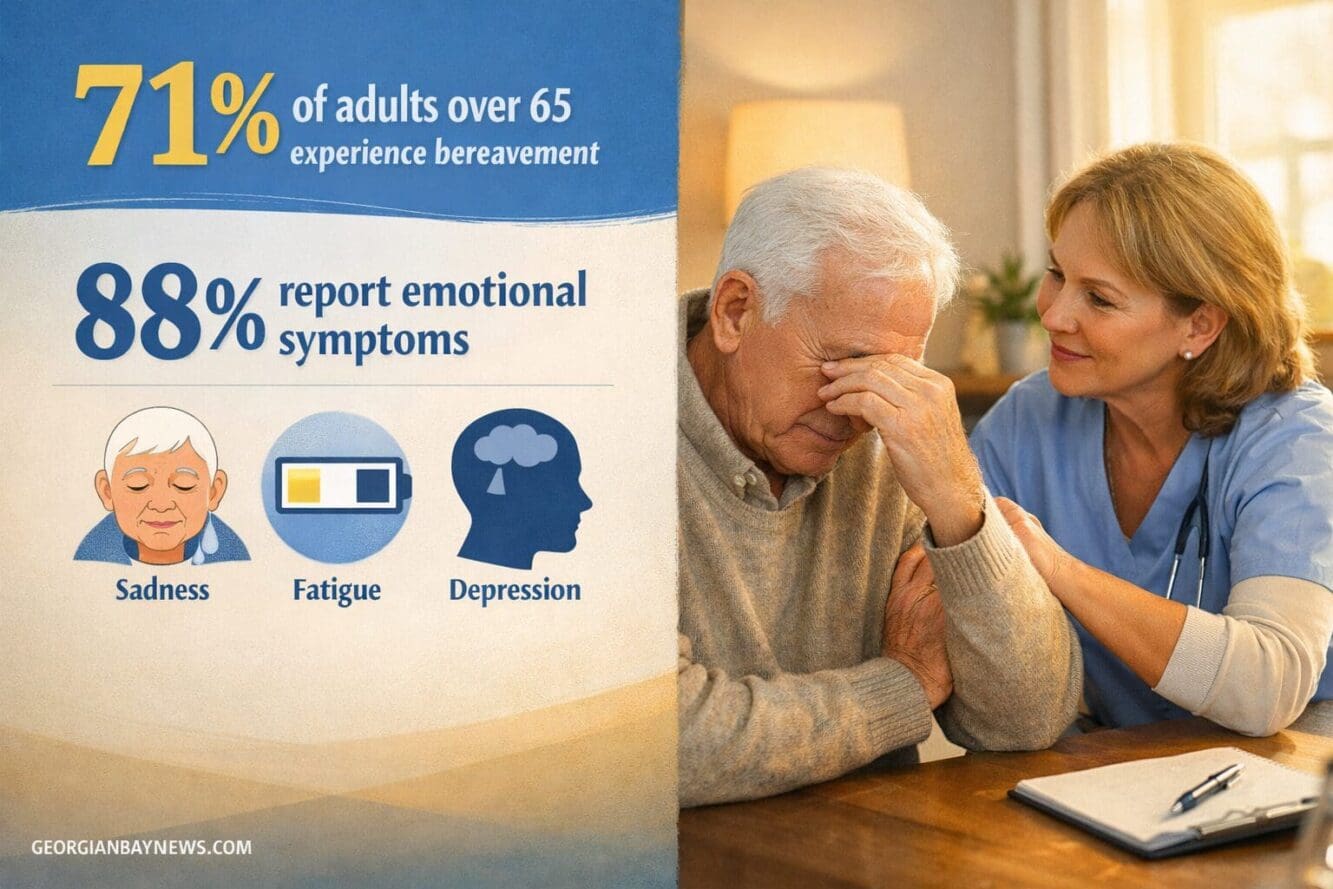
The truth is, grief doesn’t get easier with age. In fact, 71% of adults over age 65 have experienced at least one bereavement in the last 2.5 years, making grief an extremely common—yet often overlooked—experience in this age group.[1][9] As we live longer and accumulate more relationships, we also accumulate more losses. Understanding how to process these losses and find meaningful support becomes not just important, but essential for maintaining quality of life in our later years.

Key Takeaways
- Grief is universal among older adults: 71% of seniors over 65 have experienced recent bereavement, with women particularly affected—58% of women are widowed by age 75.[1]
- Physical health consequences are real: 68% of older bereaved adults report health deterioration within just 2 months of losing a spouse, and loss can actually accelerate biological aging.[1][4]
- Support is crucial but often lacking: Despite experiencing multiple bereavements, older adults are frequently assumed to be well-prepared and receive insufficient tailored support services.[1]
- Prolonged grief affects nearly 1 in 10: About 7-10% of bereaved adults develop persistent prolonged grief disorder that requires professional intervention.[2]
- Moving forward is possible: With appropriate support, community connection, and professional help when needed, seniors can find meaning and purpose after profound loss.
Understanding Grief and Loss After 70: Why It’s Different
Grief in later life carries unique challenges that younger people rarely consider. By age 75, 58% of women and 28% of men will have been widowed at least once.[1] But it’s not just spouses—older adults face the loss of siblings, lifelong friends, adult children, and sometimes even grandchildren. Each loss compounds the previous ones, creating what researchers call an “accumulation effect.”
The Myth of Resilience Through Repetition
Society often assumes that experiencing multiple losses makes people more resilient, better equipped to handle the next goodbye. This assumption is dangerously wrong. Research shows that the accumulation of losses has a compounding effect on physical and mental health.[1] Rather than building immunity to grief, each bereavement can reopen old wounds while creating new ones.
“I lost my sister in 2020, my best friend in 2022, and my husband in 2024,” shares Robert, 76. “People say things like ‘at least you know what to expect.’ But I don’t. Each person was irreplaceable, and losing them feels completely different.”
The Physical Toll of Bereavement
Grief isn’t just emotional—it’s profoundly physical. 88% of grievers experience emotional symptoms, with sadness (76%) and depression (43%) topping the list. But 64% also report physical symptoms, including fatigue (59%) and appetite changes (48%).[2]
Even more concerning, loss accelerates biological aging. Adults with a history of loss had higher biological ages than those without similar experiences, with more losses associated with older biological age.[4] This biological acceleration can lead to earlier onset of chronic diseases and increased mortality risk.
Within just 2 months of spousal loss, 68% of older bereaved adults reported health deterioration—more than double the rate in age-matched controls who hadn’t experienced recent bereavement.[1]
The Hidden Crisis: Prolonged Grief Disorder
While most people gradually adapt to loss over time, 7-10% of bereaved adults develop persistent prolonged grief disorder with sustained high symptom levels.[2] Among older women specifically, 9% of bereaved women aged 65 and older experience prolonged grief that significantly impacts their mental health and well-being.[2]
Prolonged grief disorder is characterized by:
- Intense yearning for the deceased that doesn’t diminish over time
- Difficulty accepting the death even months or years later
- Identity disruption—feeling like part of yourself died with them
- Avoidance of reminders of the loss
- Emotional numbness or feeling that life is meaningless
Research examining participants whose losses averaged 8 years prior (ranging from 2-27 years) found many still struggled to redefine their identity and find new meaning in life.[1] This isn’t weakness—it’s a recognized mental health condition that responds to treatment.

The Overlooked Risk: Older Men and Suicide
Perhaps the most urgent concern is suicide risk among bereaved older men. Suicidal ideation after bereavement was predominantly discussed among older men, who according to the World Health Organization have the highest age-specific suicide rates globally. Around 16.6% of suicide deaths occur among people aged 70 and over.[1][6]
The combination of social isolation, loss of identity (particularly after retirement or widowhood), and reluctance to seek help creates a perfect storm. Men of this generation were often taught that expressing emotion was weakness—a belief that can prove fatal when grief strikes. For those concerned about protecting seniors from various threats, resources like protecting seniors from fraud can provide additional support frameworks.
Finding Support: You Don’t Have to Grieve Alone
Despite the prevalence of Grief and Loss After 70, older adults are often overlooked for support services. There’s a pervasive assumption that seniors are “used to” death and don’t need the same level of support as younger bereaved individuals.[1] This couldn’t be further from the truth.
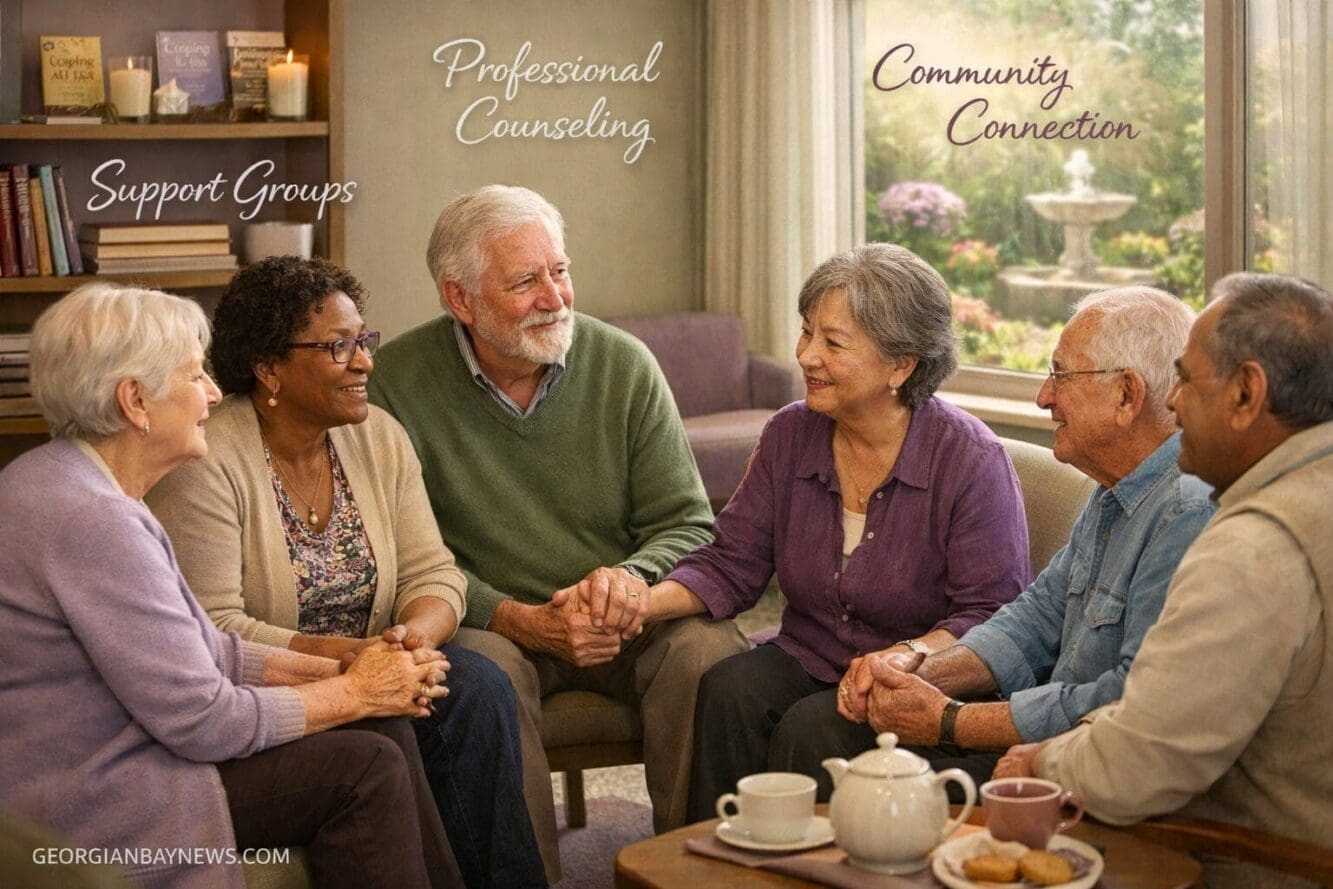
Professional Counseling and Therapy
Grief counseling specifically designed for older adults can be transformative. Look for therapists who specialize in:
- Bereavement counseling for late-life loss
- Complicated grief treatment (CGT) for prolonged grief disorder
- Group therapy with age-matched peers
- Cognitive behavioral therapy (CBT) adapted for grief
Many therapists now offer telehealth options, making support accessible even for those with mobility challenges or transportation limitations.
Support Groups: The Power of Shared Experience
Each of the approximately 2.5 million annual deaths in the United States leaves an average of five grieving people behind.[3] This means you’re far from alone, even when grief feels isolating.
Support groups offer:
✅ Validation from others who truly understand
✅ Practical advice from those further along in their grief journey
✅ Social connection to combat isolation
✅ Accountability for self-care and healing
✅ Hope through witnessing others’ recovery
Organizations offering grief support groups include:
- AARP Grief and Loss Programs
- The Compassionate Friends (for parents who’ve lost children)
- GriefShare (faith-based support groups)
- Local senior centers and community centers
- Hospice organizations (often open to anyone, not just former hospice families)
Just as communities come together during crises like supporting residents during ice storm cleanup, grief support networks rally around those experiencing loss.
Online Resources and Communities
For those in rural areas or with limited mobility, online grief communities provide 24/7 support:
- What’s Your Grief (online courses and resources)
- Grief Healing (discussion boards)
- Reddit’s r/GriefSupport (peer support community)
- Facebook grief support groups (search for age-specific groups)
Community Connection and Volunteering
Staying engaged with community can provide purpose during grief. Consider:
- Volunteering at local organizations
- Joining clubs based on hobbies or interests
- Participating in faith communities if spiritually inclined
- Taking classes at senior centers or community colleges
- Adopting a pet (if physically able)—animal companionship can be profoundly healing
Organizations like the YMCA’s Move to Give program offer opportunities for seniors to stay active and connected. Some grieving seniors even find purpose in helping animals find forever homes, similar to initiatives finding forever families for pets in need.
Practical Strategies for Moving Forward After Loss
Moving forward doesn’t mean forgetting or “getting over” your loss. It means learning to carry your grief while still engaging with life. Here are evidence-based strategies that help:
1. Maintain Physical Health 🏃♀️
Given the documented health deterioration after bereavement, prioritizing physical wellness is crucial:
- Regular exercise: Even gentle daily walks can unlock magic for both body and mind
- Nutritious eating: Combat appetite changes with small, frequent, nutrient-dense meals
- Sleep hygiene: Maintain consistent sleep schedules despite grief-related insomnia
- Medical check-ups: Don’t skip routine appointments—grief can mask or worsen health conditions
2. Create Meaningful Rituals
Rituals help process grief and honor memories:
- Memorial activities on significant dates (birthdays, anniversaries)
- Continuing bonds through traditions that honor the deceased
- Journaling about memories and feelings
- Creating legacy projects (photo albums, recorded stories, charitable donations)
3. Set Small, Achievable Goals
When everything feels overwhelming, tiny steps matter:
| Timeframe | Sample Goals |
|---|---|
| Daily | Get dressed, eat one nutritious meal, call or text one person |
| Weekly | Attend one social activity, complete one household task, spend time outdoors |
| Monthly | Try one new activity, organize one area of the home, do something enjoyable |
4. Practice Self-Compassion
Grief has no timeline. Some days will be harder than others, even years later. Be as kind to yourself as you would be to a dear friend experiencing the same loss.
5. Consider Meaning-Making
Research suggests that finding meaning after loss—whether through spirituality, legacy-building, helping others, or personal growth—supports long-term adjustment. This doesn’t mean the loss had a “purpose,” but rather that you’ve found ways to grow despite it.
When to Seek Professional Help
While grief is normal, certain signs indicate professional support is needed:
⚠️ Seek help if you experience:
- Suicidal thoughts or plans (call 988 Suicide & Crisis Lifeline immediately)
- Inability to care for yourself (hygiene, eating, medication management)
- Prolonged isolation lasting months
- Substance abuse to cope with grief
- Symptoms interfering with daily functioning beyond 6-12 months
- Physical symptoms that worsen or don’t improve
Remember: Seeking help isn’t weakness—it’s wisdom. Just as communities access support from allied reinforcements during emergencies, individuals deserve support during personal crises.
Resources for Grief and Loss After 70
National Hotlines and Services
- 988 Suicide & Crisis Lifeline: Call or text 988 (24/7)
- Friendship Line (for seniors): 1-800-971-0016
- SAMHSA National Helpline: 1-800-662-4357
Canadian Resources
- Crisis Services Canada: 1-833-456-4566
- Canadian Association for Suicide Prevention: Resources at suicideprevention.ca
- 211 Ontario: Dial 211 for local support services
Educational Resources
- National Institute on Aging: nia.nih.gov/health/grief-and-loss
- American Psychological Association: Grief resources at apa.org
- Centre for Grief Education: grief.org.au (excellent online resources)
Building a Support Network: A Step-by-Step Approach
Creating a support system takes intentional effort, especially when grief makes reaching out feel impossible. Here’s a gentle approach:
Week 1: Identify three people you trust (family, friends, neighbors, faith community members). Tell one person you’re struggling.
Week 2: Research one support group (online or in-person) and attend or observe a session.
Week 3: Schedule an appointment with your primary care physician to discuss how you’re coping.
Week 4: Try one new activity or connection point (class, volunteer opportunity, club).
Ongoing: Check in with yourself weekly. What helped? What didn’t? Adjust accordingly.
The Path Forward: Hope After Loss
Grief and Loss After 70 is undeniably challenging, but it’s not insurmountable. While 71% of seniors experience bereavement,[1][9] many also discover unexpected resilience, deeper connections, and renewed purpose.
“Three years after losing my wife, I joined a grief support group,” shares Thomas, 78. “I met others who understood. Slowly, I started volunteering at the community center. I’ll never stop missing her, but I’ve learned I can miss her and still have a life worth living.”
The journey through grief is neither linear nor predictable. Some days will feel like steps backward. But with support, self-compassion, and time, most people find ways to integrate loss into their lives while still experiencing joy, connection, and meaning.
You’ve survived every difficult moment in your life so far. With the right support and resources, you can navigate this one too. 💙
Conclusion: Your Next Steps
If you’re experiencing Grief and Loss After 70, remember these essential truths:
- Your grief is valid, regardless of how many losses you’ve experienced before
- Support is available, even if it’s not always obvious or easily accessible
- Healing is possible, though it looks different for everyone
- You deserve help, and seeking it is a sign of strength
Take Action Today:
✔️ Reach out to one trusted person and share how you’re feeling
✔️ Research one support group in your area or online
✔️ Schedule a check-up with your doctor if you haven’t recently
✔️ Save crisis hotline numbers in your phone: 988 for immediate support
✔️ Be gentle with yourself—grief is exhausting work
Remember, each of those 2.5 million annual deaths leaves five grieving people behind.[3] You’re part of a vast, invisible community of people navigating similar pain. You don’t have to do this alone, and you don’t have to do it perfectly. You just have to keep going, one small step at a time.
The path through grief may be long, but it leads somewhere. With support, compassion, and time, you can find your way forward while honoring what—and who—you’ve lost.
References
[1] Academic.oup – https://academic.oup.com/ageing/article/51/3/afac030/6547546
[2] Grief Statistics – https://laopcenter.com/mental-health/grief-statistics/
[3] Grief Statistics – https://www.therecoveryvillage.com/mental-health/grief/grief-statistics/
[4] Jamanetwork – https://jamanetwork.com/journals/jamanetworkopen/fullarticle/2821615
[5] Older American Health – https://www.cdc.gov/nchs/fastats/older-american-health.htm
[6] Mental Health Of Older Adults – https://www.who.int/news-room/fact-sheets/detail/mental-health-of-older-adults
[7] Losing Loved One May Speed Aging Study Finds – https://www.publichealth.columbia.edu/news/losing-loved-one-may-speed-aging-study-finds
[8] Grief Aging – https://www.psych.ucla.edu/research-study/grief-aging/
[9] About Grief In Older People – https://www.nari.net.au/about-grief-in-older-people
GEORGIANBAYNEWS.COM shares video content from YouTube creators under fair use principles. We respect creators’ intellectual property and include direct links to their original videos, channels, and social media platforms whenever we feature their content. This practice supports creators by driving traffic to their platforms.
Some content and illustrations on GEORGIANBAYNEWS.COM are created with the assistance of AI tools.
Much Appreciate You Sharing This Post - It Helps MUCH!!!