






















Imagine waking up each morning to a wagging tail or a gentle purr—a living, breathing reason to get out of bed. For millions of seniors across North America and around the world, this isn’t just a pleasant thought; it’s a daily reality that’s quietly revolutionizing their health in ways that might surprise even their doctors. Pet Companionship for Seniors isn’t just about having a furry friend to keep you company—it’s emerging as one of the most powerful, yet underutilized, tools for healthy aging in 2026.
When 78-year-old Karen adopted her rescue cat, Whiskers, she expected companionship. What she didn’t expect was that her blood pressure would drop, her doctor visits would decrease, and she’d suddenly know half her neighborhood. Karen’s story isn’t unique—it’s backed by compelling science that reveals Pet Companionship for Seniors delivers health benefits that extend far beyond the obvious emotional support.

The relationship between Pet Companionship for Seniors and heart health represents one of the most remarkable discoveries in preventive medicine. According to research highlighted by the American Heart Association, dog owners experience a stunning 31% reduction in death from heart attack or stroke compared to their peers without canine companions[2].
But why does Fido protect your ticker so effectively? The answer lies in multiple mechanisms working together:
Daily Physical Activity: Dogs don’t care if it’s raining or if you’re tired—they need their walks. This gentle but consistent exercise requirement helps seniors meet the physical activity goals essential for healthy aging[2]. Walking remains the most common form of leisure-time physical activity for adults 60 years and older, and the bond formed with a canine companion provides powerful motivation that gym memberships simply can’t match[3].
Blood Pressure Benefits: Multiple studies have documented that dog owners maintain lower blood pressure than their non-dog-owning peers[2]. Pet interaction generally correlates with decreased blood pressure readings across the board[3][4]. This isn’t a small effect—the reductions can be clinically significant enough to reduce medication needs for some seniors.
Cholesterol Management: Beyond blood pressure, pet ownership associates with decreased cholesterol and triglyceride levels[3][4], creating a comprehensive cardiovascular protection package that would make any cardiologist smile.
For seniors looking to complement their pet-related physical activity, exploring gentle movement practices like chair yoga for seniors and beginners can further enhance cardiovascular health and flexibility.
While most people recognize that pets provide emotional comfort, the mental health benefits of Pet Companionship for Seniors extend into surprising neurological and psychological territory that researchers are only beginning to fully understand.
When you stroke a dog or cat, something remarkable happens at the biochemical level: your body lowers cortisol production—the primary stress hormone that wreaks havoc on aging bodies[2]. In one comprehensive study, more than 70% of pet owners credited their animals with reducing stress[2], and the physiological evidence supports their subjective experience.
This stress reduction isn’t trivial. Chronic elevated cortisol contributes to everything from impaired immune function to accelerated cognitive decline. By naturally moderating these stress responses, pets act as a form of biological therapy without side effects.
Interacting with animals can lower stress levels, decrease symptoms of anxiety and depression, and boost immunity in older individuals[1][3][4]. The mechanism involves increasing serotonin and dopamine levels—the brain’s natural mood elevators[3]. Unlike pharmaceutical interventions, this boost comes with the added benefits of physical touch, unconditional acceptance, and genuine relationship.
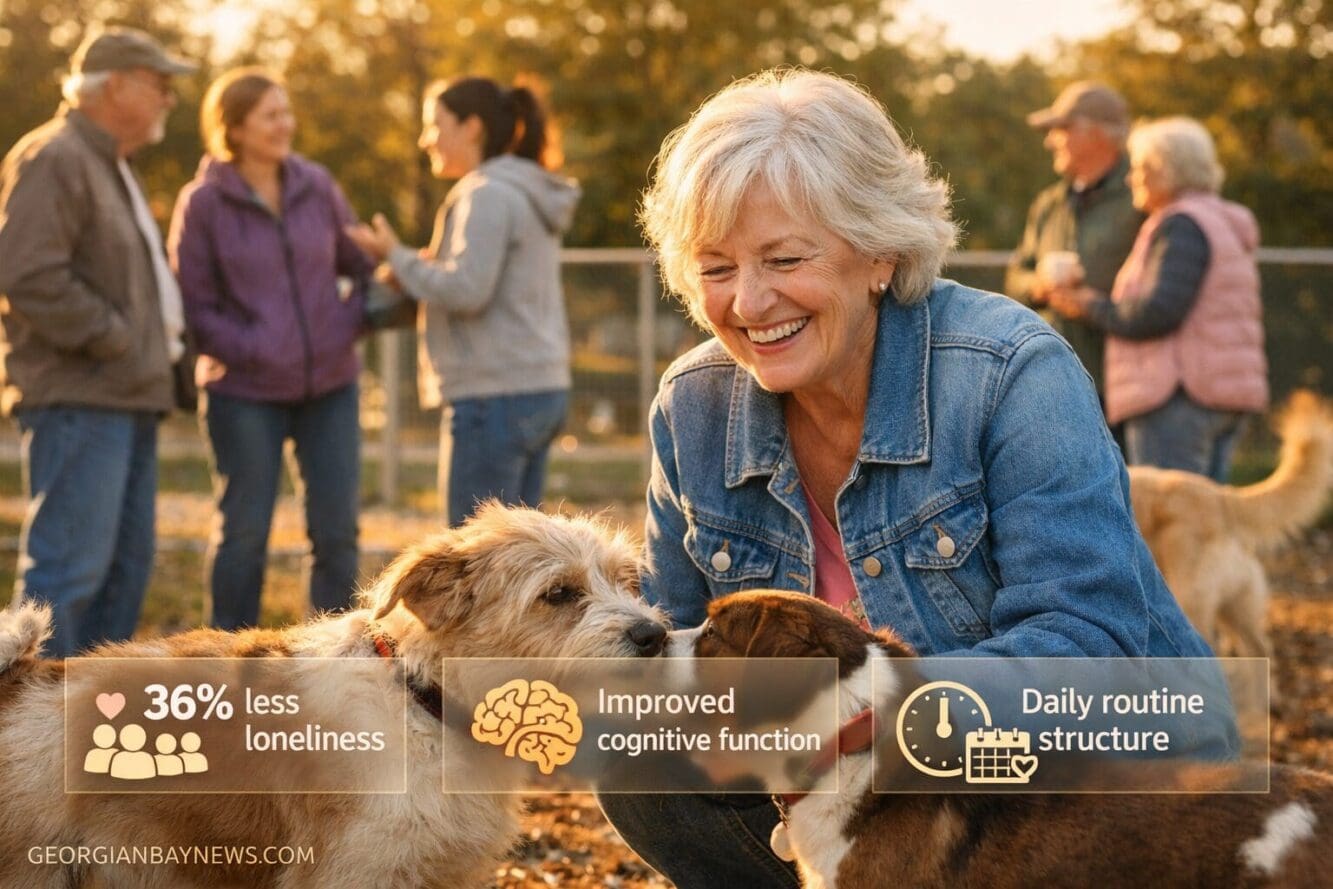
Perhaps most surprisingly, pets contribute to better cognitive function in older adults[2]. The daily responsibilities of caregiving—remembering feeding schedules, administering medications, planning vet visits—provide gentle cognitive exercise. Play, training, and interaction stimulate memory and cognitive engagement in ways that keep neural pathways active[2][4].
Seniors interested in additional brain cell exercises can combine pet ownership with targeted cognitive activities for comprehensive mental fitness.
In 2026, loneliness among seniors has been recognized as a public health crisis comparable to smoking in its health impacts. Pet Companionship for Seniors offers a powerful antidote: seniors with pets are 36% less likely to report loneliness than their peers without animal companions[2].
This reduction in isolation stems from both the direct companionship pets provide and the social opportunities they create. Pet owners consistently report being more likely to know their neighbors and meet new people through pet-friendly events, dog parks, and daily walks[2]. These social connections reduce isolation while building community safety nets[4].
The health advantages of Pet Companionship for Seniors extend into areas that might genuinely surprise healthcare professionals and seniors alike.
Pet ownership correlates with reduced visits to doctors[3], a finding that translates to both lower healthcare costs and potentially better overall health status. While the mechanisms remain under investigation, the combination of increased physical activity, stress reduction, improved mental health, and enhanced social connection likely all contribute to this outcome.
For seniors and their families navigating healthcare decisions, understanding these preventive benefits becomes increasingly important. Resources about protecting seniors from fraud can complement discussions about holistic health strategies.
The stress-reducing properties of pet companionship translate directly into improved immunity[1]. Chronic stress suppresses immune function, making seniors more vulnerable to infections and slower to heal. By moderating stress responses, pets help maintain more robust immune surveillance and response.
While less studied, anecdotal evidence and emerging research suggest that the distraction, comfort, and endorphin release associated with pet interaction may help seniors manage chronic pain conditions. The gentle physical activity required for pet care can also improve mobility and reduce pain from conditions like arthritis.
Combining pet ownership with gentle healing practices like qigong yoga may provide comprehensive approaches to pain management and physical wellness.
Beyond measurable health metrics, Pet Companionship for Seniors addresses fundamental human needs that become increasingly challenging in later life: purpose, routine, and meaning.
Pets don’t understand retirement or flexible schedules—they need feeding, grooming, walking, and attention on predictable schedules. This requirement helps seniors establish daily routines that structure their days[1][2]. For individuals transitioning from decades of work schedules to open-ended retirement, this structure provides crucial anchoring.
The routine isn’t restrictive; it’s liberating. Knowing that someone depends on you gets you out of bed, dressed, and engaged with the day. It creates natural wake and sleep cycles that improve overall health.
Caring for a pet gives seniors a sense of responsibility, purpose, and meaning[1]—elements crucial for maintaining optimal mental well-being. In a life stage often characterized by loss—of career, sometimes of spouse or friends, of certain physical capabilities—a pet provides something to care for, someone who needs you.
This isn’t a small psychological benefit. Purpose and meaning correlate strongly with longevity, mental health, and quality of life. The simple act of being needed by another living creature can provide profound psychological sustenance.
Pets offer something increasingly rare in modern society: unconditional acceptance. They don’t care about your age, your wrinkles, your slower pace, or your social status. This acceptance creates a safe emotional space where seniors can be themselves without judgment—a form of emotional support that’s genuinely therapeutic.
While the benefits of Pet Companionship for Seniors are compelling, successful pet ownership requires thoughtful planning and honest assessment.
Not all pets suit all seniors. Consider:
Responsible pet ownership requires budgeting for:
Successful senior pet ownership often involves:
For seniors maintaining independence in their living situations, integrating pet care into daily routines can actually enhance autonomy rather than complicate it.
Pet Companionship for Seniors doesn’t always require ownership. Alternatives include:
Many communities offer programs where trained therapy animals visit seniors in their homes or facilities, providing benefits without ownership responsibilities.
Fostering provides temporary companionship while helping animals in need—ideal for seniors uncertain about long-term commitments.
Regular interaction with grandchildren’s pets or neighbors’ animals can provide many benefits without full responsibility.
Animal shelters often welcome senior volunteers to socialize animals, walk dogs, or assist with care—providing interaction without home responsibility.
In an era where some people are even exploring AI companions, the irreplaceable value of living, breathing animal companionship becomes even more apparent.
Research into Pet Companionship for Seniors continues to reveal new benefits and refine our understanding of mechanisms. In 2026, studies are examining:
As our understanding deepens, the integration of pet companionship into comprehensive senior health strategies will likely become more formalized and supported by healthcare systems.
The evidence is overwhelming: Pet Companionship for Seniors delivers measurable, significant health benefits that extend across cardiovascular, mental, physical, and social domains. From the 31% reduction in heart attack and stroke deaths[2] to the 36% decrease in loneliness[2], from lower blood pressure[2][3][4] to improved cognitive function[2][4], the case for senior pet ownership has never been stronger.
But beyond the statistics lies something equally important: the joy, purpose, and unconditional love that a pet brings into daily life. In a world that often marginalizes aging, pets offer acceptance, routine, and meaning—elements essential for thriving, not just surviving.
For seniors ready to take the next step toward enhanced health and happiness, a wagging tail or gentle purr might be exactly what the doctor should order. The benefits of Pet Companionship for Seniors aren’t just feel-good stories—they’re evidence-based pathways to healthier, more connected, more purposeful aging.
Whether you’re a senior considering a pet, a family member supporting an aging loved one, or a healthcare professional advising patients, understanding these unexpected health benefits can inform better decisions and potentially add years of quality to life. In 2026, as we continue seeking solutions to the challenges of aging populations worldwide, sometimes the best medicine comes with four legs and a heart full of unconditional love. 🐕❤️
[1] The Impact Of Pet Ownership On Senior Happiness And Health – https://friendshipcenters.org/the-impact-of-pet-ownership-on-senior-happiness-and-health/
[2] Benefits Of Pet Ownership – https://wyndemerelcs.com/blog/benefits-of-pet-ownership/
[3] Research – https://www.petsfortheelderly.org/our-work/research.php
[4] Unexpected Health Benefits Of Pets For Older Americans – https://newsroom.cigna.com/unexpected-health-benefits-of-pets-for-older-americans
[5] Pets Bring Benefits And Challenges For Seniors Study Shows – https://www.psychologytoday.com/us/blog/fellow-creatures/202412/pets-bring-benefits-and-challenges-for-seniors-study-shows
[6] Benefits Of Pets For Seniors – https://kohud.kendal.org/blog/benefits-of-pets-for-seniors/
[7] Pet Companions – https://villagecaregiving.com/blog/pet-companions/
[8] The Benefits Of Pet Ownership For Adults Age 60 And Older – https://archwellhealth.com/blogs/the-benefits-of-pet-ownership-for-adults-age-60-and-older/
[9] How Pairing Older Adults With Older Pets Can Benefit Both 21006 – https://www.elderlawanswers.com/how-pairing-older-adults-with-older-pets-can-benefit-both-21006
Some content and illustrations on GEORGIANBAYNEWS.COM are created with the assistance of AI tools.
GEORGIANBAYNEWS.COM shares video content from YouTube creators under fair use principles. We respect creators’ intellectual property and include direct links to their original videos, channels, and social media platforms whenever we feature their content. This practice supports creators by driving traffic to their platforms.