






















Loneliness Epidemic: Practical Ways Seniors Can Build New Connections

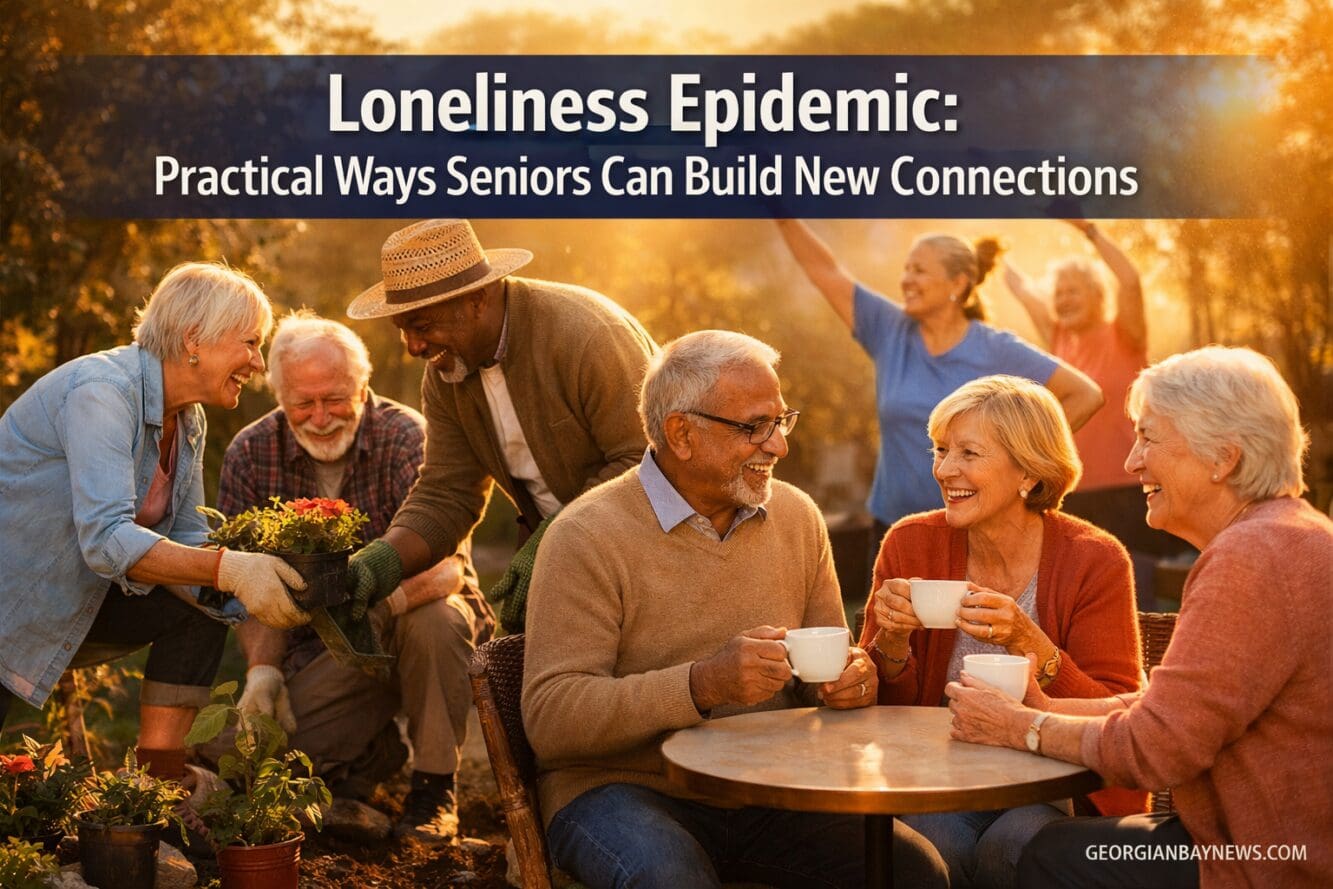
Picture Brenda, a vibrant 72-year-old retired teacher who spent decades surrounded by students, colleagues, and friends. After retirement, her days became quieter—too quiet. The phone stopped ringing as frequently. Invitations dwindled. Before she realized it, weeks would pass with only brief conversations at the grocery store. Brenda’s story isn’t unique. In 2026, we’re facing a loneliness epidemic that’s silently affecting millions of older adults across North America and beyond, creating a public health crisis that demands our immediate attention.
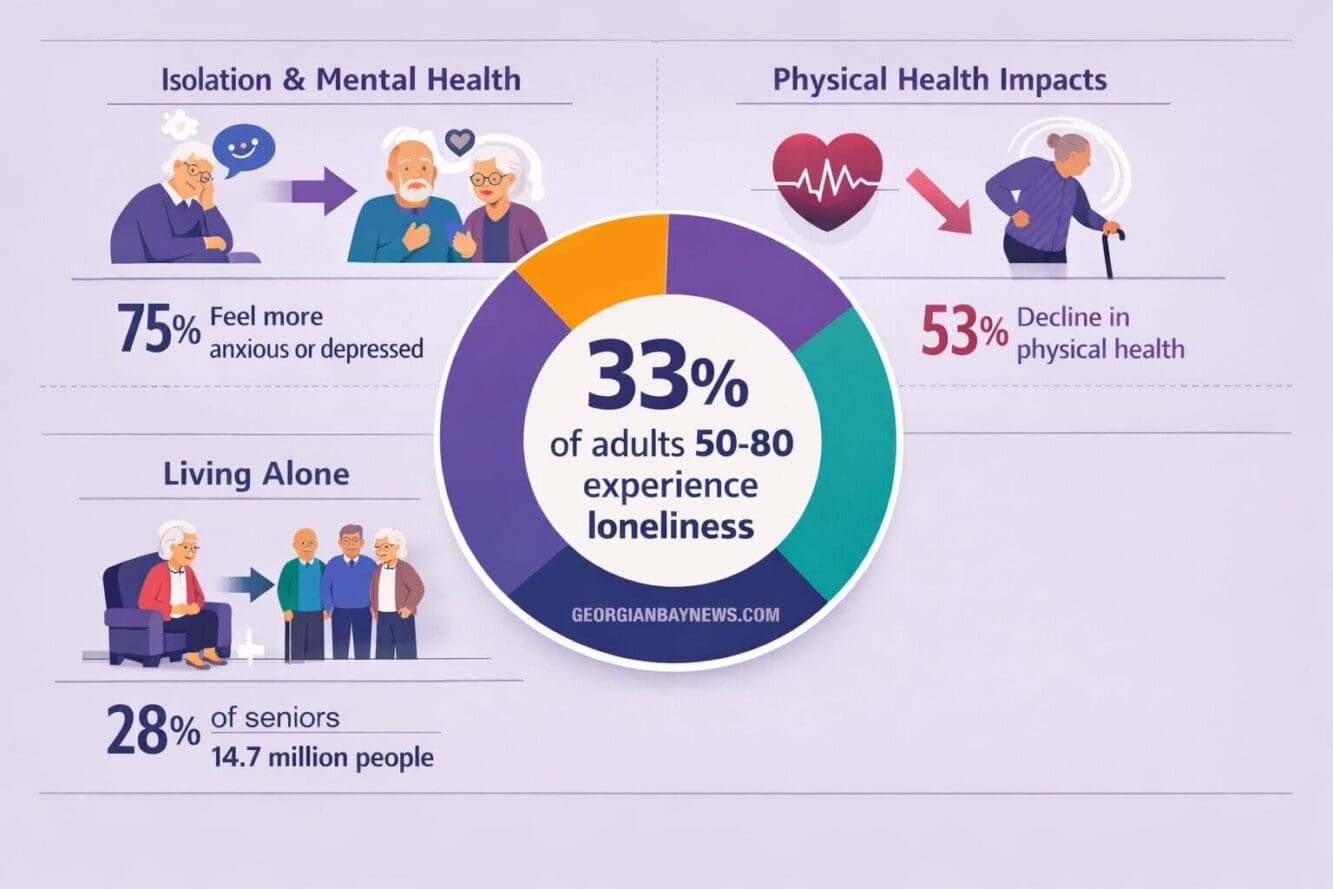
The numbers tell a sobering story: 33% of older adults ages 50-80 felt lonely some of the time or often in 2024, with approximately 60+ million Americans experiencing the isolating effects of disconnection.[1][5] This isn’t just about feeling a bit down—chronic loneliness carries health risks comparable to smoking 15 cigarettes daily. But here’s the encouraging news: loneliness isn’t inevitable, and there are proven, practical strategies that can help seniors rebuild meaningful connections and reclaim their social lives.
![How We Became the Loneliest Generation [Documentary]](https://i.ytimg.com/vi/I19btmIBhx0/hqdefault.jpg)
Key Takeaways
- One in three older adults experiences loneliness regularly, with 29% reporting social isolation—a serious public health concern with physical and mental health consequences[1]
- Employment and education serve as protective factors, with working adults and college graduates experiencing significantly lower loneliness rates than their counterparts[3]
- Practical interventions including community programs, technology adoption, volunteer work, and structured social activities can dramatically reduce isolation
- Mental and physical health are deeply interconnected with loneliness, with 75% of seniors with poor mental health experiencing loneliness[1]
- Younger seniors (ages 45-49) actually report higher loneliness rates than older age groups, challenging common assumptions about aging[3]
Understanding the Loneliness Epidemic Among Seniors
The loneliness epidemic affecting older adults in 2026 represents more than just an emotional challenge—it’s a documented public health crisis with measurable impacts. While loneliness rates have recovered somewhat from pandemic peaks (when 42% of seniors reported loneliness), current levels remain concerning.[1]
The Scope of Senior Isolation
28% of seniors live alone, totaling more than 14.7 million people (5 million men and 9.7 million women).[2] Living alone doesn’t automatically equal loneliness, but it significantly increases vulnerability to social isolation. The data reveals some surprising patterns:
- 49% of adults ages 45-49 report loneliness, with rates declining as people age into their 60s, 70s, and beyond[3]
- 57% of nonworking adults feel isolated, compared to 40% of working adults and 34% of retirees[3]
- 62% of never-married adults and 47% of divorced/separated adults experience loneliness[3]
The Health Connection Nobody Can Ignore
The relationship between loneliness and health outcomes is undeniable. 75% of older adults reporting fair or poor mental health experienced loneliness in 2024, while 53% with fair or poor physical health reported the same.[1] This creates a vicious cycle where poor health leads to isolation, which further deteriorates health.
Research has linked chronic loneliness to increased risks of:
- Depression and suicidal ideation
- Cardiovascular disease
- Cognitive decline and dementia
- Weakened immune system function
- Higher mortality rates
For seniors concerned about maintaining their wellbeing, exploring resources like chair yoga classes for beginners and brain cell exercises can provide both physical activity and opportunities for social connection.
Practical Strategies to Combat the Loneliness Epidemic
Fighting isolation requires intentional action, but the good news is that effective solutions exist and are accessible to most seniors. Here are evidence-based strategies that work:
💻 Embrace Technology (Yes, Really!)
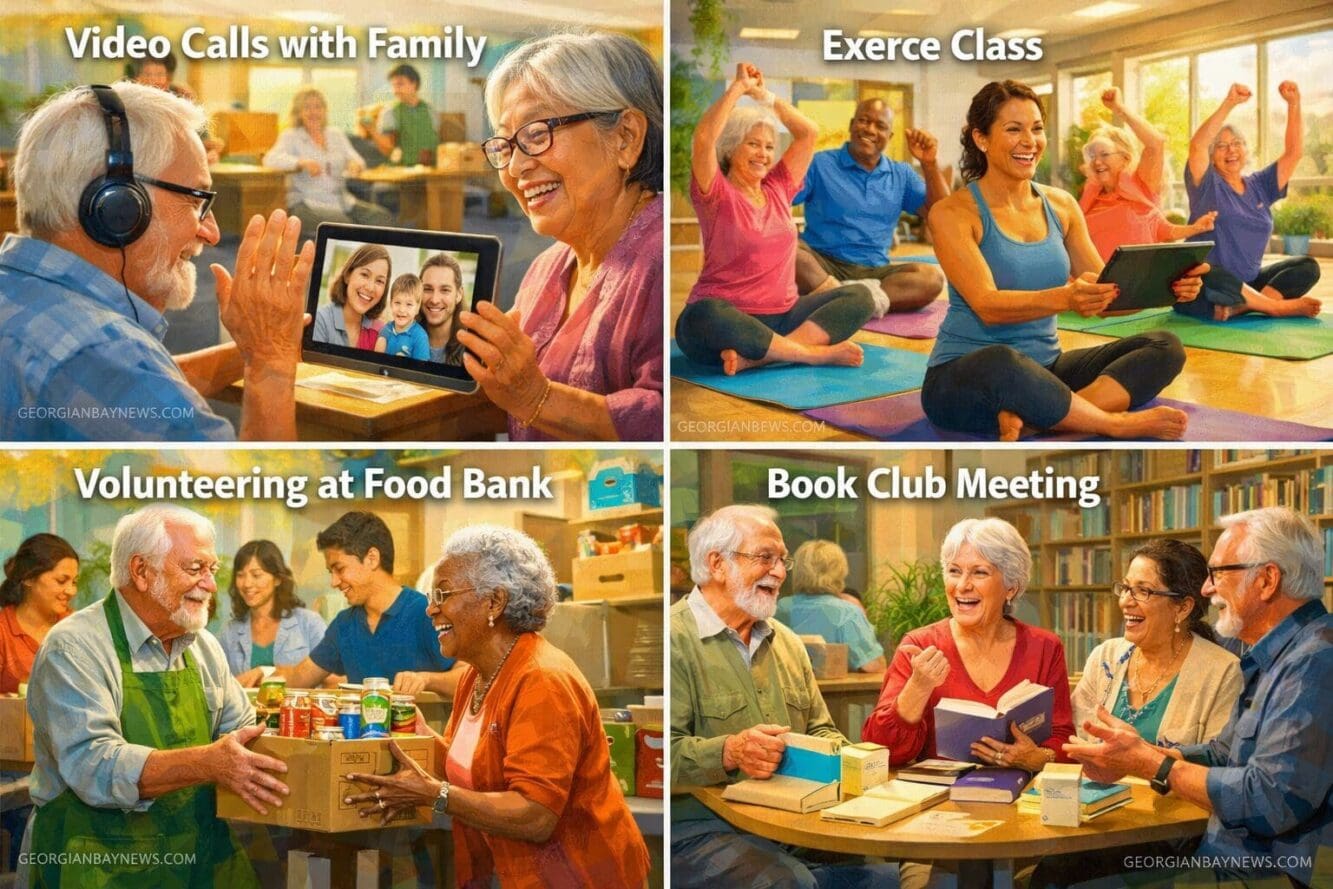
Technology isn’t just for young people anymore. Video calling platforms, social media, and online communities have become lifelines for isolated seniors. In 2026, user-friendly apps designed specifically for older adults make staying connected easier than ever.
Getting started:
- Ask family members to set up video calling (FaceTime, Zoom, or WhatsApp)
- Join Facebook groups centered on hobbies or interests
- Explore senior-specific platforms like Stitch or SilverSingles
- Take advantage of free technology classes at local libraries

🤝 Volunteer and Give Back
52% of older adults not working (excluding retirees) experienced loneliness in 2024, up from 38% in 2018.[1] Volunteering provides structure, purpose, and automatic social interaction. Local food banks, hospitals, schools, and animal shelters constantly need help.
Margaret, the retired teacher we met earlier, found her way back to connection by volunteering as a literacy tutor. “Suddenly, I had somewhere to be twice a week, people who counted on me, and students who reminded me why I loved teaching,” she shares.
🏃♀️ Join Community Programs and Classes
Structured activities create natural opportunities for repeated interactions, which research shows is key to forming friendships. Consider:
- Exercise classes: Walking groups, water aerobics, tai chi
- Educational programs: Community college courses, library workshops
- Creative pursuits: Art classes, writing groups, music ensembles
- Game groups: Bridge clubs, chess clubs, trivia nights
The beauty of these programs is that conversation flows naturally around shared activities, reducing the pressure of “making friends.”
🏘️ Explore Senior Centers and Community Resources
Senior centers have evolved far beyond bingo (though there’s nothing wrong with bingo!). Modern centers offer:
| Activity Type | Benefits | Frequency |
|---|---|---|
| Fitness Classes | Physical health + social connection | Daily options |
| Educational Workshops | Mental stimulation + learning community | Weekly |
| Social Events | Pure connection + fun | Varies |
| Support Groups | Emotional support + shared experiences | Weekly/Monthly |
| Day Trips | Adventure + bonding | Monthly |
🐕 Consider a Pet (If Appropriate)
Pets provide companionship, routine, and conversation starters during walks. They also offer unconditional love and a reason to get out of the house. Before adopting, honestly assess your physical capabilities and financial situation. Many shelters offer senior-to-senior adoption programs with reduced fees.
📚 Join or Start a Book Club
Book clubs combine intellectual engagement with social connection. They provide built-in conversation topics and regular meeting schedules. Libraries often host free book clubs, or you can start your own with neighbors.
🙏 Connect Through Faith Communities
For those who are spiritually inclined, religious organizations offer ready-made communities with shared values. Beyond worship services, many offer social events, volunteer opportunities, and support groups.
Overcoming Barriers to Connection
Understanding obstacles is half the battle. Here’s how to address common challenges:
Transportation Issues
Limited mobility shouldn’t mean limited social life. Solutions include:
- Ride-sharing services with senior discounts
- Community shuttle services
- Volunteer driver programs
- Virtual participation options
Financial Constraints
45% of adults with high school education or less report loneliness, compared to 34% with college degrees or higher—partly reflecting economic disparities.[3] Many connection opportunities are free:
- Library programs
- Park walking groups
- Free community events
- Online social groups
Health Limitations
Physical or cognitive challenges require creative solutions but shouldn’t prevent connection:
- Virtual participation in groups
- Phone-based social programs
- In-home visits from volunteers
- Adaptive activity programs
Seniors dealing with health concerns might benefit from learning about protecting themselves from fraud, as isolated individuals are often targeted by scammers.
Social Anxiety or Shyness
Starting new social connections feels daunting at any age. Strategies that help:
- Begin with structured activities (less pressure than open socializing)
- Bring a friend to the first meeting
- Set small, achievable goals (“I’ll attend three times before deciding”)
- Remember that many others feel the same way
The Role of Family, Communities, and Policy
Addressing the loneliness epidemic requires collective action beyond individual efforts.
👨👩👧👦 What Families Can Do
- Schedule regular contact: Video calls, visits, phone check-ins
- Include seniors in family activities: Don’t assume they won’t be interested
- Listen actively: Sometimes people need to be heard more than advised
- Facilitate technology use: Set up devices and provide patient training
- Watch for warning signs: Withdrawal, declining self-care, mood changes
🏛️ Community-Level Solutions
Progressive communities are implementing innovative programs:
- Intergenerational community centers
- Subsidized transportation for seniors
- “Friendly visitor” programs matching volunteers with isolated seniors
- Public spaces designed for social interaction
- Technology training programs
📋 Policy Interventions
The World Health Organization recognizes that around 16% of people worldwide (one in six) experience loneliness, prompting calls for systemic responses.[6] Policy solutions include:
- Funding for senior social programs
- Healthcare screening for loneliness
- Affordable housing that encourages community
- Support for caregivers who prevent isolation
Communities addressing broader challenges like emergency preparedness often find that connected seniors are more resilient during crises.
Success Stories: Real Seniors, Real Results
James, 68, joined a community woodworking shop after his wife passed away. “I went from talking to nobody for days to having a whole crew of guys I see twice a week. We build things together, share lunch, and genuinely care about each other.”
Patricia, 75, overcame her fear of technology to join an online quilting community. “I’ve made friends from three different countries! We share patterns, video chat while we work, and I’ve never felt more connected.”
Robert and Susan, both 71, started attending free concerts in their local park. “We’ve met our whole friend group there over two summers. Now we go to each other’s homes, celebrate birthdays, and have a group text that’s active daily.”
These stories illustrate a crucial truth: connection is possible at any age, but it requires intentionality and courage to take that first step.
Creating Your Personal Connection Plan
Ready to combat isolation? Here’s your action plan:
Week 1-2: Assess and Research
- Identify your interests and limitations
- Research local programs and opportunities
- Talk to friends or family about options
- Set realistic goals
Week 3-4: Take Action
- Sign up for one activity or program
- Reach out to one old friend
- Learn one new technology skill
- Attend your first event
Month 2-3: Build Momentum
- Add a second regular activity
- Initiate conversations with new acquaintances
- Invite someone for coffee or a walk
- Evaluate what’s working
Month 4+: Maintain and Expand
- Establish routine social commitments
- Deepen promising friendships
- Consider starting your own group
- Help another isolated senior get connected
Remember: Building connections takes time. Don’t get discouraged if friendships don’t form immediately. Consistency and showing up repeatedly are key.
Conclusion: Taking the First Step Together
The loneliness epidemic affecting seniors in 2026 is real, widespread, and harmful—but it’s not insurmountable. With 29% of older adults feeling isolated and 33% experiencing regular loneliness,[1] millions of seniors are searching for the same thing: meaningful human connection.
The strategies outlined here—from embracing technology to volunteering, joining community programs to adopting pets—offer proven pathways out of isolation. The most important step is the first one: deciding that loneliness doesn’t have to be your reality.
Your Next Steps
- Choose one strategy from this article that resonates with you
- Take one concrete action this week (make a phone call, research a program, reach out to a friend)
- Share this article with someone who might be struggling with isolation
- Be patient with yourself—building connections is a journey, not a destination
For seniors and their families looking for additional support, exploring community resources and local programs can provide valuable starting points.
The loneliness epidemic may be widespread, but so is the human capacity for connection, resilience, and community. Every friendship begins with a single conversation. Every community starts with one person deciding to show up. That person can be you.
Remember Margaret? She’s now leading a weekly book discussion at her local library, mentoring young teachers, and has a social calendar that sometimes feels too full. “I didn’t think it was possible at my age,” she reflects, “but I’ve built a whole new life. If I can do it, anyone can.”
Your community is waiting. Your connections are out there. The only question is: what will your first step be? 🌟
References
[1] 1 3 Older Adults Still Experience Loneliness And Isolation – https://www.michiganmedicine.org/health-lab/1-3-older-adults-still-experience-loneliness-and-isolation
[2] Elderly Loneliness Statistics – https://www.consumeraffairs.com/health/elderly-loneliness-statistics.html
[3] Loneliness Epidemic Survey – https://www.aarp.org/family-relationships/loneliness-epidemic-survey/
[4] pubmed.ncbi.nlm.nih.gov – https://pubmed.ncbi.nlm.nih.gov/41574431/
[5] Marti June 24 – https://ucoa.utah.edu/blog/posts/2024/marti-june-24.php
[6] Social Isolation And Loneliness – https://www.who.int/teams/social-determinants-of-health/demographic-change-and-healthy-ageing/social-isolation-and-loneliness
[7] Nation Suffering Division Loneliness – https://www.apa.org/news/press/releases/2025/11/nation-suffering-division-loneliness
Some content and illustrations on GEORGIANBAYNEWS.COM are created with the assistance of AI tools.
GEORGIANBAYNEWS.COM shares video content from YouTube creators under fair use principles. We respect creators’ intellectual property and include direct links to their original videos, channels, and social media platforms whenever we feature their content. This practice supports creators by driving traffic to their platforms.
GEORGIANBAYNEWS.COM shares video content from YouTube creators under fair use principles. We respect creators’ intellectual property and include direct links to their original videos, channels, and social media platforms whenever we feature their content. This practice supports creators by driving traffic to their platforms.
Much Appreciate You Sharing This Post - It Helps MUCH!!!