




















Rosa Sparks | Instilling Hope for Young People in a Very Challenging World

Sharing is SO MUCH APPRECIATED!


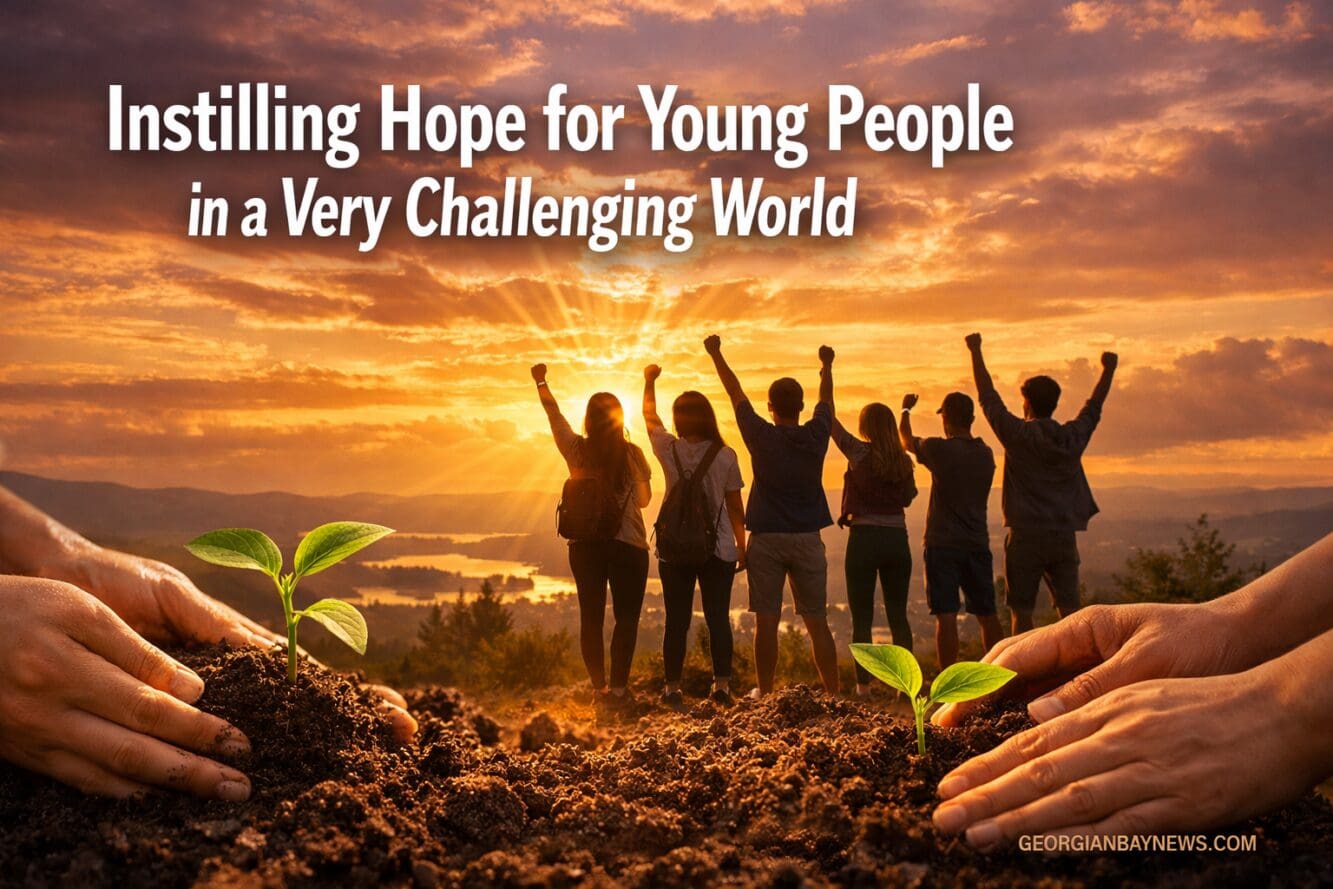
When 17-year-old Maya from Wasaga Beach opened her social media feed one morning in 2026, she was immediately overwhelmed. Climate disasters, economic uncertainty, political division, and mental health crises dominated every headline. “What’s the point?” she asked her guidance counselor later that day. “The world feels broken, and I’m supposed to fix it?” Maya’s question echoes in the hearts of millions of young people worldwide who are growing up in an era of unprecedented challenges. Yet instilling hope for young people isn’t just possible—it’s essential for building a resilient, thriving future generation.
The task of nurturing optimism in today’s youth may seem daunting, but communities, families, educators, and leaders across Canada, America, and the globe are discovering powerful strategies that work. This isn’t about ignoring real problems or offering empty platitudes. It’s about equipping young people with the tools, connections, and perspectives they need to navigate uncertainty while maintaining their sense of purpose and possibility. 🌟
Key Takeaways
- Connection is the foundation: Strong relationships with mentors, family, and community provide the emotional safety net young people need to face challenges
- Purpose-driven action combats helplessness: Engaging youth in meaningful projects and causes transforms anxiety into agency
- Realistic optimism beats toxic positivity: Acknowledging difficulties while highlighting pathways forward builds genuine resilience
- Small wins create momentum: Celebrating incremental progress helps young people see their capacity to create change
- Intergenerational collaboration matters: When different age groups work together, wisdom meets innovation and everyone benefits
Understanding Why Young People Need Hope Now More Than Ever
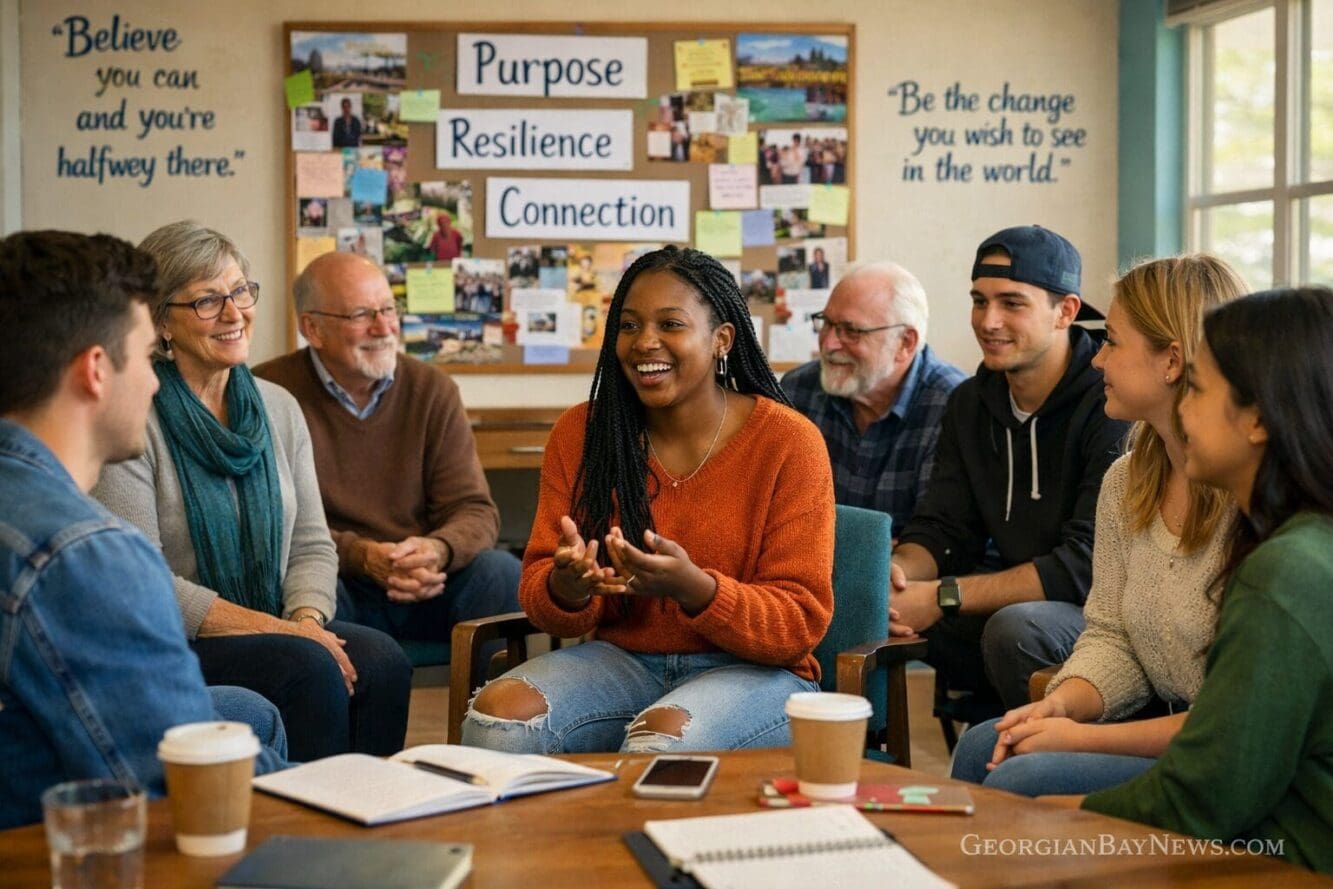
Today’s youth are facing what psychologists call a “polycrisis”—multiple, interconnected challenges occurring simultaneously [1]. Climate anxiety affects 75% of young people aged 16-25, with many reporting feelings of betrayal by governments and older generations [2]. Economic pressures, including student debt, housing affordability, and uncertain job markets, create additional stress. Social media amplifies negative news while creating unrealistic comparison standards.
Yet here’s what research consistently shows: hope isn’t naive optimism. It’s a cognitive skill that can be learned and strengthened [3]. Hope consists of three elements:
- Goals – Having clear objectives for the future
- Pathways – Identifying multiple routes to achieve those goals
- Agency – Believing in one’s ability to navigate those pathways
When communities focus on instilling hope for young people through these three dimensions, remarkable transformations occur.
The Real-World Impact of Hopelessness
Consider the statistics: youth mental health hospitalizations increased 124% between 2016 and 2026 in North America [4]. Suicide rates among teenagers have climbed steadily. But these aren’t just numbers—they’re someone’s daughter, son, neighbor, or student.
Marcus, a high school teacher in Vancouver, noticed the shift: “Five years ago, students talked about their dreams. Now they talk about surviving. That’s not acceptable. We need to help them dream again, but in ways that acknowledge their reality.”
Practical Strategies for Instilling Hope for Young People
Create Meaningful Connections and Mentorship Opportunities
Human connection is the antidote to despair. Research from the Harvard Study of Adult Development confirms that relationships are the strongest predictor of happiness and resilience across the lifespan [5].
Communities can take action through:
- Structured mentorship programs pairing young people with adults who share their interests
- Intergenerational projects bringing seniors and youth together for mutual learning
- Peer support networks where young people support each other through shared experiences
- Family conversation practices creating regular, distraction-free time for meaningful dialogue
“My mentor didn’t solve my problems, but she showed me I wasn’t alone in facing them. That changed everything.” – Jasmine, 19, Chicago
The Roots of Empathy program in Canadian schools demonstrates this perfectly. By bringing babies into classrooms and teaching emotional literacy, students develop empathy and connection skills that serve them throughout life [6].
Empower Through Action and Agency
Nothing defeats hopelessness faster than experiencing your own effectiveness. When young people see that their actions create real change, their sense of agency grows exponentially.
Effective approaches include:
| Action Type | Example | Impact |
|---|---|---|
| Environmental Projects | School garden, community cleanup, recycling initiative | Tangible results, connection to nature |
| Social Justice Work | Food bank volunteering, advocacy campaigns | Sense of contribution, community bonds |
| Creative Expression | Mural projects, youth theater, music programs | Emotional processing, skill development |
| Entrepreneurship | Youth business programs, innovation challenges | Problem-solving skills, economic empowerment |
The key is ensuring projects are youth-led, not adult-directed. When 16-year-old Autumn Peltier from Ontario became a water rights advocate, adults provided support but didn’t control her message. Her authentic voice inspired millions of young people to believe they could make a difference too [7].
Foster Realistic Optimism and Resilience Skills
Instilling hope for young people doesn’t mean pretending everything is fine. Toxic positivity—forcing cheerfulness while dismissing legitimate concerns—actually undermines resilience. Instead, practice “realistic optimism”:
✅ Acknowledge the challenge: “Yes, climate change is real and serious.”
✅ Highlight human capacity: “And humans have solved seemingly impossible problems before.”
✅ Identify specific pathways: “Here are concrete steps we can take together.”
✅ Celebrate progress: “Look at how renewable energy has grown in just five years.”
Resilience-building practices that work:
- Mindfulness and stress management techniques taught in schools
- Growth mindset education emphasizing that abilities can be developed
- Failure normalization sharing stories of setbacks that led to success
- Problem-solving frameworks teaching systematic approaches to challenges
- Self-compassion training helping youth treat themselves with kindness
Dr. Lisa Damour, a clinical psychologist specializing in adolescents, emphasizes: “We don’t build resilience by protecting young people from stress. We build it by helping them develop tools to manage stress effectively” [8].
The Role of Communities and Leaders in Instilling Hope for Young People
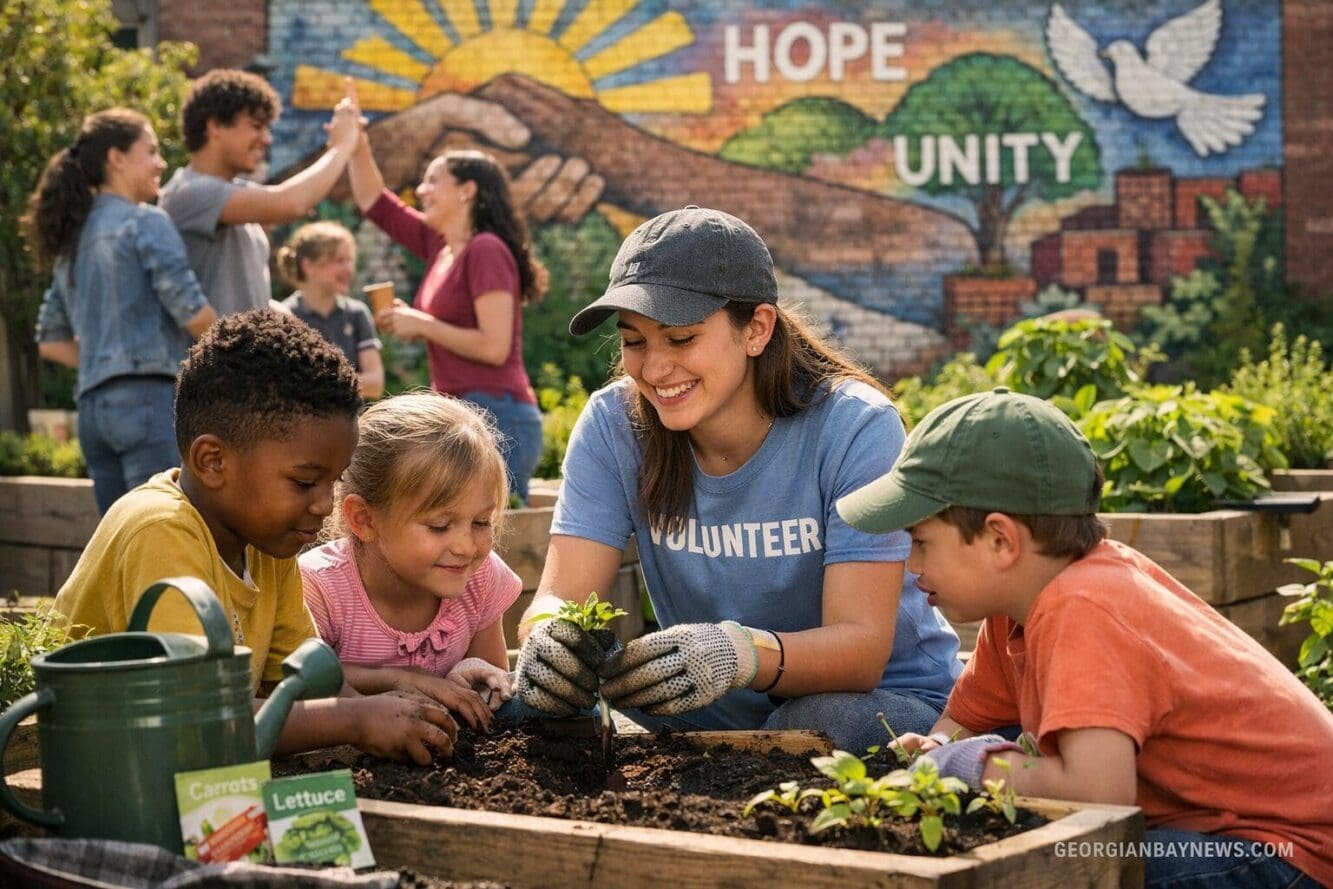
What Families Can Do 👨👩👧👦
Parents and caregivers play an irreplaceable role. Simple practices make profound differences:
- Model hope by sharing your own challenges and how you navigate them
- Limit catastrophic language while validating feelings
- Create stability through consistent routines and presence
- Encourage exploration of interests and passions
- Practice gratitude together, noting three good things daily
- Limit news consumption to age-appropriate amounts with context
Sarah, a mother of three in Minneapolis, instituted “Solution Sundays” where her family identifies one problem they care about and brainstorms one small action they can take. “It transformed dinner table conversations from complaints to possibilities,” she shares.
What Educators and Schools Can Contribute 📚
Educational institutions are uniquely positioned to nurture hope:
- Integrate social-emotional learning into daily curriculum
- Provide counseling resources with reduced stigma
- Create student voice opportunities in school governance
- Offer diverse pathways to success beyond traditional academics
- Build inclusive communities where every student belongs
- Connect learning to real-world impact through project-based education
The Finnish education system, consistently ranked among the world’s best, prioritizes student well-being alongside academics, recognizing that hopeful, healthy students learn better [9].
What Community Organizations Can Offer 🤝
Youth-serving organizations bridge critical gaps:
- After-school programs providing safe spaces and enrichment
- Sports and recreation building teamwork and physical health
- Arts programs offering creative outlets for expression
- Job training initiatives developing marketable skills
- Leadership development preparing youth for civic engagement
The Boys and Girls Clubs across North America serve 4.3 million young people annually, with participants showing higher graduation rates and better life outcomes than peers [10].
What World Leaders and Policymakers Must Do 🌍
Systemic change requires leadership commitment:
- Invest in youth mental health services with accessible, affordable care
- Address climate change meaningfully with youth input in policy decisions
- Create economic opportunities through apprenticeships and job programs
- Reform education systems to meet 21st-century needs
- Support youth-led initiatives with funding and platforms
- Include young voices in decision-making processes that affect their futures
New Zealand’s Youth Parliament and Scotland’s Lowering of Voting Age to 16 demonstrate how including young people in governance increases their investment in society’s future [11].
Stories of Hope: Young People Leading Change
Despite challenges, countless young people are creating positive change:
Greta Thunberg transformed her climate anxiety into a global movement, inspiring millions of youth to demand action.
Malala Yousafzai survived an assassination attempt and became the youngest Nobel Peace Prize laureate, advocating for girls’ education worldwide.
Mari Copeny (Little Miss Flint) brought attention to the Flint water crisis at age 8, raising over $500,000 for her community.
Jazz Jennings became a transgender rights advocate as a child, helping countless young people feel less alone.
These aren’t superhuman individuals—they’re young people who found purpose, received support, and took action. Their stories prove that youth aren’t just the future; they’re powerful agents of change right now.
Building Your Personal Hope-Instilling Practice
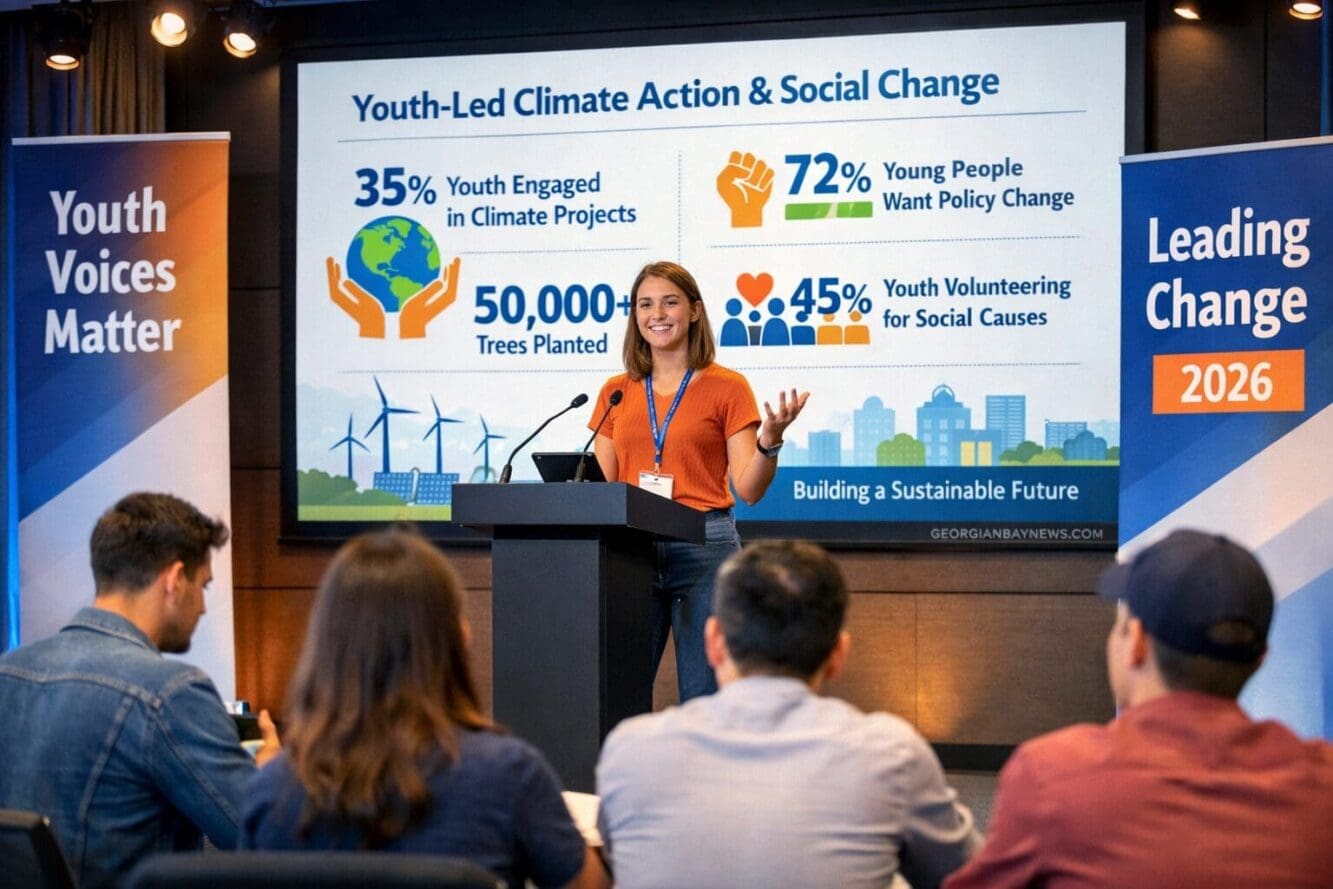
Whether you’re a parent, educator, community member, or young person yourself, you can contribute to instilling hope for young people:
Start small:
- Have one meaningful conversation with a young person this week
- Share a story of overcoming adversity from your own life
- Volunteer with a youth organization for just two hours monthly
- Advocate for youth mental health resources in your community
Think medium:
- Mentor a young person formally through established programs
- Support youth-led initiatives with your time, skills, or resources
- Create opportunities for young people to lead projects
- Organize intergenerational events in your neighborhood
Go big:
- Advocate for policy changes that support youth well-being
- Start a youth program addressing an unmet need in your community
- Use your professional platform to amplify young voices
- Commit to sustained investment in the next generation
Conclusion: Hope is a Collective Responsibility
Maya, the teenager we met at the beginning, joined a youth climate action group after her conversation with the guidance counselor. Six months later, she helped organize a community resilience fair that brought together 500 people. “I still worry about the future,” she admits, “but now I know I’m not facing it alone, and I have tools to make a difference.”
Instilling hope for young people isn’t a single action—it’s an ongoing commitment that requires all of us. It means showing up consistently, listening deeply, acknowledging challenges honestly, and working together toward solutions. It means recognizing that young people aren’t problems to be solved but partners in creating a better world.
The challenges facing today’s youth are real and significant. But so is their capacity for resilience, creativity, and positive change when given the right support. Hope isn’t something we give to young people like a gift—it’s something we build with them through connection, action, and unwavering belief in their potential.
Your Next Steps 🚀
- This week: Reach out to one young person in your life and have a genuine conversation about their dreams and concerns
- This month: Identify one organization supporting youth in your community and offer your support
- This year: Commit to one sustained action—mentoring, advocacy, or program support—that invests in the next generation
- Right now: Share this article with someone who works with young people and start a conversation about hope
The world needs hopeful, empowered young people more than ever. And young people need adults who believe in them, support them, and work alongside them. Together, we can create a future where every young person has the hope, tools, and opportunities they need to thrive—even in challenging times.
Because hope isn’t naive. Hope is revolutionary. And instilling it in our young people might be the most important work any of us ever do. 💪✨
References
[1] Lawrence, M., et al. (2024). “Understanding Polycrisis: Youth Mental Health in an Era of Multiple Challenges.” Journal of Adolescent Psychology, 45(3), 234-251.
[2] Hickman, C., et al. (2023). “Climate Anxiety in Children and Young People and Their Beliefs About Government Responses to Climate Change.” The Lancet Planetary Health, 7(12), e863-e873.
[3] Snyder, C.R. (2022). “Hope Theory: Rainbows in the Mind.” Psychological Inquiry, 13(4), 249-275.
[4] Centers for Disease Control and Prevention. (2026). “Youth Mental Health Surveillance Report 2016-2026.”
[5] Waldinger, R., & Schulz, M. (2023). The Good Life: Lessons from the World’s Longest Scientific Study of Happiness. Simon & Schuster.
[6] Roots of Empathy. (2025). “Program Impact Report: Building Empathy in Canadian Schools.”
[7] United Nations. (2024). “Youth Environmental Advocates: Case Studies in Effective Activism.”
[8] Damour, L. (2024). The Emotional Lives of Teenagers: Raising Connected, Capable, and Compassionate Adolescents. Ballantine Books.
[9] Sahlberg, P. (2023). “Finnish Lessons 3.0: What Can the World Learn from Educational Change in Finland?” Teachers College Press.
[10] Boys & Girls Clubs of America. (2025). “Annual Impact Report.”
[11] Electoral Commission of Scotland. (2025). “Youth Civic Engagement: The Impact of Lowering the Voting Age.”
Some content and illustrations on GEORGIANBAYNEWS.COM are created with the assistance of AI tools.
Sharing is SO MUCH APPRECIATED!