





















The Silent CCM Factory: How Canada’s Bicycle & Hockey Empire Faded Away

Sharing is SO MUCH APPRECIATED!


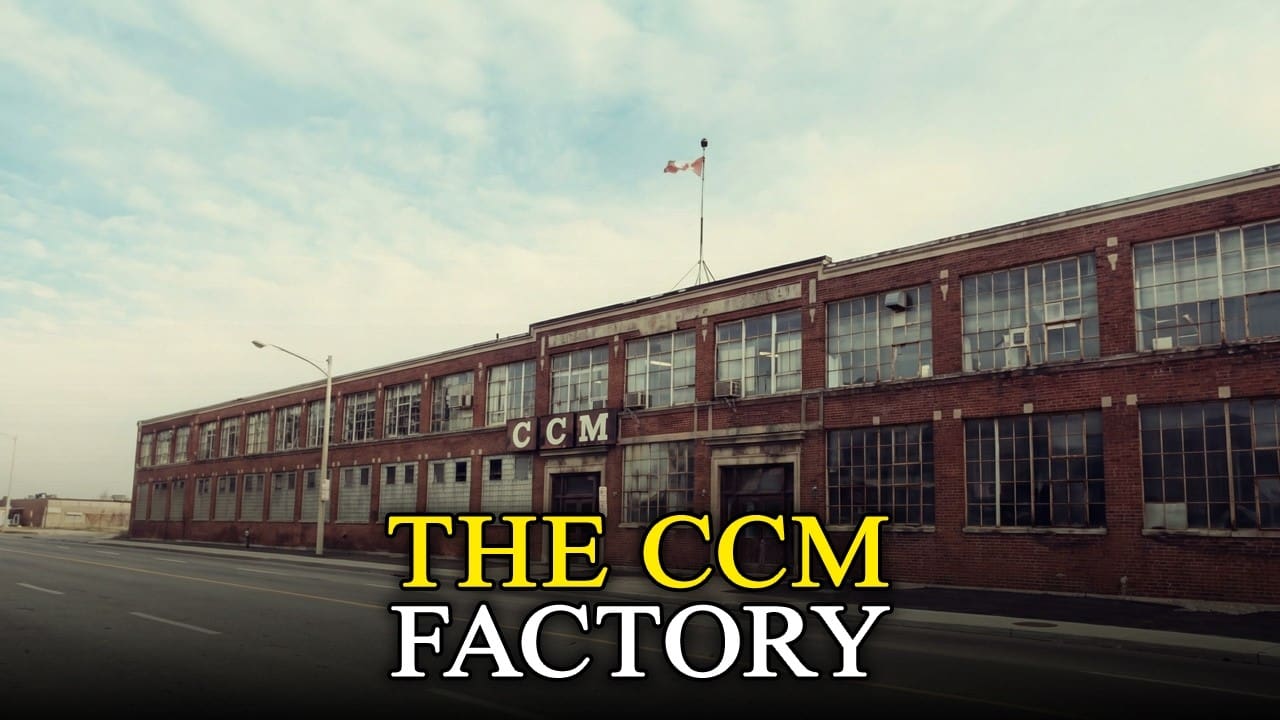
In the heart of Weston, Toronto, there once stood the heartbeat of Canadian childhood—the massive Canada Cycle & Motor Co. factory complex on Lawrence Avenue West, a state-of-the-art industrial fortress built in 1917 that spanned acres and defined what it meant to grow up Canadian.
CCM wasn’t merely a manufacturer; it was the fabric of youth culture, the maker of the iconic CCM Mustang bicycle that every kid rode in summer and the legendary CCM skates worn by NHL pros that every young hockey player dreamed of owning. This was the hub where Canadian summers on two wheels and Canadian winters on ice were forged from steel and leather, where “Made in Canada” meant quality, durability, and national pride stamped on every product.
But in the 1970s and 80s, cheap foreign imports flooded the market—lightweight bikes from Asia, mass-produced skates that undercut CCM’s prices at every turn. The company that had dominated Canadian sports for generations couldn’t compete with the economics of overseas manufacturing. In 1983, the unthinkable happened: CCM filed for bankruptcy, shocking a nation that believed this institution was too Canadian, too essential, too legendary to ever fall. The massive Weston factory—the place that had supplied generations with their first bikes and skates—was later demolished, erased from the Toronto skyline.

Today, CCM still exists as a brand owned by corporate conglomerates, but the bikes and skates are made overseas with no connection to the Weston soul that built them. The factory site is gone, replaced by industrial parks and commercial development. This is the story of how Canada’s bicycle and hockey empire was killed by foreign competition, how an unstoppable institution that defined Canadian childhood was bankrupted and demolished—and what that loss says about a nation that couldn’t protect the companies that shaped its identity.
Sharing is SO MUCH APPRECIATED!