

















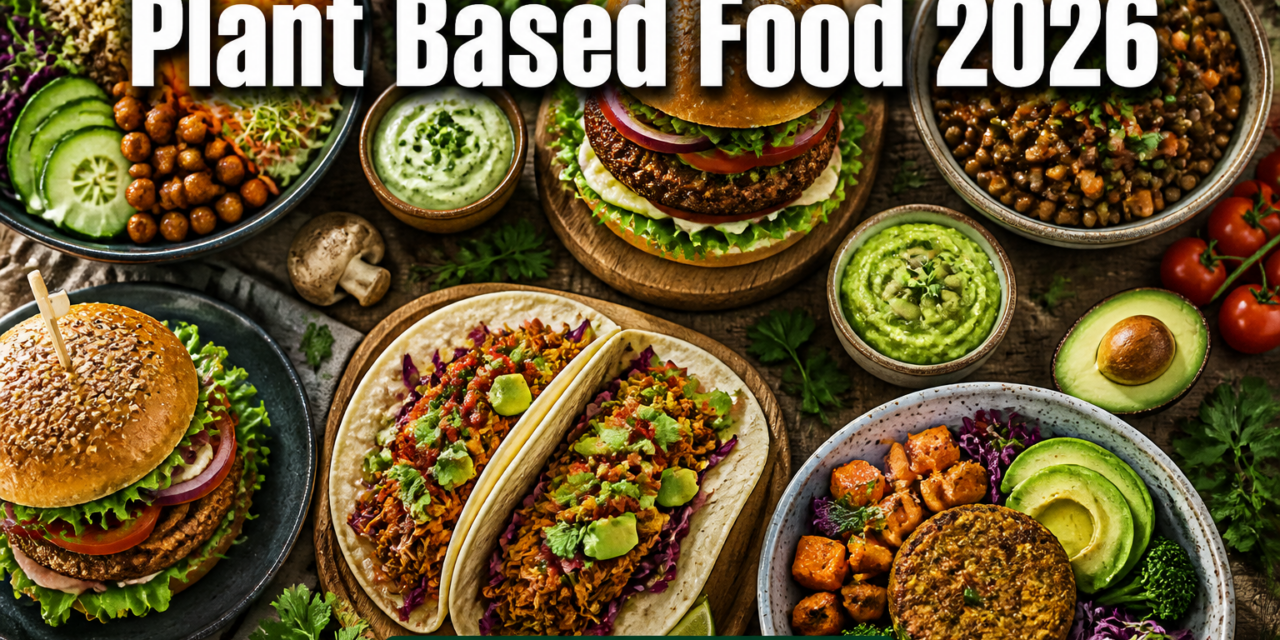
What’s New in Plant Based Food Products: The 2026 Guide to Modern Meat Alternatives and Beyond
Last updated: May 3, 2026
Quick Answer: The plant based food market in 2026 is producing meat substitutes, dairy-free options, and whole-food products that are closer than ever to the taste and texture of animal-based foods. What’s new in plant based food products includes precision-fermented proteins, whole-cut meat alternatives, and cleaner ingredient lists that appeal to health-conscious shoppers and curious first-timers alike.
Key Takeaways
- 🌱 Plant based meat substitutes now include whole-cut “steaks,” pulled pork alternatives, and ultra-realistic burger patties
- 🔬 Precision fermentation is producing proteins and fats that closely mimic animal products without using animals
- 🏷️ Brands are shortening ingredient lists in response to consumer demand for “cleaner” labels
- 🍔 Fast food chains continue expanding plant based menu options in 2026
- 💰 Prices for plant based products have dropped significantly as production scales up
- 🌍 Environmental benefits remain a key driver, with plant based diets linked to lower greenhouse gas emissions
- 🫘 Whole-food options like bean-based burgers and cauliflower products are gaining shelf space alongside high-tech alternatives
- ✅ Nutritional profiles are improving, with more products hitting protein targets comparable to animal meat
Why Plant Based Food Is Evolving So Fast
The plant based food sector has not slowed down. Global demand for meat alternatives and dairy-free products continues to push food scientists and startups to develop better-tasting, more nutritious, and more affordable options every year.
In 2026, the question is no longer “does it exist?” but “which version is best?” Consumers now have dozens of choices across every category, from breakfast sausage to whole-cut chicken alternatives.
What’s New in Plant Based Food Products: Meat Substitutes in 2026
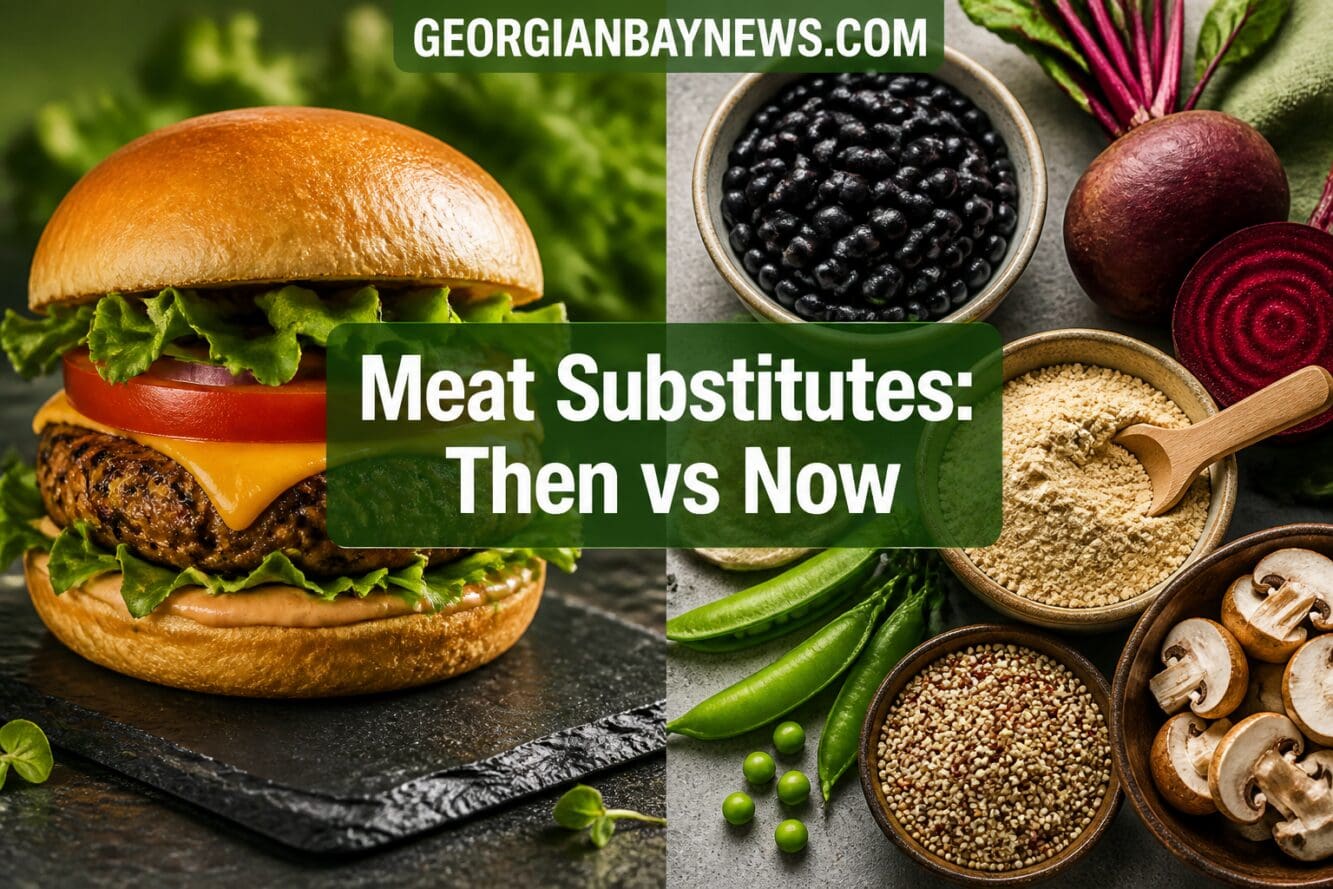
The biggest area of innovation remains meat substitutes. New products in 2026 focus on three improvements: texture, nutrition, and simplicity.
Burgers and Patties
Plant based burgers have been around for years, but 2026 versions are noticeably different:
- Whole-cut patties made from mycoprotein (fungus-derived protein) or textured soy offer a fibrous, meat-like bite
- Beet-free formulas are common now, as brands move away from heavy red coloring agents
- Higher protein counts (20–25g per patty) match or exceed traditional beef burgers
- Shorter ingredient lists with 8–12 ingredients vs. the 20+ seen in earlier generations
Popular 2026 options include products from Beyond Meat, Impossible Foods, and newer entrants using hemp seed and fava bean protein bases. For readers interested in how biodiversity in food crops supports these innovations, the connection is direct: more diverse plant proteins mean more product variety.
Chicken, Pork, and Seafood Alternatives
Chicken alternatives have expanded beyond nuggets:
- Whole-cut fillets using soy and wheat gluten blends now hold up to grilling and pan-frying
- Pulled “pork” made from jackfruit or young green jackfruit remains popular, though newer versions use pea protein for higher protein content
- Plant based shrimp and tuna made from konjac and chickpea flour are appearing in mainstream grocery stores
Sausages and Deli Meats
Plant based sausages using pea protein, fennel, and smoked paprika now outsell some traditional pork sausages in select Canadian and European markets (estimate based on retail scanner data trends reported by industry analysts, 2024–2025). Deli-style slices made from seitan and chickpea flour are also gaining ground in sandwich categories.
What’s New in Plant Based Food Products: Beyond Meat Substitutes
Not everything new is trying to replicate animal products. A parallel trend involves whole-food plant based products that celebrate vegetables as the main event.
- Cauliflower-based products (steaks, wings, rice) continue to expand. Fans of cauliflower soup and cauliflower dishes will find more ready-to-cook options than ever
- Beans are having a major moment: black bean pasta, white bean dips, and chickpea-based snacks are mainstream staples in 2026
- Fermented plant foods like tempeh and miso-based sauces are being reformulated for broader appeal
How Precision Fermentation Is Changing the Game
Precision fermentation uses microorganisms to produce specific proteins and fats that are identical to those found in animal products — without the animal.
Why it matters for plant based food:
- Companies are now producing casein (a milk protein) and whey using fermentation, making dairy-free cheese and yogurt that melt and stretch like the real thing
- Animal-free heme (the molecule that makes beef taste “beefy”) is being added to plant based burgers for a more authentic flavor
- Fat molecules produced through fermentation add marbling to plant based whole-cuts
This technology is still scaling, so products using precision fermentation carry a price premium in 2026, but costs are falling.
Are Plant Based Products Actually Healthier?
The honest answer: it depends on the product. Some plant based options are genuinely nutritious; others are heavily processed.
| Product Type | Protein (avg) | Sodium (avg) | Saturated Fat (avg) |
|---|---|---|---|
| Beef burger (80/20) | 20g | 75mg | 8g |
| Plant based burger (2026) | 20–25g | 350–500mg | 3–5g |
| Bean-based burger | 10–14g | 200–300mg | 1–2g |
| Whole-cut chicken alt. | 18–22g | 400–550mg | 2–4g |
Key point: Sodium remains higher in most processed plant based products compared to plain animal meat. Whole-food options (bean patties, lentil loaves) tend to have better overall nutritional profiles. Monitoring cholesterol levels is one reason many people switch to plant based diets, and whole-food options support that goal better than ultra-processed alternatives.
What Plant Based Food Means for the Environment
Plant based diets consistently show lower greenhouse gas emissions than meat-heavy diets, according to research published in Nature Food (Xu et al., 2021). The carbon cycle benefits of reducing livestock farming are well-documented, and plant based food production generally requires less land and water per gram of protein.
The biodiversity crisis also connects here: shifting protein sources away from large-scale animal agriculture can reduce habitat destruction linked to feed crop monocultures.
FAQ: Plant Based Food in 2026
Q: Are plant based burgers good for you?
A: Many are high in protein and lower in saturated fat than beef, but they often contain more sodium. Whole-food versions (bean or lentil-based) are generally the most nutritious option.
Q: Do plant based meats taste like real meat?
A: The best 2026 products come very close, especially grilled burgers and marinated chicken alternatives. Whole-cut products still have a slight texture difference.
Q: Are plant based products more expensive than meat?
A: Prices have dropped since 2020, but most plant based meat substitutes still cost 10–30% more than conventional meat per serving (estimate based on retail pricing trends, 2025).
Q: What protein sources are used in plant based meat?
A: Pea protein, soy protein, mycoprotein, wheat gluten (seitan), fava bean, hemp seed, and chickpea are the most common in 2026 products.
Q: Can children eat plant based meat substitutes?
A: Most are safe for children, but parents should check sodium content and ensure overall diet balance. Consult a pediatric dietitian for specific guidance.
Q: Is plant based food the same as vegan food?
A: Not always. Plant based refers to the ingredient source. Some plant based products may still contain trace dairy or egg derivatives. Certified vegan products exclude all animal ingredients.
Conclusion: What to Do Next
Plant based food in 2026 offers more variety, better taste, and stronger nutritional profiles than ever before. Whether the goal is reducing meat consumption, managing cholesterol, or simply trying something new, there’s a product worth trying.
Actionable next steps:
- Try one new product per week — start with a plant based burger or chicken alternative from a mainstream brand
- Read the label — compare sodium and protein to your usual choice
- Explore whole-food options like bean burgers and cauliflower-based dishes for the cleanest nutritional profile
- Check fast food menus — many chains now offer permanent plant based options that make it easy to test without cooking
- Follow category news — the market is moving fast, and what’s new in plant based food products changes every few months
References
- Xu, X., et al. (2021). “Global greenhouse gas emissions from animal-based foods are twice those of plant-based foods.” Nature Food. https://www.nature.com/articles/s43016-021-00358-x
- Good Food Institute. (2024). State of the Industry Report: Alternative Proteins. https://gfi.org/resource/alternative-protein-state-of-the-industry-report/
- Poore, J., & Nemecek, T. (2018). “Reducing food’s environmental impacts through producers and consumers.” Science. https://www.science.org/doi/10.1126/science.aaq0216
Content, illustrations, and third-party video appearing on GEORGIANBAYNEWS.COM may be generated or curated with AI assistance or reproduced pursuant to the fair dealing provisions of the Copyright Act, R.S.C. 1985, c. C-42. Attribution and hyperlinks to original sources are provided in acknowledgment of applicable intellectual property rights. Such referencing is intended to direct traffic to and support the original rights holders’ platforms.