






















Where joy grows: Bringing butterflies home

Updated: Tuesday, February 18, 2026
By David Suzuki
February in Canada isn’t known for abundance. Days are short, ground is frozen and growth feels distant. And yet, beneath the surface, roots are holding and seeds are waiting. Much of the work of restoring nature begins this way: quietly, before anything is visible.
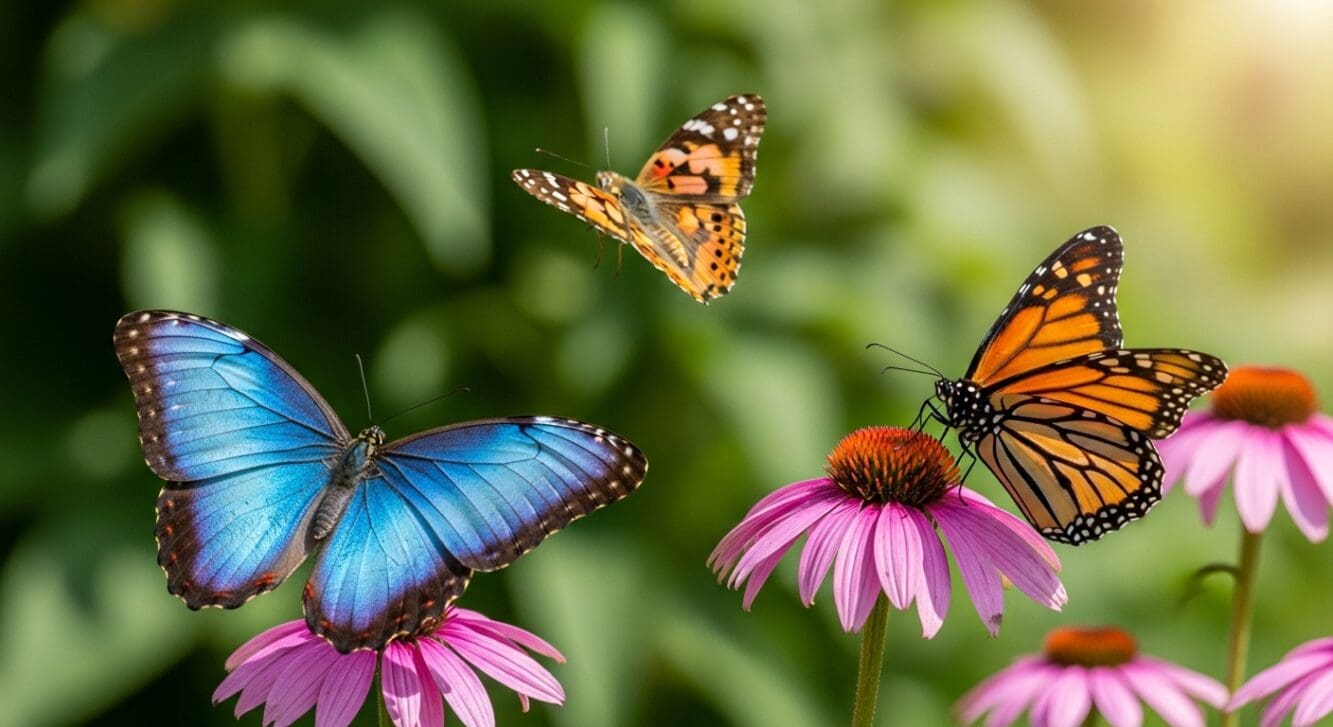
That matters, because pollinators are in trouble. Wild bees, butterflies and other insects are disappearing due to habitat loss, pesticide use, climate change and steady fragmentation of landscapes they depend on. Pollinators support healthy ecosystems and food systems, and their decline signals that our relationship with the natural world is out of balance.

A recent global study identified habitat loss as a leading driver of biodiversity decline worldwide. In simple terms, when we replace diverse landscapes with pavement, turfgrass and concrete, nature struggles. This is basic ecology.
What may be surprising is where many solutions are emerging. They aren’t limited to remote wilderness areas or sweeping policy reforms, important as those are. Increasingly, they’re taking shape in neighbourhoods, backyards and along boulevards.
The David Suzuki Foundation’s Butterflyway Project sprouted nearly a decade ago from the belief that everyday people could help restore habitat by transforming the places where they live, work and gather. It turns restoration into something tangible and, for many, genuinely joyful.
Since the first volunteer Butterflyway Rangers were trained in 2017, thousands of people in Canada have put that idea into action. They’ve planted native wildflowers, hosted plant and seed swaps and turned ordinary spaces into habitat for wild bees, butterflies and other pollinators. Along the way, they’ve also built friendships, shared knowledge and rediscovered the simple pleasure of watching something grow.
The Butterflyway Project is entering its 10th year. It’s burgeoned from a neighbourhood-scale experiment to a national movement grounded in science and grassroots community leadership.
The science behind this work is straightforward. Research consistently shows that native plants are far more effective than non-native species at supporting pollinators. Many insects rely on specific host plants to complete their life cycles. No host plant, no caterpillars. No caterpillars, no butterflies.
Studies also show that even small habitat patches can make a difference when they’re close to others. A single garden helps. A network of gardens increases the odds.

That’s where the Butterflyway model stands out. Rangers don’t just plant isolated gardens and hope for the best. They work toward creating Butterflyways: clusters of at least a dozen habitat gardens that together function as living webs of food and shelter. These connected spaces help counteract fragmentation in cities and suburbs.
The benefits extend beyond insects. Research links people’s access to green spaces with better mental health and greater resilience in the face of climate disruption. Restoring nature often restores something social as well. Gardens, it turns out, are excellent conversation starters, especially when someone asks why you’re growing plants they were taught to mow.
Butterflyways are built through relationships. Rangers are part of a nationwide network, but the real magic happens locally. Friends recruit friends. Neighbours recruit neighbours. Many Butterflyways begin with a single conversation and grow through trust and shared effort. Joy is contagious.
Some Rangers participate intensively for a season. Others have been involved since the early days. Many step back when life gets busy and return when they can. That flexibility allows people to stay bonded over time while caring for the places they call home.
There’s no single model for what Butterflyway involvement looks like. Throughout Canada, Rangers are installing habitat gardens, leading workshops and walks, hosting community events, advocating for pollinator-friendly municipal policies and creating local resources to share knowledge.
Some take on large, visible projects. Others contribute in quieter but equally important ways: tending one garden, sharing seeds with a neighbour or helping someone get started. Over time, these actions add up. One garden leads to another. One conversation leads to many.
Recruitment for the 10th cohort of Butterflyway Rangers is now open, until February 25. For anyone looking for a hopeful, practical response to today’s environmental challenges, the invitation is simple: start where you live and notice what comes back.
Nature is remarkably resilient when given a chance. So are the people and communities who come together to care for it. And joy grows from that shared work.
David Suzuki is a scientist, broadcaster, author and co-founder of the David Suzuki Foundation. Written with David Suzuki Foundation Rewilding Communities Program Manager Jode Roberts.
Learn more at davidsuzuki.org.
REFERENCES:
Recent global study:
https://www.ipbes.net/global-assessment
David Suzuki Foundation’s Butterflyway Project:
https://davidsuzuki.org/story/the-butterflyway-story
Research consistently shows:
https://www.pnas.org/doi/full/10.1073/pnas.1809259115
Studies also show:
https://conbio.onlinelibrary.wiley.com/doi/10.1111/cobi.12840
Research links people’s access to green spaces:
Now open until February 25:
https://davidsuzuki.org/take-action/act-locally/butterflyway
Much Appreciate You Sharing This Post - It Helps MUCH!!!