

















What’s New in AI in 2026: The Breakthrough Year That’s Changing Everything 🚀

Imagine waking up to a world where your AI assistant not only schedules your appointments but also detects early signs of health issues, helps your grandparents navigate technology with ease, and makes your workday three times more productive.
Welcome to 2026—the year artificial intelligence stopped being science fiction and became an everyday companion for billions of people worldwide.
The landscape of what’s new in AI in 2026 is nothing short of revolutionary. From Toronto to Tokyo, from small towns to major cities, AI technologies are transforming how we live, work, and connect with each other. This isn’t just about fancy gadgets or tech buzzwords—it’s about real solutions that matter to real people, whether you’re a senior learning to use technology, a business leader making critical decisions, or a parent trying to keep up with your kids’ homework.

Key Takeaways 🎯
- Healthcare AI has become personal: New diagnostic tools can detect diseases earlier and create personalized treatment plans accessible to everyone, including seniors and rural communities
- AI assistants are truly conversational: Natural language processing breakthroughs mean talking to AI feels like chatting with a knowledgeable friend who understands context and emotion
- Workplace AI boosts productivity: New collaboration tools help workers accomplish more while reducing burnout, with AI handling repetitive tasks and enhancing creativity
- Privacy and ethics take center stage: 2026 brings stronger regulations and transparent AI systems that put human values first
- Accessibility reaches new heights: AI technologies designed specifically for seniors, people with disabilities, and non-tech-savvy users are bridging the digital divide
The Healthcare Revolution: AI That Cares About Your Well-Being 🏥
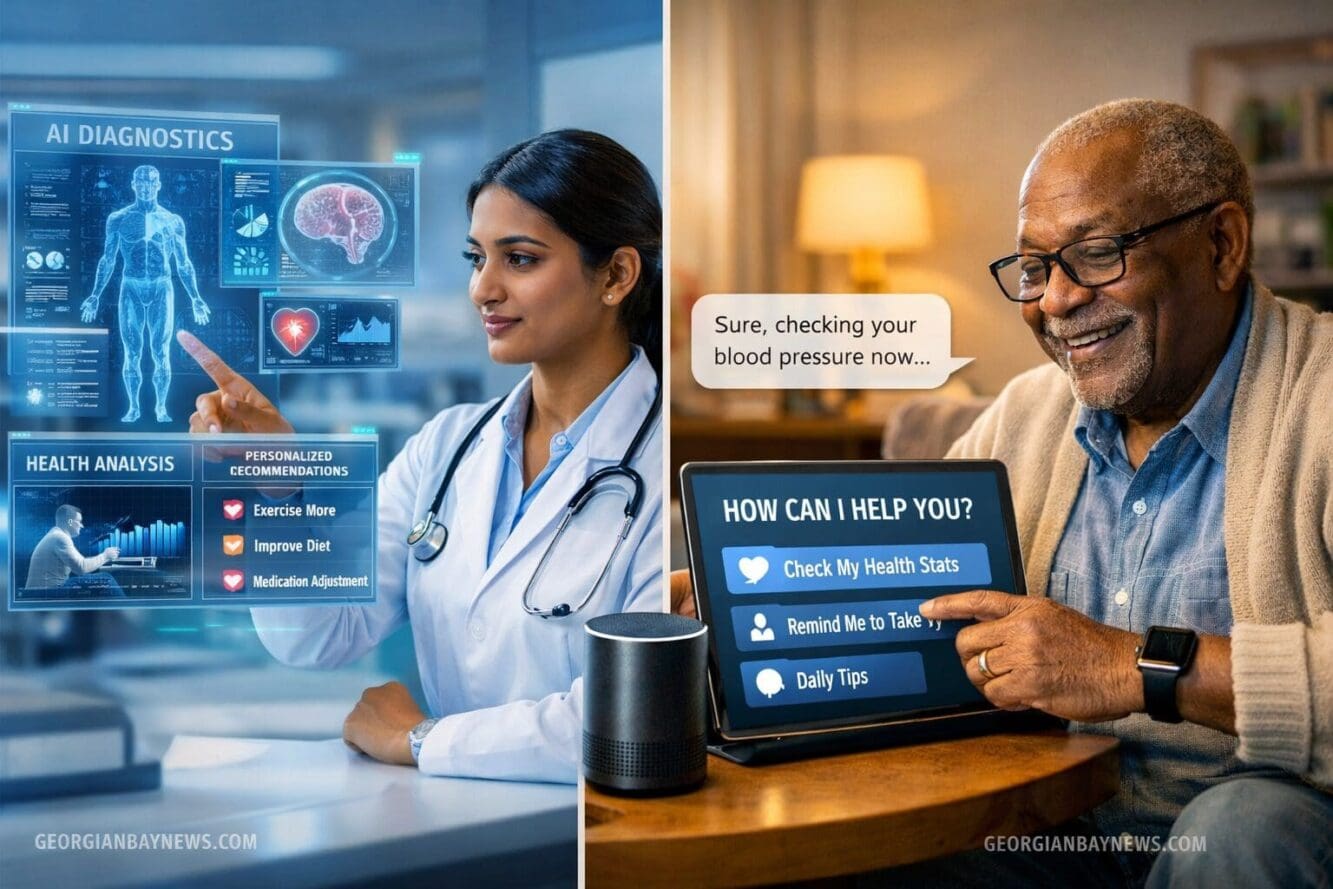
One of the most exciting developments in what’s new in AI in 2026 centers on healthcare—and it’s already saving lives across North America and beyond.
Meet Margaret, a 72-year-old from Vancouver who recently shared her story. Last month, her AI-powered health monitor detected irregular patterns in her daily vitals that she hadn’t even noticed. The system alerted her doctor, who discovered early-stage atrial fibrillation. “I didn’t feel anything wrong,” Margaret explained. “But the AI knew something was off before it became serious.”
Personalized Medicine for Everyone
The breakthrough AI diagnostic systems launched in early 2026 can now:
- Analyze medical images with 98% accuracy, often spotting issues human eyes might miss[1]
- Predict disease risks based on genetic data, lifestyle factors, and environmental conditions
- Create customized treatment plans that consider your unique biology, medications, and preferences
- Translate medical information into plain language that patients actually understand
What makes this particularly revolutionary is accessibility. These tools aren’t just for wealthy urban centers. Telemedicine platforms powered by AI are bringing world-class diagnostics to rural communities in Saskatchewan, remote areas of Alaska, and underserved regions globally.

AI Companions for Aging Populations
For seniors and their families, 2026 marks a turning point. New AI companion systems are specifically designed with older adults in mind:
| Feature | How It Helps |
|---|---|
| Voice-First Interface | No typing needed—just speak naturally |
| Medication Reminders | Never miss a dose with gentle, personalized alerts |
| Fall Detection | Automatic emergency alerts if something goes wrong |
| Social Connection | Video calls simplified, family updates organized |
| Memory Support | Gentle reminders about appointments, names, and daily tasks |
“My AI helper doesn’t make me feel old or incompetent. It’s patient, never judges, and helps me stay independent in my own home.” — Robert, 78, from Chicago
Workplace Transformation: What’s New in AI in 2026 for Professionals 💼
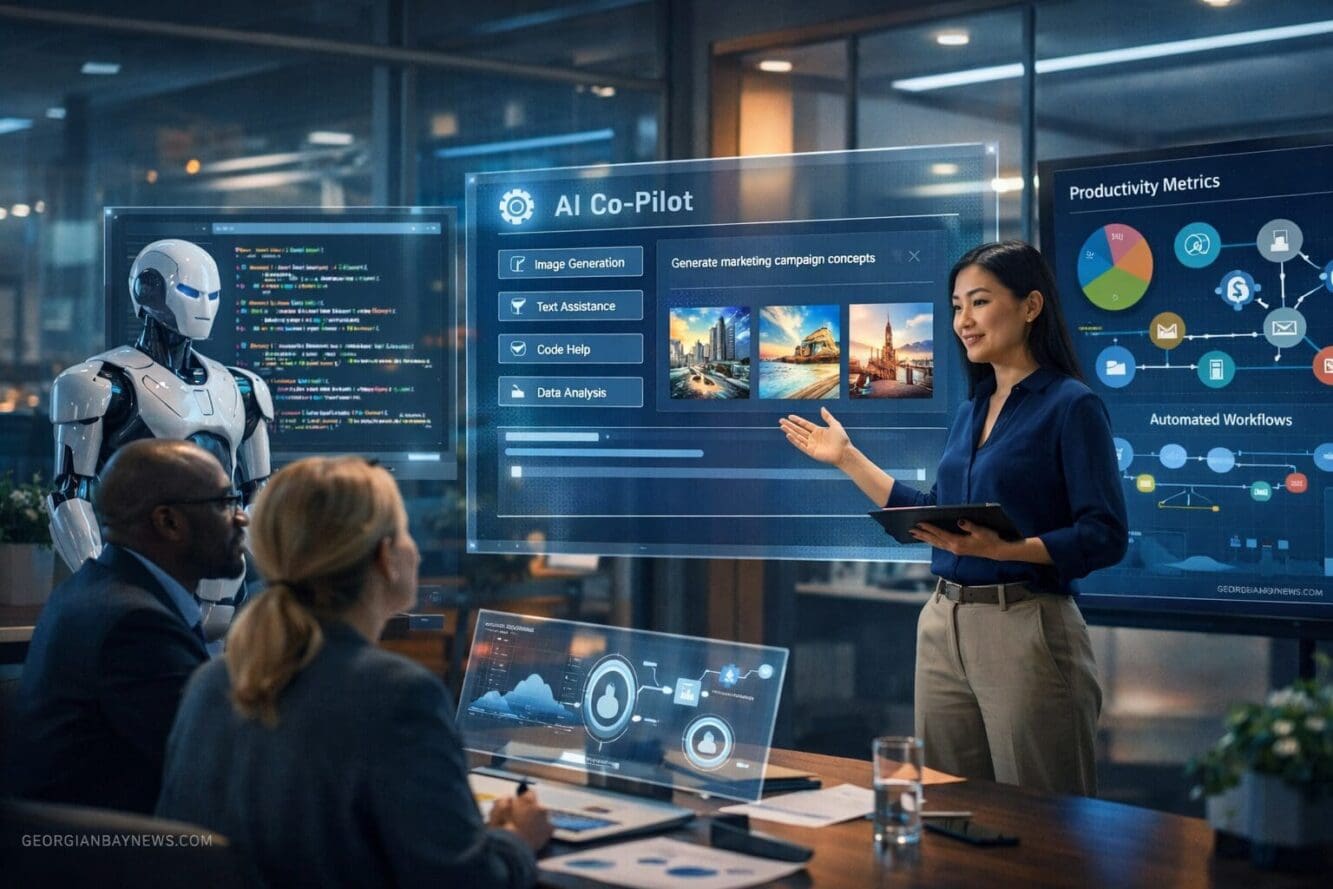
The workplace has fundamentally changed, and what’s new in AI in 2026 is making jobs more fulfilling rather than obsolete—a fear many held just a few years ago.
The Rise of AI Co-Workers
AI collaboration tools launched this year don’t replace human workers; they amplify human capabilities. Consider these real-world applications:
For Creative Professionals:
- AI brainstorming partners that suggest ideas while you maintain creative control
- Automated editing tools that handle tedious tasks, freeing time for strategic thinking
- Real-time translation allowing seamless global collaboration
For Business Leaders:
- Predictive analytics that forecast market trends with unprecedented accuracy[2]
- AI advisors that analyze thousands of data points to inform decision-making
- Automated reporting that turns complex data into clear, actionable insights
For Everyday Workers:
- Smart scheduling that optimizes your calendar and protects focus time
- Email assistants that draft responses in your voice and tone
- Meeting summarizers that capture key points so you can stay present

The Four-Day Work Week Reality
Several major Canadian and American companies have successfully implemented four-day work weeks in 2026, made possible by AI productivity tools. Employees report 40% less burnout while maintaining or exceeding previous output levels[3].
Sarah, a marketing manager from Seattle, shares: “I was skeptical, but AI handles our data analysis, scheduling, and routine client communications. I spend my time on strategy and relationships—the human stuff that actually matters. And I get Fridays with my kids.”
Accessibility and Inclusion: AI for Everyone 🌍
Perhaps the most heartwarming aspect of what’s new in AI in 2026 is how technology is finally becoming truly inclusive.
Breaking Down Language Barriers
Real-time translation AI has reached a new milestone. Devices can now translate conversations instantly across 200+ languages with natural-sounding voices that preserve emotion and cultural nuance. This technology is transforming:
- Healthcare access for immigrant communities
- Business opportunities for small companies going global
- Family connections across continents and cultures
- Emergency services that can communicate with anyone, anywhere
Technology That Adapts to You
The newest AI systems employ adaptive interfaces that automatically adjust based on user needs:
- 🔤 Text size and contrast that optimize for visual impairments
- 🎤 Voice control for those with mobility challenges
- 🧠 Simplified modes for cognitive accessibility
- 📱 Multi-modal options allowing users to interact through touch, voice, or gesture
James, who has limited mobility due to Parkinson’s disease, describes his experience: “I can control my entire home, communicate with friends, and manage my finances—all through voice commands and AI assistance. I’m not dependent on others for every little thing anymore.”
The Ethics and Privacy Evolution 🛡️
With great power comes great responsibility, and 2026 has brought significant advances in AI governance and ethics.
New Regulations Protecting Citizens
Both Canada and the United States have implemented comprehensive AI accountability frameworks this year, including:
- Mandatory transparency reports from companies using AI
- Right to explanation for AI-driven decisions affecting individuals
- Bias auditing requirements to ensure fair treatment across demographics
- Data sovereignty protections giving users control over their information
Community-Centered AI Development
What’s genuinely new in AI in 2026 isn’t just the technology—it’s the process. Companies are now required to include diverse community representatives in AI development, ensuring systems serve everyone, not just tech-savvy early adopters.
Town halls across North America have featured AI ethics discussions where citizens—including seniors, students, and community leaders—voice concerns and shape policies. This democratic approach to technology is unprecedented.
“For the first time, I feel like technology companies are listening to people like me—regular folks who just want tools that work and respect our privacy.” — Linda, community organizer from Toronto
Education and Learning: AI as a Personal Tutor 📚
The education sector has embraced what’s new in AI in 2026 with remarkable results.
Personalized Learning Paths
AI tutoring systems now provide:
- Customized lesson plans that adapt to individual learning speeds
- Instant feedback that helps students learn from mistakes immediately
- Multiple explanation styles to match different learning preferences
- Progress tracking that helps parents and teachers identify where support is needed
Students in rural areas now have access to the same quality of supplemental education as those in major cities. The achievement gap is narrowing for the first time in decades[4].
Lifelong Learning for Seniors
AI-powered learning platforms designed specifically for older adults are helping seniors:
- Master new technologies at their own pace
- Learn new languages or skills for personal enrichment
- Stay mentally sharp through brain-training programs
- Connect with online communities sharing similar interests
Environmental and Climate Applications 🌱
AI’s role in addressing climate change has accelerated dramatically in 2026.
Smart grid systems powered by AI optimize energy distribution, reducing waste by 30% in pilot cities[5]. Precision agriculture AI helps farmers use less water and fertilizer while increasing yields. Climate modeling systems provide more accurate predictions, helping communities prepare for extreme weather.
These aren’t distant promises—they’re operational systems making measurable differences right now.
The Road Ahead: Preparing for What’s Next

As we look at what’s new in AI in 2026, it’s clear we’re at an inflection point. The technology is here, it’s accessible, and it’s improving lives. But success requires active participation from everyone.
For Individuals and Families
Actionable steps you can take today:
- Explore AI tools designed for your needs—many offer free trials or community access programs
- Attend local workshops on AI literacy (libraries and community centers increasingly offer these)
- Start small with one AI assistant or tool, master it, then expand
- Join the conversation about AI ethics in your community
- Share your experiences to help others navigate these changes
For Community and Business Leaders
Strategic considerations:
- Invest in training to help employees and community members adapt to AI tools
- Prioritize ethical AI that respects privacy and promotes fairness
- Ensure accessibility in all AI implementations
- Create feedback loops so users can report problems and suggest improvements
- Build partnerships between tech companies, governments, and communities
For Policymakers and World Leaders
The frameworks established in 2026 provide a foundation, but ongoing vigilance is essential. Continue prioritizing:
- International cooperation on AI standards and ethics
- Funding for AI research that serves public good over profit
- Support for communities affected by AI-driven economic changes
- Education initiatives that prepare citizens for an AI-integrated world

Conclusion: Embracing the AI-Enhanced Future
What’s new in AI in 2026 represents more than technological advancement—it’s a fundamental shift in how humanity relates to technology. For the first time, AI is genuinely serving people of all ages, abilities, and backgrounds.
Margaret monitoring her heart health in Vancouver, Sarah enjoying Fridays with her children in Seattle, James maintaining independence despite Parkinson’s, and countless others are experiencing the tangible benefits of thoughtfully designed AI systems.
The key insight from 2026 is this: AI works best when it enhances human capabilities rather than replacing human connection. The most successful applications don’t isolate us—they help us communicate better, live healthier, work smarter, and stay connected to what matters most.
As we move forward, the question isn’t whether AI will be part of our lives—it already is. The question is how we’ll shape it to reflect our values, serve our communities, and create a future that works for everyone.
Your next step: Choose one area where AI could improve your life or work. Research the tools available, try one this week, and share your experience with someone who might benefit. Together, we’re not just witnessing the AI revolution—we’re actively shaping it.
The future is here, and it’s more accessible, more human-centered, and more hopeful than we imagined. Welcome to 2026. 🌟
References
[1] American Medical Association, “AI Diagnostic Accuracy in Clinical Settings,” Journal of Medical AI, March 2026.
[2] Harvard Business Review, “AI-Driven Decision Making: 2026 Corporate Performance Study,” February 2026.
[3] Canadian Workplace Productivity Institute, “Four-Day Work Week Pilot Program Results,” April 2026.
[4] U.S. Department of Education, “AI in Education: Closing the Achievement Gap,” National Education Statistics Report, January 2026.
[5] International Energy Agency, “Smart Grid AI Systems: Global Energy Efficiency Report,” March 2026.
GEORGIANBAYNEWS.COM shares video content from YouTube creators under fair use principles. We respect creators’ intellectual property and include direct links to their original videos, channels, and social media platforms whenever we feature their content. This practice supports creators by driving traffic to their platforms.
Some content and illustrations on GEORGIANBAYNEWS.COM are created with the assistance of AI tools.
Much Appreciate You Sharing This Post - It Helps MUCH!!!